
Smart ring deals are no longer about hardware alone
Smart ring deals now hinge on more than sleek titanium and sensor lists; they are about long-term value, subscription commitments, and how well each device fits into your daily digital life as a health companion rather than a simple gadget. The real decision is whether you want to pay once for core health tracking or accept a lower entry price in exchange for a permanent subscription line item. That’s why the current Samsung Galaxy Ring price drop matters: it forces a direct comparison with the Oura Ring’s subscription model instead of letting Oura win on reputation alone. The Samsung Galaxy Ring has fallen from its USD 399.99 (approx. ₱22,400) list price to around USD 239.99 (approx. ₱13,400) in recent smart ring deals, a 40% discount that undercuts its recent averages and marks a record low. Oura remains the category leader but ties its deeper health insights to a monthly subscription, making the true cost of ownership much higher over time. Right now, value-conscious buyers need to weigh ecosystem fit and subscription fatigue as much as design.
Samsung Galaxy Ring: a record-low, Android-first, subscription-free bet
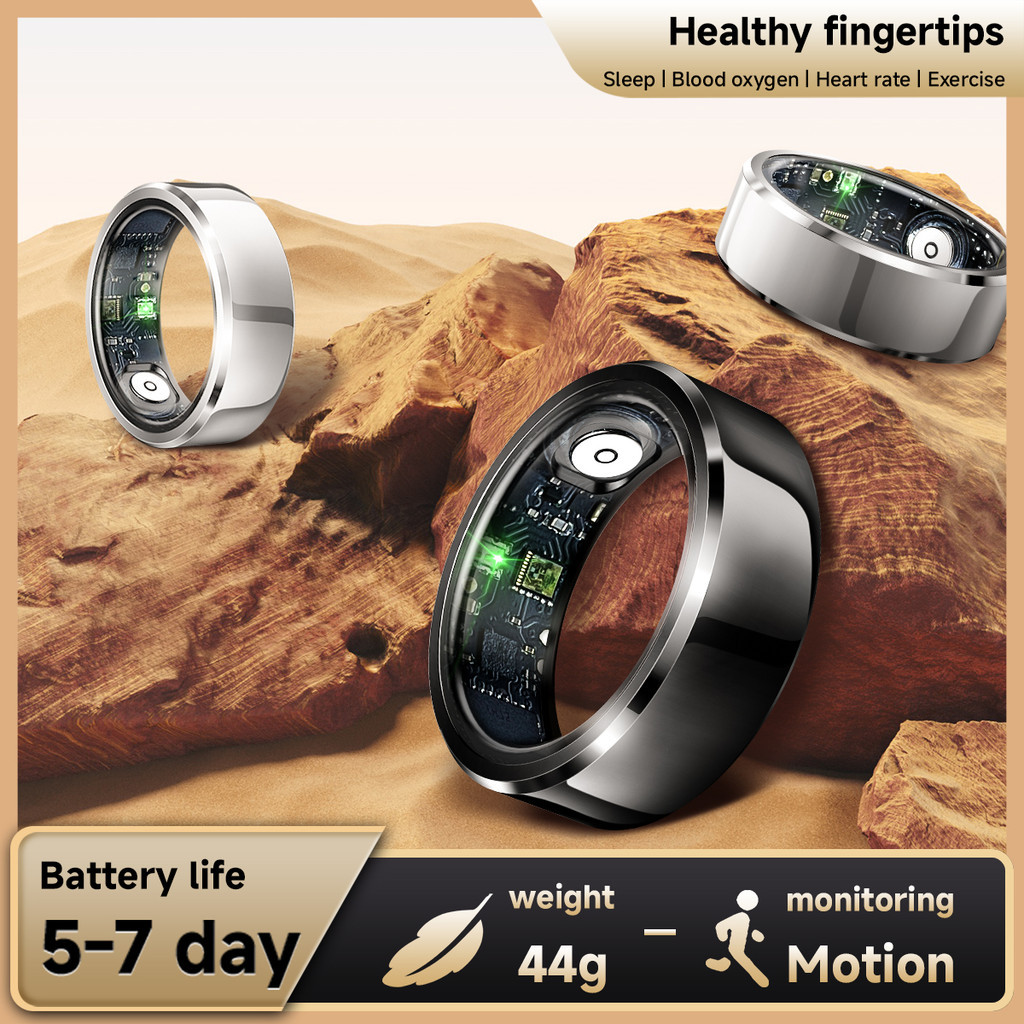
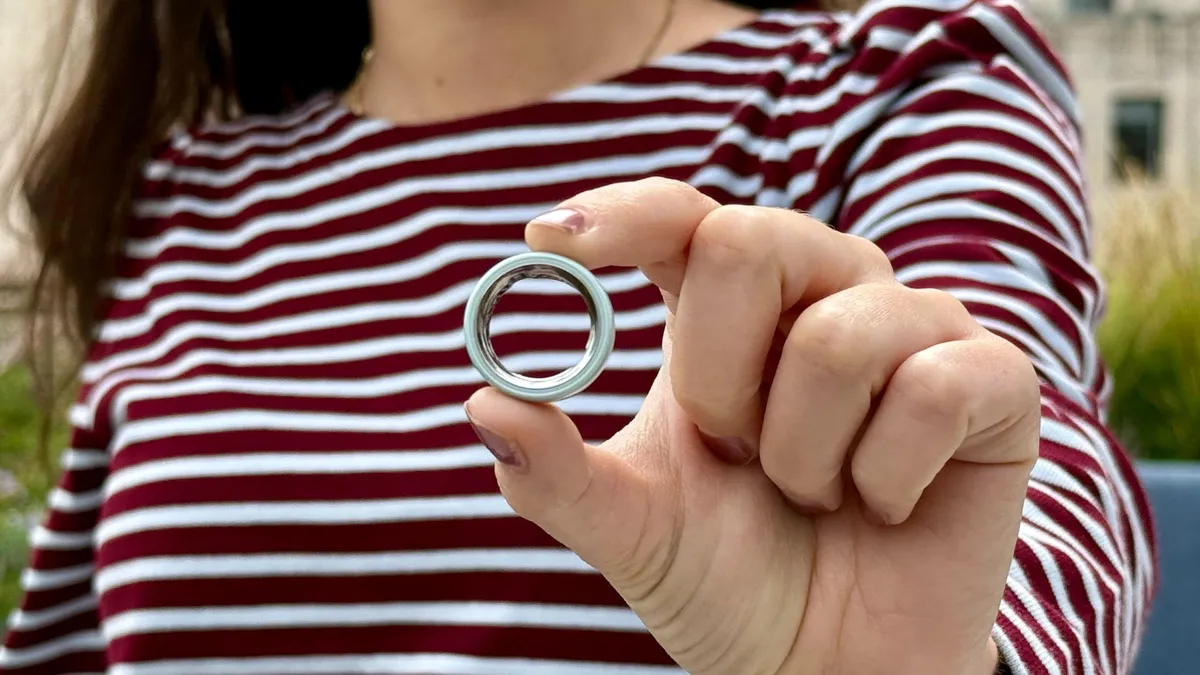
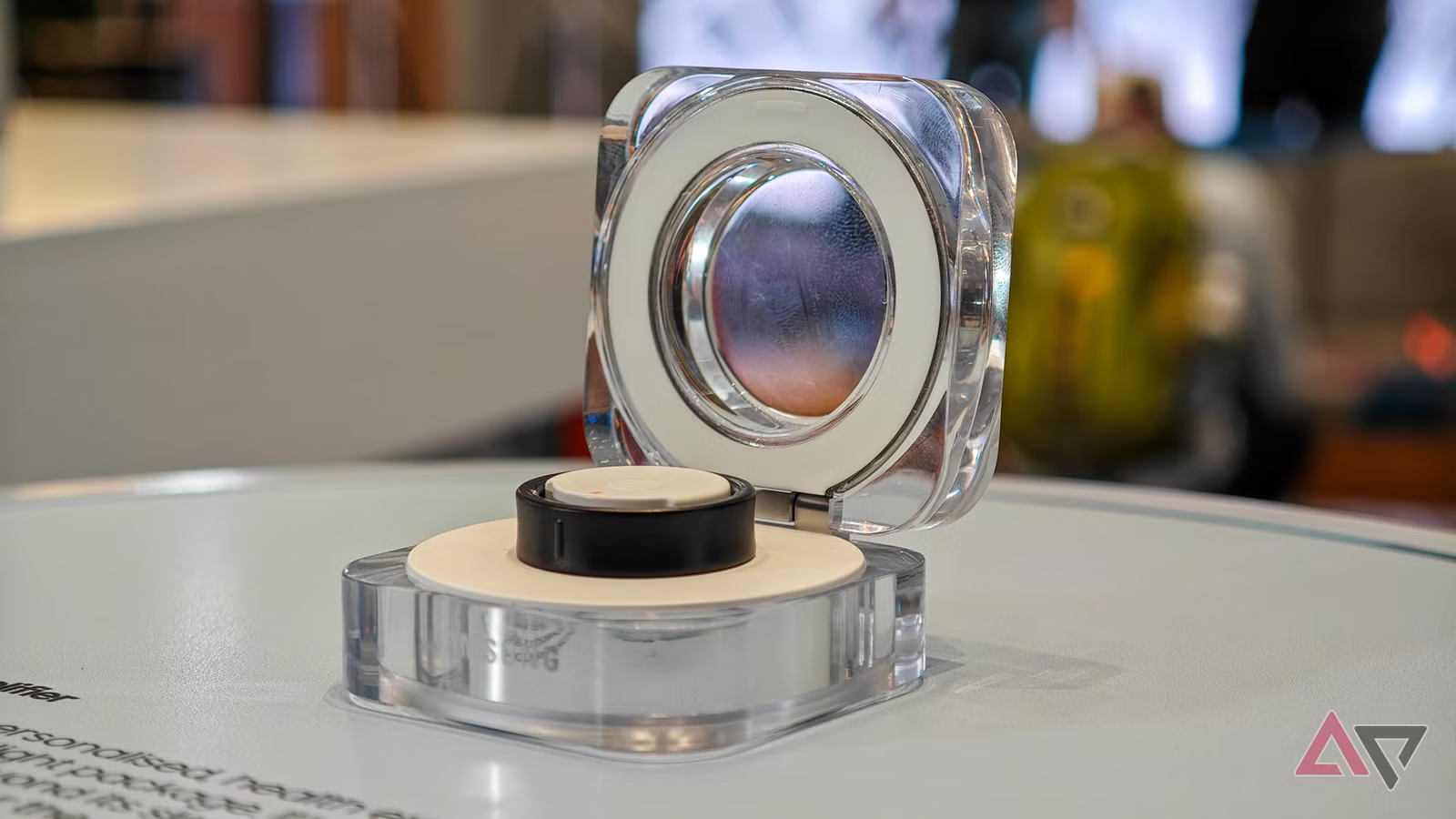
If you live in Android world, the Samsung Galaxy Ring is suddenly the most compelling best smart rings Android option for one simple reason: you pay once and you’re done. With a list price of USD 399.99 (approx. ₱22,400) but current deals dropping certain sizes to USD 239.99 (approx. ₱13,400), you are getting a 40% discount and what one source calls “one of the few genuine price cuts since launch.” Core health and fitness tracking—including activity, sleep, heart rate via PPG, and skin temperature—works without any app subscription, as all data syncs into the Samsung Health app on your Android phone. Battery life reaches up to seven days, and the included charging case keeps it topped up on the go. The ring’s titanium build and water resistance make it suitable for daily wear, though reviewers have noted that the finish picks up scratches and that notification support is absent. You also need to be comfortable with Samsung’s ecosystem, because the ring does not support iOS devices at all.
Oura Ring Gen 3 Horizon: premium insights with a permanent meter running
Oura deserves its reputation as the smart ring segment leader; it has spent years refining advanced sleep staging, readiness scores, and guided insights that go beyond simple step counts or nightly heart rate trends. For health enthusiasts, that level of analysis feels closer to a personal coach than a passive tracker, and the Gen 3 Horizon design pushed the brand even further into “premium wearable jewelry” territory. But the trade-off is clear: Oura Ring comparison conversations now have to start with its monthly subscription fee. Without that ongoing payment, the ring’s best software features and premium health insights are locked away. Over a couple of years, that subscription can quietly eclipse the price of the hardware itself, especially when rival devices like the Galaxy Ring offer core metrics and sleep tracking without any additional cost. Oura is still the better choice for guided, high-touch interpretation, but you pay for that depth every single month.
Price gap, ecosystems, and the real long-term cost
Deal pricing has changed the math between these competing smart ring ecosystems. With the Samsung Galaxy Ring now around USD 239.99 (approx. ₱13,400) in some sizes—a USD 160 (approx. ₱9,000) drop from its list price—the upfront difference between it and an Oura Ring is no longer as dramatic as it once was. According to one source, “this 40% discount brings the wearable well below its 30-day average… and undercuts the 90-day average,” underscoring how unusual this sale window is. However, the bigger divide is long-term. The Galaxy Ring delivers essential sleep and fitness monitoring plus health insights through Samsung Health without any subscription fee, so its total cost is effectively capped at what you pay today. Oura, by contrast, “charges a monthly subscription fee to use its products,” meaning the meter keeps running if you rely on its most advanced interpretation tools. For Android users who have felt boxed into Apple-centric wearables, this deal makes Galaxy Ring a practical, ecosystem-native alternative with a clear financial ceiling.
Verdict: Choose your ring by platform, patience, and price tolerance
- Buy if: You use Android and want the best smart rings Android option with no subscription fees, solid health tracking, and tight Samsung Health integration.
- Skip if: You rely on iOS devices, because the Samsung Galaxy Ring does not support any Apple products and is Android-only.
- Buy if: You hate wrist-based trackers at night and prefer a minimalist, nearly invisible ring with up to seven days of battery life.
- Skip if: You want rich, guided health insights and are comfortable paying an ongoing monthly subscription for Oura’s deeper analysis.
- Buy if: You care more about long-term cost of ownership than bleeding-edge analytics—the Galaxy Ring’s current price plus zero subscription is hard to beat.
- Skip if: On-screen notifications and smartwatch-like interaction are must-haves; Galaxy Ring does not offer notification support.
In my view, the record-low Samsung Galaxy Ring price has tipped the value scales. If you are an Android user tired of subscription creep and happy with strong but not ultra-coached health data, the Galaxy Ring deal is the smart purchase today. Oura Ring Gen 3 Horizon still wins on polished insights and brand prestige, but that comes with an ongoing fee that quietly turns a luxury health tool into a long-term financial commitment. Decide whether you want a subscription relationship or a one-time buy; your answer should determine which ring lands on your finger.