
Apple’s AI Smartwatch Market Takeover
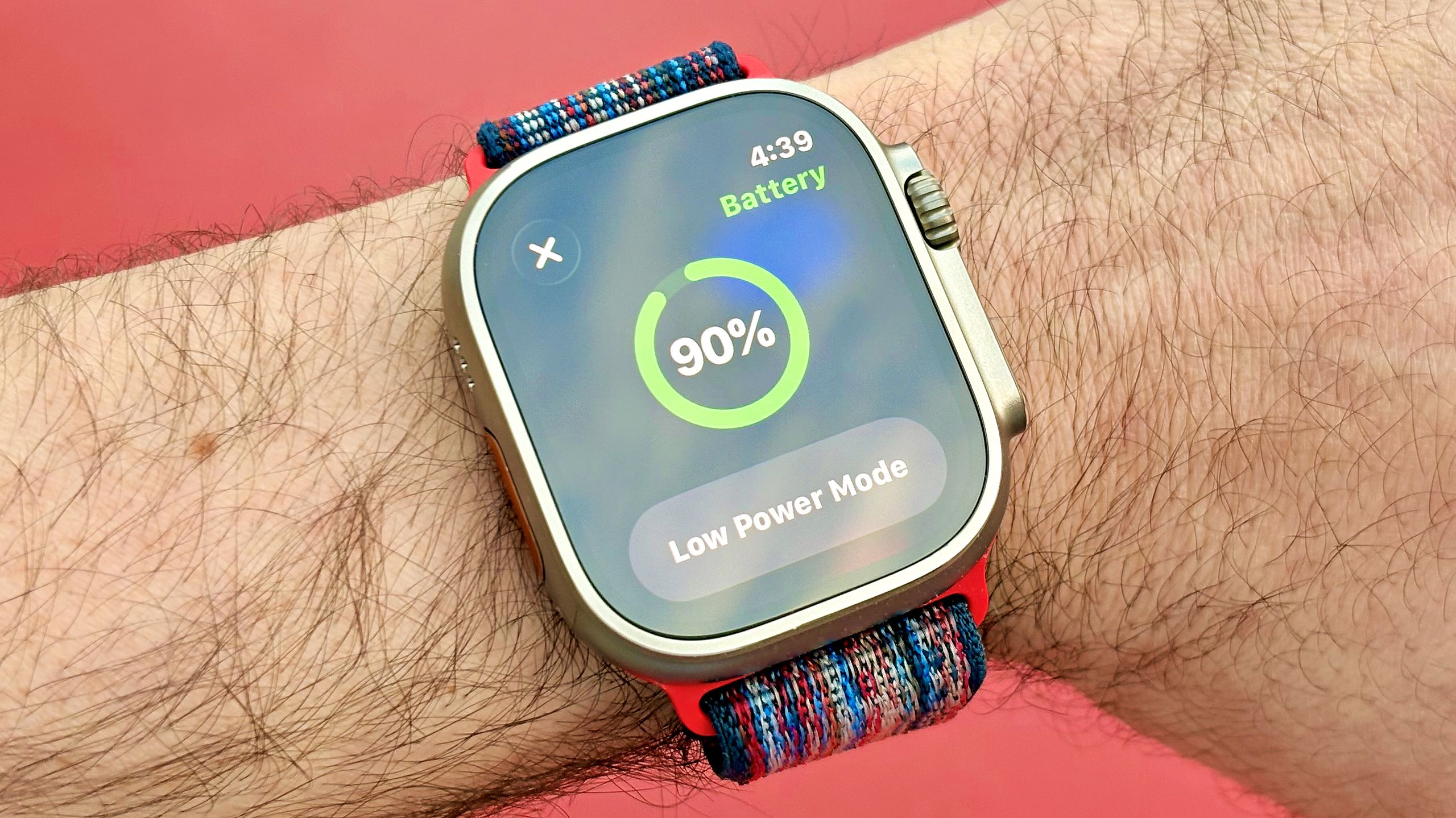
The AI smartwatch market refers to wrist-worn wearable devices that combine traditional smartwatch functions with artificial intelligence features, such as personalized health insights, contextual notifications, and intelligent coaching, all tightly integrated with companion phones and services to deliver more proactive and data-driven experiences to everyday users. Apple has emerged as the overwhelming leader in this global AI-enabled smartwatch market, accounting for nearly 90% of shipments according to a new industry report. That is not just a healthy lead; it is near-total control of a new category that is fast becoming the default expectation for premium wearables. While many brands are still arguing about battery life and screen size, Apple has framed the conversation around intelligence, health guidance, and ecosystem convenience—and buyers are voting with their wrists.
Why Apple Watch Dominance Feels Structural, Not Cyclical
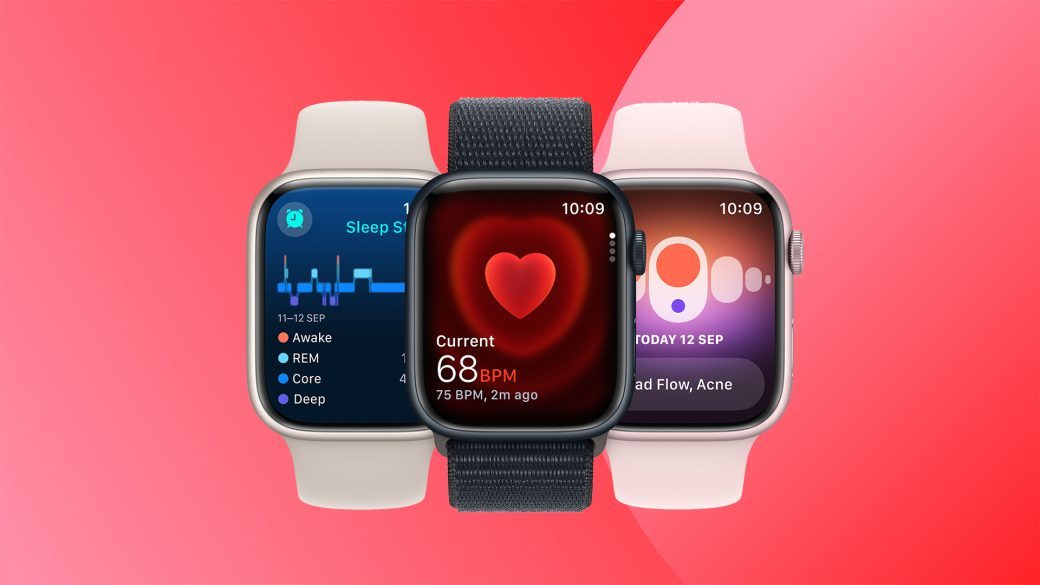
The reason Apple commands nearly 90% of global AI smartwatch shipments is not a single killer feature but a system-level advantage. Its AI capabilities—personalized health insights, intelligent fitness recommendations, context-aware notifications, enhanced Siri interactions, and on-device machine learning—are woven through hardware, software, and services instead of bolted on as apps. The Apple Watch, iPhone, Apple Health, Fitness+, Apple Intelligence, AirPods, and iCloud services work as one loop: data flows in, AI turns it into coaching or warnings, and the user sees value without manual effort. Competitors can copy individual features, but they struggle to match this seamless flow. When a device feels like a natural extension of the phone and the cloud, switching ecosystems stops being a casual choice and becomes a lifestyle overhaul. That is the kind of lock-in most rivals do not yet have the scale or integration discipline to offer.
Rivals Have Niche Strengths but Not AI Scale
Brands like Samsung, Google, Huawei, Garmin, and Xiaomi are far from absent—they are rapidly expanding AI capabilities in their wearable portfolios—but their strength is fragmented. Samsung leans on Galaxy AI and health features, Google pushes Gemini-powered wearables, Huawei and Garmin focus on deep fitness intelligence, and Xiaomi competes aggressively on accessible hardware. These companies can win specific user segments: endurance athletes, Android loyalists, cost-sensitive buyers. What they lack today is Apple’s integration scale, where AI features are consistently present across devices, services, and daily routines. That gap matters because artificial intelligence is no longer a novelty differentiator; it is becoming standard across premium wearable devices. As AI becomes the baseline expectation, a scattered strategy around specialized features looks less compelling than a cohesive experience that follows the user from the gym to sleep to office productivity.
The Broader Wearables Ecosystem Is Converging on Intelligence
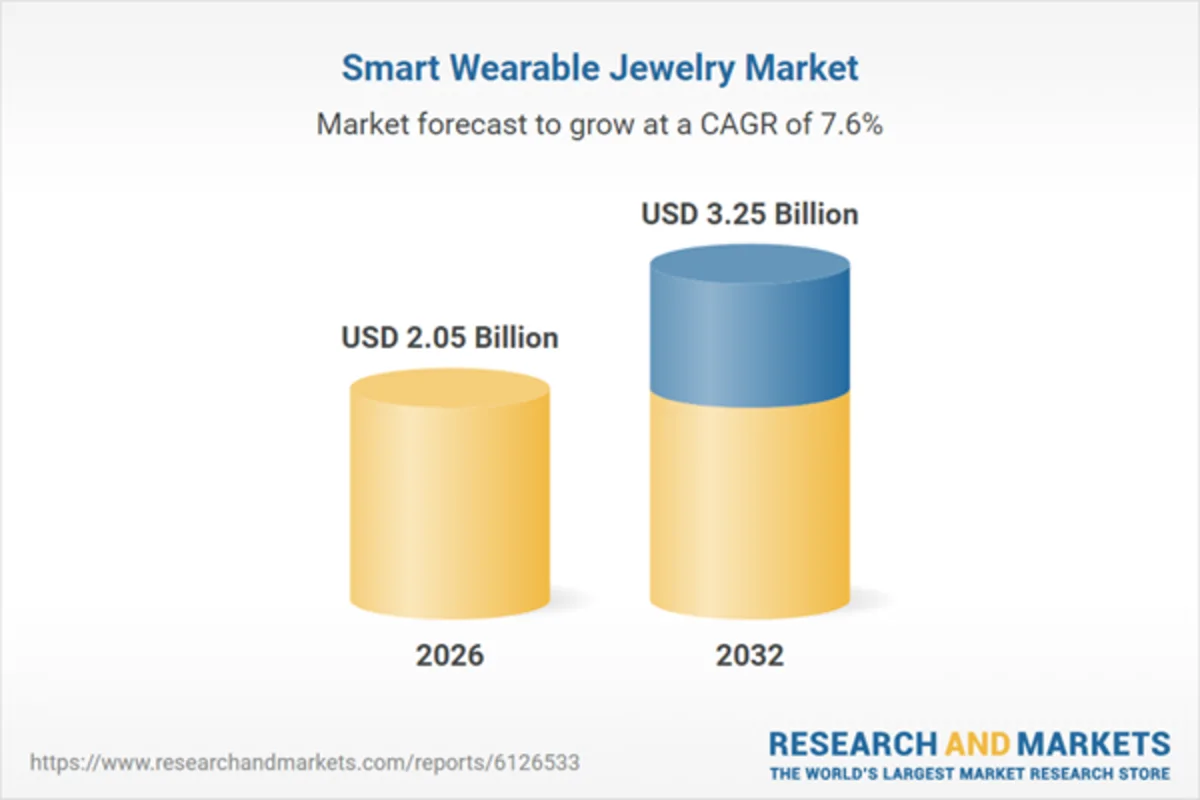
Apple’s lead in AI wearable devices sits within a wider shift in personal tech. Smart wearable jewelry, for instance, is forecast to grow from USD 1.95 billion in 2025 to USD 2.05 billion in 2026 and reach USD 3.25 billion by 2032 with a 7.56% CAGR, merging fashion cycles with technology upgrade cycles. These accessories focus on design and comfort while layering in notifications, payments, and health-adjacent sensing, and they rely on miniaturization and personalization to deliver actionable outcomes rather than raw metrics. Meanwhile, across the wearables industry, manufacturers are using AI to improve battery optimization, voice assistants, predictive health monitoring, fitness coaching, personalization, and energy efficiency. Health monitoring remains the biggest AI use case, driving heart rate trend analysis, sleep insights, activity recommendations, and wellness tracking. For consumers, this trend promises smarter health monitoring, more personalized fitness guidance, and increasingly capable digital assistants on the wrist.
What Apple’s 90% Share Means for the Next Wave of Wearables
The market is consolidating around AI capabilities, and that is reshaping both buyer expectations and vendor strategy. Rather than competing solely on hardware specifications, companies are increasingly differentiating their products through intelligent software, personalized health services, and seamless cross-device experiences. Analysts expect AI smartwatch adoption to accelerate over the next several years thanks to better AI models, more advanced health sensors, increasing consumer awareness, deeper ecosystem integration, and more on-device AI processing. In that environment, Apple’s early leadership positions it strongly as AI becomes a defining feature of future wearable devices. But dominance is not the same thing as inevitability. If rivals can pair their niche strengths—like Garmin’s fitness focus or Samsung’s broader device range—with coherent AI ecosystems, they can still chip away at Apple Watch dominance. The next phase of competition will be won not on who logs the most steps, but on who delivers the most trusted, useful guidance from those steps.