
The inconvenient truth about Steam Machine RAM upgrades
A Steam Machine RAM upgrade is the process of adding or replacing DDR5 SO-DIMM memory modules inside Valve’s console-like gaming PC, which unusually requires dismantling the system’s fan, power supply, ribbon cables, and antenna wiring before the hidden slots can be reached, turning a normally simple task into a demanding teardown.
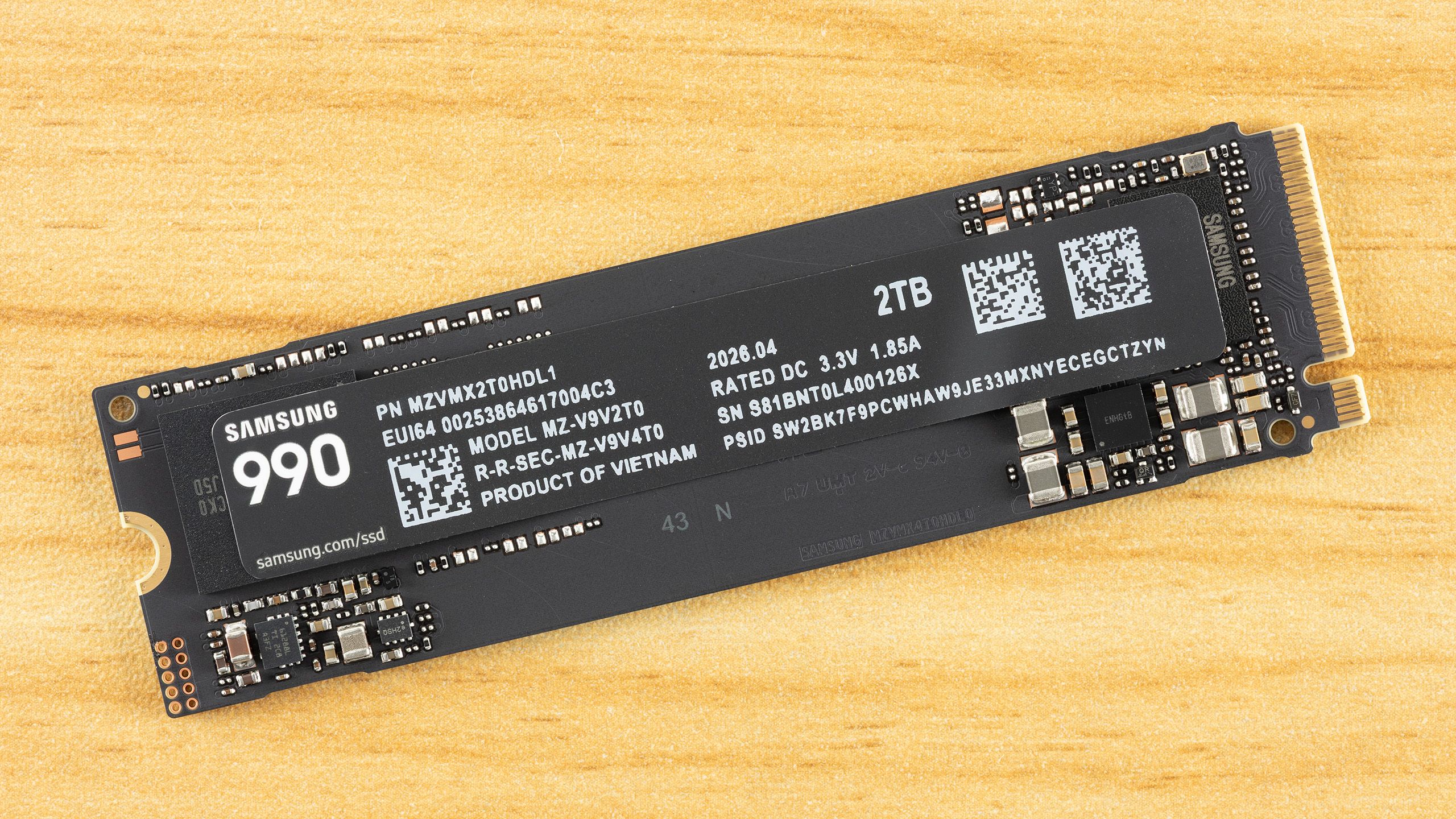
This awkward reality undercuts the promise of console simplicity plus PC flexibility. You can upgrade the SSD and RAM yourself, but only one of those feels user-friendly: the SSD sits behind an easy-access panel, while the memory is buried deep in the chassis. That contrast is not an accident; it is the direct result of how DDR5-5600 behaves at high frequencies and how little physical slack Valve’s layout leaves for longer memory traces. If you think the design is bad, you are half right: it is bad for anyone who wants a quick RAM swap, but it is also a deliberate bet that signal quality and stability matter more than serviceability in this small form factor.

DDR5 signal integrity: the invisible wall behind the heatsink
The heart of the problem is DDR5 signal integrity, not component stinginess. Valve engineers explored placing the RAM where users could reach it easily, then backed away when they saw what DDR5-5600 would do to that plan. At these speeds, the memory bus demands trace lengths that are matched within about 2 picoseconds, which translates to roughly 0.3 millimeters of length difference. That is a tolerance closer to fine watchmaking than hobbyist PC modding.
Every extra millimeter of PCB between the CPU’s memory controller and the SO-DIMM slot increases crosstalk, loss, and timing uncertainty until the RAM becomes unstable or fails to train at all. Storage links can afford long, flexible paths because protocols like PCIe include error correction and link training; DDR5 offers no such safety net at the physical layer. That is why the SSD could be routed through a flex cable to a handy side hatch, while a similar path for RAM would have wrecked signal quality. As one engineer put it in an interview, moving the slots to an accessible position would have “worsened signal integrity” and alternative routings were “physically infeasible”.

Single-stick RAM and the cost of a buried slot
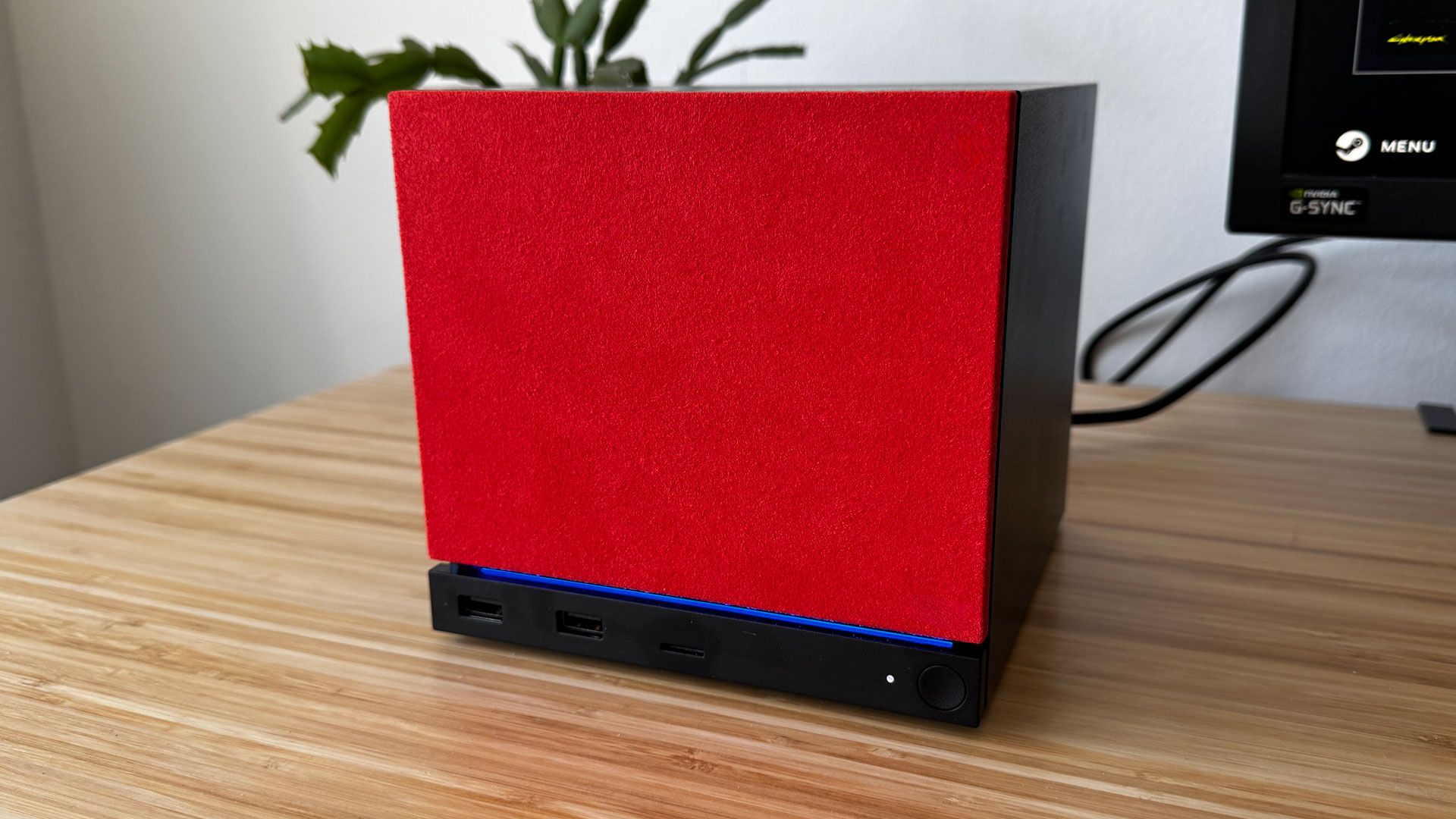
Valve’s launch configuration adds another twist: every consumer Steam Machine ships with a single 16 GB DDR5-5600 SO-DIMM, leaving the second slot empty. Original plans called for two 8 GB modules, but supply problems in the DDR5 SO-DIMM market forced the shift to one larger stick as production scaled. That means the machine runs in single-channel mode out of the box, even though the board exposes two slots.
Here is the irony: the same DDR5 physics that forced Valve to bury the memory also lock in the pain of filling that second slot later. To reach it, owners must remove the cooling fan, disconnect fan and wireless antenna cables, unclip four ribbon cables, and lift the power supply before the SO-DIMMs come into view. “Reaching the RAM slots requires removing the cooling fan, disconnecting the fan and wireless antenna cables, unclipping four ribbon cables, and lifting out the power supply” is not the kind of sentence anyone associates with a friendly home upgrade. Yet this is now the permanent reality of dual-channel upgrades on this platform, because the constraint is electrical, not logistical.
Engineering trade-offs: accessibility versus stability
The Steam Machine embodies a blunt trade-off: memory accessibility was sacrificed for DDR5 performance stability and chassis safety. During development, engineers tried moving the RAM slots and investigated cutting a dedicated service hatch through the power supply area. Both options failed. Longer routes would have compromised signal integrity, and a hatch near the PSU was rejected on safety grounds. On top of that, a unified heatsink tying CPU and GPU together leaves minimal layout freedom near the memory controller.
From a repairability point of view, this is a disappointing, if understandable, decision. Valve wanted console-like thermals and acoustics plus high-speed DDR5; accessible RAM lost the argument. Instead, the company leaned on documentation and tools to soften the blow: they recommend DDR5-5600 or faster SO-DIMM modules, warn against mixing capacities or timings, and are working with a third-party repair partner to publish disassembly guidance and supply parts. That is not a substitute for a smarter layout, but it does acknowledge that hardware enthusiasts will dig in anyway.
So, should you attempt a Steam Machine RAM upgrade?
A Steam Machine RAM upgrade is not a casual Saturday project; it is a deliberate choice to tear down a compact, tightly packed PC for marginal gains in many games. Valve’s own testing saw little difference between single and dual-channel performance in typical GPU-bound scenarios, and support notes that increasing capacity alone may not help if 16 GB already covers your workloads. The main benefit will show up in CPU-heavy titles and multitasking, not in every frame counter.
Viewed that way, the right move for many owners is to accept the single-stick configuration and treat the hidden slot as an advanced option. If you do pursue it, follow official guidance, stick to DDR5-5600 or faster modules, avoid mixed kits, and study the PC teardown procedure beforehand. The deeper lesson is larger than one console: as components push toward higher frequencies and tighter tolerances, user serviceability is no longer free. Performance and compact design have a real, physical cost, and in the Steam Machine, that cost is paid every time someone reaches for a screwdriver to touch the RAM.