
The “Red Line of Death” Was a BIOS Problem, Not a Dying Steam Machine
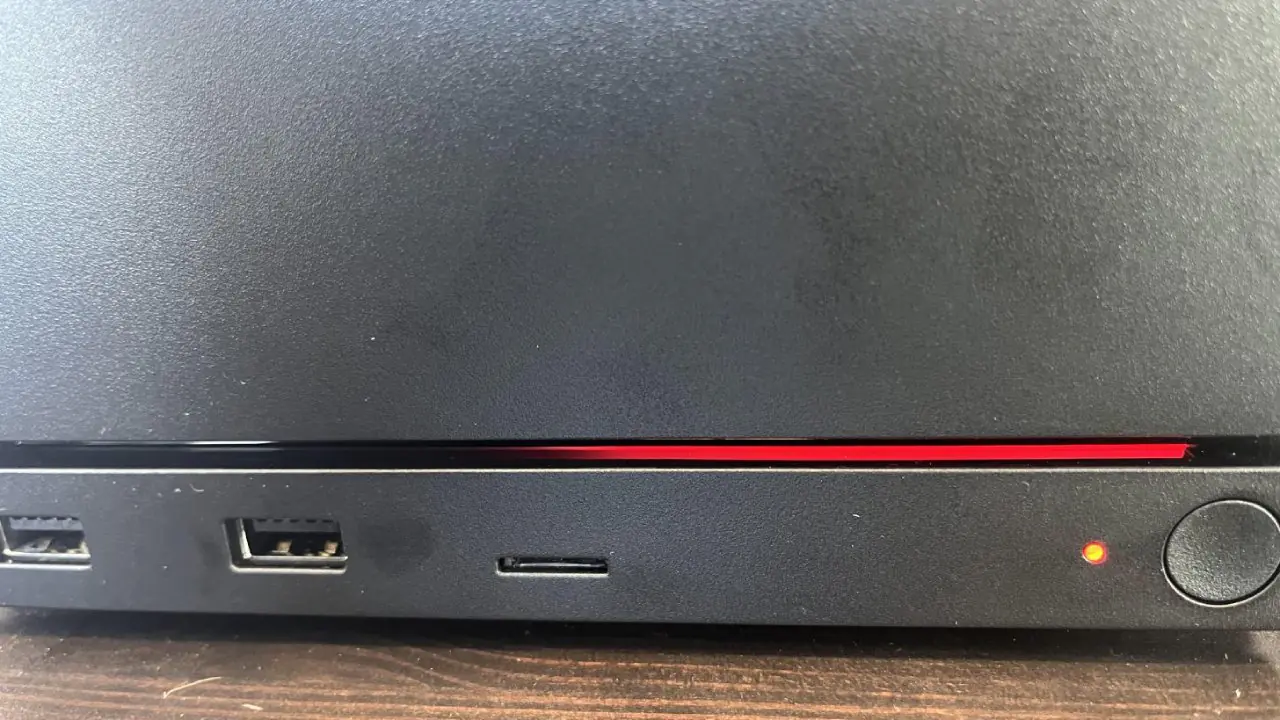
The Steam Machine thermal warning issue refers to a BIOS bug that caused the front red LED overheating alert to trigger at safe temperatures, misleading users into thinking their hardware was failing when the system was still within normal operating limits.
Valve’s Steam Machine was supposed to feel like a console with PC flexibility, and its light bar was meant to be a friendly diagnostic helper. Instead, the moment that bar turned red to signal a potential overheating issue, players saw a “Red Line of Death” and thought of the infamous Red Ring disaster. The panic was understandable: a red LED overheating alert on a compact, powerful, pint-sized PC during long gaming sessions looks like a hardware crisis. But the uncomfortable truth is simpler and more frustrating: the system’s warning logic in the BIOS was too sensitive, causing the red light bar warning to be bugged and triggered prematurely, even when CPU and GPU temperatures were still in the normal range.
How a Miscalibrated Temperature Threshold Turned into a Scare Story
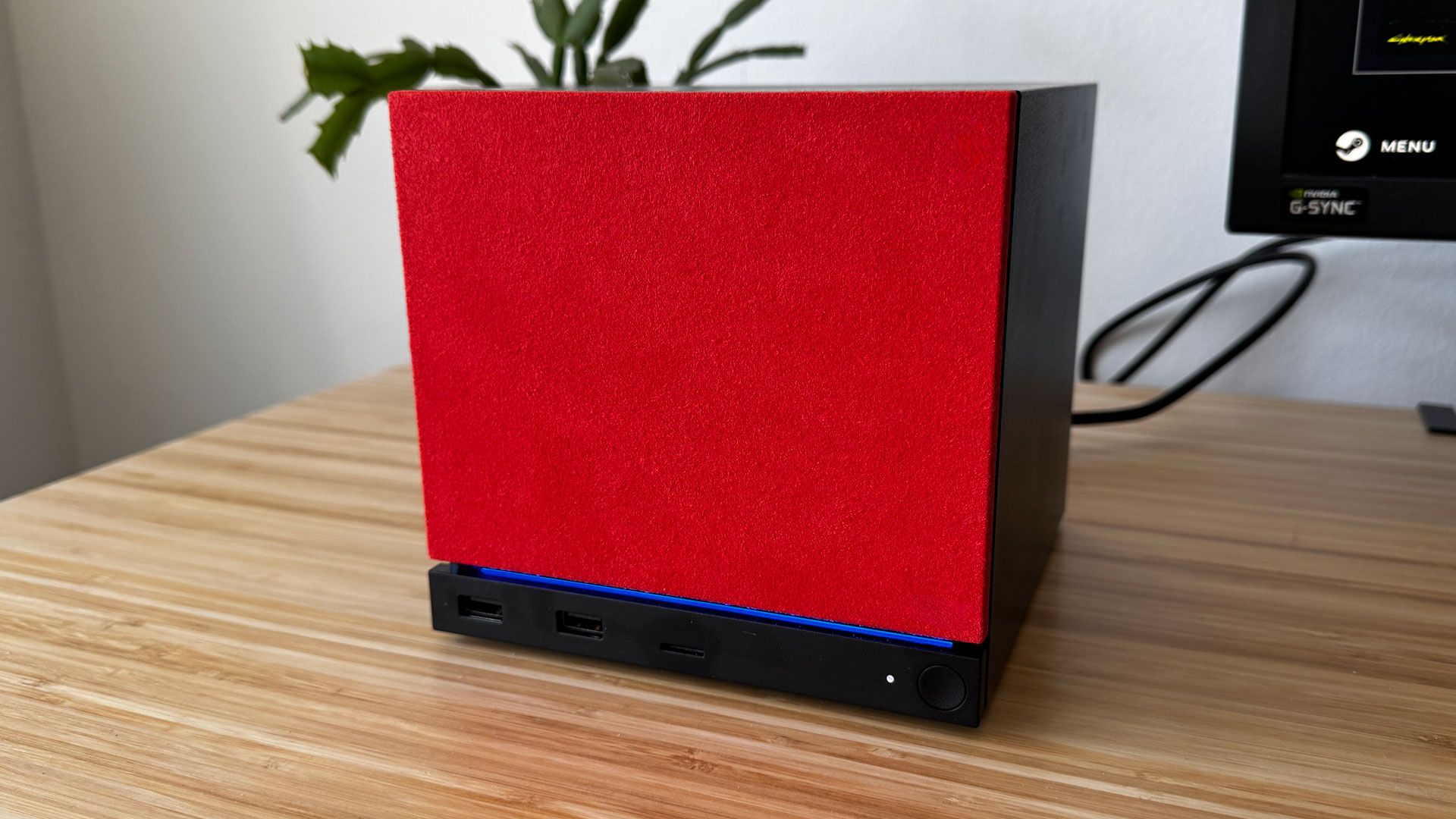
Under the current BIOS, the Steam Machine red LED overheating warning is configured to fire at 95°C on the CPU and 90°C on the GPU, but a bug means the light bar can trigger even earlier, long before those numbers are reached. In practical terms, some users saw the red light come on while monitoring tools showed around 81°C on the CPU and 71°C on the GPU, temperatures that are entirely expected for a compact gaming system under load. Valve has acknowledged that the issue comes from the BIOS rather than the Steam Machine actually overheating, and support staff have been clear that “the issue is just with when the lights are set to come on.” The protection mechanisms—thermal throttling and automatic shutdown if temperatures exceed safe limits—were always there; the bug sat in the software-level sensor calibration that interpreted those readings.
This is the dark side of visible diagnostics. The light bar was supposed to communicate system status at a glance, but vague or overly sensitive warnings can create panic instead of clarity. When a red LED suddenly flares up in the middle of a session, most players are not thinking about misconfigured thresholds—they are thinking their Steam Machine is dying.
Valve’s BIOS Update Fix: Raising the Threshold, Lowering the Anxiety
Valve’s answer is a BIOS update fix that changes the temperature threshold adjustment for the Steam Machine thermal warning. The update will raise the warning threshold to 100°C for both CPU and GPU, up from the current 95°C and 90°C levels, aligning the red LED overheating alert with the point where the system actually begins to protect itself through throttling. After the update, red light warnings will only appear once the CPU and GPU hit 100/100°C, instead of the bugged 95/90°C configuration. Valve says that is also around the point where the Steam Machine starts thermal throttling, and if temperatures continue rising beyond safe limits, the system will eventually shut down to protect hardware. In other words, the fix does not remove protection—it calibrates the warning to show when danger is real, not when the BIOS is overly nervous.
The most important change is psychological. A red LED that means “you are actually close to thermal limits” is useful; one that means “everything might be fine, or not” is noise. By moving the threshold to 100°C for both CPU and GPU and tying the warning to real thermal behavior, Valve is turning the light bar back into a signal instead of a scare tactic.
Why This Matters Most for Console-Style Players
The people most affected by this bug are the ones Valve is courting hardest: players who want a console-like entry point to PC gaming, not a tinkering project. These users are used to clear status lights that mean “good” or “bad,” not thermal nuance. When a Steam Machine’s front bar goes red during long gaming sessions on a powerful, small form factor system, they interpret it as a definitive failure, not a misconfigured Steam Machine thermal warning. That expectation magnifies the impact of any misstep in visible diagnostics: vague or early alerts do not educate; they frighten. The “Red Line of Death” nickname shows how fast a technical quirk can morph into a reputation problem. Once people believe a product is fragile, every flicker looks like confirmation.
By addressing the BIOS-level bug rather than swapping hardware, Valve is sending an important message: the Steam Machine itself is within normal operating temperature for the CPU and GPU, and protection features are already in place. What needed repair was trust in the diagnostic system. The upcoming BIOS update should reduce unnecessary warnings once it rolls out, helping calm fears around the “Red Line of Death.”
A Better Warning System, Not Fewer Warnings
There is a temptation to see this BIOS update fix as Valve “turning off” alarms to silence critics. That misreads what is happening. The update will raise the warning threshold to 100°C for both CPU and GPU specifically so the Steam Machine’s red LED overheating alert lines up with when the device begins to throttle and, if necessary, shut down to protect itself. The system still has the same safety net; the difference is that the red light will no longer cry wolf. If anything, the warning becomes more meaningful: when you see it, you can be confident the machine is genuinely close to its designed limits.
The broader lesson is that visible diagnostics are only as helpful as their tuning. A light bar that is calibrated well can make a compact gaming PC feel transparent and reliable; one that is miscalibrated undermines trust in the entire device. Valve’s temperature threshold adjustment is a reminder that, in a world of smart hardware, software-level sensor calibration is not a minor detail—it is the difference between peace of mind and another urban legend about a “line of death.”