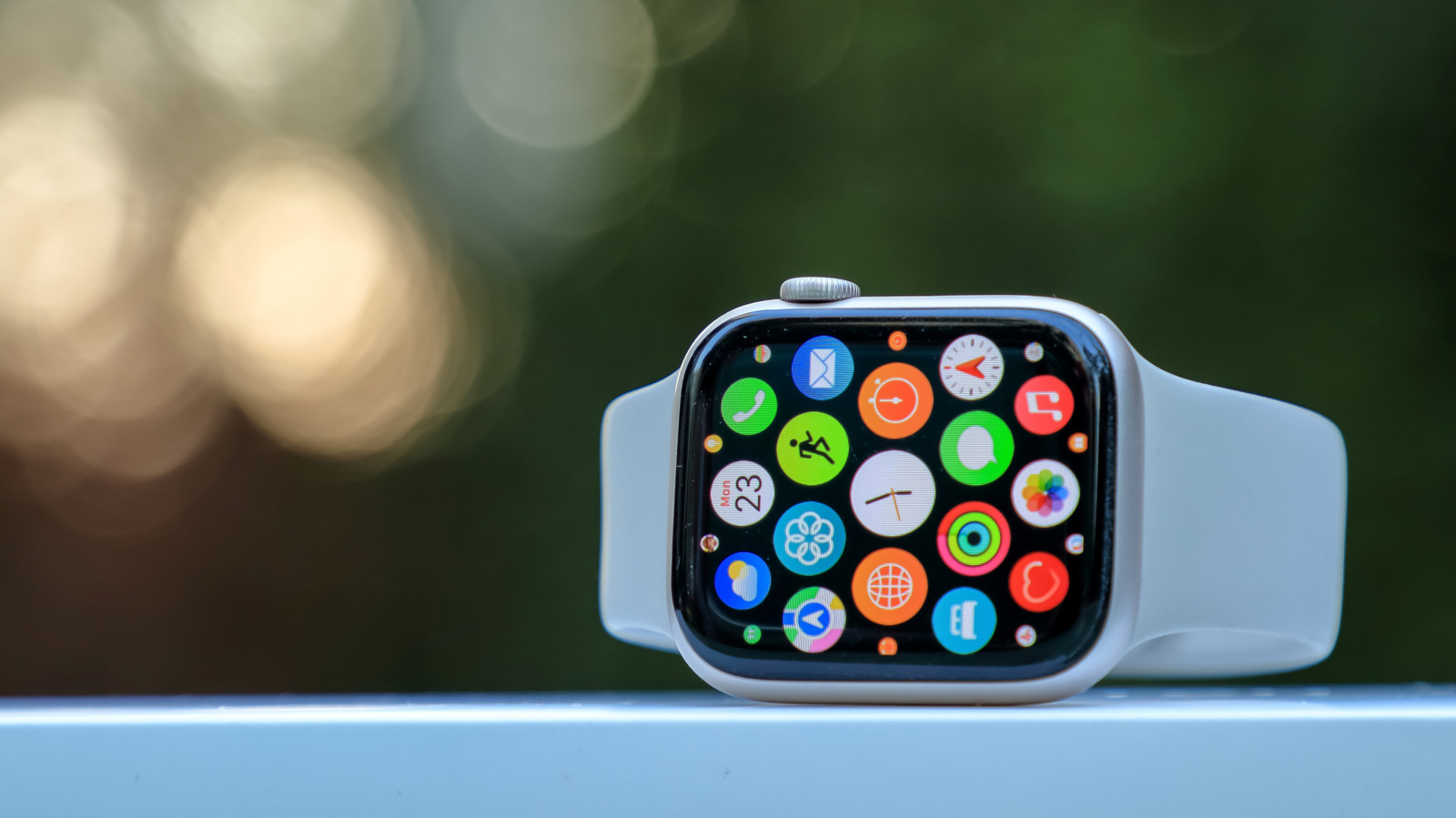

The Bottom Line: Most People Should Start With a Good Budget Smartwatch
A smartwatch buying guide is a structured comparison of premium and budget wearables that explains which health and fitness features matter for different goals, so you can match specific sensors, ecosystem benefits, and prices to the way you exercise, sleep, and manage your wellbeing over time.
For most people, a good budget smartwatch is the smartest buy in this smartwatch comparison. Nearly every modern watch tracks steps, calories, movement, sleep, heart rate, and workouts, and many cheaper models now add blood oxygen, breathing rate, stress, temperature, and even ECG readings. That already covers the needs of casual gym-goers, walkers, and people who mainly want notifications on the wrist. Premium options like Apple Watch, Garmin, or Oura Ring are worth it only if you will use their advanced sensors, coaching tools, and tighter ecosystem integration every day. If you are unsure, start with the best affordable smartwatch you can find from a reputable brand, then upgrade later once you understand what data and features you miss.
Premium Health Features: When Apple Watch, Garmin, Oura and Galaxy Watch Make Sense
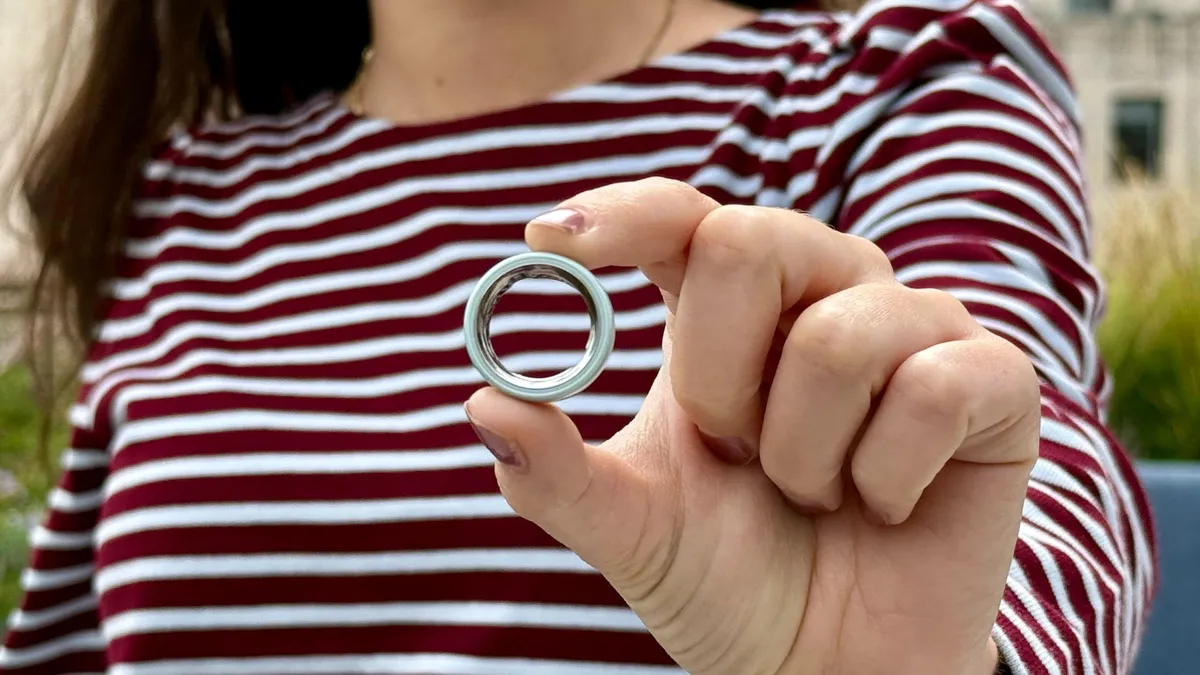
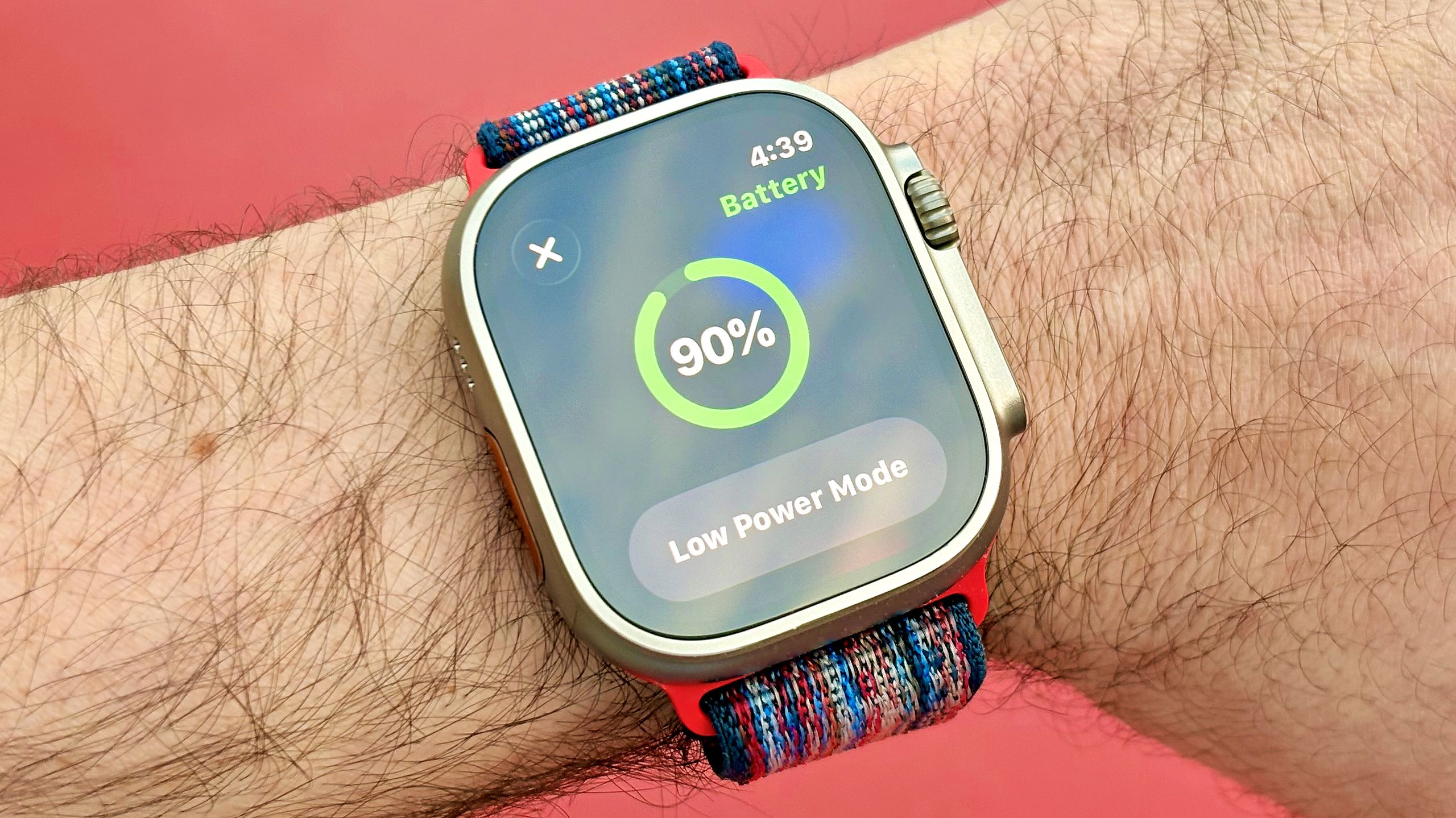
Premium smartwatches focus on health features that go beyond counting steps. Many add richer heart data through ECG-style readings, blood oxygen tracking, breathing rate, and temperature trends. Some Apple Watch models even provide hypertension notifications, which remain unique to Apple Watch Series 9, Ultra 2 and above. Galaxy Watch monitors blood oxygen while you sleep and can detect signs of moderate to severe obstructive sleep apnea based on FDA‑cleared software. Endurance‑sport watches, such as Garmin models, specialize in runners with more detailed performance metrics, while brands like Oura emphasize ring‑based sleep and recovery tracking. These upgrades help if you have medical concerns to discuss with a doctor, train seriously for events, or want deeper insight into sleep and long‑term health. If your primary goal is structured coaching and high‑resolution health data, a premium smartwatch earns its higher price.
One clear takeaway is that premium wearables turn scattered data points into decisions. According to Samsung, Galaxy Watch and Samsung Health analyze sleep, fitness level, and daily energy to provide recommendations that fit into your lifestyle. That kind of guidance—plus specialized features like sleep apnea risk notifications and biological aging indicators—is what you pay extra for with premium devices.
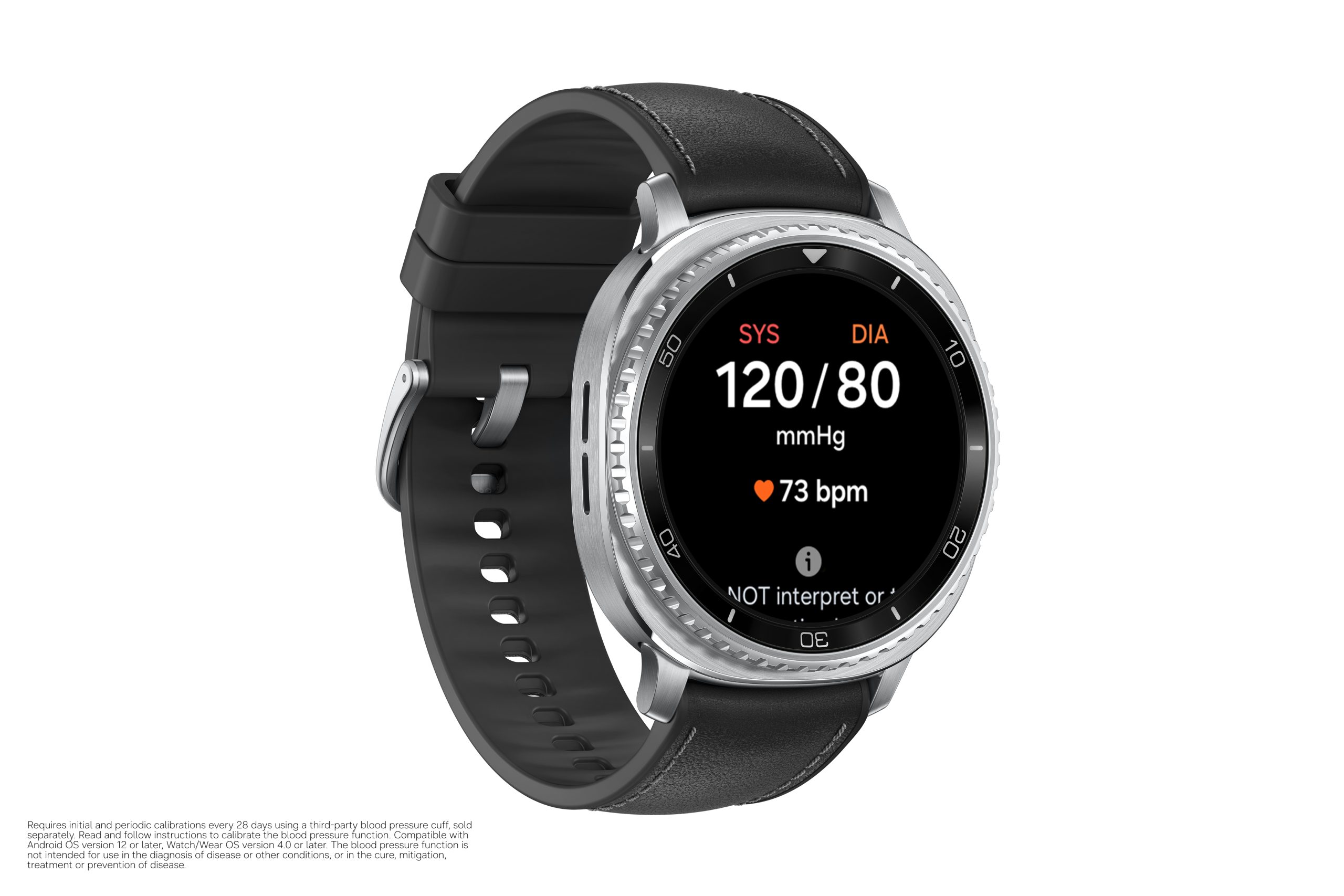
Budget Smartwatches: Core Tracking for Casual Fitness at a Fraction of the Cost
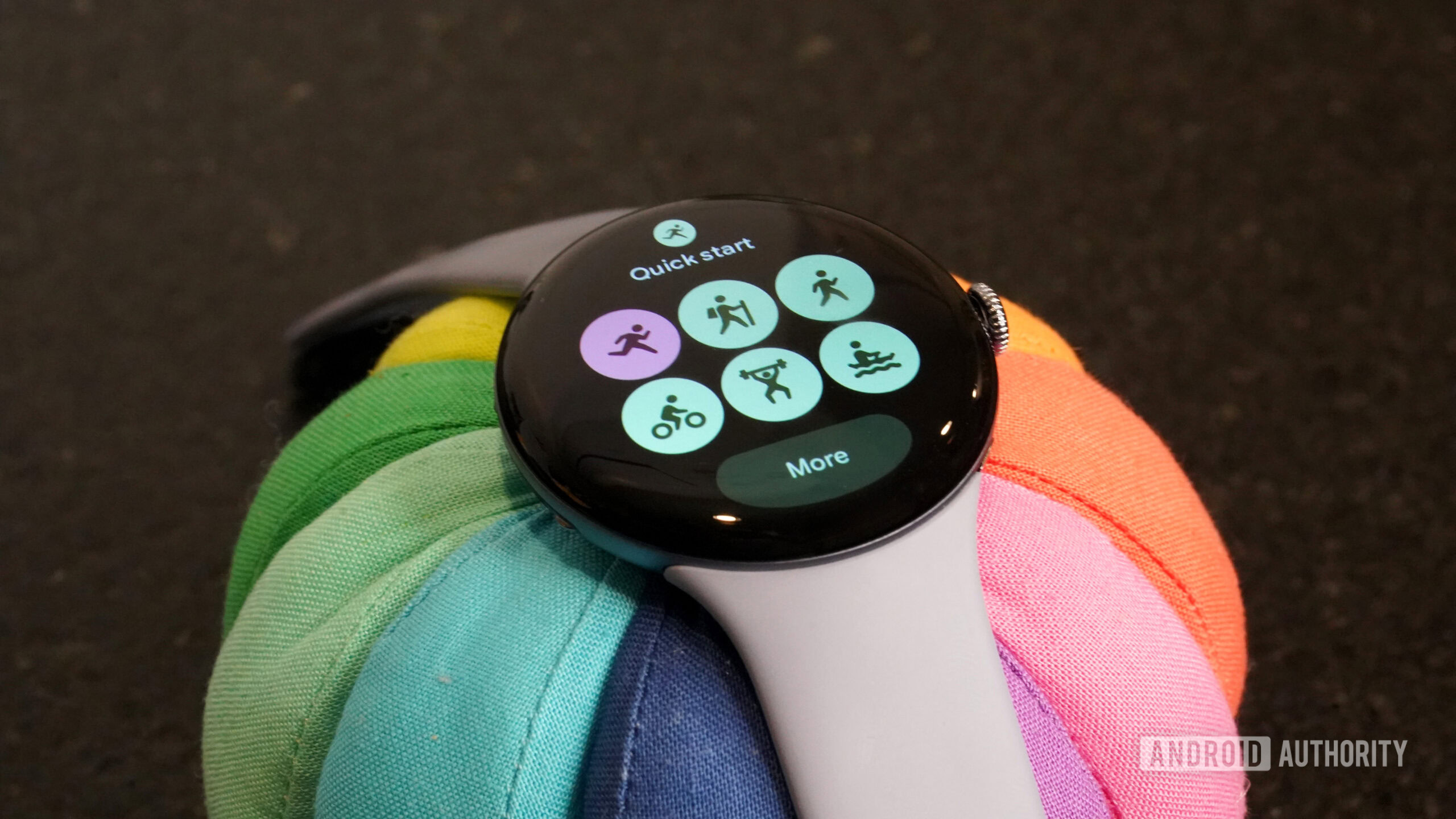
If your goal is basic fitness and habit‑building, a budget smartwatch vs premium model is an easy decision: buy affordable. Pretty much every smartwatch nowadays tracks the basics, like steps, calories burned, movement, sleep, heart rate, and workouts. That is enough to hit step goals, check resting heart rate trends, log runs or rides, and nudge yourself off the couch. Many budget devices now also include blood oxygen, stress tracking, or guided workouts.
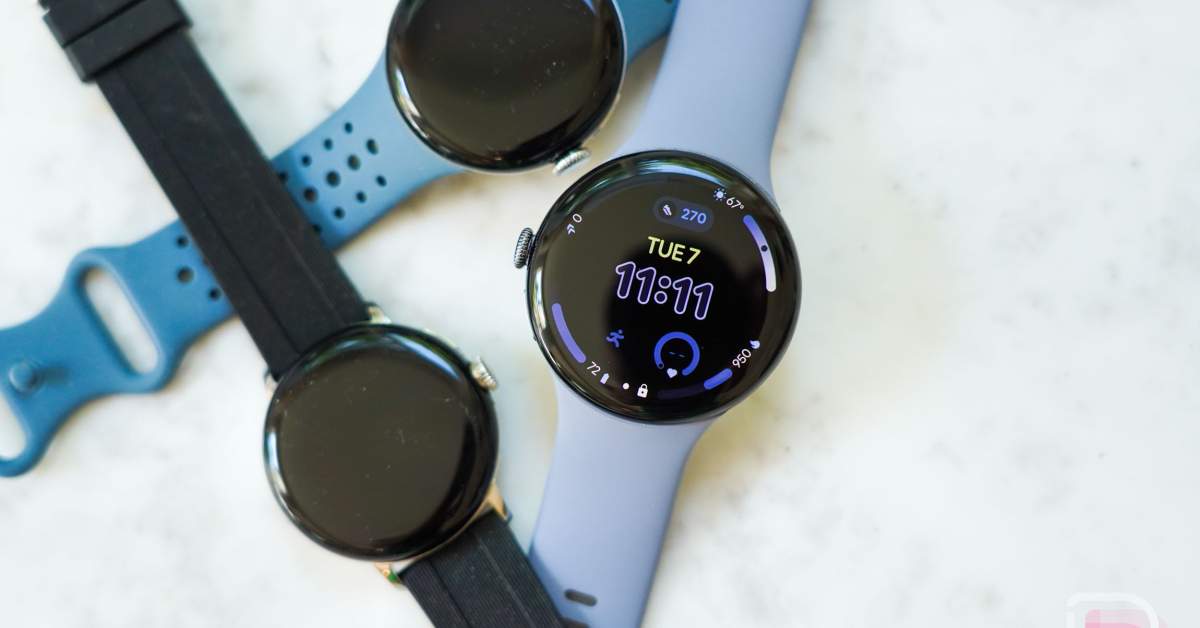
You give up some advanced sensors and glossy extras, but you still get notifications, alarms, basic music control, and often multi‑day battery life. Ecosystem gaps are smaller than they look: while you cannot use Apple apps on non‑Apple watches, you can usually access the same functions through the watch maker’s own apps. You also miss seamless pairing with Apple or branded earbuds, but any Bluetooth headphones will connect for audio. For most casual users, that trade‑off is worth the savings, making a solid budget model the best affordable smartwatch for everyday health tracking.
Ecosystems and Use Cases: Match the Device to Your Fitness Style
Choosing between a budget smartwatch vs premium model starts with your ecosystem and how you work out. High‑end devices shine when they plug into larger platforms. With Galaxy Watch, you get an entire ecosystem of apps and Galaxy AI tools, while Samsung Health pulls together sleep, fitness level, and daily energy into tailored recommendations. Apple Watch ties neatly into iPhone services, while Garmin offers a deep training environment for runners and endurance athletes. Fitbit with its health services also works on iPhones.
By contrast, simpler fitness trackers focus on daily steps and heart rate, and they can still be the right choice if your targets are straightforward. Every fitness tracker has a different approach to health, and different brands emphasize runners, AI‑driven insights, or sleep and aging metrics. If you mainly walk and hit the gym, a budget watch or tracker is enough. If you need structured coaching, detailed running data, or advanced sleep and aging analysis, a premium smartwatch in the ecosystem you already use is the better long‑term fit.
Buy if / Skip if
- Buy the Apple Watch if you want hypertension notifications and the tightest integration with an iPhone and Apple services.
- Skip the Apple Watch if you only need steps, heart rate, sleep, and workout tracking and do not have serious concerns about hypertension.
- Buy the Galaxy Watch if you value holistic insights from Samsung Health, including sleep apnea risk detection, Energy Score, and Bedtime Guidance.
- Skip the Galaxy Watch if your fitness goals stop at counting steps and simple heart rate checks and you do not need an advanced app ecosystem.
- Buy the Garmin‑style premium sports watch if you are a runner or endurance athlete who will use brand‑specific performance metrics and coaching tools often.
- Skip the Garmin‑style premium sports watch if your workouts are short, infrequent, or casual and you do not follow structured training plans.
- Buy the budget smartwatch if you want the best affordable smartwatch that tracks steps, calories, sleep, heart rate, and workouts at a lower price.
- Skip the budget smartwatch if you need exclusive sensors or notifications that are uncommon on budget‑focused devices, such as hypertension alerts or specialized aging metrics.