
Intel Foundry Stops Being a Side Show
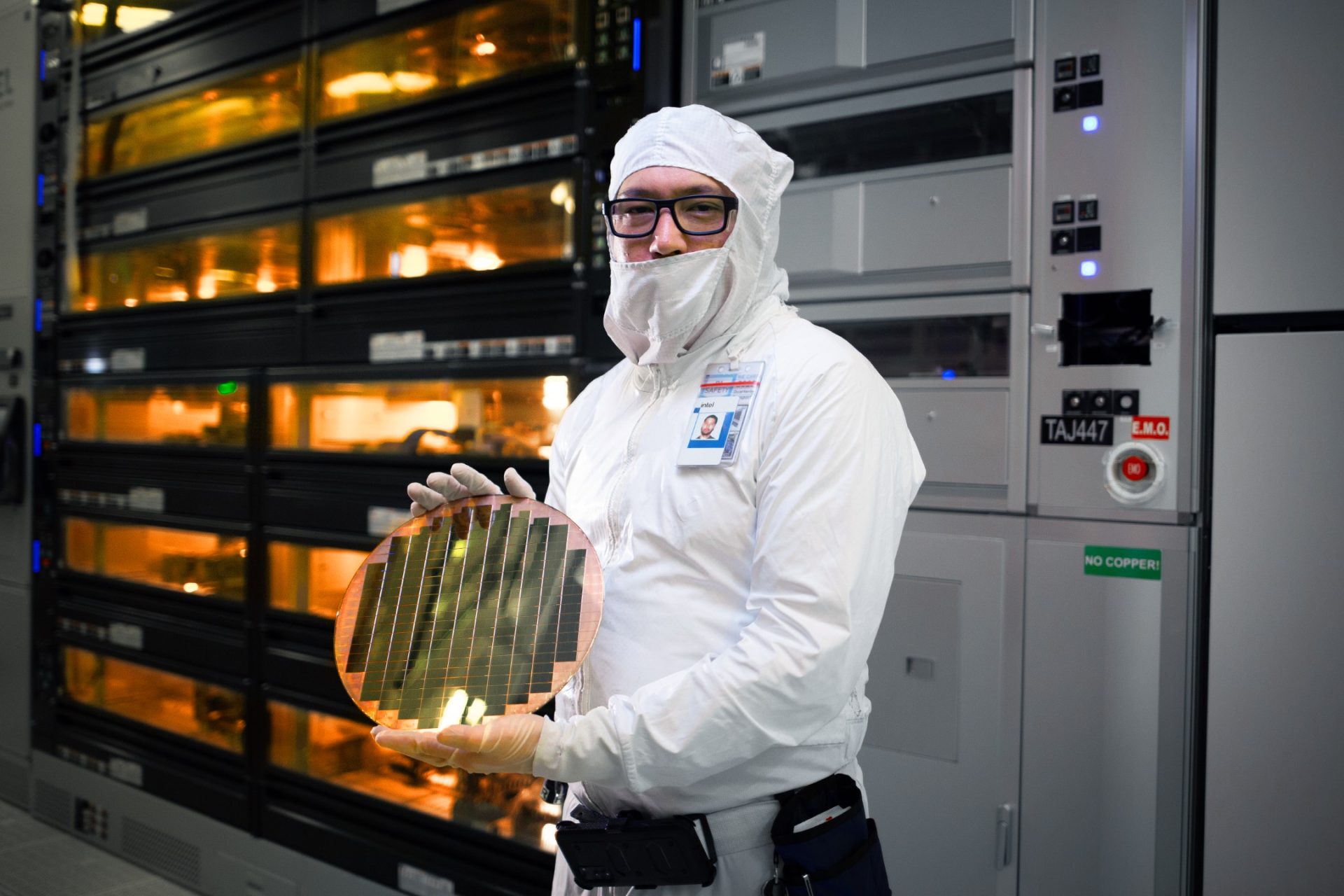
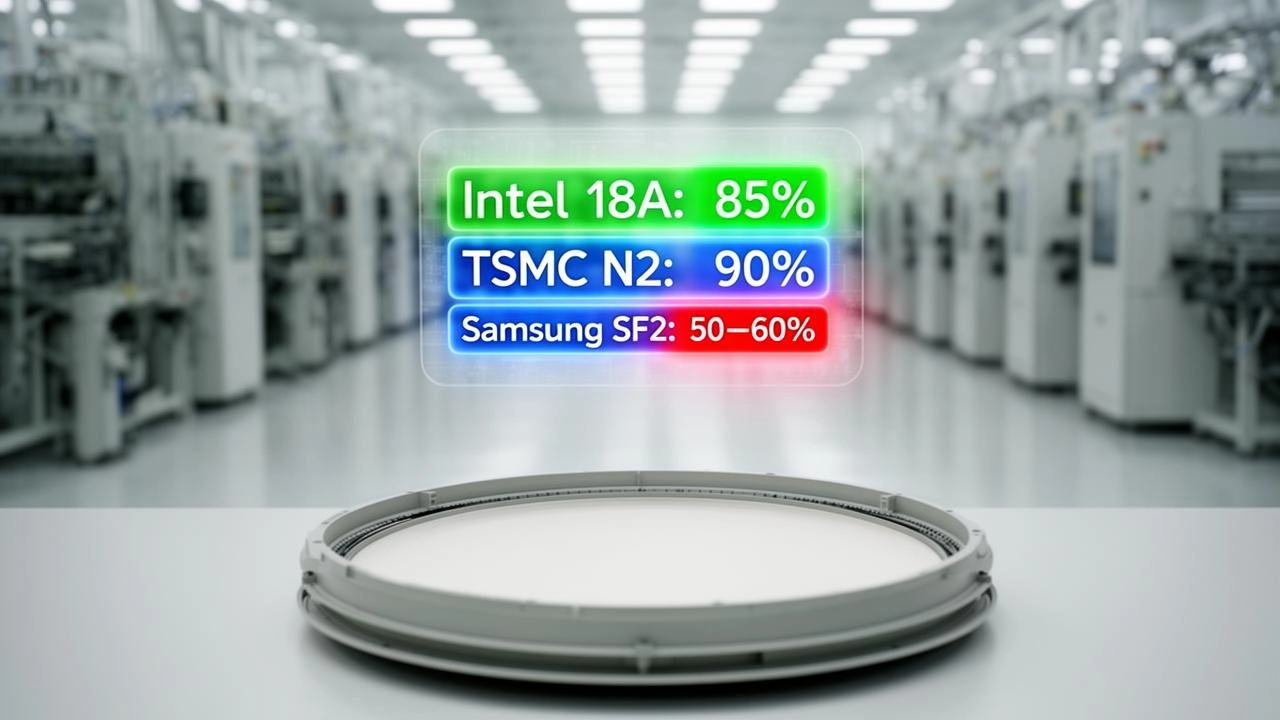
Intel’s foundry business is the unit that manufactures chips for Intel and external customers on advanced process nodes, including Intel 18A and 14A, and it has moved from a struggling internal supplier to a viable alternative for rival designers seeking cutting-edge production capacity and reliable packaging yields in a market long dominated by a single primary provider. This is the real headline behind the recent Intel foundry design wins: the company is no longer just trying to catch up. It is starting to matter in the supply chain choices of its fiercest competitors. The jump in Intel 18A process yield from 65% to 85% means the node has crossed from ambitious roadmap slide to production-grade technology. While still behind the 90% yields reported for a leading 2 nm process and ahead of Samsung’s SF2 at 50–60%, this improvement makes Intel a credible second source for advanced wafers in a world where capacity shortages dictate strategy as much as performance.
Rivals on Intel Silicon: AMD, NVIDIA, OpenAI and More
The most disruptive development is not the yield chart; it is who is willing to ride on it. KeyBanc reports that Intel Foundry has secured design wins with AMD, NVIDIA, Marvell, Microsoft, Micron, and OpenAI on its 18A (including 18A-P) and 14A nodes. According to KeyBanc, “Intel has also won wafer foundry design orders from heavyweight clients including AMD, Nvidia, Marvell, Microsoft, Micron, and OpenAI.” This list cuts across CPUs, GPUs, memory, and AI accelerators, meaning Intel’s fabs could end up manufacturing chips that directly battle Intel’s own products in every major PC and data center category. Instead of a neat split—Intel builds Intel, TSMC builds everyone else—we are heading toward a mesh of cross-dependencies. That will complicate competitive narratives but may ease bottlenecks: when one foundry runs hot, another can pick up some slack, and that can reshape how AMD and NVIDIA plan their launches, pricing, and feature bets.
18A, Nova Lake, and the New Supply Chain Chessboard
Yield is not just a bragging number; it directly changes who trusts which fabs. Intel’s 18A process reaching 85% yield has led Intel to reverse course on its own Nova Lake desktop CPUs. Where it once planned to outsource 60–70% of Nova Lake dies to an external foundry, Intel now intends to bring 80–90% of those orders back in-house. That is a statement of confidence and a move to keep margin and know‑how inside its own walls. Analysts point to two reasons: rising competitive pressure from Intel Foundry made external partners less generous on N2 pricing, and the technical support offered to optimize Nova Lake on that process reportedly fell short of Intel’s needs. At the same time, constrained advanced-node capacity elsewhere has made Intel a more attractive second-source option for fabless chip design firms. This is how semiconductor manufacturing competition plays out now: pricing, support, and capacity are as central as nanometers, and Intel is leaning into all three.
EMIB Hits 98% Yield: Packaging Becomes a Battlefield
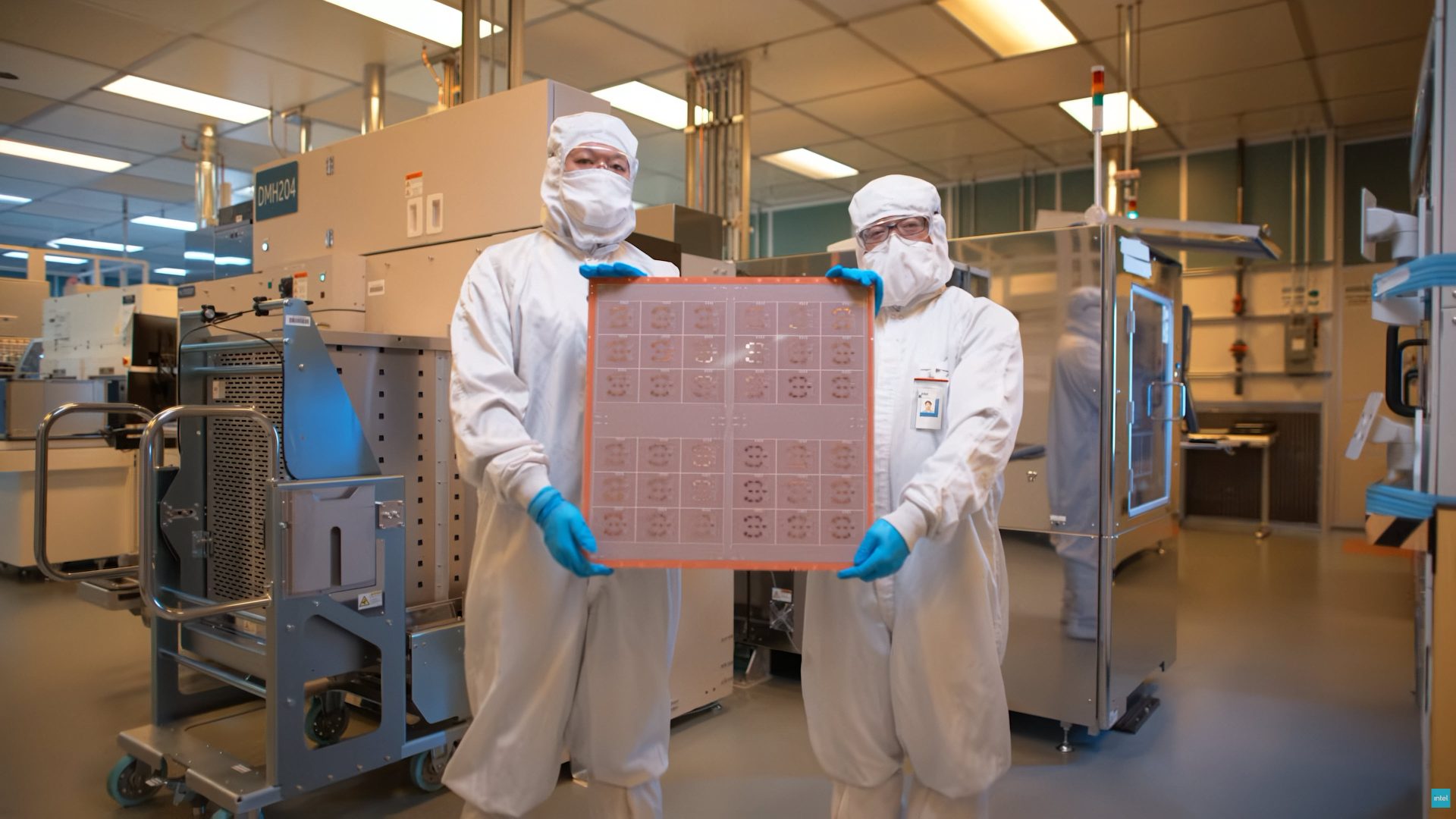
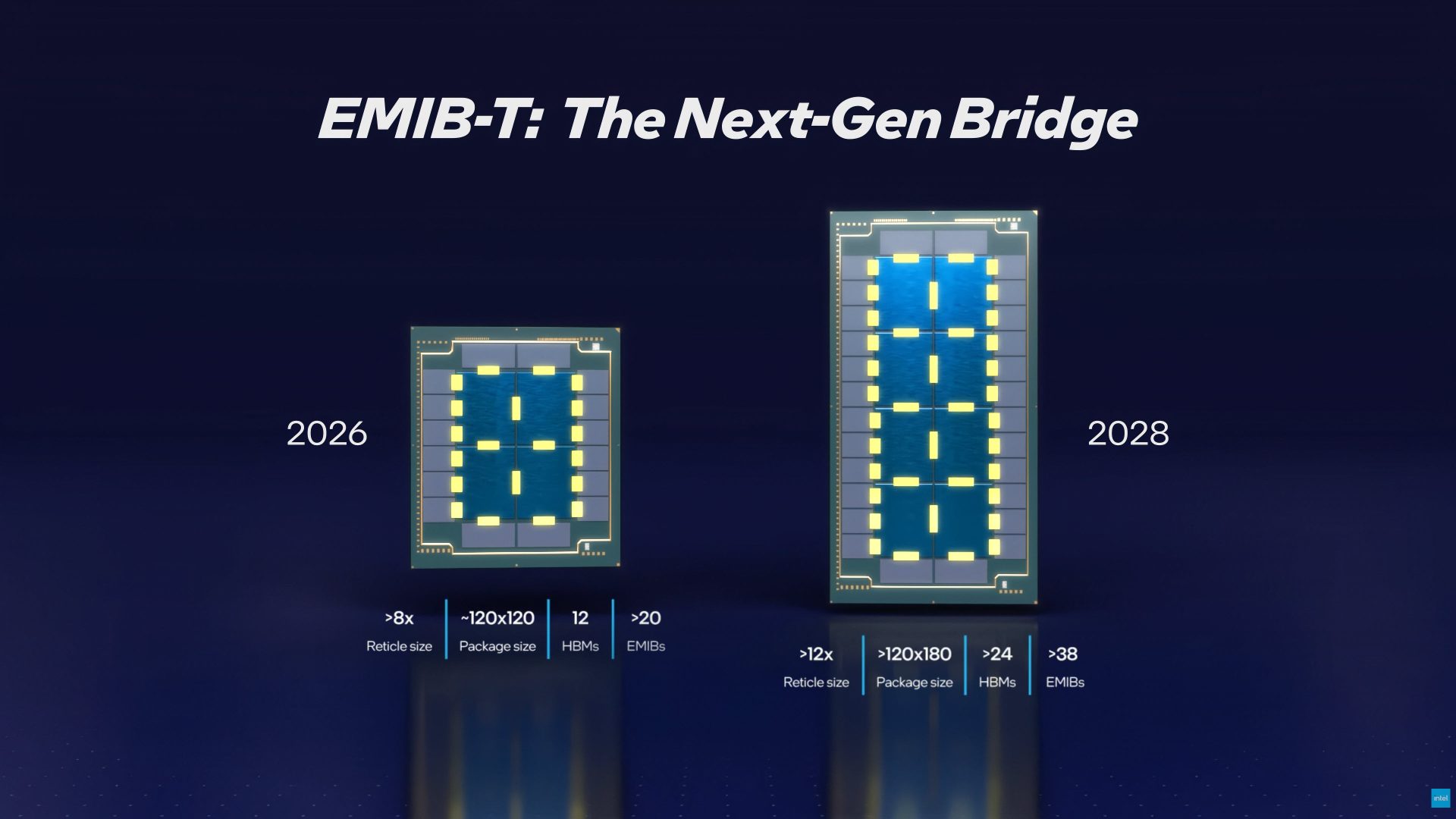
Process nodes are only half the story; packaging decides how multiple dies come together into modern chiplets and accelerators. Intel’s Embedded Multi-die Interconnect Bridge technology, EMIB-T, has reportedly reached a 98% yield, up from 90% just three months prior. That puts it on par with the 98–99% yield levels reported for a leading competing CoWoS packaging technology. With competing CoWoS capacity facing supply constraints, EMIB’s numbers matter. Some alleged customers for EMIB packaging include NVIDIA’s Feynman GPU, Google’s TPU HumuFish, and AWS’s Trainium 3, placing Intel squarely in the packaging path of next-generation AI hardware. Intel is also developing a glass substrate packaging roadmap, aiming for more and larger reticle dies configured around EMIB bridges. If EMIB stays at this 98% “gold standard” yield, packaging choice becomes a weapon in Intel’s foundry arsenal, not an afterthought, and AI chip designers gain leverage against single‑supplier bottlenecks.
From Underdog to Kingmaker in CPU and GPU Competition
Intel’s foundry surge is not only about more revenue through 2030; it is about who gets to define the balance of power in PCs and data centers. When AMD and NVIDIA can choose between multiple advanced fabs, Intel included, the old assumption that process leadership equals market dominance weakens. Rival CPUs, GPUs, memory, and AI chips built on Intel nodes mean Intel will profit from competitors’ success as well as its own. That creates paradoxes. Intel can win financially if an AMD GPU using Intel 18A sells well, even if that GPU competes with Intel’s graphics. At the same time, foundry customers gain bargaining power over prices and support, because no single manufacturer can take their business for granted anymore. Whether Intel Foundry can fully challenge the current dominant player is still an open question, but it has earned a new role: kingmaker in PC hardware competition, not just contender.