
Signal Ring in One Sentence: A Big Promise, Bigger Questions
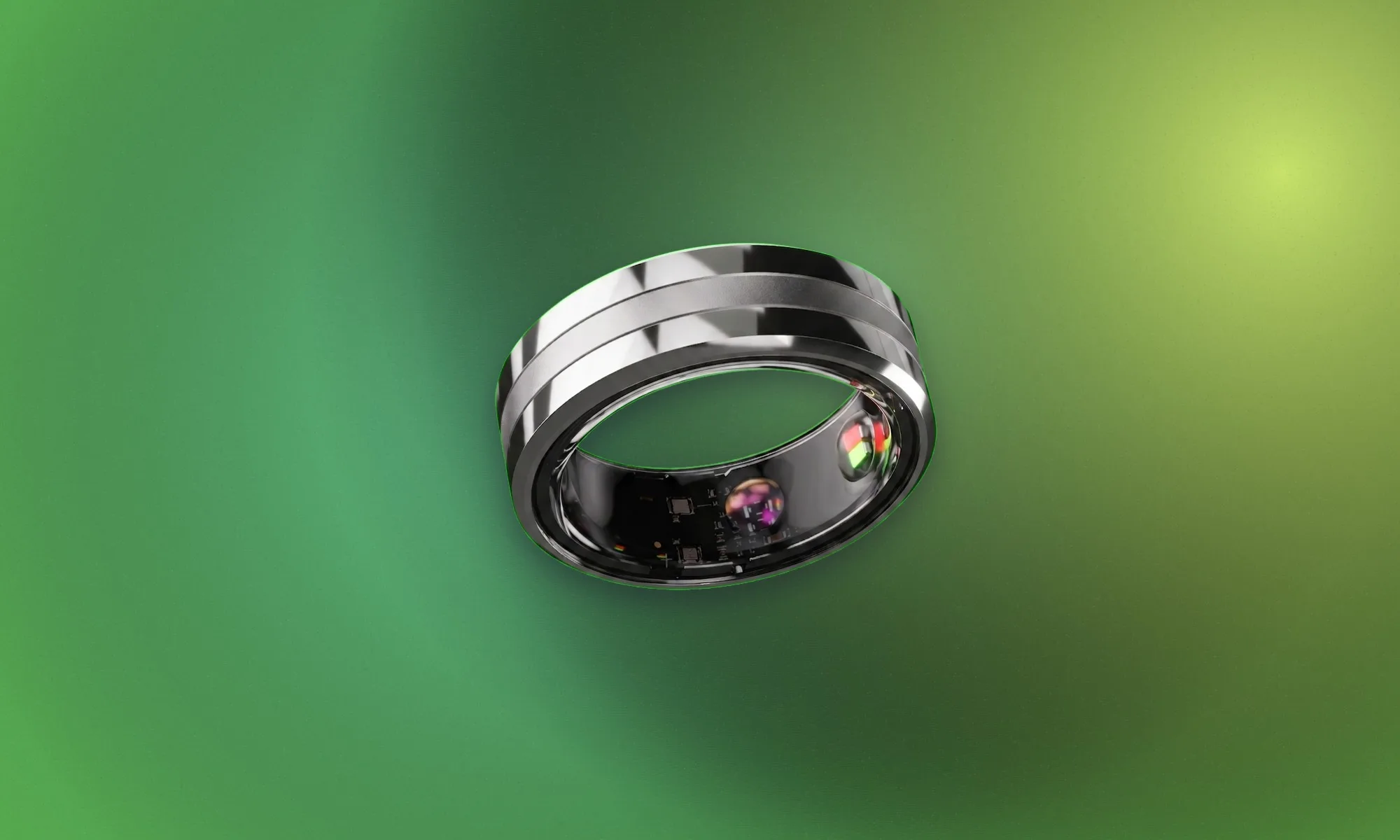
Signal Ring blood pressure monitoring is a new smart ring claim that it can provide continuous, cuffless, calibration‑free blood pressure readings at home, but its lack of regulatory clearance and published clinical evidence makes this promise far more about marketing than medicine. A brand‑new smart ring called Signal Ring launched with an ambitious promise to continuously track blood pressure without an inflatable cuff or calibration, setting it apart from other smart ring health claims. Vital Signals, the startup behind it, says the ring uses custom electronics, a proprietary high‑speed sensor and algorithms to estimate blood pressure from the finger and meet international accuracy standards for blood pressure cuffs. It costs USD 399 (approx. ₱23,000) with preorders open and shipping expected to begin in October, with no subscription fee.
On paper, this looks like a breakthrough for people living with hypertension—a group that includes 48.1% of adults and faces higher risk of stroke and heart disease. If Signal Ring delivers, it could make blood pressure monitoring less disruptive than strapping on a cuff several times a day, especially since the company says readings are four to five times faster than traditional blood pressure trackers. But when a device begins handing out specific blood pressure numbers, the bar shifts from “nice wellness gadget” to “quasi‑medical device,” and that is where the missing FDA approval and unpublished data stop being fine print and start being the whole story.
What Signal Ring Claims—And What It Has Not Proven
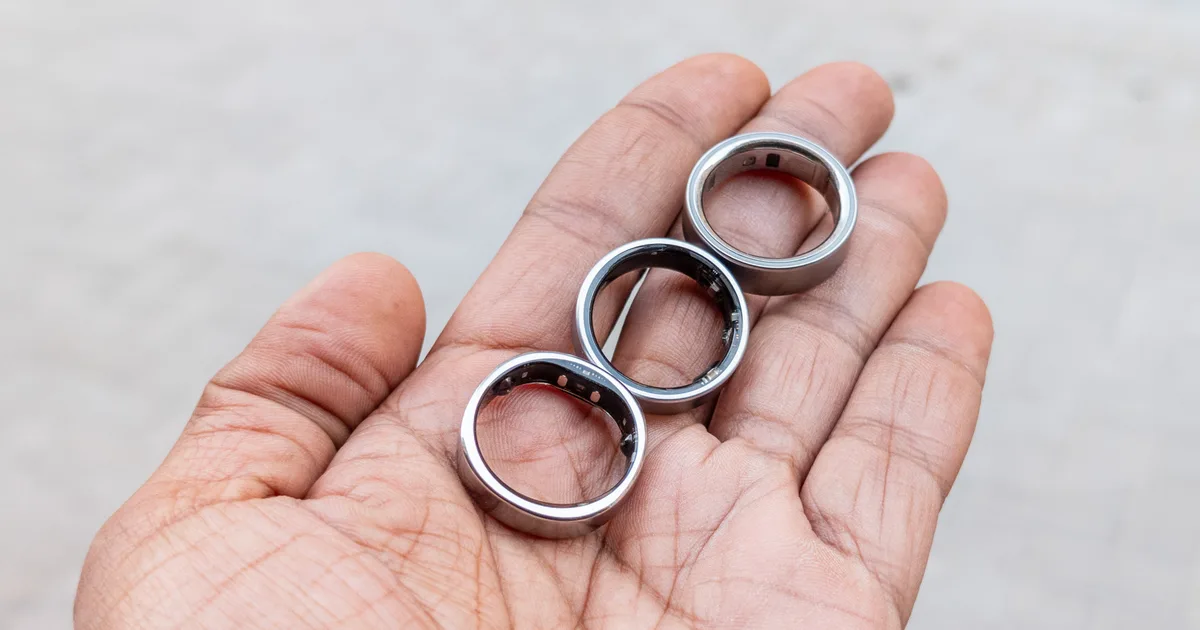
Vital Signals positions Signal Ring as the first smart ring to deliver numerical, cuffless blood pressure readings with no initial or recurring calibration against a traditional cuff. The ring captures blood flow at the finger using optical sensors, then sends data to the cloud where software turns those signals into estimated blood pressure measurements. The company says its proprietary high‑speed sensor captures blood flow in greater detail, allowing algorithms to separate blood pressure from “other changing signals in the body,” and claims that its readings meet international accuracy standards for blood pressure cuffs.
Behind the marketing, however, the evidence is thin where it matters most. Vital Signals cites a 451‑person clinical study and ongoing trials, but those results have not been published in peer‑reviewed journals where independent experts can examine the methods and accuracy. A medical‑grade version is in testing to diagnose hypertension and flag dangerous trends, yet those clinical data are also not public. During a hands‑on demo, some readings were off, and the company blamed ring fit—a serious limitation for a device whose credibility rests on consistent skin contact. In short, Signal Ring is asking users to trust a black box with their blood pressure.
Why Apple Watch and Oura Stay Quiet on Blood Pressure
Signal Ring’s most telling feature is not what it does but what its biggest competitors refuse to do. Other smart wearables, including popular rings and watches, track heart rate, sleep and other trends, and may hint at cardiovascular changes that could indicate hypertension, but they stop short of claiming to replace a blood pressure cuff. Vital Signals, by contrast, “goes further” by printing blood pressure numbers on your phone without asking you to strap on an arm cuff even once.
There is a reason the established players have held back: blood pressure is a clinical vital sign, not a casual wellness metric. Once a device offers specific blood pressure readings, it invites people to adjust medication, ignore symptoms, or delay seeing a doctor based on those numbers. The FDA has warned against relying on unauthorized blood pressure wearables and has issued draft guidance that lays out extensive performance testing expected for cuffless devices. If giant companies with deep regulatory teams still avoid these claims, consumers should ask why a smaller startup feels comfortable sprinting past that line without FDA approval.
FDA Approval and Published Data: The Real Features That Matter
For any device that claims to monitor health—not mood, not movement, but health—FDA approval and transparent clinical data are not optional extras; they are the only basis for trust. Signal Ring’s consumer model has not received FDA clearance, and, as noted above, there are no peer‑reviewed validation studies that show how it performs across different ages, skin tones, body sizes, or heart rhythms. Instead, buyers are asked to rely on a press release summary and a promise that the ring meets unnamed “international” standards.
That gap between promise and proof is not abstract. Inaccurate heart and blood pressure data can create “unnecessary worry or false assurance,” as one cardiology expert put it. A falsely high reading can send someone rushing to emergency care; a falsely low reading can lull them into ignoring dangerous symptoms or skipping a visit to a clinician. When nearly half of adults live with high blood pressure, even a modest error rate can mislead millions of people. Until a cuffless blood pressure monitoring device survives rigorous, published testing and wins regulatory clearance, it should not be treated as a medical decision tool, no matter how sleek the hardware or polished the app.
The Limits of Cuffless Tech—and When a Cuff Is Non‑Negotiable
Cuffless blood pressure monitoring is enticing because continuous data can reveal patterns that a clinic visit misses: nighttime spikes, responses to stress, or trends over weeks. But the underlying technology—usually PPG optical sensors—has well‑known weaknesses. Motion distorts the signal; darker skin tones absorb more light and can weaken it; cold fingers or poor circulation change blood flow without changing blood pressure; irregular heartbeats warp the waveform; and ring fit and finger position add yet more variability. Those are not edge cases; they are everyday realities.
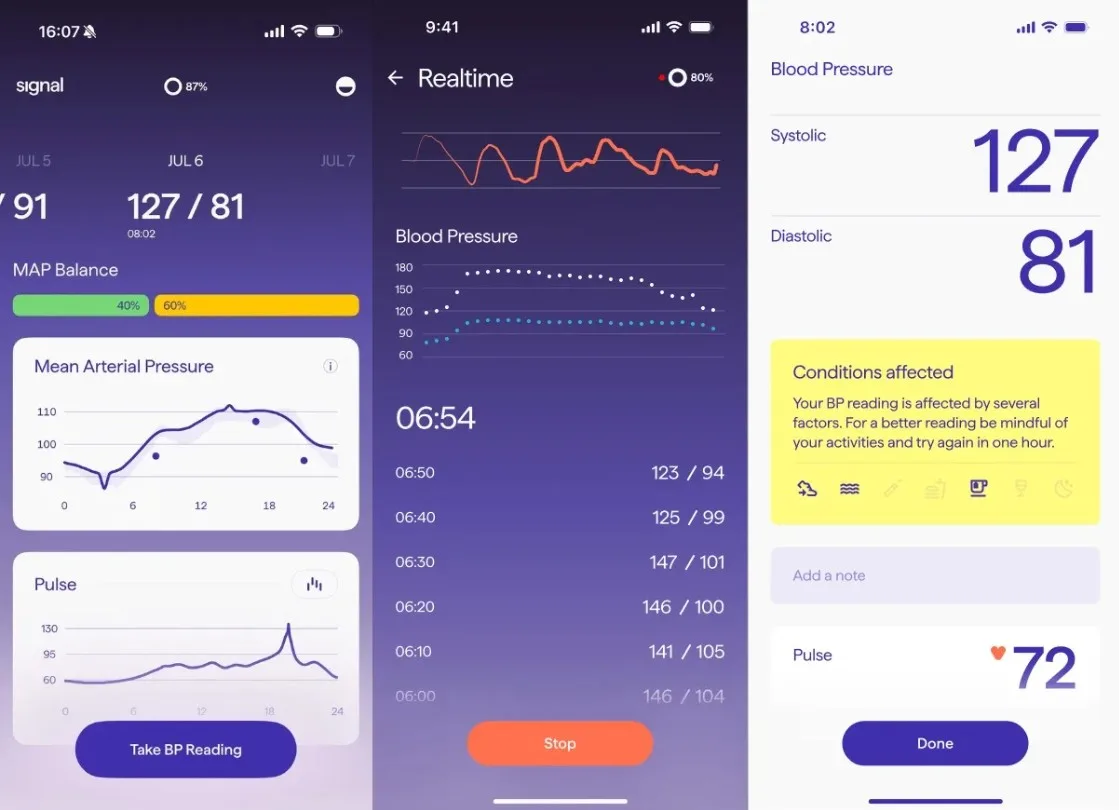
Even Signal Ring acknowledges the need for quiet, seated sessions, with the app pausing if it detects movement or talking because these can throw off results. That is a far cry from the effortless, continuous monitoring implied in much wearable marketing. For now, anyone whose treatment depends on accurate readings should keep using an authorized arm cuff and involve a clinician in their blood pressure plan. The promise of smart ring health claims is exciting, and Signal Ring may someday prove its value, but until its numbers are backed by FDA approval wearables standards and open clinical results, they are best treated as hints—not instructions for your medication or your life.