
The Technical Perfection Myth: Sharp Images, Empty Photographs
The idea that flawless focus, noise-free files, and immaculate sharpness automatically lead to great images is a technical perfection myth, because history shows that photographs become memorable when they carry tension, ambiguity, and human presence rather than when they simply perform well on a lab chart.
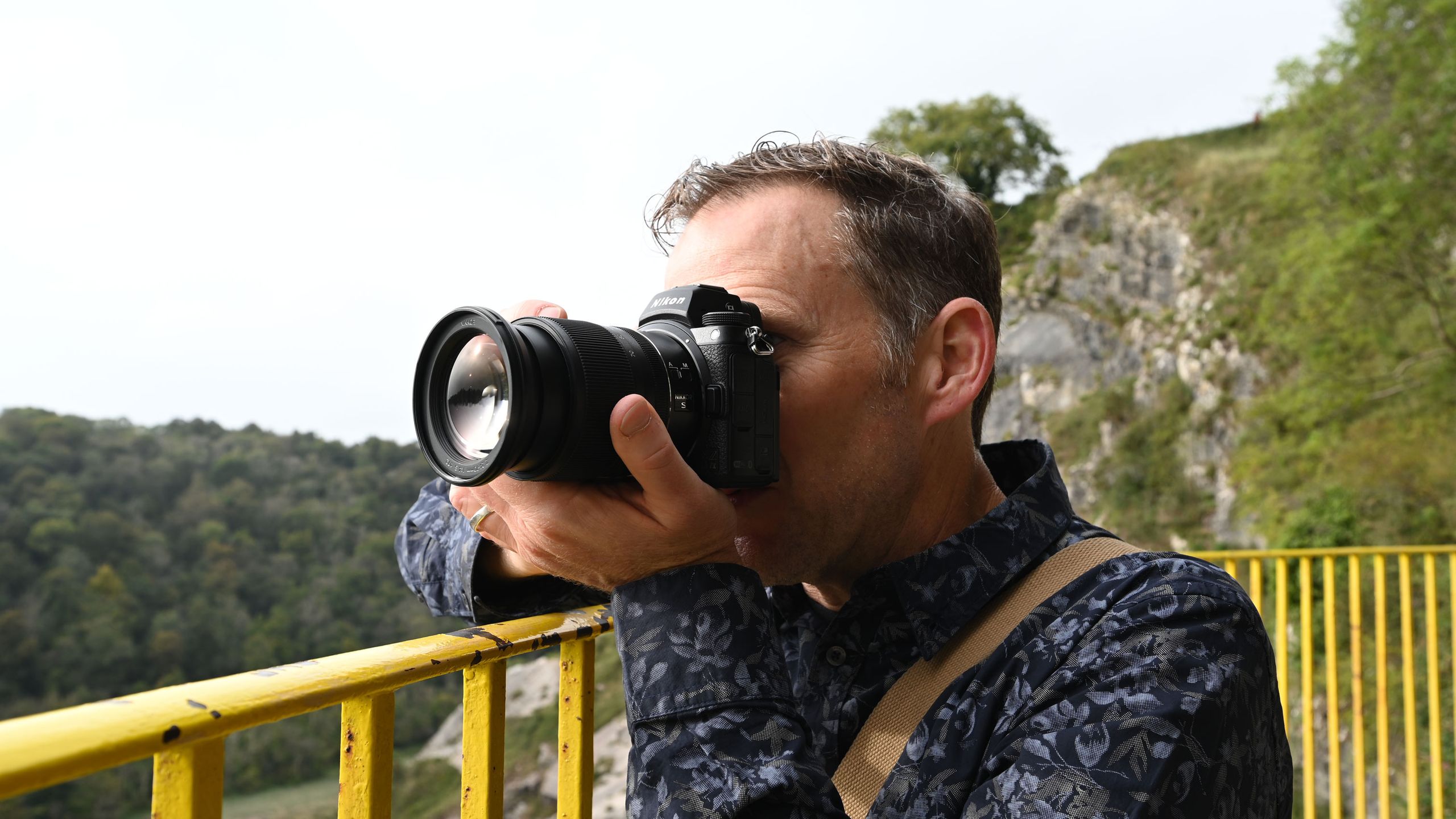
The loudest voices in photography today often treat specifications as salvation: faster autofocus, better subject detection, more dynamic range. It sounds rational, but it hides a fear of ambiguity; if everything can be measured, then meaning can be avoided. The result is “a growing mountain of photographs that are technically immaculate and spiritually sedated,” images so sharp they could cut glass and yet say almost nothing. Good tools help; autofocus is useful and precision matters. But precision is a servant, not a religion, and when it becomes the goal, photography loses its pulse. History has already taken sides by preserving the work that moved people, not the cameras that impressed reviewers.
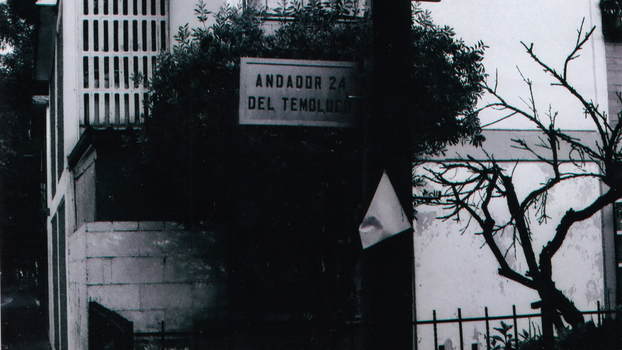
What the Legends Knew: Levitt, Goldin, and the Power of Uncertainty
Look at the photographers whose work still feels alive and you will not find spec sheet worship; you will find people comfortable with risk. Helen Levitt walked through New York with a Leica, no Eye AF, no predictive tracking, no reassuring green boxes — only observation, timing, and a fragile chemistry with the street. Yet her pictures still pulse with intelligence and tenderness because they were built on attention, not automation.
Nan Goldin built a visual language that refuses cosmetic control. Her photographs breathe through flash burns, blur, and scenes bordering on collapse, because human vulnerability does not arrive pre‑calibrated. As one source notes, history chose which images endured “not through laboratory measurements, but through the photographs that remained. Levitt remained. Goldin remained.” They, along with Luigi Ghirri, Guido Guidi, and William Eggleston, embraced uncertainty instead of trying to engineer it away. Their work reminds us that authentic photography moments grow from curiosity and contact with life, not from eliminating every technical flaw.
Contact Sheets: The Proof That Missing Matters More Than Nailing It
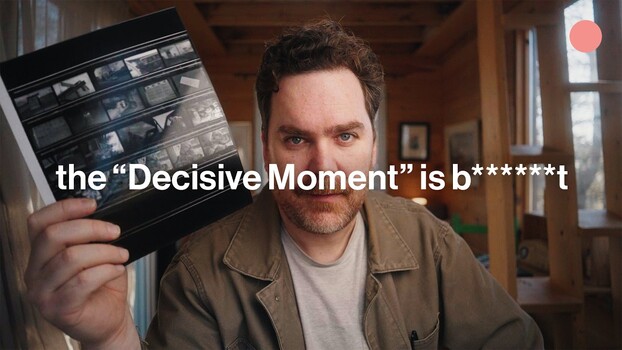
If you think great photographers hit perfection on command, contact sheets will cure you of that fantasy. After a shoot, film photographers printed every frame small on a single sheet to review their work, and some of those sheets now appear in books as undeniable evidence of how mastery really looks in practice.
A contact sheet from Eve Arnold’s famous Marilyn Monroe session shows her working, searching, circling some frames and crossing out others. The iconic image burned into cultural memory was not one decisive click; it was the result of a working session. The same pattern appears in Dorothea Lange’s “Migrant Mother” and Elliott Erwitt’s Chihuahua photograph, where significant cropping reshaped the final frame. According to one analysis, “Instagram shows you the one frame out of a thousand. The contact sheet shows you the other 999.” Missing most of your shots is not evidence that you are failing; it is evidence that you are editing, which is where photographs become timeless.
Authentic Human Moments Beat Flawless Execution
Perfectionists struggle with one scandalous idea: the most affecting photographs are often technically imperfect because life is imperfect. The cult of certainty hides a fear of ambiguity, yet ambiguity is where meaning lives. When photography is reduced to quantifiable performance, we get camera tests disguised as art and a growing archive of spiritually sedated pictures.
What stays with us tends to be quieter and stranger. Much of human communication does not pass through words; we read posture, movement, hesitation, distance, rhythm, and countless small signals we exchange without noticing. The images that endure share a pattern: “They happened before anyone felt the need to perform, explain themselves, or acknowledge the camera.” Authentic photography moments matter more than flawless execution because they respect the subject’s inner life. Technical control is helpful only when it serves that purpose instead of sterilizing it.
Street Photography: Presence Over Settings
Street photography is the clearest rebuttal to the technical perfection myth, because its power comes from unrepeatable human interaction, not controlled conditions. Many imagine street photographers hiding behind corners with long lenses like nervous ninjas, but one practitioner describes standing in plain sight with a normal or moderately wide lens, visible to everyone around. In this approach, the photographer is present without becoming the event.
The moment you stop someone, introduce yourself, or ask permission, the picture changes into a record of your interaction; your presence becomes one of the forces shaping the scene. For street work driven by authentic interaction, that is often the wrong kind of influence. The aim is “allowing life to remain itself for just long enough to become a photograph,” not bending it around your camera. That is the heart of street photography techniques that matter: protect the brief moments that belong entirely to the people living them, and avoid interrupting them even as you press the shutter. Perfect settings cannot replace that discipline of restraint.