
HSS vs ND Filters in Plain Language
HSS flash sync and ND filter flash are two flash synchronization techniques that let you balance ambient light, aperture, and shutter speed so you can add flash in bright conditions without ugly black shutter bands, overexposure, or losing creative control over depth-of-field and motion blur.
If you like moving fast outdoors and adding a touch of light to portraits, high speed sync suits you better; if you chase dramatic, high-contrast flash or motion blur, ND filters are usually the stronger tool. Both approaches solve the same core problem: your camera’s flash sync speed, usually around 1/200 s, beyond which a normal flash gives you a black bar because the rear curtain blocks part of the frame. HSS gets around this by pulsing the flash so you can shoot at 1/1000, 1/4000, or even 1/8000 s, while ND filters cut ambient light so you can keep shutter speed at or below sync. There is no free lunch, though; each method brings its own compromises and costs.
| Spec / Factor | HSS Flash Sync | ND Filter Flash |
|---|---|---|
| How it works | Flash pulses many times during exposure so it covers the moving slit of the shutter at high speeds. | Dark glass reduces ambient light so you can stay at or below sync speed while using wide apertures. |
| Usable shutter speed range | Above the camera’s sync speed (for example 1/400–1/8000 s) with no black bar. | At or below sync speed (for example 1/160–1/200 s), plus slower speeds for creative blur. |
| Flash power impact | Loses around 1–2 stops entering HSS and up to 4–5 stops at the highest shutter speeds. | Keeps full flash power; a 3–5 stop gain over HSS at equivalent exposures. |
| Best for | On-the-go daylight portraits, quick fill flash, shallow depth-of-field when you don’t need maximum flash power. | Dramatic, high-contrast flash portraits and slow-shutter motion blur between 1/10 and 1/125 s. |
| Gear and price | Requires HSS-capable flash and often compatible triggers; no extra glass on the lens. | Requires quality ND filter; good ND filters start at USD 100 (approx. ₱5,600), with very good ones around USD 250 (approx. ₱14,000). |
| Operational hassle | Toggle a feature in camera/flash and expose as usual; no extra handling on the lens. | Mount, remove, and possibly adjust the ND; you must factor its strength into every exposure change. |
When HSS Flash Sync Is the Better Choice
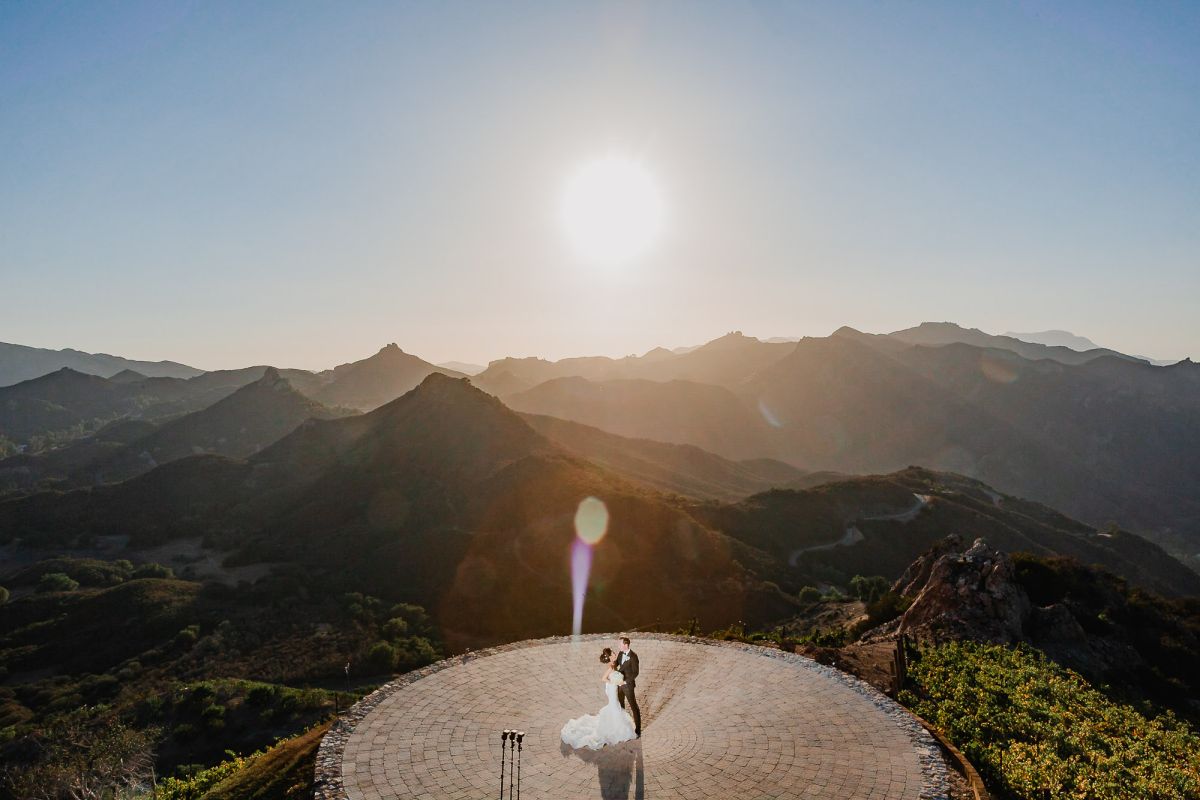
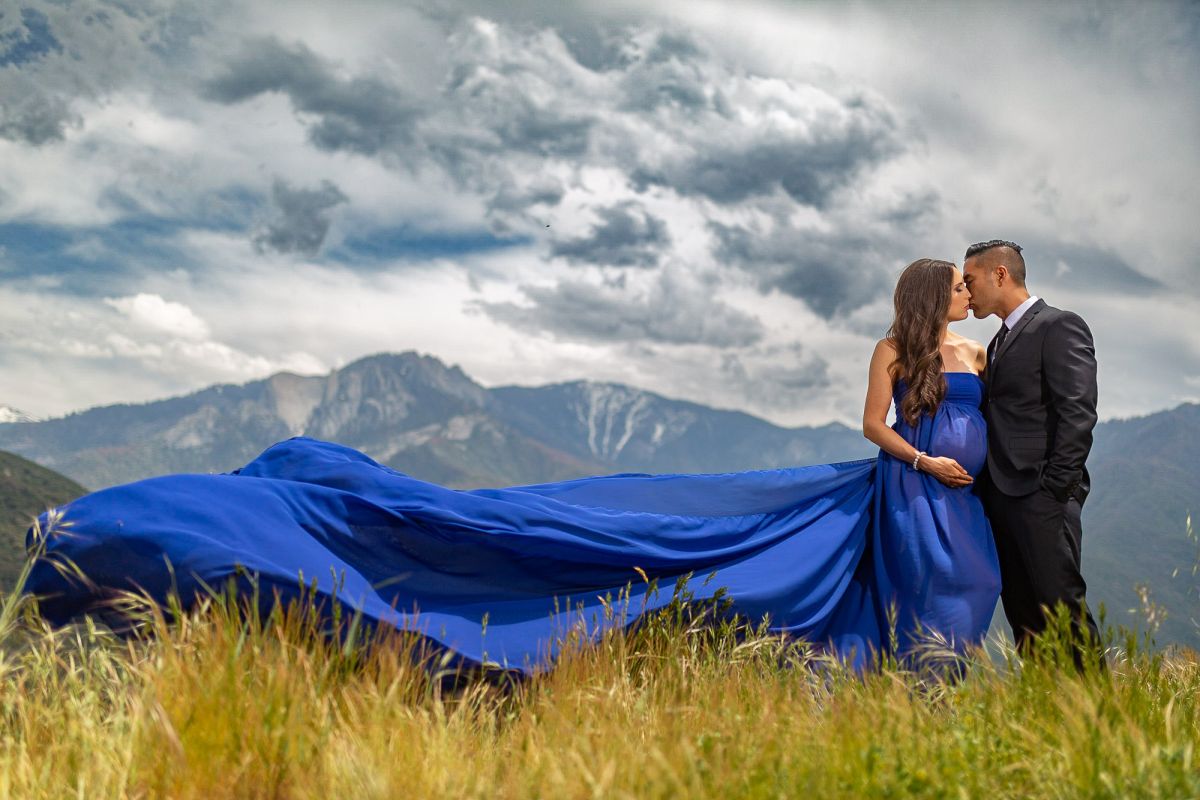
HSS flash sync shines when you want freedom to pick any shutter speed flash exposure needs, especially in bright daylight portraits with shallow depth-of-field. As soon as you enable high speed sync on a compatible flash (and sometimes in the camera menu), you can raise your shutter speed far past your usual 1/200 s sync speed without black bands. That means you can comfortably shoot at f/2 or f/2.8 in midday sun, using shutter speeds around 1/2000–1/4000 s, and still add fill light. It is fast, flexible, and ideal if you work hand‑held, move a lot, and mainly “add a little bit of light” to natural-light scenes rather than overpower the sun.
The trade-off is power. Because the flash must pulse repeatedly during the exposure, it cannot deliver full output; you lose about 1–2 stops as soon as you exceed sync and up to 4–5 stops at 1/8000 s. This matters if you want dramatic contrast or shoot at distance, since you may run out of power even at high ISO. HSS is also less efficient for long bursts, as recycle demands increase. According to the flash & lighting guide, “you’re going to be facing a challenge” whichever method you choose, but HSS clearly favors convenience over raw punch.
Why ND Filter Flash Unlocks Creative Shutter Speeds
ND filter flash takes the opposite approach: instead of speeding up the shutter, you darken the scene so you can stay within normal sync speed or even slow it down for motion blur. A neutral density filter acts like sunglasses for your lens, cutting ambient light so you can open up your aperture without blowing highlights. With a 5‑stop ND, an ambient exposure that would demand around 1/3000 s at f/1.2 can become 1/100 s at the same aperture, letting you sync flash at a slower shutter speed flash setting. You keep full flash power, gaining roughly 3–5 stops over HSS at equivalent settings, which is perfect for bold, high-contrast looks.
This slower range—roughly 1/10 to 1/125 s—also happens to be a sweet spot for handheld creative blur, where part of the frame stays sharp while motion streaks through. That could be people moving through your composition or cars crossing the frame while your subject remains defined. In bright daylight, you often cannot reach these shutters without overexposure, so an ND filter becomes essential. The downside is extra gear and math: you have to buy a good ND (quality options start at USD 100 (approx. ₱5,600) and go up to around USD 250 (approx. ₱14,000)), mount it, and constantly consider its strength when adjusting exposure.
How to Decide: Light, Depth-of-Field, and Motion
Choosing between HSS vs ND filters comes down to three questions: how bright is the ambient light, how shallow do you want your depth-of-field, and is motion blur part of your creative idea? If you are in harsh sun but only need subtle fill flash and a soft background, HSS is usually enough: turn it on, dial in your preferred aperture, and raise shutter speed until the ambient looks right. You trade some flash power for speed and simplicity, which is acceptable when the flash is supporting the scene instead of dominating it.
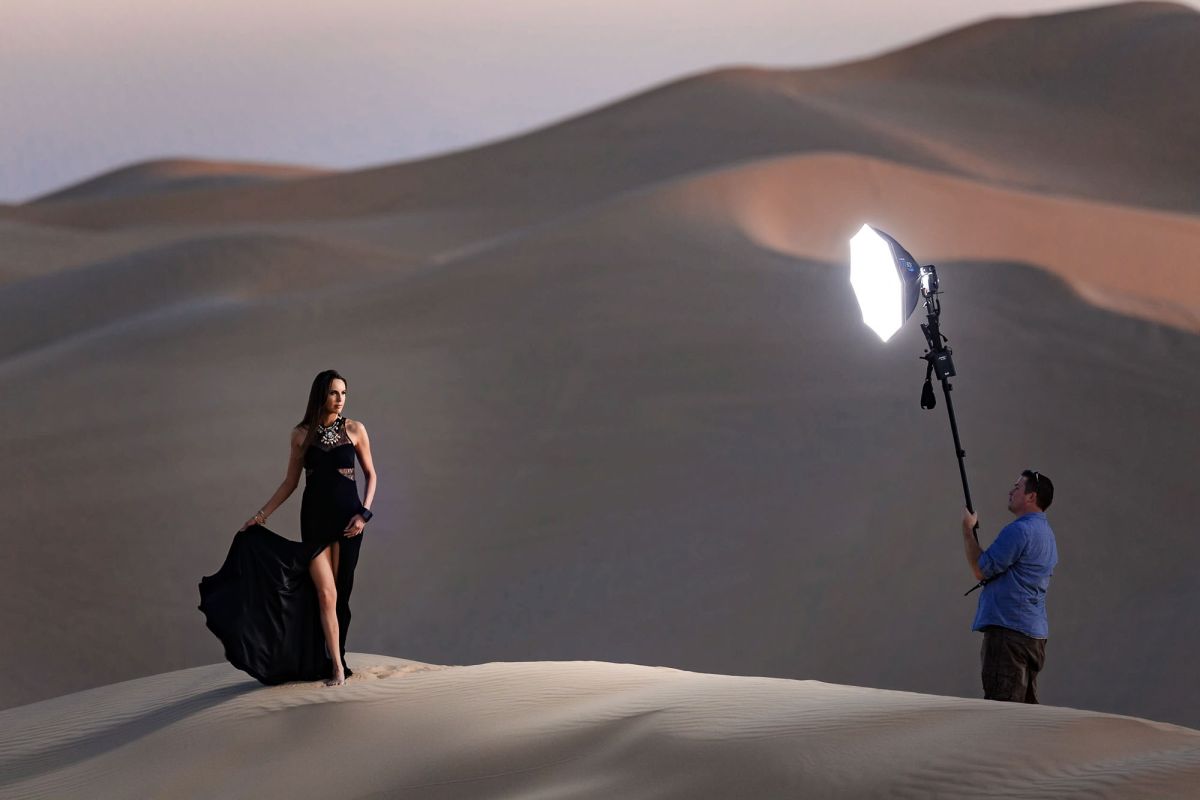
If, instead, your style leans toward “flash as the hero”—darkened backgrounds, rim light, or overpowering the sun—ND filters make more sense, since they preserve every bit of flash power. They also open the overlooked zone of 1/10–1/125 s where subject or background motion adds life to portraits and street scenes. There is no universal winner: both methods share the caveat that something must give, whether it is flash power, exposure flexibility, or workflow speed. Decide based on how you like to shoot first, then on your budget and willingness to manage extra glass on the lens.
Buy if / Skip if
- Buy the HSS setup if you often shoot fast-moving outdoor portraits and want quick, convenient high speed sync for bright-light fill flash.
- Skip the HSS setup if your style relies on overpowering midday sun or dramatic high-contrast lighting at distance, where lost flash power becomes a deal-breaker.
- Buy the ND filter setup if you want maximum flash power, ultra‑shallow depth-of-field at f/1.2–f/2, and control of creative motion blur between 1/10 and 1/125 s.
- Skip the ND filter setup if you dislike handling extra gear, removing and adjusting filters, and doing exposure calculations around ND strength.
- Buy the HSS setup if you are an on-the-go, rapid-fire photographer who mainly adds a “little bit of light” rather than building the whole frame around flash.
- Skip the ND filter setup if your budget cannot stretch to quality ND glass, since good ND’s start at USD 100 (approx. ₱5,600) and very good ones reach about USD 250 (approx. ₱14,000).