
The Full Frame Myth Is Holding Your Photography Back
The full frame myth is the widespread belief that only cameras with a 35mm-sized sensor can produce professional image quality, when in reality sensor size is only one variable among many and, for most photographers in normal conditions, technique, light, and lens choice matter far more than whether they shoot full frame or crop sensor.
The debate around crop sensor vs full frame refuses to die, fuelled by the lazy claim that “full frame is always better.” That sounds decisive, but it is wrong. A crop sensor is simply any sensor smaller than the 36×24mm full frame standard, including APS-C and Micro Four Thirds formats. These smaller sensors are not “toy” formats; they are different tools. For most photographers shooting most subjects in reasonable light, sensor size is not what limits image quality; technique, light, timing, and lens quality matter more than whether the sensor is 36mm wide or 24mm wide. Believing otherwise keeps you shopping instead of shooting.
What Sensor Size Really Does to Your Images
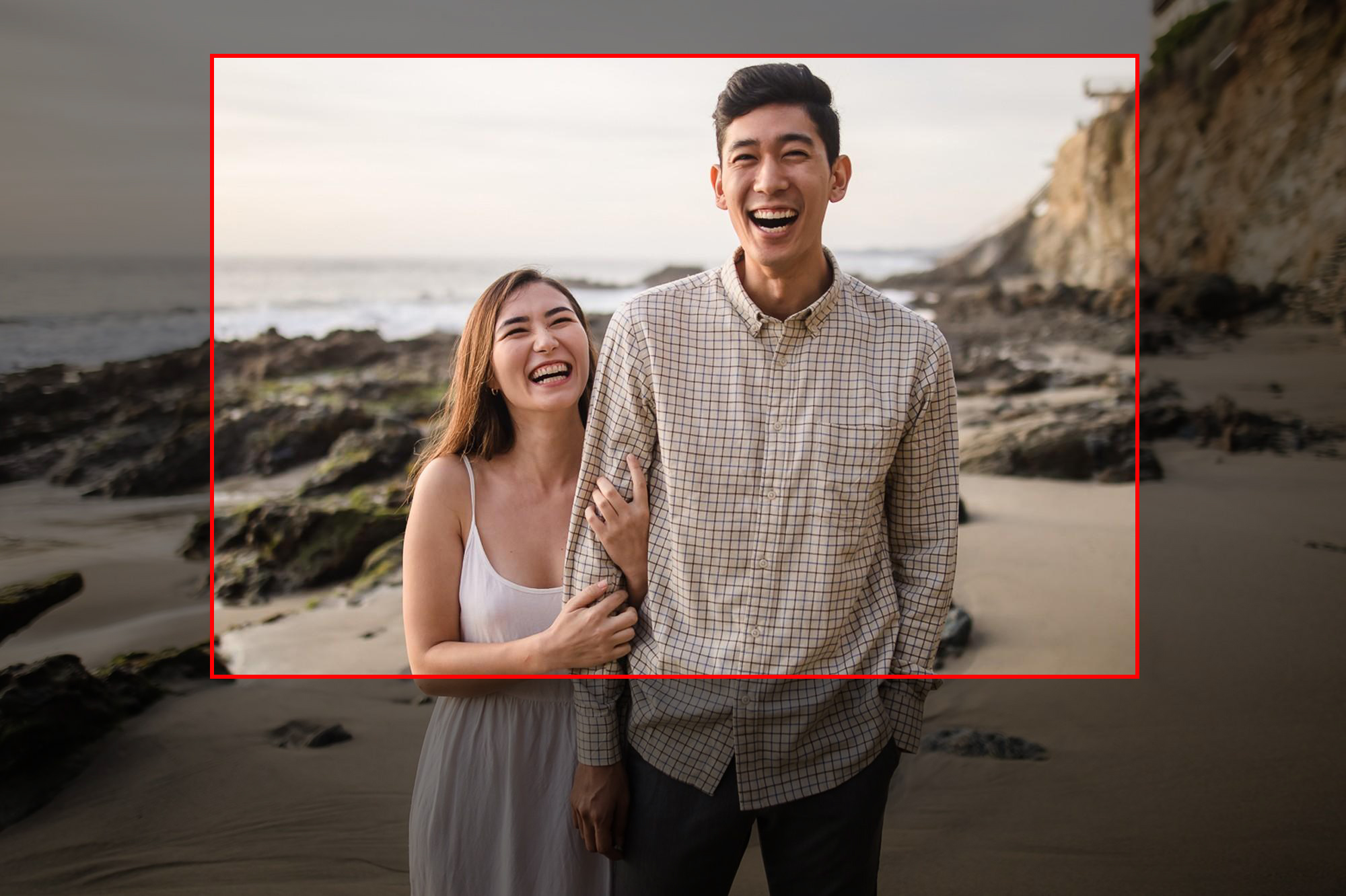
To use your camera well, you need to understand what sensor size affects, and what it does not. A smaller sensor crops the image circle, narrowing the field of view compared to full frame when you use the same lens from the same position. That is why a 50mm lens feels tighter on APS-C than on full frame. This crop factor is not a flaw; it is free reach for telephoto work and a reason wildlife and sports shooters often favor crop bodies.
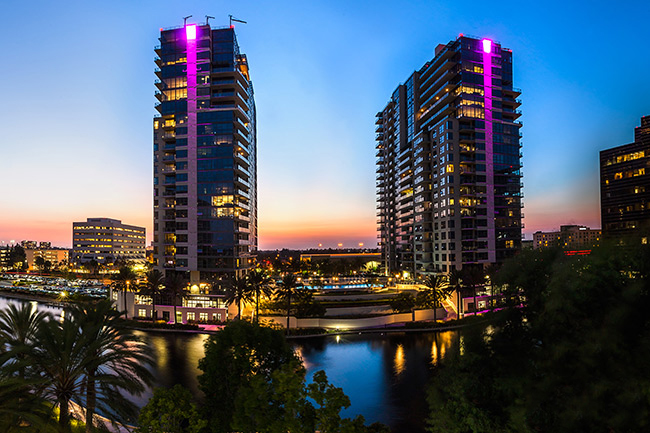
Sensor size does influence image quality, but in specific, nuanced ways. Larger sensors usually offer cleaner high ISO files and broader dynamic range, which matters in very low light or high-contrast scenes. However, in good light, current APS-C sensors from major brands can deliver images indistinguishable from full frame at most output sizes. In other words, sensor size image quality differences only matter once everything else in your process is already strong.
How Small Sensors Can Look Like Full Frame (or Better)
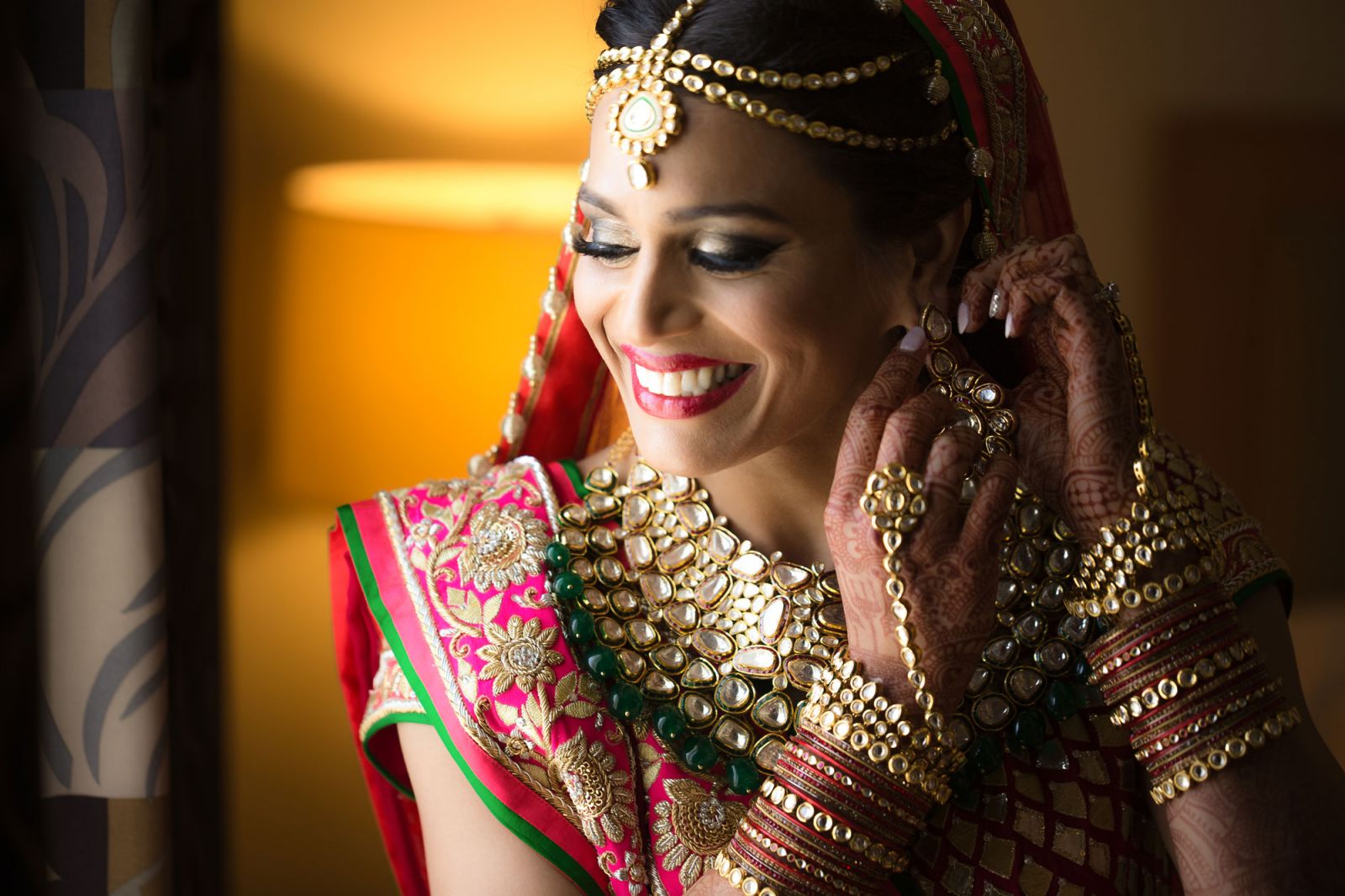
The claim that small sensor photography cannot match full frame is lazy gatekeeping. In the hands of a photographer who understands exposure, any dedicated camera can produce fantastic images. APS-C and Micro Four Thirds sensors are perfectly capable of jaw-dropping results. The so-called “full frame look” is mostly about depth of field, angle of view, and lighting, not magic silicon. To mimic that look on smaller sensors, lean on longer, faster lenses and smart positioning. Using a longer focal length, moving closer to your subject, and opening your aperture will increase background blur and reduce distortion, which many people associate with a full frame aesthetic.
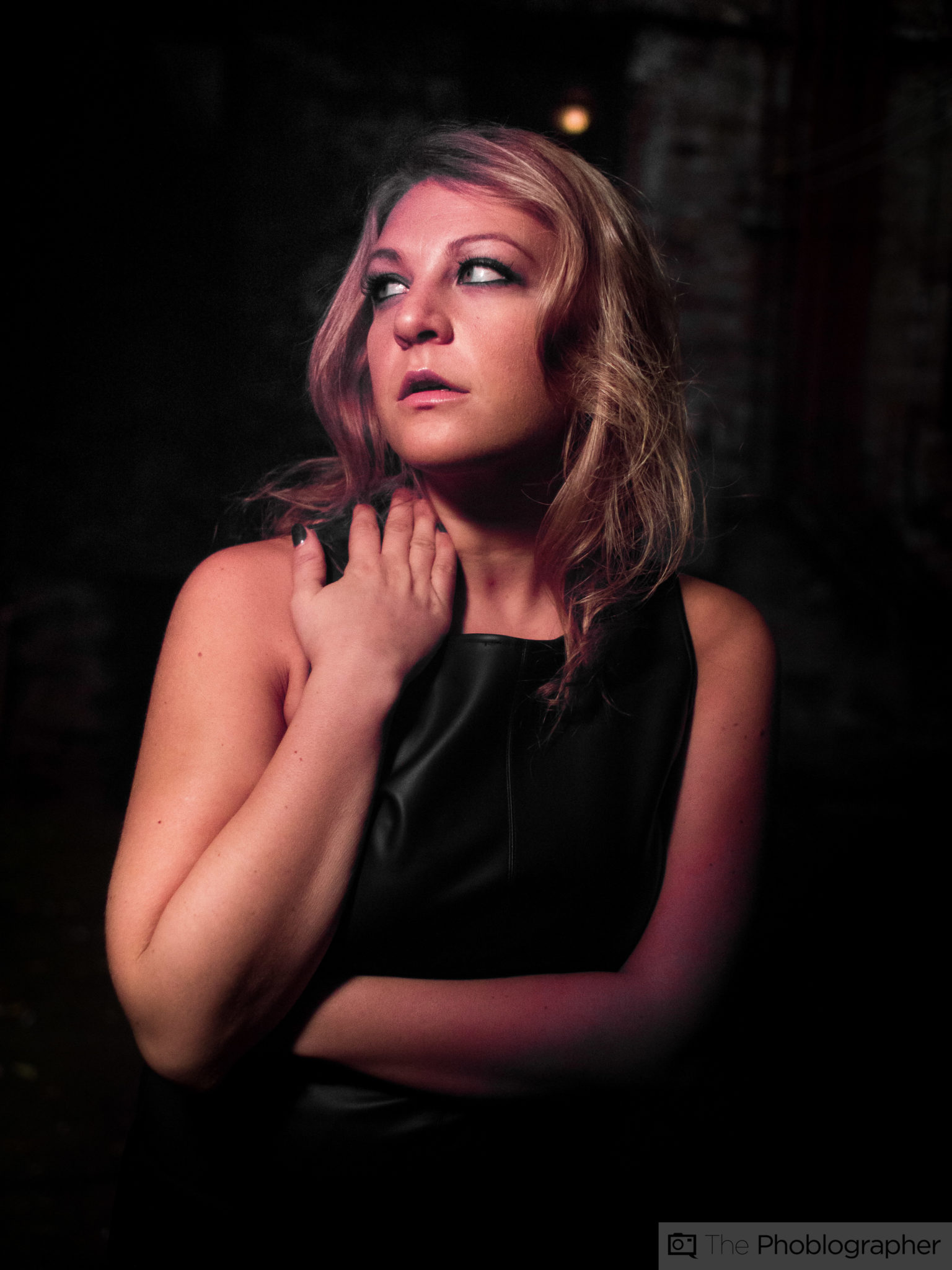
Real-world examples prove the point. Portraits with obvious background bokeh have been created on Micro Four Thirds bodies paired with ultra-fast primes like a 17.5mm f0.95, which delivers a depth of field similar to about f1.9 on full frame when equivalent framing is considered. In practice, the viewer sees a clean subject, soft background, and pleasing rendering — not the sensor size. The secret, as one source puts it, is simple: “The results from an APS-C sensor or a Four Thirds sensor can all produce jaw dropping images.”
Technique, Lenses, and Post-Processing Beat Spec Sheets
If your images are not where you want them to be, a new full frame body is the least efficient solution. The honest answer from experienced shooters is that for most photographers, sensor size is not what limits their work; technique, light, timing, and lens quality matter more. Exposure does not change with sensor size, so mastering light gives you a bigger quality jump than a different sensor ever will. Small sensors respond especially well to good lenses; a sharp, fast prime will do more for your files than an expensive body with a mediocre zoom.
Post-processing is the other major equalizer. Thoughtful use of contrast, clarity, shadows, highlights, and color channel edits can make smaller-sensor images look like they came from a larger format. With careful exposure to protect highlights, then lifting shadows and tuning color later, you can hide much of the small sensor’s noise and dynamic range disadvantage in final output. According to one guide, sensor size affects image quality in “specific, measurable ways — but those ways are more nuanced than ‘bigger is always better.’” Your editing skill turns a good file into a polished photograph, no matter its origin.

Choosing the Right Sensor Size for You (and Your Budget)
The full frame myth ignores a basic truth: the right sensor size depends on what you shoot, how you shoot, and what you are willing to spend. Full frame makes sense if you often work in low light, need maximum dynamic range, or live for ultra-shallow depth of field and true ultra-wide angles. But crop sensors are not consolation prizes. They are the better choice for wildlife and sports photographers who value extra telephoto reach, travel shooters who care about portability, and anyone on a budget who wants maximum capability per dollar.
Manufacturing a full frame sensor is dramatically more expensive than making an APS-C sensor, and that higher cost carries through to camera bodies and lenses. For photographers with real budget limits, that difference can instead fund a second lens, a better tripod, more storage, or more time to experiment. The honest conclusion is blunt: for most photographers in decent light, chasing full frame is a distraction. Learn the physics, understand what sensor size really changes, and then put your money and attention where they count — your lenses, your light, and your craft.