
Why RTX 50 Hotspot Temperature Monitoring Matters
RTX 50 hotspot temperature monitoring is the practice of tracking the hottest sensor on an RTX 50-series GPU in real time, alongside average core and memory temperatures, to diagnose cooling problems, prevent performance throttling, and extend the card’s lifespan during sustained gaming or workload stress. Enthusiasts obsess over clock speeds and fan curves but often ignore the single metric that tells them whether their cooling solution is doing its job under pressure. With modern RTX 50-series cards, average GPU temperature alone is misleading; a card can look safe at around 62–63 °C while the hotspot briefly spikes into the mid‑80s before settling around 75–80 °C. That difference is normal under load, but without seeing the hotspot you have no way to judge whether the cooler contact, thermal paste, or pads are still healthy, especially when pushing power limits or overclocks.
HWMonitor RTX 50: The New Baseline for GPU Temperature Monitoring
If you own an RTX 50‑series GPU and you are not running hotspot monitoring in HWMonitor, you are leaving free diagnostic power on the table. Version 1.65 of the tool adds two hotspot sensor data rows to the graphics card column, positioned right under the familiar GPU and memory average temperature lines. That layout turns HWMonitor into a clear, real‑time map of your cooling system’s health. You can now watch how far the RTX 50 hotspot temperature sits above the average GPU reading under load and judge whether your cooler is matched to your ambitions. A hotspot typically runs around 10–20 °C higher than the average GPU temperature; when the gap exceeds 30 °C, it often points to poor heatsink contact, uneven mounting pressure, or degraded thermal interface material. In other words, HWMonitor now tells you when to stop tweaking and start re‑seating your cooler.
MSI Afterburner Setup: Recovering Hotspot Insight the Smart Way
MSI Afterburner remains the go‑to tool for overclocking and GPU temperature monitoring, yet RTX 50 owners quickly discovered one glaring gap: no hotspot temperature readout. That omission is not a failure of Afterburner; NVIDIA’s Blackwell architecture hides hotspot telemetry from the public NVAPI interface and reserves it for its own internal tools. Instead of hacking around that restriction, the developer kept Afterburner aligned with documented APIs. The result is annoying for users, but it is also why the tool is trusted by partners. The good news is that you can still bring hotspot data into your on‑screen display by combining external monitoring with the overlay. According to the project’s author, hotspot monitoring has returned "through an alternative route" by pairing third‑party telemetry tools such as HWiNFO with RTSS, effectively restoring in‑game hotspot tracking without modifying Afterburner itself. If you care about safe overclocks, this hybrid setup is not optional; it is your safety net.
Advanced Hotspot Access for Power Users in Afterburner
For power users who treat their RTX 50‑series card like a test bench component, MSI Afterburner hides one more ace: a command‑line interface for direct low‑level access to GPU registers and I2C devices. This interface descends from the original RivaTuner and was designed for extreme overclockers and hardware manufacturers, letting them read voltages from PWM controllers and, in this generation, query hidden sensors. Even though the RTX 50 hotspot is completely absent from NVAPI, it can be read from GPU MMIO registers. By editing the RTCore.cfg configuration file and adding the card’s PCI Device ID to the low‑level access section, advanced users can unlock that hardware path for RTX 50‑series GPUs, much like pre‑Fermi architectures. It is a complicated route and not something casual gamers should touch, but it underscores one point: for those pushing limits, hotspot monitoring is too valuable to give up, even if it means learning hardware‑level tools.
Interpreting Hotspot Data: Avoid Throttling and Protect Your Card
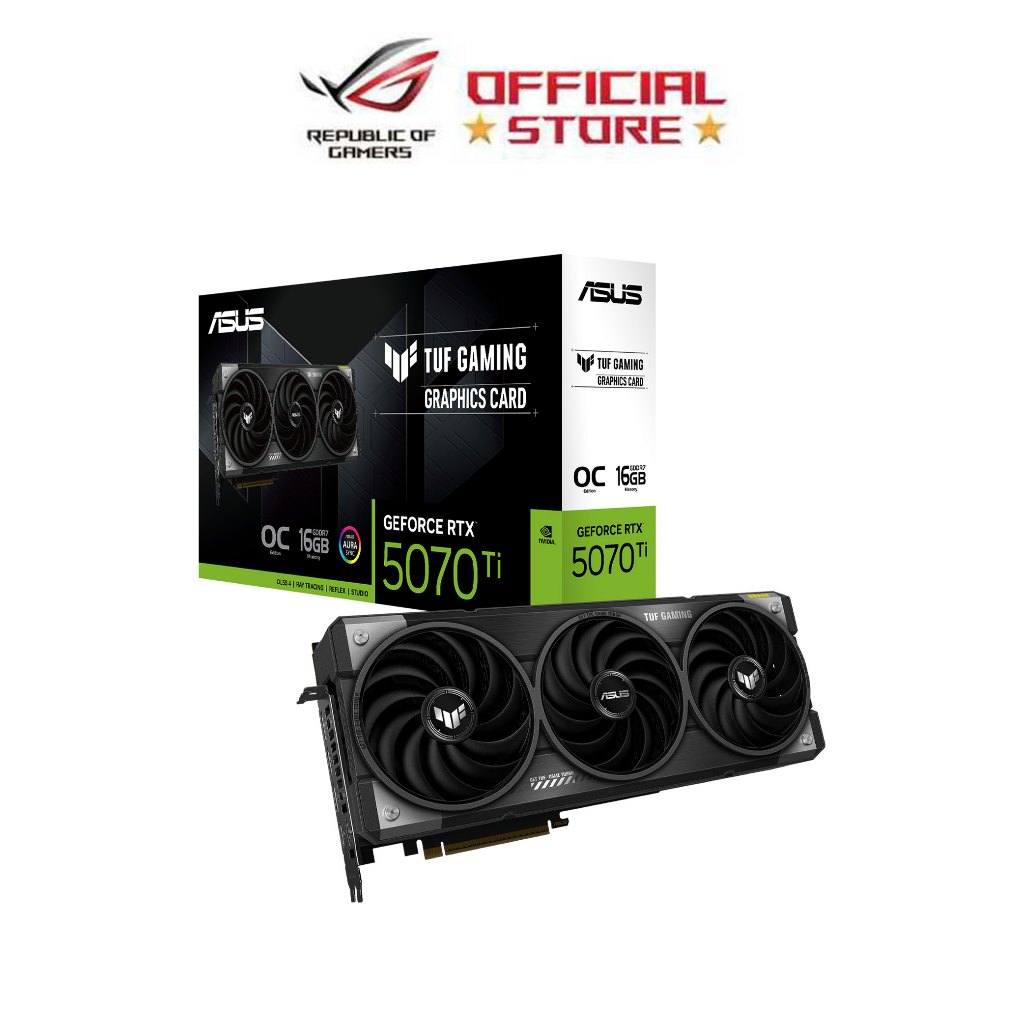
Tracking RTX 50 hotspot temperature is not about staring at another graph; it is about catching problems before they cost you performance or hardware. In normal operation, the hotspot should sit roughly 10–20 °C above the average GPU temperature. When that delta balloons beyond 30 °C, the most common mistakes start showing themselves: poorly mounted heatsinks, uneven screws, or aged thermal paste and pads that lost contact with the die. One reported RTX 5070 Ti hit a 39‑degree hotspot delta before tripping its thermal limit, proving that average GPU temperature alone can hide critical cooling issues. HWMonitor’s new hotspot rows exist precisely to make it easier to spot dried thermal material or a mis‑contacted cooler. Should you ever see hotspot values racing upward while fans roar and performance nosedives, the only sensible move is to stop, pull the cooler, and inspect the contact surface. That habit is how you prevent throttling and extend your RTX 50’s lifespan under heavy workloads.