
A Three-Year-Old Card Becomes the New Budget Story
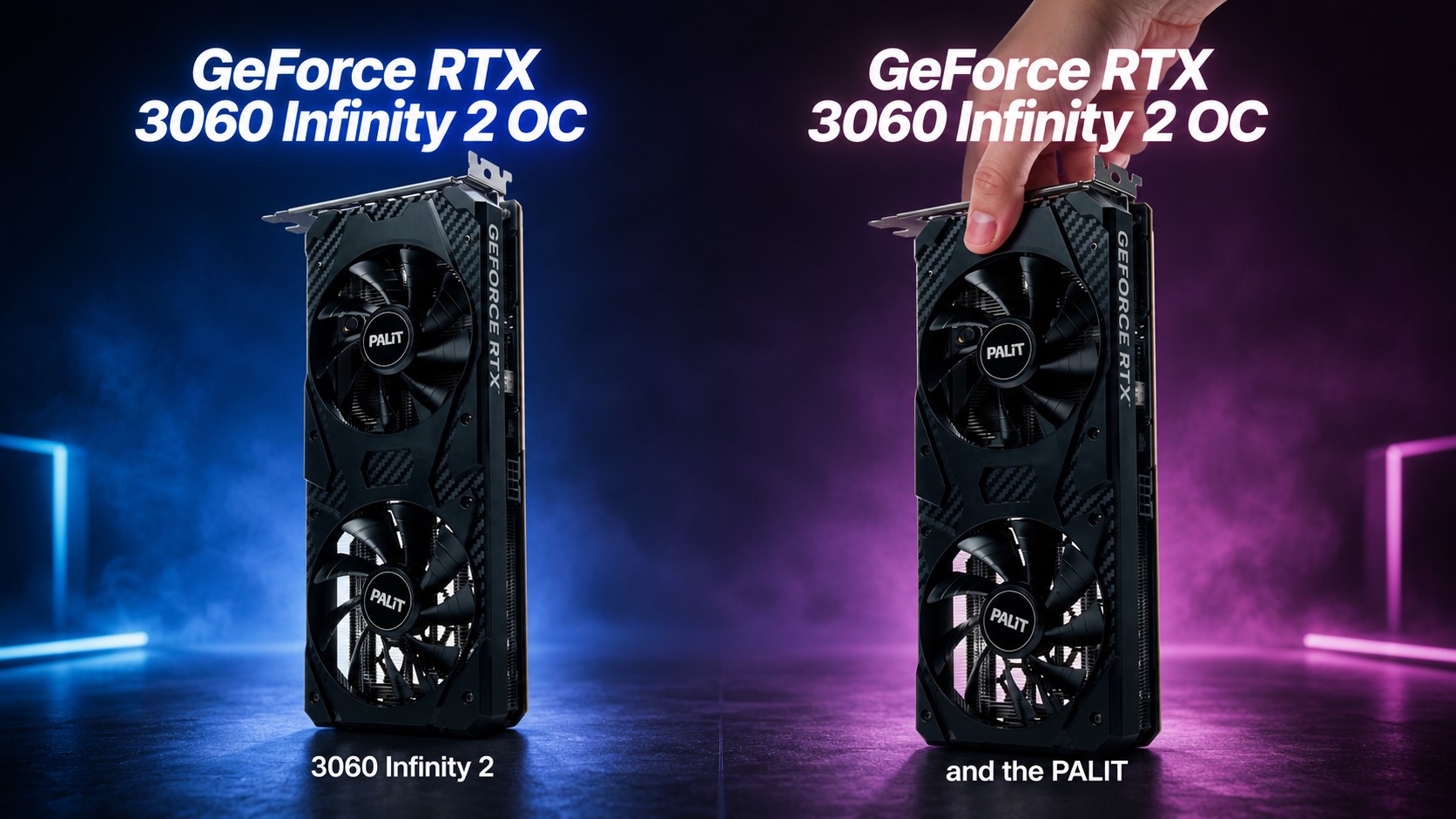
The RTX 3060 graphics card is an older Nvidia GPU based on the Ampere architecture, offering 3,584 CUDA cores and 12GB of GDDR6 VRAM on a 192‑bit bus, which manufacturers are re‑releasing as a budget GPU comeback in response to rising graphics card pricing and AI chip shortage impact. Nvidia has relaunched the GeForce RTX 3060 to fight component scarcity driven by artificial intelligence demand, and partners are lining up to participate. Palit has announced the GeForce RTX 3060 Infinity 2 OC, formally marking the return of this card in refreshed form. The specs are almost unchanged from its original release: the overclocked model boosts to 1,792 MHz, a marginal bump over the mandated 1,777 MHz clock. This is not innovation; it is a strategic retreat. Instead of pushing new low‑end silicon, vendors are dusting off proven designs and selling them as a practical response to an overheated AI market.
AI’s Memory Hunger Is Rewriting the GPU Roadmap
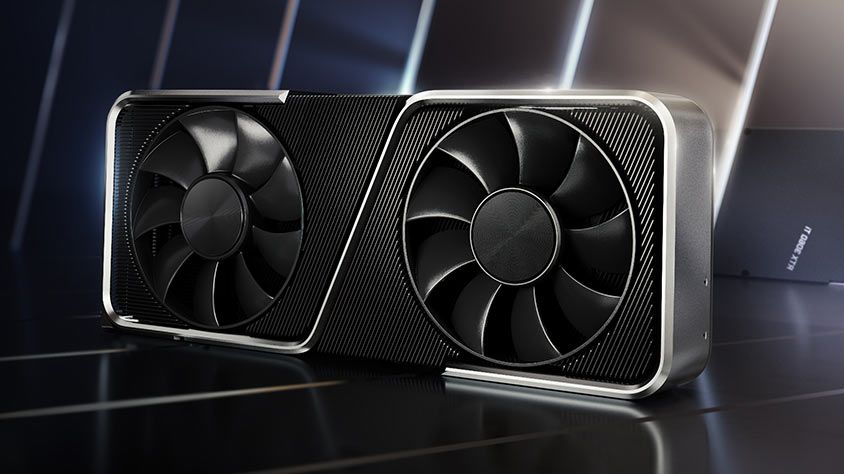
The real story behind the RTX 3060 comeback is not nostalgia, it is the AI chip shortage impact. Late last year, the PC hardware industry hit a turbulent phase as AI workloads devoured memory and storage capacity, driving commodity silicon prices sharply upward with no sign of relief. Modern RTX 50‑series cards lean on expensive GDDR7, while AI accelerators chase even denser HBM; manufacturers have no incentive to flood the low‑end with fresh designs that use scarce, high‑margin memory. Instead, reviving Ampere‑based boards lets Nvidia and its partners tap into older GDDR6 supply chains, making it more tenable to ship GPUs with 12GB of VRAM at the cheaper end of the market. More vendors are openly turning back to older Nvidia GPUs to meet demand in a market distorted by the AI boom. In short, AI is not only defining data‑center hardware; it is quietly deciding what budget gamers get to buy.
Why 12GB of VRAM Keeps the RTX 3060 in the Game
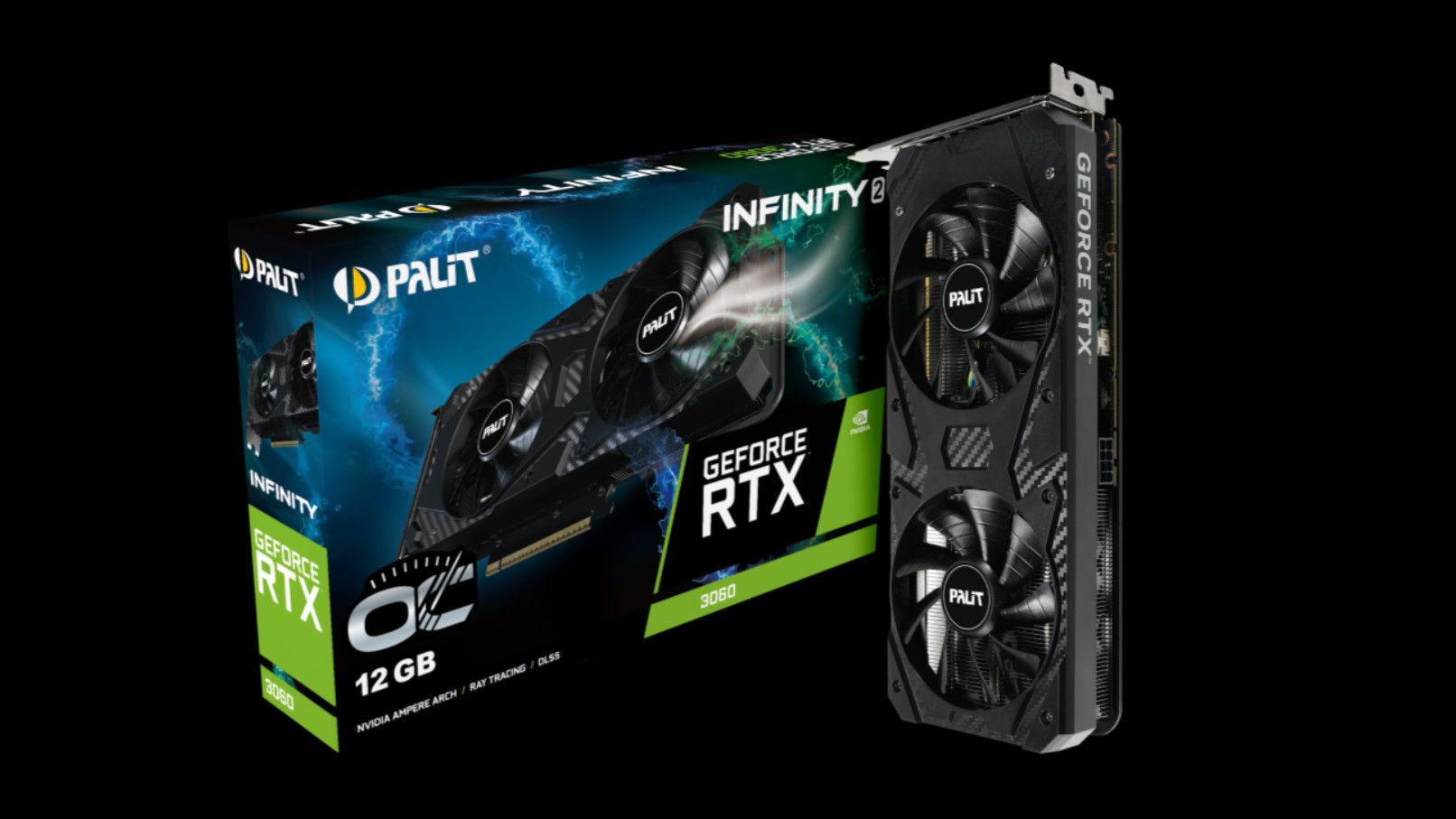
On paper, the RTX 3060 should have been left behind by newer budget options, yet its memory configuration keeps it stubbornly relevant. The card’s 12GB GDDR6 pool has become its main selling point for both gaming and light AI workloads, especially when many current low‑end boards ship with only 8GB. The revived models, like Palit’s Infinity 2 OC, are pitched explicitly on this VRAM advantage and “honest, dependable performance without the premium price tag.” According to recent hardware surveys, the RTX 3060 is now the most popular desktop GPU on Steam, with nearly 4% market share, while newer RTX 50‑series cards such as the RTX 5060 sit below 3%. That is a quotable verdict from the market itself: users are voting for more memory over newer features. When you can find an RTX 3060 12GB under USD 300 (approx. ₱16,800), it remains a viable choice for budget‑conscious builders, despite its age.

The Awkward Math of Budget Pricing and Performance
Still, the budget GPU comeback is not a clear win for buyers. Pricing on revived RTX 3060 boards has often been misaligned with performance. Some variants land around USD 329 (approx. ₱18,400), putting them uncomfortably close to newer cards such as the RTX 5060 Ti at USD 369 (approx. ₱20,600), which are much faster, more efficient, and support features like DLSS 4.5 and multi‑frame generation. Current‑gen boards may come with leaner 8GB configurations, but their frame rates and access to Nvidia’s latest technologies make the RTX 3060 look less compelling when prices converge. Even Palit’s own positioning admits a tension: its RTX 3060 delivers smooth, stable 1080p gaming, yet lacks newer tools such as frame generation and multi‑frame generation, meaning some gamers could end up regretting picking extra VRAM over modern features. The card is attractive only when it holds a clear price gap below the RTX 50‑series.
Old Silicon, New Reality for Budget Builders
The resurrection of the RTX 3060 is a symptom of a broader shift: older hardware is becoming relevant again because supply chains and market incentives have changed. We are now seeing “the resurrection of some old GeForce GPUs” as a pattern, not a one‑off. More vendors are stepping forward with past‑generation Nvidia cards specifically to fill demand in segments hurt by the AI boom. From a manufacturer’s standpoint, rebooting the RTX 3060 also benefits from better yields on Samsung’s older 8nm process compared with newer nodes used by Ada and Blackwell, making it cheaper to produce. For ordinary users, the practical takeaway is blunt: when AI eats the cutting‑edge, budget builders are pushed toward yesterday’s designs. If you care most about price and VRAM, the RTX 3060 12GB is still a reasonable purchase under USD 300 (approx. ₱16,800); if you care about longevity and features, you should look to the RTX 50‑series or a well‑priced used RTX 40‑series instead.