
Vintage Device Revival Is Less About Nostalgia, More About Control
Vintage device revival is the growing trend where makers and modders transform aging gadgets like retro handheld consoles and obsolete optical drives into useful, often beautiful modern tools through retro gaming mods, custom electronics, and DIY hardware projects that prioritize ownership, reparability, and personal expression over constant upgrades. This movement isn’t about hoarding tech museum pieces; it is a quiet rebellion against disposable hardware. Instead of chasing the newest handheld gaming PC, enthusiasts are asking what they can squeeze out of hardware that is decades old yet still perfectly capable. The key takeaway: people are tired of throwaway devices, and they’re using soldering irons, firmware, and laser cutters to take back control. Retro is no longer a passive vibe you buy; it’s something you actively build, mod, and maintain.
Counter-Strike on a PSP: Retro Gaming Mods With Modern Ambition
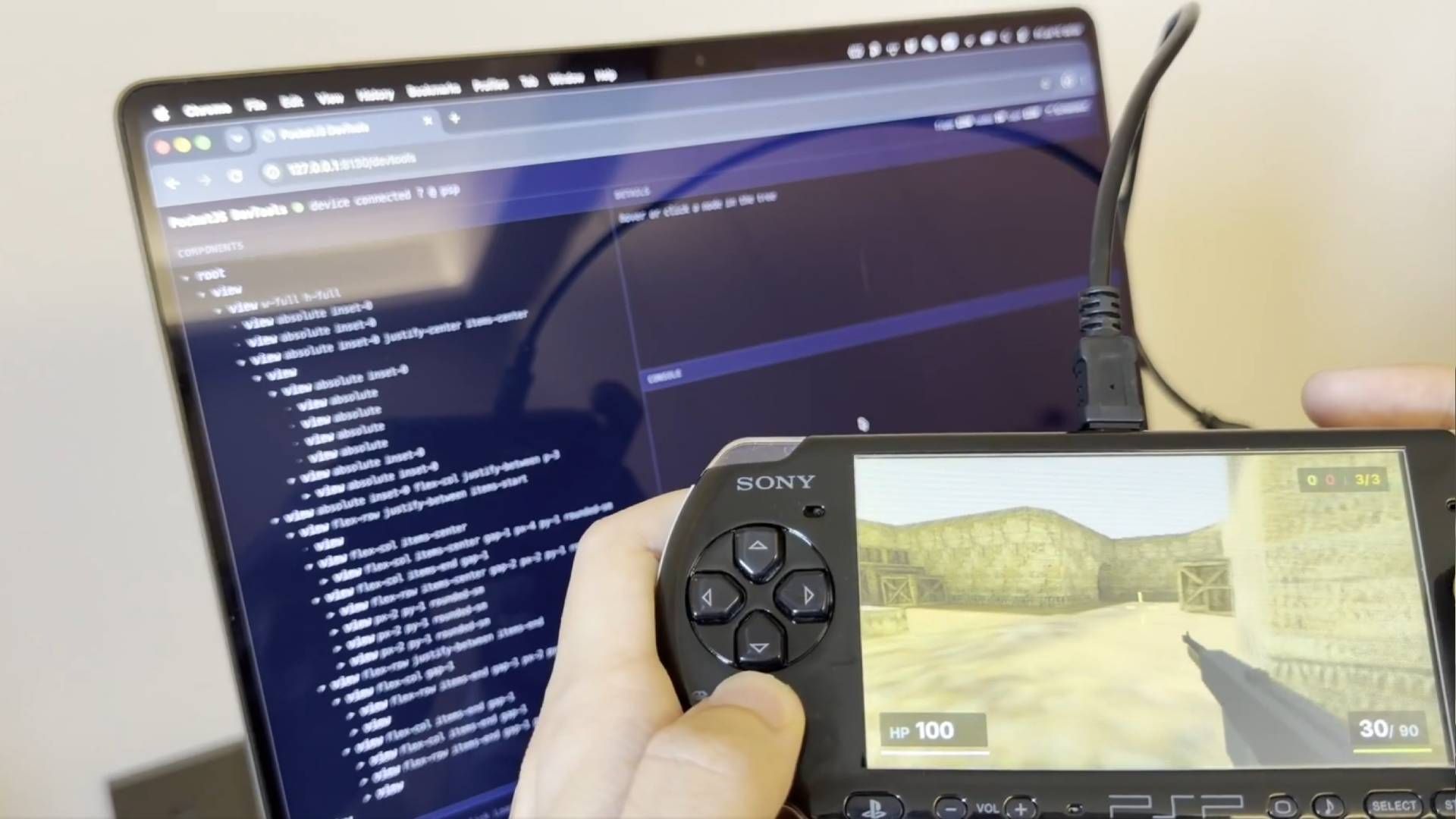
If you want to understand why retro gaming mods matter, look at Counter-Strike running at 60 FPS on a 22-year-old PSP. Developer Yifeng Wang’s project, OpenStrike, is a Counter-Strike clone with a tiny 12 MB RAM footprint that runs on Sony’s original handheld and on the PS Vita, either on real hardware or through PSP emulation. This is not a simple port; Wang built a Rust-based 3D engine called Pocket3D and a JavaScript engine, PocketJS, to make it happen. Non-visible map areas are culled via Binary Space Partitioning and lightmaps are baked into vertex colors, trading visual gloss for performance that ancient hardware can maintain. The opinionated statement here is clear: modern design bloat is a choice, not a necessity. When one developer can make classic maps run smoothly at the PSP’s native 480 x 272 resolution, it exposes how inefficient mainstream games have become.
From IDE Drives to Hi-Fi Art: DIY Hardware Projects With Soul
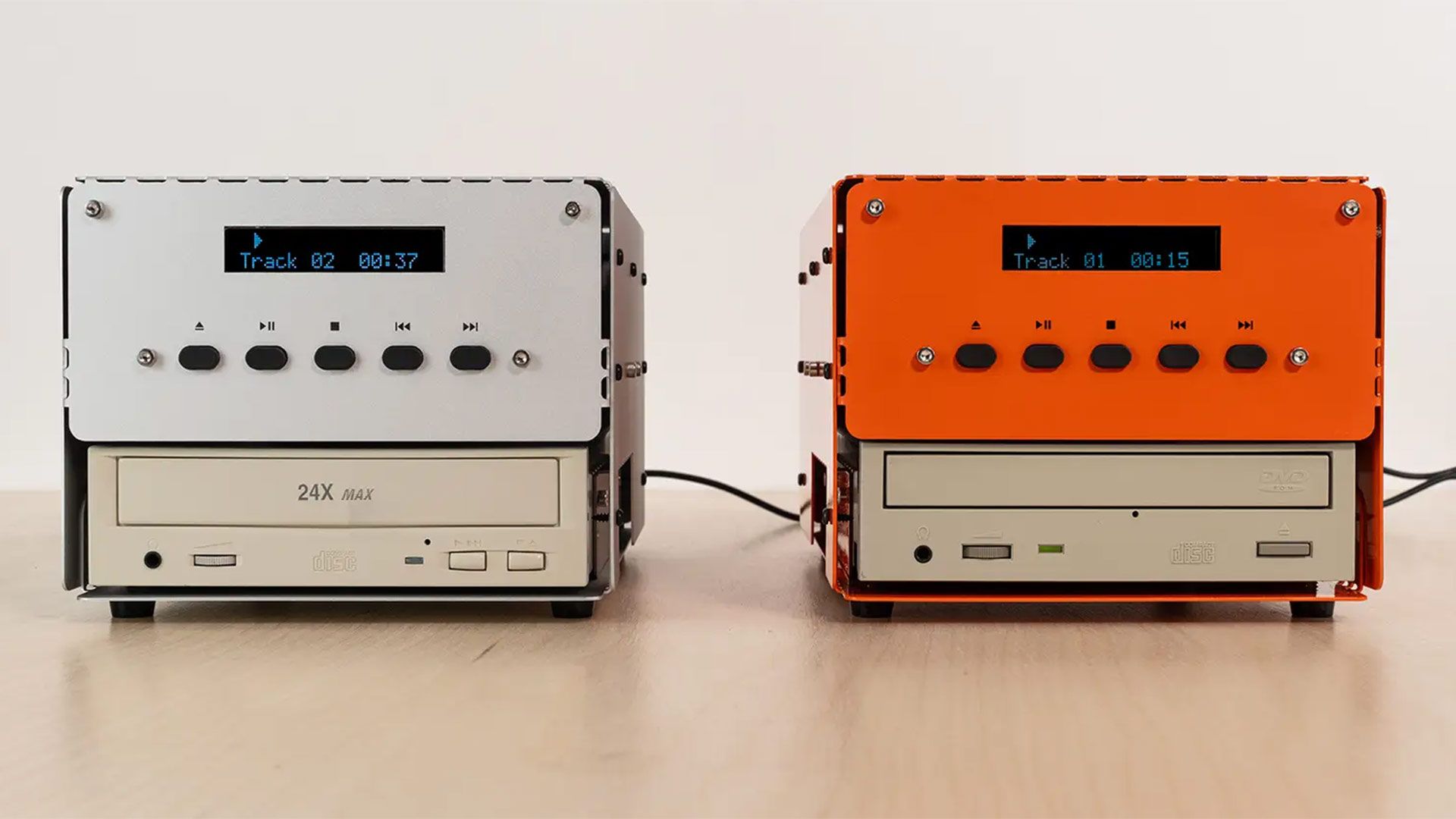
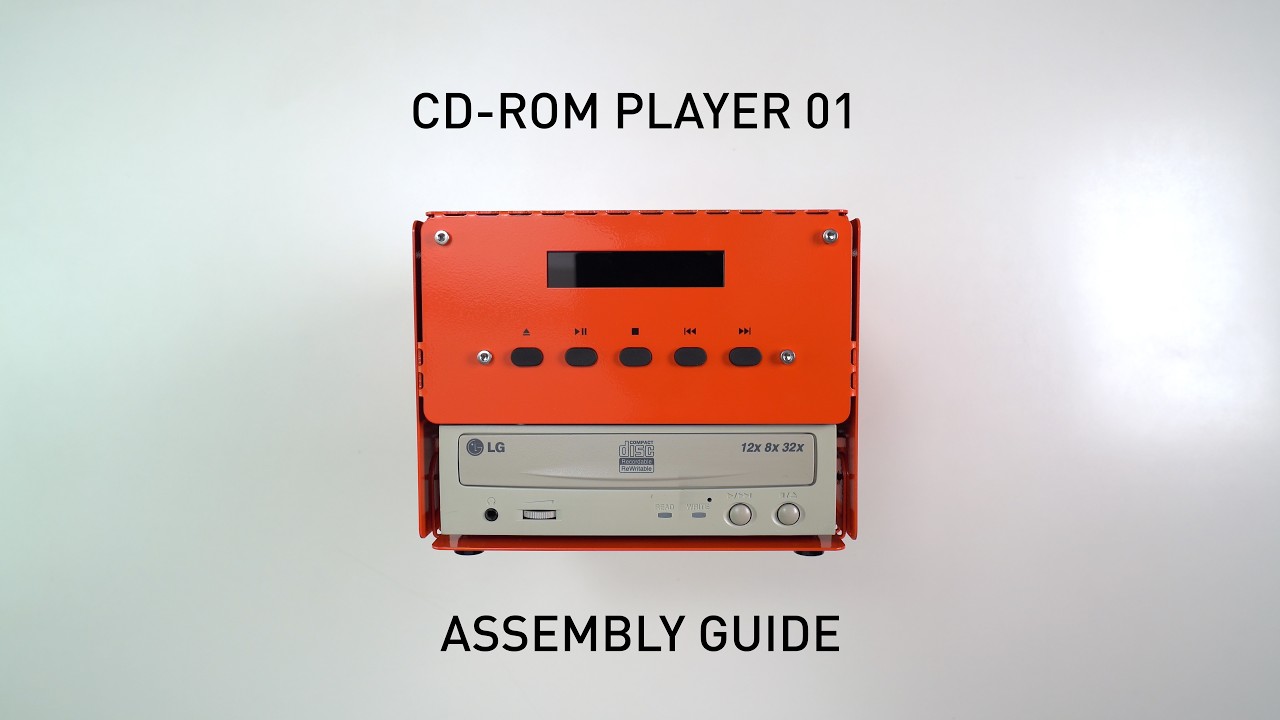
On the audio side, boutique DIY hardware projects are turning junk-box parts into hi-fi conversation pieces. Electronic maker das_POD launched the CD-ROM PLAYER 01, a self-assembly kit that lets owners repurpose old IDE optical drives as standalone audio players, using a universal laser-cut enclosure and a custom PCB. The kit explores “ownership, reparability, and the physical experience of music,” positioning vintage device revival as an aesthetic and philosophical choice rather than a budget hack. The enclosure starts at USD 190 (approx. ₱11,200), with a powder-coated orange version at that price and an anodized semi-gloss white version at USD 220 (approx. ₱13,000). Refurb drives sold alongside range from USD 5 (approx. ₱300) to USD 40 (approx. ₱2,350), including characterful pieces like the $35 DRIVE_24 with a worn beige faceplate. The quotable idea here: “Every drive carries its own history. Every player becomes unique.” That’s nostalgia turned into physical design, not stuck as memory.
Why This Kind of Project Matters
- Transforms discarded IDE drives into functional, personal audio devices instead of landfill.
- Self-assembly design reinforces repair skills and a sense of ownership over hi-fi gear.
Practical Drawbacks You Can’t Ignore
- The kit ships without an IDE optical drive, which is essential to complete the player.
- AUX cable and 12V power adapter are not included, adding around USD 25–30 (approx. ₱1,470–₱1,760) to the cost.
Maker Culture: Recycling, But Also Quiet Resistance
What ties a Counter-Strike PSP clone and a $190 CD-ROM audio player together is not nostalgia alone; it is a maker culture that values the stories inside old hardware. Compatible IDE drives can be found in old computers, second-hand markets, recycling centers, or forgotten storage boxes, and das_POD leans into the idea that “every player becomes unique” because every drive carries its own history. Likewise, OpenStrike invites you to tinker with code on original PSPs or through emulation, turning retro gaming mods into a participatory sport rather than passive consumption. Makers with 3D printers, laser cutters, or CNCs could even recreate similar CD-ROM PLAYER 01-style kits, since a CD/DVD controller board is widely available and the remaining missing piece is the power PCB. This isn’t about being anti-new-tech; it’s about refusing to let corporations decide when a device’s story ends.
Nostalgia Meets Function: Why This Niche Trend Matters
The balance between nostalgia and functionality is what keeps this niche community so dedicated. Some enthusiasts are tired of bulky handheld gaming PCs, yet they still want big games on the go, and projects like OpenStrike show that smart engineering can keep classic form factors relevant. Others want physical media rituals—loading a CD, pressing a hardware button—without giving up modern design, which is exactly where devices like CD-ROM PLAYER 01 land. Retro gaming mods and vintage device revival are not about pretending older tech is objectively better; they’re about reclaiming choice. You can own the firmware, understand the PCB, and enjoy hardware that exists on your terms. The conclusion is blunt: the future of personal tech will not be decided only by new product launches. It will also be shaped in garages and small workshops where people refuse to throw away what still works—and make it sing again.