
From NV1 to RTX Spark: A 30‑Year Loop Closing
The NVIDIA–SEGA partnership around NVIDIA RTX Spark games is a renewed collaboration that brings SEGA’s classic and future titles to NVIDIA’s new RTX Spark AI PC platform, aiming to fuse high‑end gaming features like DLSS frame generation and RTX ray tracing gaming with local AI capabilities for modern Windows laptops and desktops. This reunion is not fan service; it is strategic. SEGA helped keep NVIDIA alive with a USD 5 million (approx. ₱280,000,000) investment in 1996, which later turned into USD 15 million (approx. ₱840,000,000) when SEGA exited after NVIDIA’s IPO, tripling its stake. Now, the circle closes: SEGA’s legendary catalog, including Virtua Fighter Crossroads, is heading to RTX Spark machines as NVIDIA tries to reinvent the PC around a 1‑petaflop “superchip” tuned for AI agents, content creation, and triple‑A gaming. For PC enthusiasts, that means the next big platform war might be about silicon and instruction sets, not stores and launchers.
Virtua Fighter Crossroads and SEGA’s Library: Proof RTX Spark Is a Gaming Platform
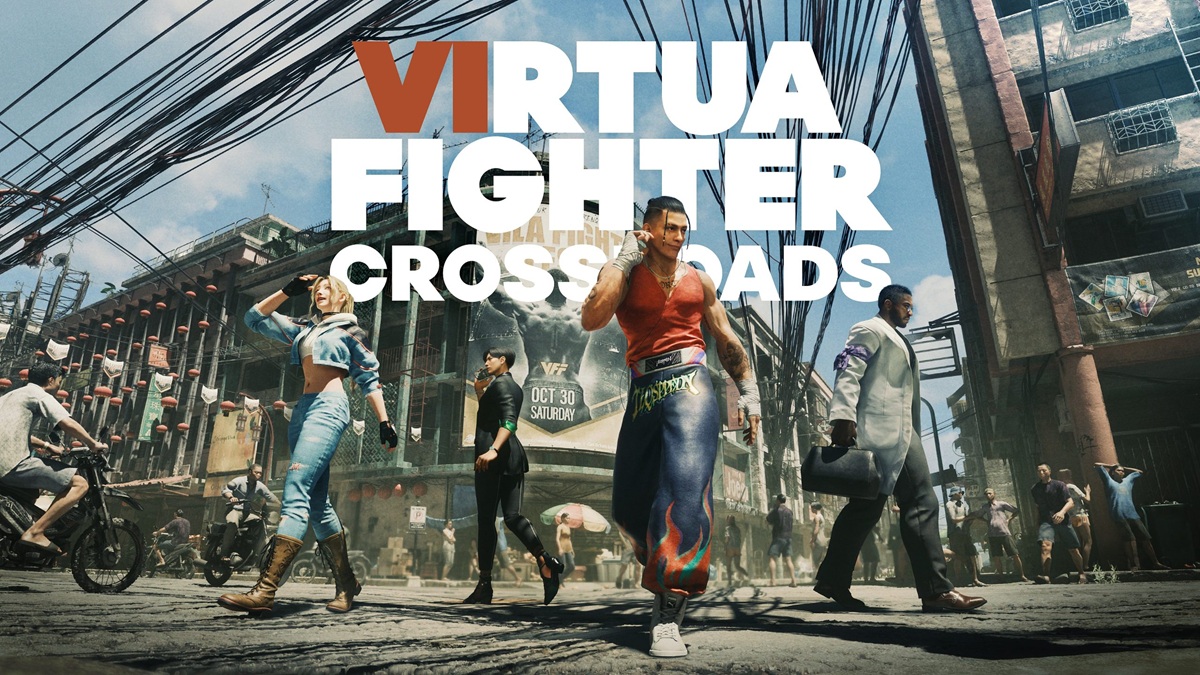
SEGA’s decision to bring Virtua Fighter Crossroads and future SEGA‑branded titles to RTX Spark is the first concrete sign that this Arm‑based platform is serious about games, not just AI demos. NVIDIA and SEGA have worked together for 30 years, starting with the NV1 chip that powered the original Virtua Fighter on PC, one of the earliest 3D fighters. Now, “all of Sega’s games are coming to RTX Spark,” as NVIDIA’s Deepu Talla put it, underlining that “this is a gaming platform.” The open question is technical: will Virtua Fighter Crossroads ship as a native RTX Spark port, or will it rely on emulation above Windows translation layers? Native support would be a strong vote of confidence from SEGA and a signal to other studios that RTX Spark is worth targeting directly; emulation would be a stopgap. Either way, PC players win if classic and new SEGA titles arrive on slim, quiet machines with serious graphics horsepower.
RTX Spark Under the Hood: Why DLSS, Ray Tracing and Frame Generation Matter
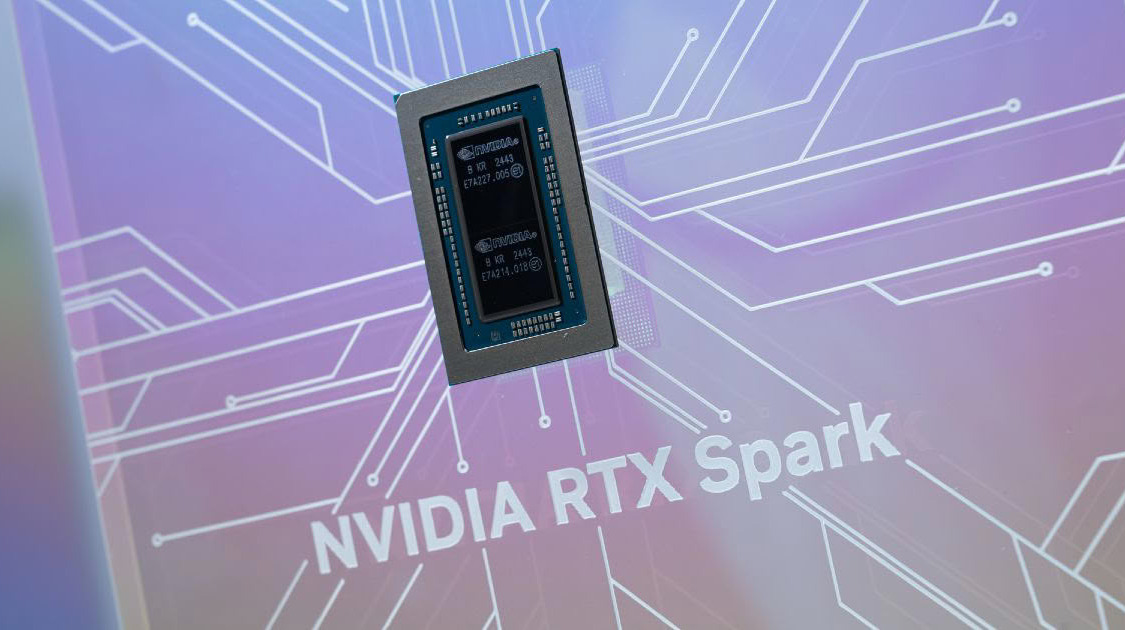
RTX Spark is not a minor spec bump; it is a 1‑petaflop Windows PC “superchip” that joins a 20‑core Grace CPU and a Blackwell‑based RTX GPU over NVLink‑C2C to run 120‑billion‑parameter LLMs, 12K video editing, 90 GB 3D scenes, and triple‑A gaming at 1440p 100 fps with full RTX, DLSS, Reflex, and G‑Sync. For NVIDIA RTX Spark games, this means ray‑traced lighting with enough compute left over for DLSS upscaling and DLSS frame generation, which can synthesize extra frames to smooth motion and push frame rates beyond raw raster performance. For ordinary players, the pitch is simple: quieter laptops and tiny desktops that can run Virtua Fighter Crossroads and other SEGA titles with high‑end RTX ray tracing gaming features, while simultaneously running local AI agents in the background. If NVIDIA convinces more studios to target this platform, Spark PCs start to look less like niche AI dev boxes and more like the next default mid‑to‑high‑end gaming rig.
Gears of War: E-Day Shows RTX Is Now Table Stakes
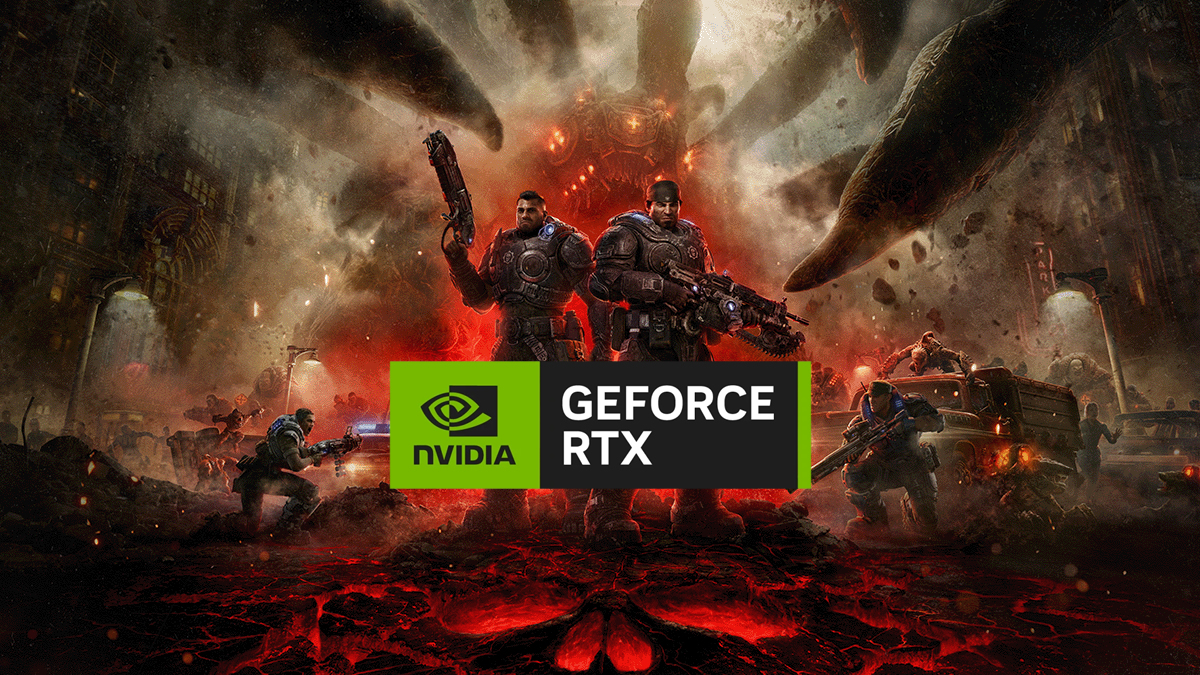
While SEGA validates RTX Spark as a gaming target, Gears of War: E-Day shows how far RTX technology has spread across the broader PC ecosystem. The Coalition’s next shooter will be “RTX‑On” at launch, with official support for DLSS 4.5, multi‑frame generation, and Dynamic Frame Generation on compatible GeForce RTX hardware. Built on Unreal Engine 5.8, E-Day uses ray‑traced “MegaLights” for shadows with up to 100 light sources and Lumen for ray‑traced global illumination and ambient occlusion, making ray tracing mandatory on all platforms. Add in Nvidia Reflex to reduce latency and make controls feel more responsive, a meaningful edge in both campaign and competitive modes. E-Day arrives on PC and Xbox on October 6th 2026, with an open beta next month and earlier access on August 6th for pre‑orders. The message: if your next PC platform cannot handle full RTX, you are buying into yesterday’s visual standards.
What This Means for PC Enthusiasts: Opportunity and Risk
For PC enthusiasts, NVIDIA’s SEGA partnership is both exciting and risky. On the plus side, RTX Spark laptops and compact desktops from major OEMs promise powerful local AI, creator‑grade editing, and triple‑A performance with RTX, DLSS, Reflex, and G‑Sync in a smaller, cooler form factor. The expanding RTX Spark ecosystem, with SEGA and other industry players, will offer new experiences built around ray tracing, DLSS, and AI while preserving classic franchises. On the downside, RTX Spark is a new Arm‑based platform that still needs more game studios and tools to treat it as a first‑class target. Even SEGA’s own Virtua Fighter Crossroads may rely on emulation rather than a native build, and NVIDIA has yet to clarify that detail. Enthusiasts should welcome the innovation but stay clear‑eyed: this reunion is less about nostalgia and more about NVIDIA testing whether it can redefine the PC around its own silicon. If Spark succeeds, today’s x86‑only gaming rigs may look like the old NV1 cards—important, but firmly in the past.