
Zen 6 in One Sentence: A Bold Bet on Single-Core Speed
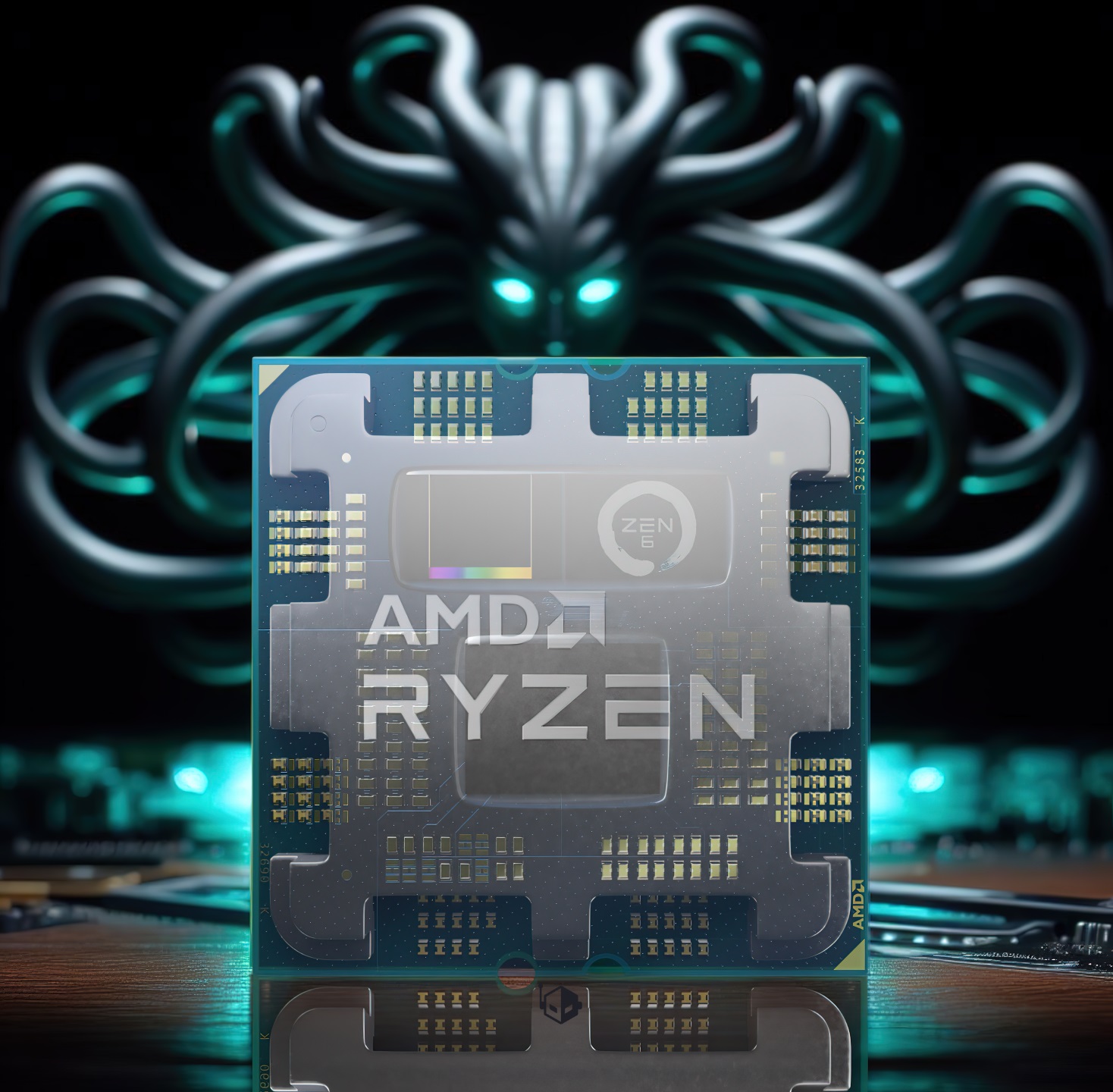
Zen 6 is AMD’s upcoming sixth-generation x86 CPU architecture that, based on early Medusa Point CPU benchmark leaks, appears to deliver a roughly 35% single-core performance jump over comparable Zen 5 Strix Point chips at similar core counts, signaling a deliberate shift toward much higher per-core speed and efficiency for demanding client and server workloads. This is not a routine tick in the roadmap; it is a clear statement that single-core performance still matters. In an era obsessed with core counts and AI accelerators, AMD is reminding everyone that the fastest thread often defines the user experience in gaming, high-frequency trading, and many latency-sensitive tasks. If these early Zen 6 benchmarks hold up under more rigorous testing, they could reshape expectations for what a generational upgrade should look like in high-end computing.
Inside the Zen 6 Medusa Point Benchmarks: 3,329 Single-Core at 5.4 GHz
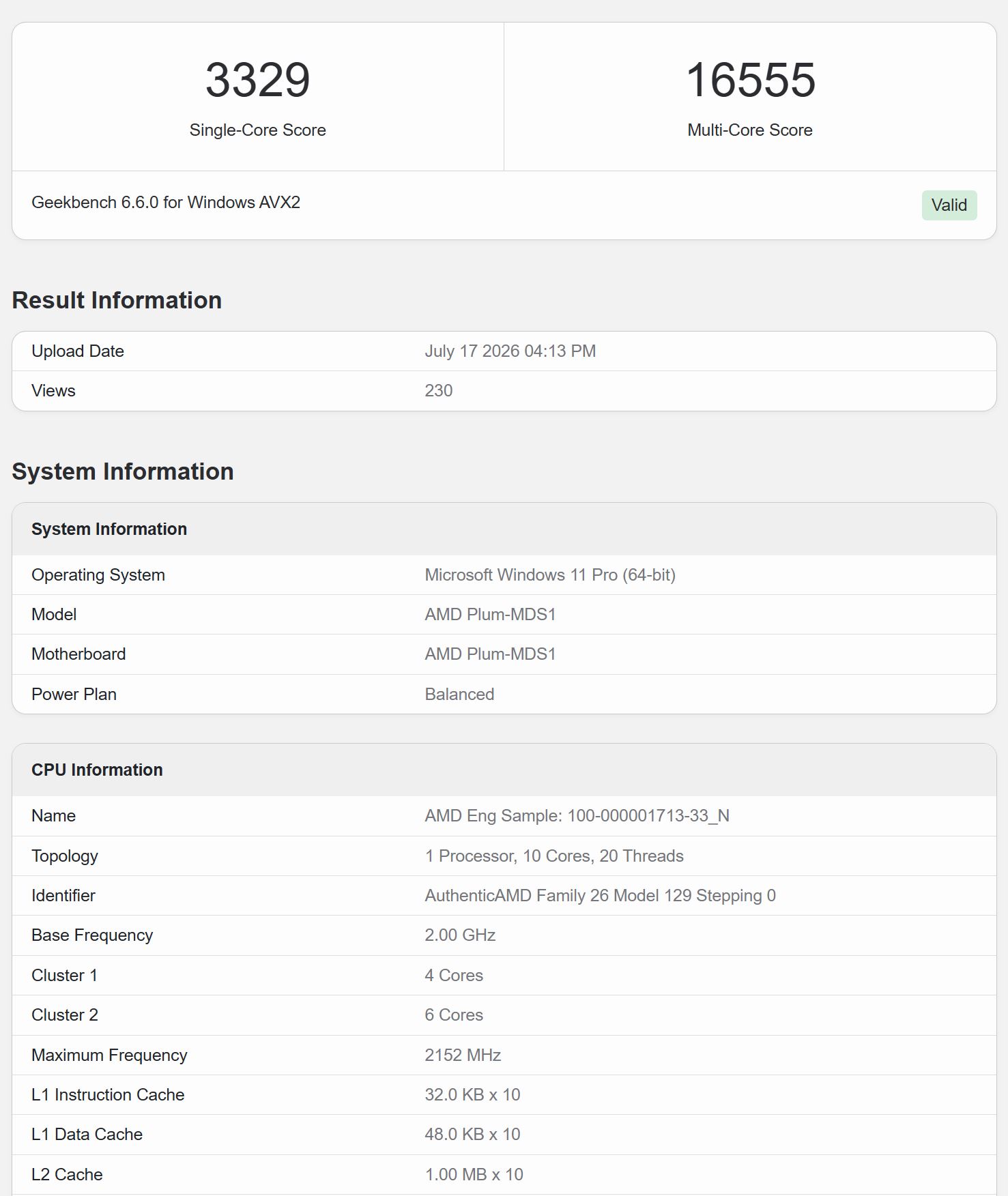
The leaked Zen 6 benchmarks for a 10-core Medusa Point CPU are striking: 3,329 points in single-core and 16,555 points in multi-core Geekbench tests at 5.4 GHz. Previously, the same engineering sample scored 3,174 points in single-core, so this latest run shows a further 5% uplift. That alone would be noteworthy, but the real headline is where it sits relative to Zen 5. Compared against a 10-core Strix Point APU such as the Ryzen AI 9 365, the Medusa Point sample is now nearly 35% faster. That is an outsized generational gain, especially at a comparable core count, and it strongly suggests architectural improvements rather than raw frequency alone. The fastest recorded clock in the test hits 5,370 MHz, giving us a first taste of Zen 6’s clock headroom. Taken together, these numbers show AMD pushing beyond incremental tuning and into aggressive single-thread territory.
| Metric | Medusa Point (Zen 6) | Strix Point (Zen 5) |
|---|---|---|
| Core / Thread Count | 10 cores / 20 threads | 10 cores (Ryzen AI 9 365) |
| Single-Core Score (Geekbench) | 3,329 | Baseline used for comparison |
| Multi-Core Score (Geekbench) | 16,555 | Lower than Medusa Point in tests |
| Clock Speed Observed | Up to 5.4 GHz, peak ~5,370 MHz | Up to ~5.1 GHz on fastest Strix Point APUs |
| Single-Core Uplift vs Zen 5 | Nearly 35% faster | Reference point |
Why AMD Is Doubling Down on x86 and Timing Zen 6 for Advancing AI
The Medusa Point leaks would matter less if Zen 6 were an isolated experiment, but AMD is clearly positioning this architecture as a pillar of its broader x86 strategy. Mark Papermaster has confirmed that Zen 6 will debut at the Advancing AI 2026 conference on July 22–23, giving the company a high-profile stage to tie raw CPU performance to its expanding AI hardware portfolio. In his recent interview, he emphasized that x86 computing remains central to enterprise infrastructure and long-term plans, noting that customers have spent decades building software around x86. That context explains why Zen 6 targets stronger standalone x86 workloads while also complementing AI-focused devices. The timing is not accidental: competition in both client and server CPU markets is intensifying, and AMD needs Zen 6 to be a performance and efficiency statement, not a quiet iteration. Launching it alongside AI announcements is a way of saying: classic CPU horsepower still anchors the stack.
What a 35% Single-Core Jump Means for High-End Workloads
Geekbench is not the final word on AMD processor performance, but a 35% single-core uplift over Zen 5 Strix Point at similar core counts is too big to dismiss. Single-thread speed often bottlenecks high-end gaming engines, complex scripting layers, and parts of professional workflows that are hard to parallelize. Moving from a modest gain to a double-digit leap changes how developers and power users think about upgrade cycles: suddenly, skipping a generation looks less appealing. The multi-core score of 16,555, about 9% higher than the previous run for the same sample, also hints that Zen 6 is not sacrificing parallel throughput for frequency. In practice, the Medusa Point CPU’s ability to hold around 5.4 GHz while still scaling well across 10 cores suggests a more efficient design rather than a brute-force power play. If later tests on more reliable platforms confirm this balance, Zen 6 could become the new yardstick for single-core speed.
Looking Ahead: From Engineering Sample to Official Zen 6 Lineup
There is a necessary dose of caution here: we are still looking at an engineering sample, and early Medusa Point SKUs are unlikely to appear widely on benchmark platforms for several months. Geekbench offers a useful but imperfect window into relative CPU single core speed and multi-core behavior. What matters now is how AMD follows through at Advancing AI. The company has said that Zen 6 will make its debut at the July 22–23 event, with more architectural details expected in the keynote. Zen 6 is widely expected to underpin future desktop, server, and workstation processors, but AMD has not yet named specific product families. That silence suggests the firm wants the architecture story to land first: higher single-core speed, improved efficiency, and scalability across platforms. If the final silicon matches what the Medusa Point CPU is hinting at, Zen 6 will not be remembered as a routine generational step—it will be seen as AMD’s renewed push to set the pace for high-end x86 performance.