
What These New ROG Tandem RGB OLED Monitors Actually Are
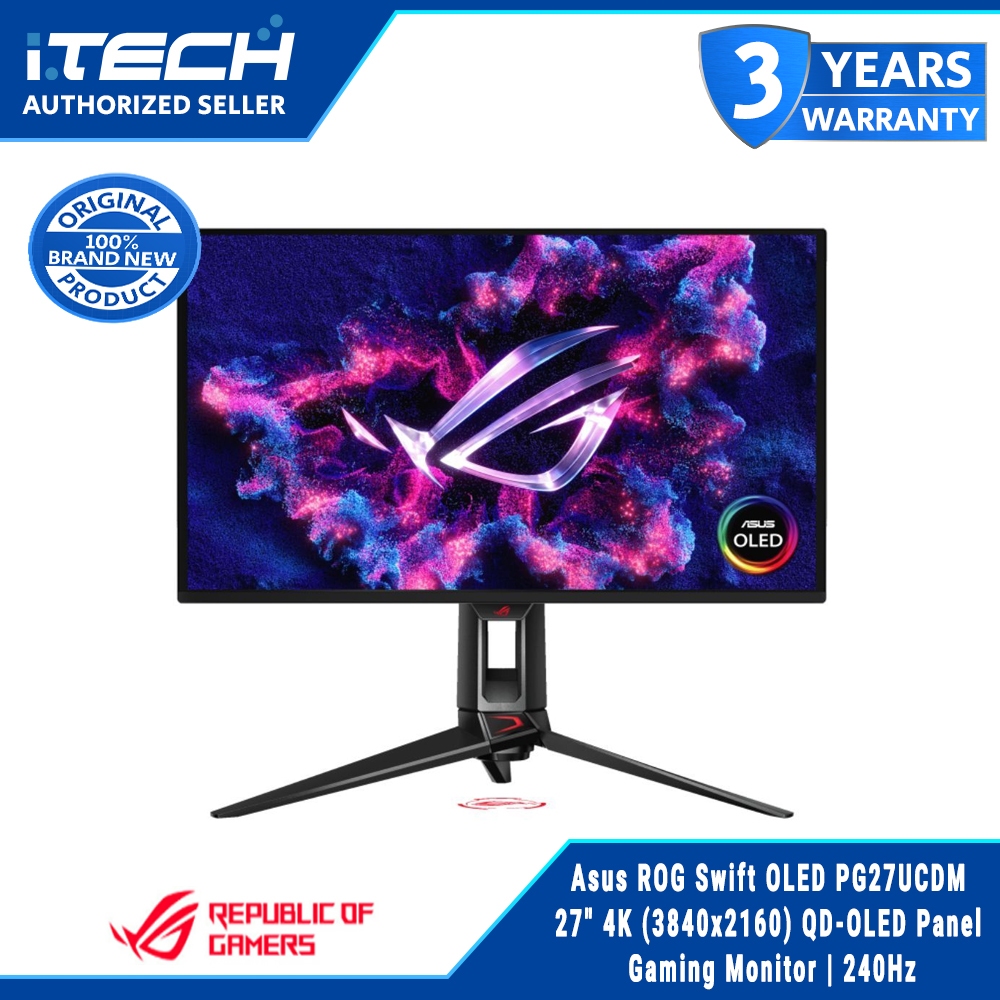
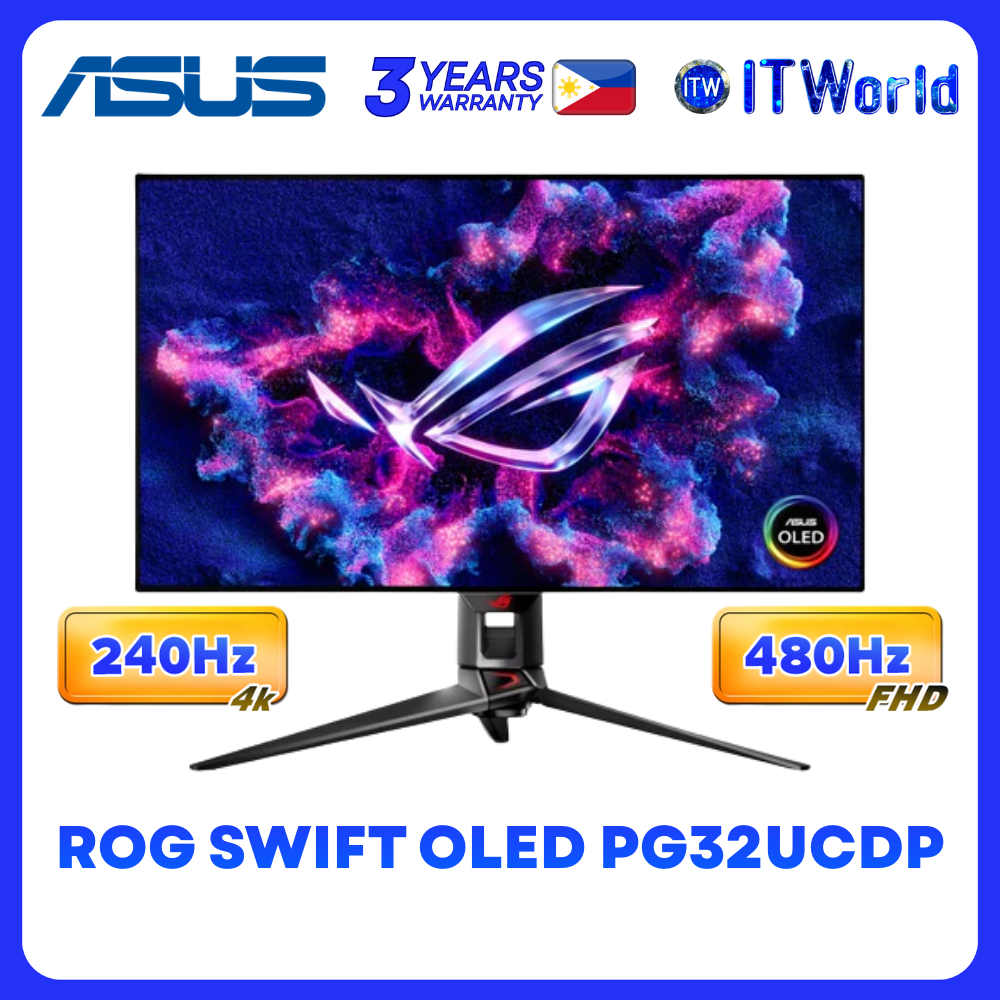
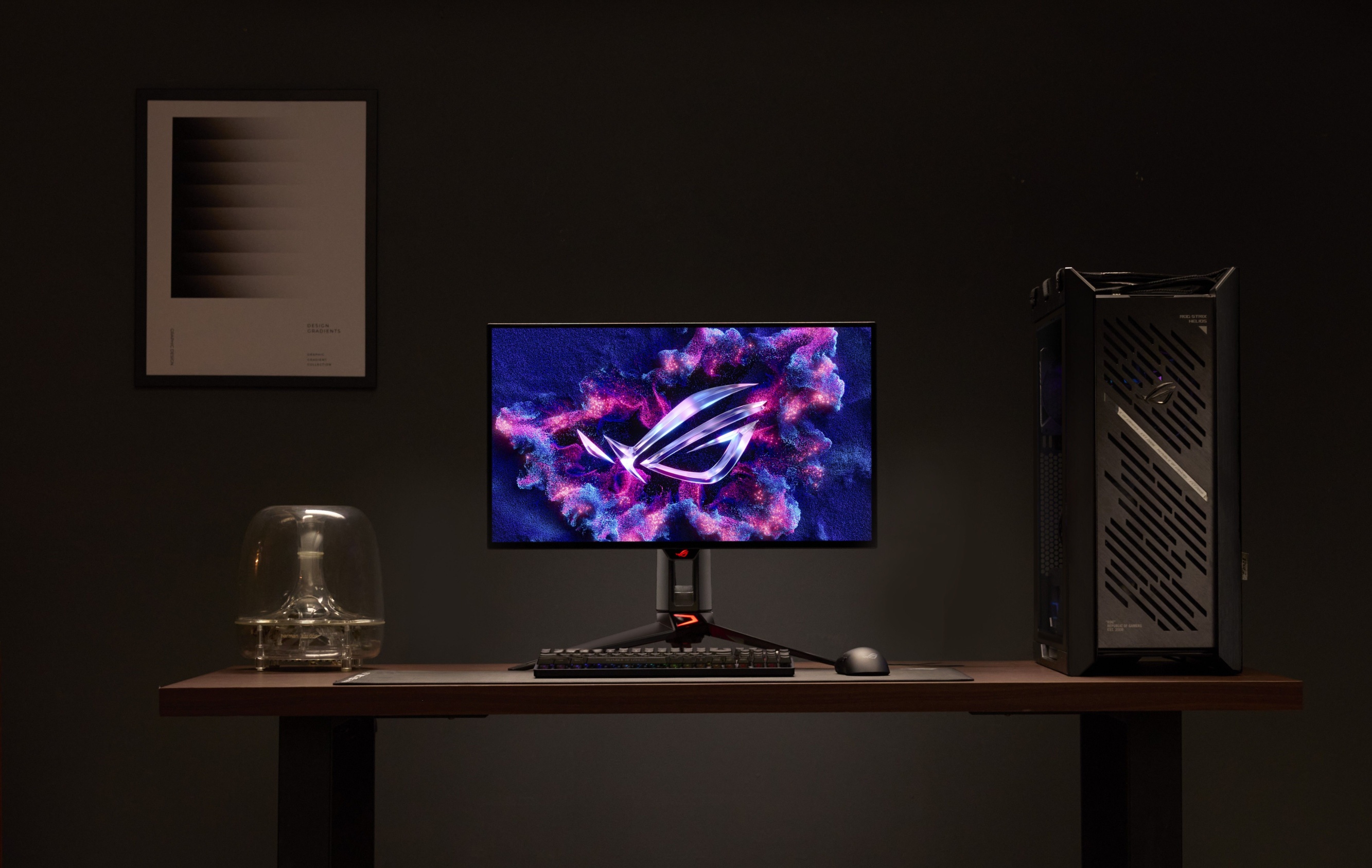
ASUS ROG’s PG27UCWM and PG32UCWM are flagship Tandem RGB OLED gaming monitors that combine a 4K 240Hz display with an optional 480Hz full-HD mode, 1,000-nit peak HDR brightness, and an efficient GaNFET power supply aimed at high-end gaming and content-creation setups. That combination makes them the most aggressive attempt yet to fuse competitive-grade speed with creator-grade image quality in a single OLED gaming monitor line. ASUS Republic of Gamers announced availability of the ROG Swift OLED PG27UCWM (26.5-inch) and PG32UCWM (31.5-inch) Tandem RGB OLED gaming monitors today, marking the first time this panel generation has shipped in displays purpose-built for gaming. These high-end gaming displays use a true RGB stripe OLED layout with a TrueBlack Glossy coating, aiming squarely at enthusiasts who want one screen that can do both ranked play and HDR editing without obvious compromises. The headline promise is simple: unmatched OLED clarity and motion, without sacrificing brightness or panel lifespan the way single-stack OLEDs often do.
Tandem RGB Technology: Why 1,000 Nits Changes the HDR Game
The core of these OLED gaming monitors is LG Display’s four-stack Tandem architecture, which ASUS markets as True Tandem RGB OLED. Standard gaming OLED panels rely on a single emissive stack, which limits peak brightness and stresses the panel over time. By stacking multiple emissive layers vertically and connecting them through a charge-generating layer, Tandem OLED spreads the light-producing work across four layers instead of one, cutting heat and per-layer current stress while raising the brightness ceiling into new territory for OLED. In practice, that means both monitors hit 1,000 nits of peak HDR brightness with a claimed 1,500,000:1 contrast ratio, 99% DCI-P3 coverage, true 10‑bit color, factory-calibrated Delta E under 2, and Dolby Vision support. Dropping the white subpixel used in older WOLED designs and going pure RGB stripe has a direct payoff: text is sharper and color volume at peak brightness increases by up to 27 percent compared to previous WOLED panels. For HDR-focused gamers and creators, this is the first OLED generation that competes honestly with high-end LCD HDR in both punch and precision instead of asking you to trade one for the other.
Dual-Mode Refresh Rates: 4K 240Hz vs FHD 480Hz in Real Use
The most gamer-facing feature on these high-end gaming displays is Dual Mode: a hardware hotkey that flips the panel between 4K at 240Hz and full-HD at 480Hz. In 4K@240Hz mode, you get the full 3840×2160 resolution and a 240Hz ceiling, fed by DisplayPort 2.1a UHBR20’s 80 Gbps bandwidth. That configuration is tailor-made for cinematic single-player titles and content creation, where pixel density and HDR fidelity matter more than absolute frame-time granularity. Toggle the hotkey and the panel drops to 1920×1080, pushing its refresh rate to 480Hz for competitive players in fast-paced games where motion clarity and response dominate the experience. ASUS pairs this with a claimed 0.03 ms response time to eliminate ghosting and blur in high-speed scenarios. It is a bold attempt to make one OLED gaming monitor serve both as an esports tool and a 4K creative canvas. The catch is that the panel’s known near-black uniformity issue becomes more visible at higher refresh rates, so the FHD@480Hz mode is also where its limitations show most clearly.
GaNFET Power, AI Controls and the Dark-Scene Trade-Off
ASUS did not stop at the panel. The PG27UCWM and PG32UCWM replace the previous silicon MOSFET power supply with a gallium nitride field-effect transistor (GaNFET) design, cutting waste heat by about 35 percent and vent temperature by around 10 percent, with an estimated 25 percent improvement in panel lifespan. According to ASUS, “GaNFET technology achieves nearly 35% less waste heat and a 10% drop in vent temperature when compared with previous OLED monitors without it.” In high-end builds where the monitor is another heat source in an already dense desk setup, this is more than a spec-sheet boast; it directly affects comfort and long-session reliability. On the usability front, ASUS adds Enhanced OLED Care Pro and AI agent-ready controls. A Neo Proximity Sensor can trigger panel protection after an Auto Away timer, and users can ask a compatible AI agent—via ASUS’s CLI and Agent Skill—to switch profiles, modes and color settings with natural-language requests. That is welcome ergonomics, but it does not erase the underlying dark-scene limitation. At very low luminance levels, typical of desktop dark modes and horror games, the four-stack Tandem WOLED panel’s digital-to-analog converter can produce micro-current variation that appears as visible gray banding, more pronounced on this generation than earlier WOLED or QD-OLED and worse at higher refresh rates. For players who live in dark scenes, that is a real reason to hesitate.
Who Should Buy the PG27UCWM or PG32UCWM—and Who Should Wait
For many high-end gamers, these OLED gaming monitors are the first credible single-screen solution for both play and work. The 26.5‑inch PG27UCWM suits tighter desks and closer viewing, while the 31.5‑inch PG32UCWM gives you more screen real estate without jumping to TV-scale dimensions. If your library leans toward bright, HDR-rich titles and you care about 4K fidelity as much as competitive performance, the mix of Tandem RGB technology, 4K 240Hz, and FHD 480Hz is compelling. But the known gray-banding at very low luminance levels is not a footnote; it is a documented characteristic of this panel generation that both the panel maker and ASUS have acknowledged. It shows most in dark-scene gameplay and desktop dark themes, and it becomes more apparent at 480Hz. Ordinary users who mostly play varied, mid-brightness content may rarely notice it. Competitive players and content creators who prize HDR punch and responsiveness over perfection in black-uniform test patterns will likely accept the trade. If your work or favorite games revolve around subtle near-black detail, you may be better off waiting to see how future production runs and alternative panel types handle low-luminance uniformity before committing. In short, the PG27UCWM and PG32UCWM are milestone high-end gaming displays that finally give OLED the brightness and speed it has lacked—but they are also a reminder that every generational leap comes with its own new flaw. Know which side of that trade you live on before you buy.