
RTX-On at Launch: What Gears of War E-Day Is Really Doing
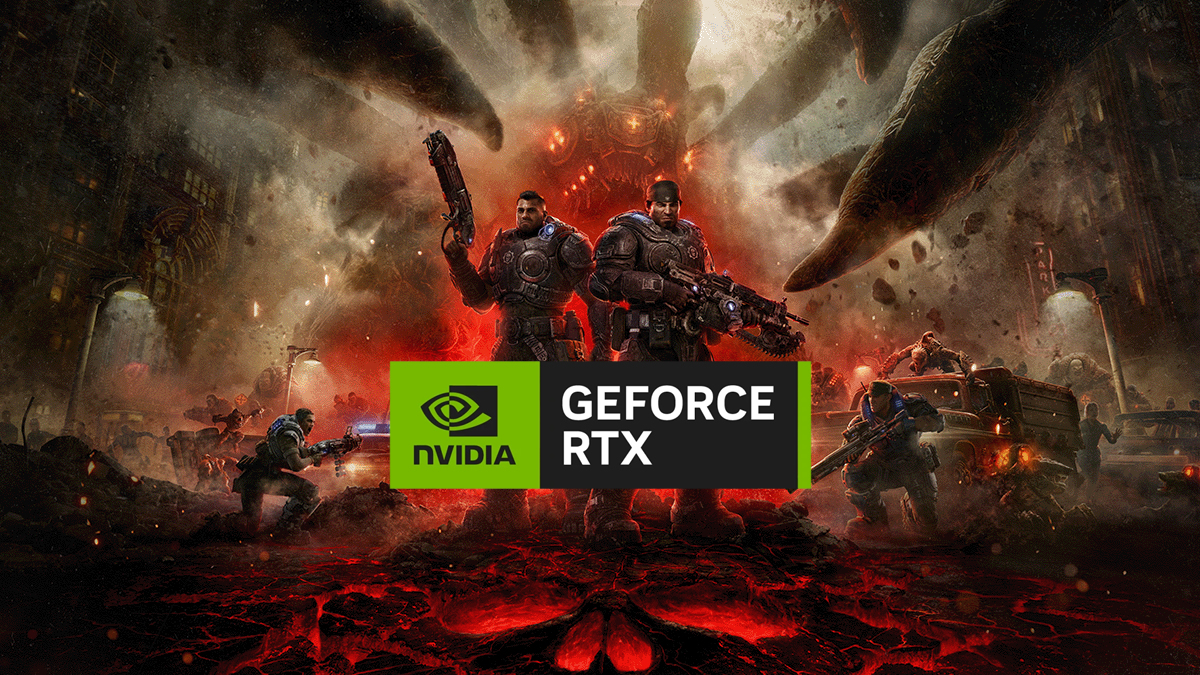
Gears of War: E-Day is a third-person shooter built on Unreal Engine 5.8 that launches on PC with day-one RTX ray tracing gaming support, including DLSS 4.5 upscaling, multi-frame generation, Dynamic Frame Generation, and Nvidia Reflex on compatible GeForce RTX graphics cards, turning the game into a flagship example of modern PC rendering and performance technology. This is not a cosmetic checkbox; it is a signal that RTX features have shifted from optional extras to core design pillars. Nvidia and The Coalition have already released a PC-focused RTX trailer confirming official RTX support at launch, underscoring that the PC version is meant to stand as a reference for what their hardware and engine tools can do when pushed hard. The key takeaway: if you own an RTX graphics card, E-Day is designed to make full use of it from day one.
Ray Tracing, MegaLights, and Nanite: How E-Day Changes the Look of Gears
The Coalition is betting that ray tracing is no longer a niche setting but the default visual target for Gears of War E-Day. With Unreal Engine 5.8, the game uses ray tracing extensively, including a feature called MegaLights for performant ray-traced shadows with up to 100 light sources on both PC and consoles. Combined with Lumen-powered ray-traced global illumination and ambient occlusion, lighting is meant to react convincingly to explosions, muzzle flashes, and dynamic destruction instead of faking the effect with baked maps. On all platforms, ray tracing is described as “a must,” not an optional slider buried in menus. At the same time, Nanite pushes scene geometry to new extremes, with object detail claimed to reach up to 100 times that of Gears 5. That level of density would normally crush frame rates, which is why RTX ray tracing gaming in E-Day has to be paired with smarter performance tech rather than brute-force rendering.
DLSS 4.5 and Frame Generation: Performance First, Then Eye Candy
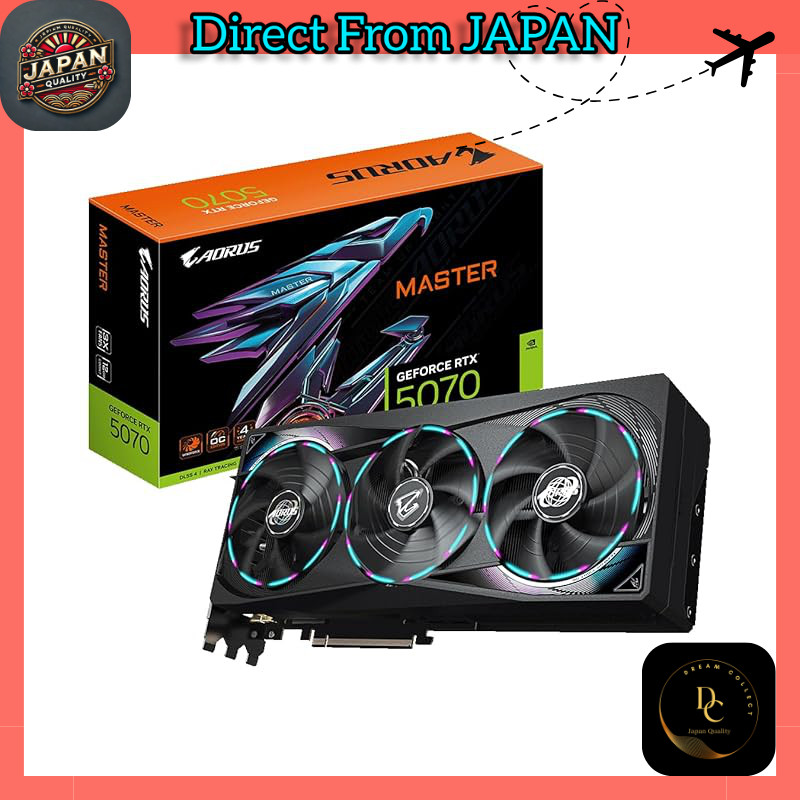
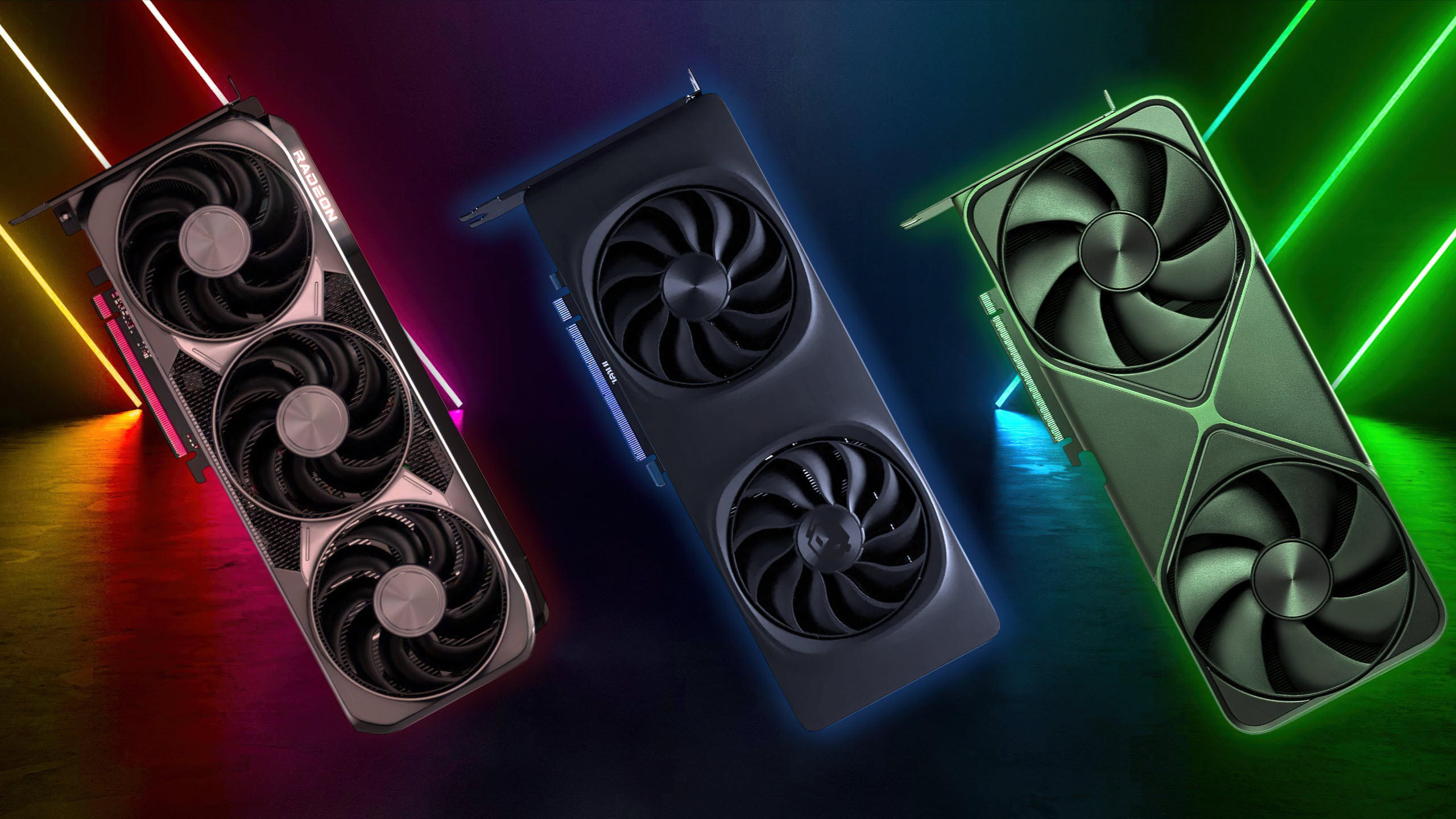
E-Day’s graphics settings only matter if you can keep the game feeling smooth, and that is where DLSS frame generation and RTX graphics card performance come in. On compatible GeForce RTX hardware, the game supports DLSS 4.5 upscaling, multi-frame generation, and Dynamic Frame Generation. Upscaling lets the GPU render at a lower resolution and reconstruct a sharper image, while frame generation synthesizes additional frames between rendered ones, raising perceived frame rate at high settings without needing proportionally more raw compute. According to Nvidia’s RTX trailer, this is paired with Nvidia Reflex, which cuts PC input latency so the game responds faster and feels more immediate in both campaign and competitive modes. In practice, the message is blunt: run ray tracing and Nanite-heavy Gears of War E-Day graphics, then rely on DLSS 4.5 and frame generation to hit performance targets your card could not reach with native rendering alone.
RTX Spark and Sega: Why E-Day’s Tech Stack Matters Beyond One Game
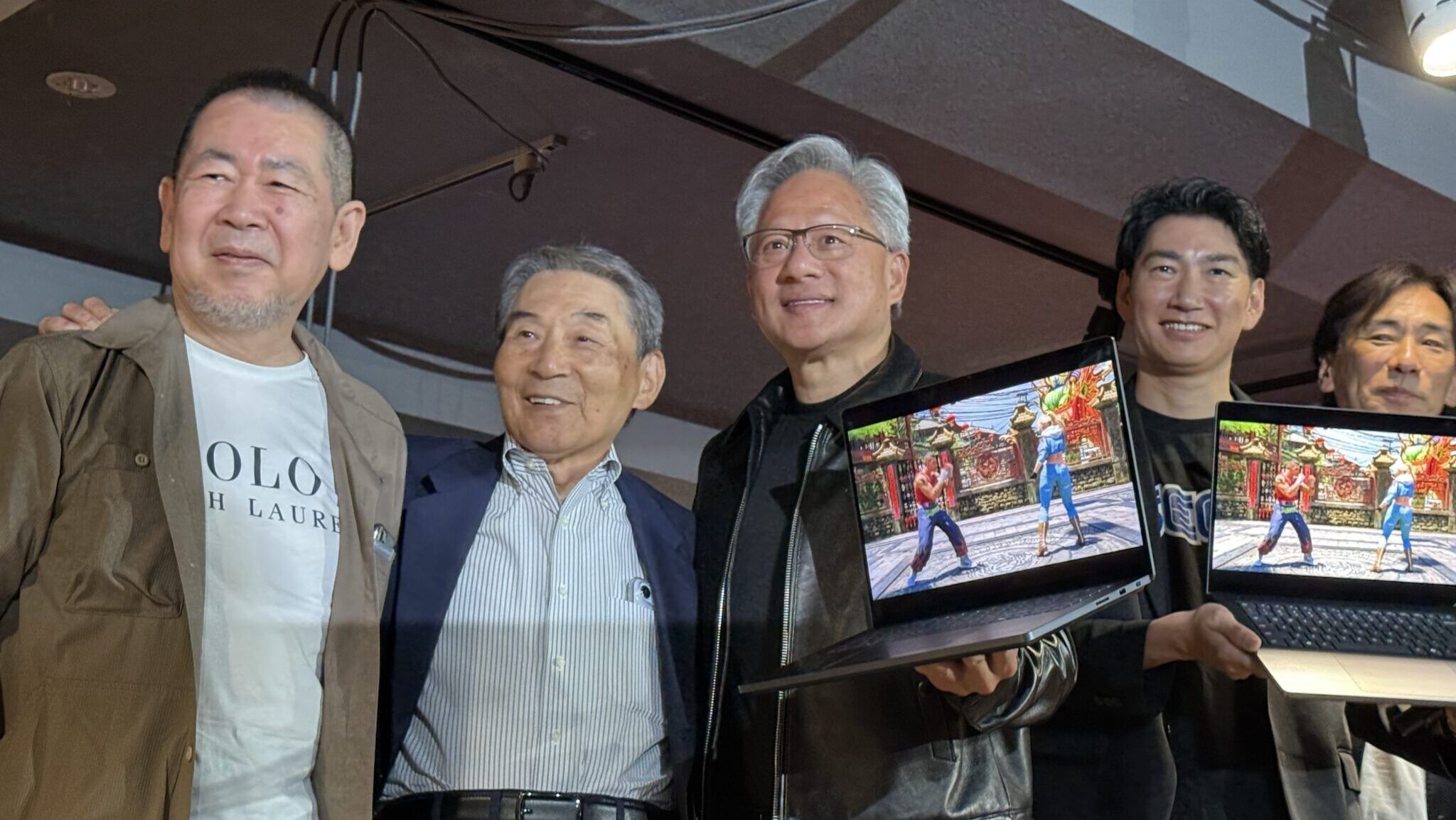
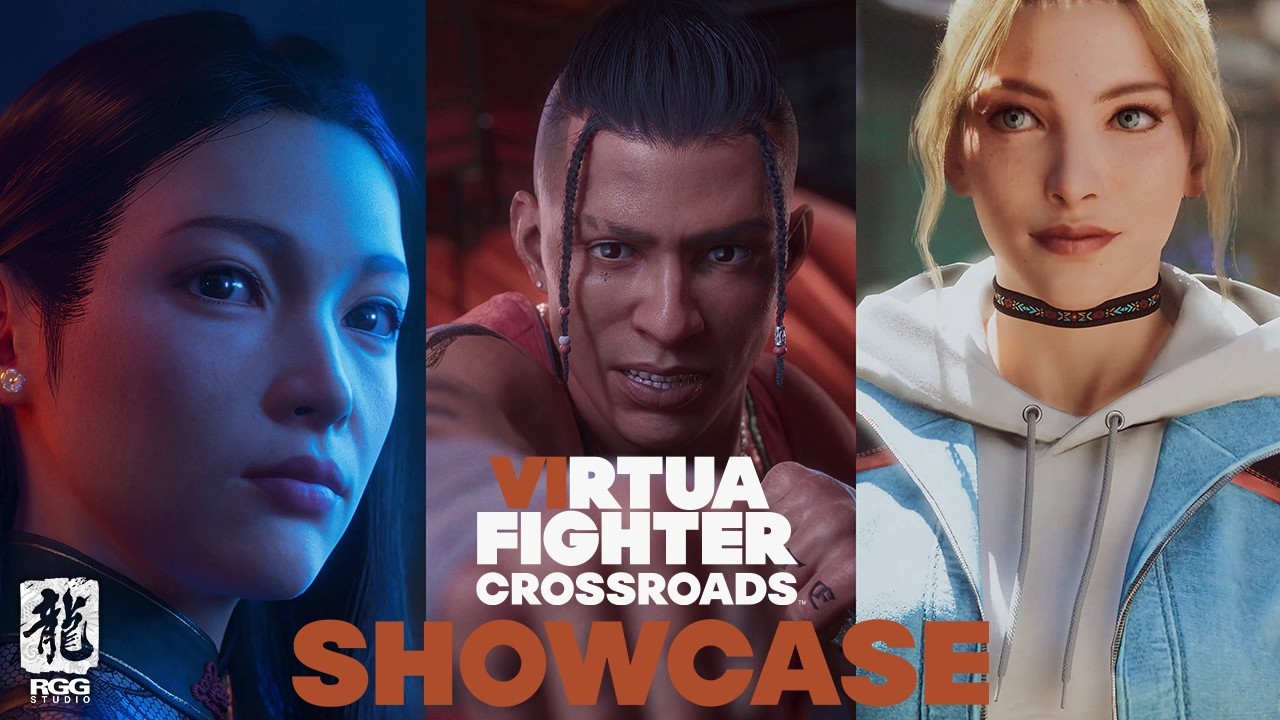
Gears of War E-Day’s approach does not exist in a vacuum. Nvidia’s RTX Spark platform, which arrives later this year, is being built around the GB10 Superchip to support an agent-style AI PC vision, and gaming is part of that plan. Sega has committed to support RTX Spark starting with Virtua Fighter Crossroads, due in 2027, along with future titles from major series such as Yakuza, Persona, Alien: Isolation 2, and Total War: Warhammer. Future Sega games are expected to use DLSS technologies like upscaling and Multi Frame Generation to get the best experience on RTX Spark systems, where unified memory and limited bandwidth can bottleneck performance even though the GPU compute capabilities look similar to a desktop RTX 5070 on paper. In other words, E-Day’s DLSS frame generation and ray tracing blend is a preview of how big publishers will design around RTX graphics card performance constraints instead of fighting them.
What This Means for PC Players as E-Day and Spark Roll Out
For PC players, the takeaway is clear: the future of high-end action games pairs aggressive visual features with AI-driven performance tools by default. Gears of War: E-Day lands on PC and Xbox on October 6th 2026, with an open beta next month and early beta access for pre-orders beginning August 6th. That beta will effectively serve as a public stress test of RTX ray tracing gaming and DLSS frame generation across a wide range of systems. At the same time, RTX Spark will arrive in the fall, aiming to redefine how Windows and applications run on GB10-based AI PCs. Whether Spark reshapes general PC computing remains uncertain, but fans of Sega’s IP have been promised a first-class experience for upcoming titles on RTX Spark systems. The direction of travel is unmistakable: ray tracing, DLSS, and frame generation are becoming core assumptions of AAA development, not fringe features.