
What This CPU Value Comparison Is Really About
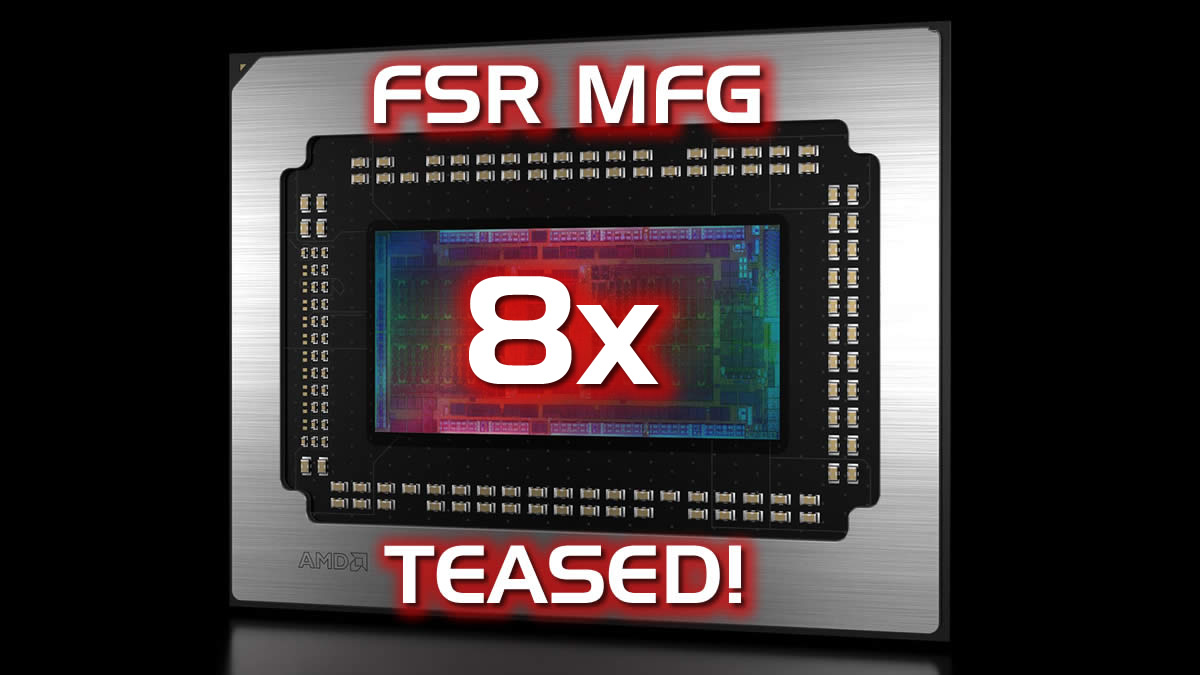
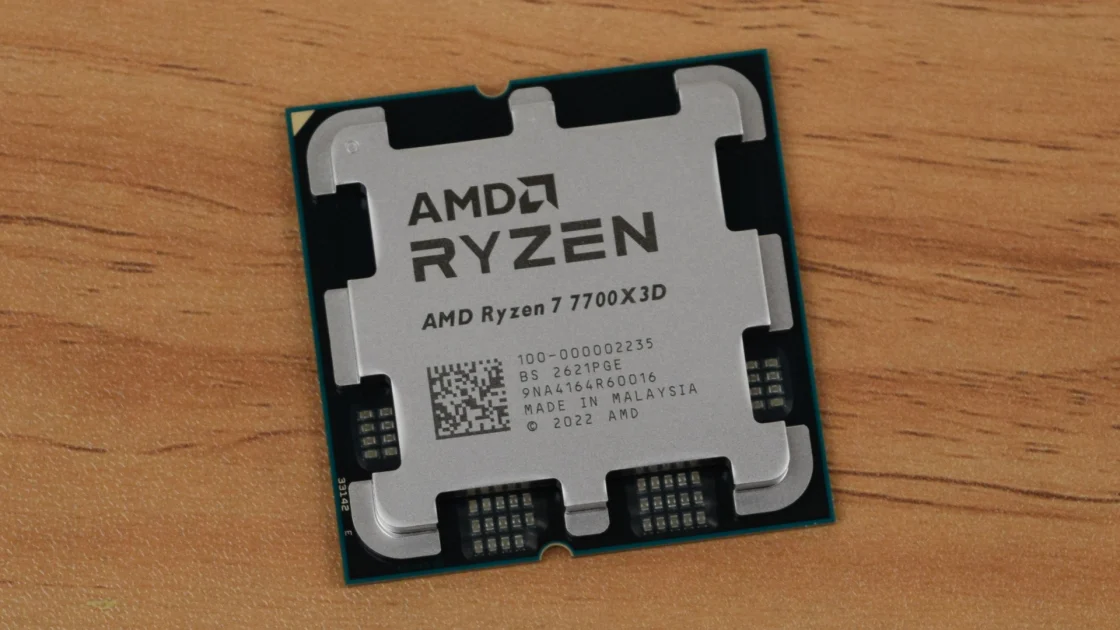
A CPU value comparison between the Ryzen 7700X3D and Intel’s Core Ultra 7 270K is an assessment of which processor returns more gaming performance per dollar and better real-world usability for budget-conscious builders when both occupy a similar price tier, focusing less on theoretical benchmarks and more on frame rates, efficiency, and how each chip fits a dedicated gaming PC. In gaming tests, the Ryzen 7 7700X3D tends to trail in pure CPU workloads but shows a clear competitive edge once you look at in-game FPS, beating several higher-end chips that lack 3D V-Cache in titles like Cyberpunk 2077 and F1 2024. That contrast—mediocre general compute, strong gaming—sets the tone for comparing it against the Core Ultra 7 270K, which aims at broader performance but does not consistently outpace the 7700X3D in the games that matter.
Ryzen 7700X3D Gaming Performance vs Core Ultra 7 270K
For pure gaming value, the Ryzen 7700X3D gaming story is stronger than its synthetic CPU numbers suggest. In Cyberpunk 2077, it lands mid-pack but still outperforms chips without 3D V-Cache, including the Ryzen 9 9950X and Intel Core Ultra 9 285K. The Core Ultra 7 270K Plus essentially ties the 7700X3D at common test settings, yet the AMD chip edges ahead once the game is pushed to 4K resolution. In F1 2024, the 7700X3D again sits near the 9950X, while Intel’s processors fall further behind. That pattern matters: when both processors are positioned in a similar price band, a tie or slight lead in popular titles suggests the 7700X3D offers equal or better gaming performance per dollar, even without winning every benchmark. Budget-oriented builders focused on modern AAA games will feel the difference more than spreadsheet benchmark charts can show.
The Hidden Trade-Off: Content Creation and CPU Workloads
The catch with the Ryzen 7700X3D is outside gaming. While its in-game benchmarks show a clear competitive edge, it is often the slowest chip in broader CPU tests. Performance-per-dollar charts for non-gaming workloads are built around tasks like video editing, 3D rendering, and data processing; they reveal how much "processing power you get for each dollar" in these applications. In that context, the 7700X3D’s focus on cache-driven gaming speed becomes a liability. A chip like the Core Ultra 7 270K, aimed at general performance, is likely to feel faster when you export a project, render a scene, or run heavy productivity suites. Builders who need their rig to double as a content creation workstation should see the 7700X3D as a gaming specialist: excellent on the battlefield, less impressive in the timeline or render queue, where raw CPU throughput matters more than clever cache design.
Gaming Performance per Dollar and Shared Caveats
When you compare cost per frame, you are looking at how much you pay for each rendered frame, based solely on CPU cost and ignoring power usage or other hardware expenses. That metric strongly favors chips that turn extra cache or smart design into higher FPS without a large price premium—exactly the niche the Ryzen 7700X3D occupies in games where its cache can stretch ahead of similarly positioned Intel parts. But both CPUs share important caveats. First, performance-per-dollar charts for applications and games say nothing about electricity cost or long-term efficiency, so energy-conscious builders should not see them as the whole story. Second, the in-game results used to highlight the 7700X3D’s edge are based on a system equipped with an Nvidia GeForce RTX 5090, the most powerful GPU available; with a weaker card like an RTX 5080, those frame rates drop and the 7700X3D’s small advantage shrinks further, especially as you move down the GPU hierarchy.
Value Verdict for Budget-Conscious Gaming Builders
Taken together, the evidence points to a clear stance: if your priority is gaming performance per dollar and you stay within similar processor price comparison brackets, the Ryzen 7700X3D is the more compelling choice for a dedicated gaming PC. Application-focused performance-per-dollar charts remind us that it is weaker for heavy non-gaming workloads, yet in titles like Cyberpunk 2077 and F1 2024 it matches or beats more expensive chips that lack 3D V-Cache, while Intel’s gaming-focused Ultra parts fail to establish a consistent lead. The quotable conclusion is that "the 7700X3D was often the slowest chip in the CPU tests, but in-game benchmarks showed the 7700X3D's competitive edge". If you build primarily to game, that edge is where your money works hardest; if you balance gaming with serious content creation, the Core Ultra 7 270K’s broader CPU strength may justify sacrificing a bit of that gaming-focused value.