

The end of discs and the return of real ownership
DRM-free game ownership and DIY PC game storage solutions describe the growing practice of downloading offline installers from DRM-free stores, backing them up to discs, USB drives, or SSDs, and treating those backups as a personal, portable game library that remains usable even if a storefront or account disappears. This movement is accelerating as major console makers step away from physical media and subscription models weaken the idea that a purchased game is something you own rather than rent from a corporate server. Sony’s decision to stop producing physical game discs after 2028 is more than a format change; it signals the end of an era where a boxed game could be bought, resold, or played indefinitely without asking permission from a platform holder. When a consumer advocate warns that “no discs means no second-hand market and no alternative to the PlayStation Store,” they are spelling out the stakes: after 2028, Sony alone decides what a game costs and how long you are allowed to use it. That prospect has pushed many players to look at the PC not only as a flexible platform, but as the last refuge of actual game library preservation. On PC, some stores still promote the idea that you can own what you buy. One prominent DRM-free platform boasts that its games contain no client lock-in, and that you can do whatever you want with them, including long-term backup. That stands in direct contrast to subscription services and online-only launchers, where access can vanish when licenses change or accounts are closed. As physical media fades, the choice is stark: accept a rental relationship with your games, or build your own physical media alternative.
DRM-free platforms as a quiet rebellion against subscription culture
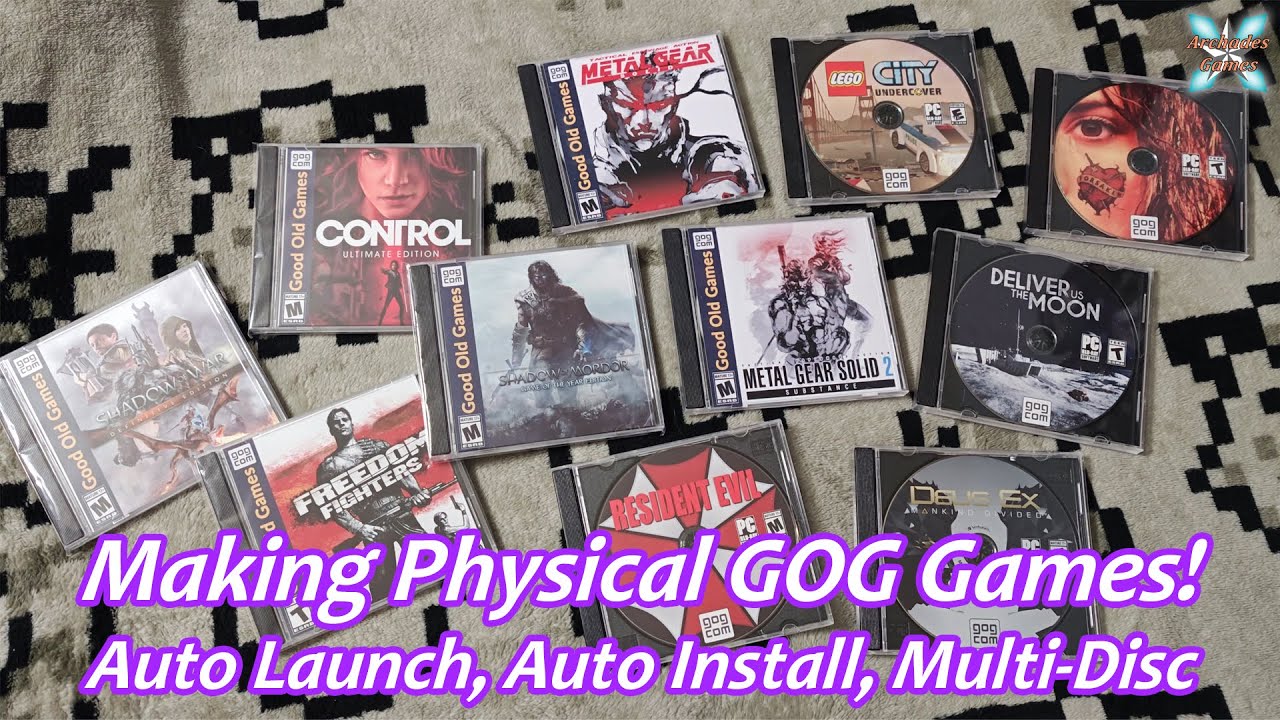
The most practical resistance to the end of discs is happening far from console storefronts, in the quiet workflows of PC players downloading DRM-free installers and archiving them like digital box copies. One DRM-free store recently reminded users that they can download an offline installer for any of their games, save it to a disc, and keep it forever, with no need for a storefront’s permission to play what they bought. In other words, the store sells files, not a gatekeeping service. This stands in sharp contrast to launchers that insist on being present every time you start a game. Even on platforms that host some DRM-free titles, plenty of games still require the software client to launch, tying your purchase to account status and backend policy decisions. When access is conditional, ownership is fragile. We have already seen players lose libraries because of bans, region changes, or store closures. That is the “digital not-quite-ownership” problem: you pay, but someone else holds the keys. By comparison, downloading and backing up installers is an unglamorous but powerful form of protest. One writer admitted buying a discounted copy of Baldur’s Gate 2 for five bucks (approx. ₱280) on a DRM-free store just to avoid digging out a physical box and sitting through a five-disc install process. Convenience and preservation aligned in that decision: the game became a simple folder that could be stored wherever they wanted, without dependence on a central server. As subscription plans proliferate, this kind of DRM-free game ownership becomes less a niche preference and more a statement that games should be bought, kept, and played on the player’s terms.
From discs to USB drives and SSD “cartridges”
Once you accept that your PC can be your long-term archive, the next step is practical: how do you store and move that archive? Here, DIY PC game storage solutions are filling the void left by retail discs. On the simple end, DRM-free stores let users download backup installers and burn them onto optical discs like any other file, even grouping multiple games on a single disc. For anyone with an interest in game preservation, keeping an internal or external optical drive around is common practice, a hedge against account loss and future store shutdowns. Yet the hardware landscape has changed. Many PCs ship without optical drives, and blank discs feel like relics. Players are responding by treating USB flash drives and external SSDs as a modern physical media alternative, storing installers and complete game folders on them. Plugging in a USB stick may lack the tactile appeal of sliding a disc into a tray, but functionally it does the same thing: it turns a vulnerable download into a portable object you can place on a shelf. Some enthusiasts have taken this further, building bespoke systems that give digital games a cartridge-like presence. These are not nostalgia projects alone; they are practical experiments in independence. By making games portable at a hardware level, players reduce their reliance on any single corporate ecosystem and add another layer of resilience to their collections.
The SSD “game cartridge” experiment and what it means
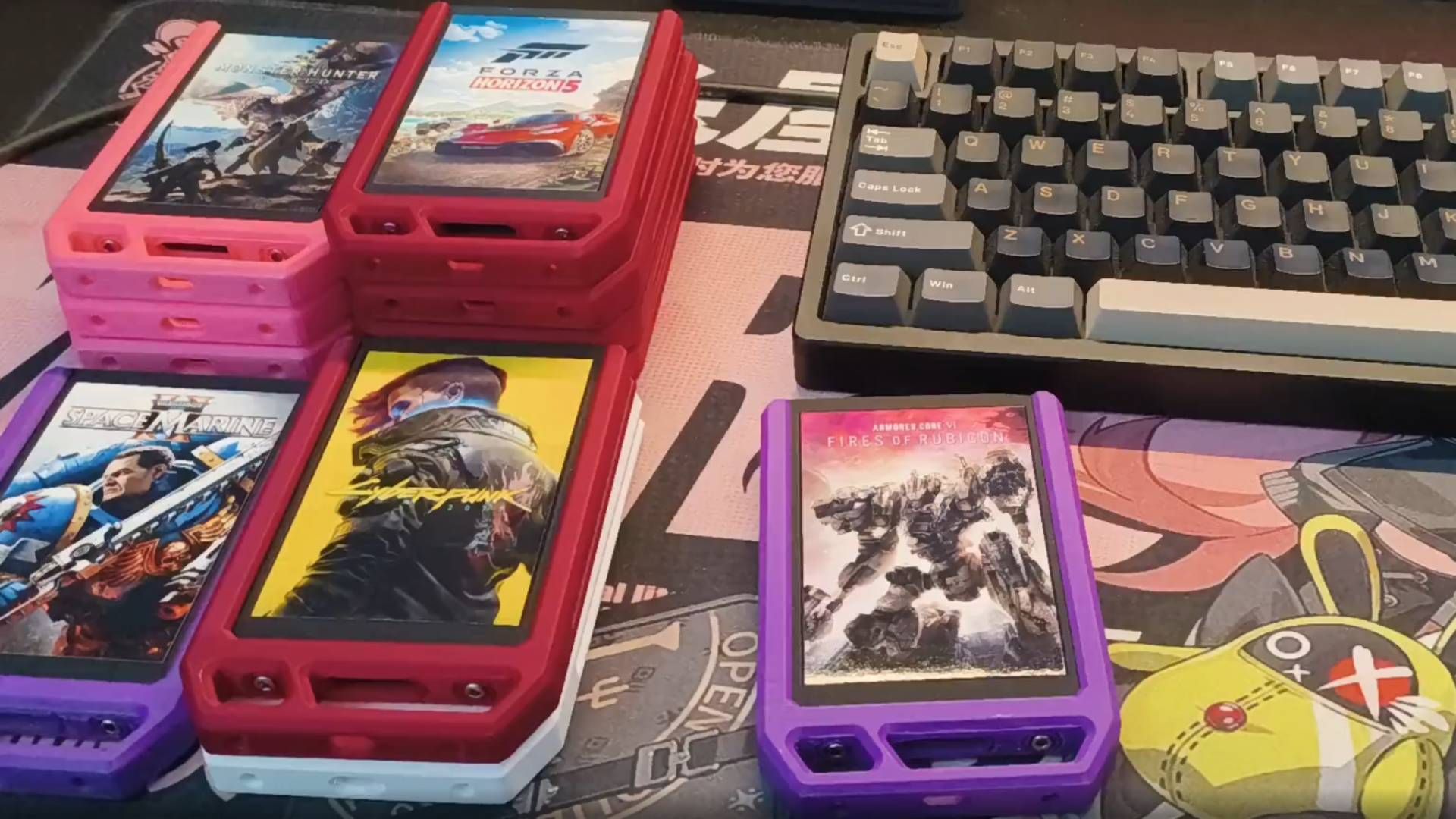
One striking example of this trend comes from a PC player who assembled a game cartridge system for their library using second-hand 2.5-inch SATA SSDs. They scored a bulk lot of 128 GB drives for only €7 (USD 8, approx. ₱450) each, likely pulled from refurbished PCs, and loaded individual games onto these SSD “cartridges.” Each drive sits in a colourful housing featuring the game’s cover art, so sliding one into the dock looks and feels closer to inserting a classic console cartridge than clicking a launcher icon. The project goes beyond aesthetics. When a cartridge SSD is inserted into the dock, a script uses the Steam browser protocol to jump straight to the game’s library page, and the system can even be set to launch the game immediately. The result is a hybrid between digital convenience and physical ritual: your Steam games remain on a popular platform, but the act of playing them is tied to a physical object under your control. Of course, this setup depends heavily on finding cheap SSDs, and the creator admits they “just got lucky” with pricing. With memory costs spiking, most people would pay far more for a stack of drives than for the games stored on them. Yet that impracticality is part of the point. The project shows what game library preservation can look like when the player, not the platform, defines the rules. It proves that modular SSD-based libraries are technically possible today, even if they remain a hobbyist luxury rather than a mass-market solution.
Preservation, power, and the future of owning games
The affection many players have for physical media is not misplaced nostalgia; it is a rational response to a market that treats software as revocable access. When Sony announces an end to disc production and critics warn that this kills the second-hand market and alternatives to the official store, they are highlighting a shift in power, not just format. Without discs, your ability to buy, lend, or resell games depends entirely on terms written by the platform holder, and those terms can change at any time. On PC, the landscape is messier but more hopeful. There are still DRM-free games that do not require a client to launch, and stores that explicitly encourage offline installers and disc backups. There are also many games tied tightly to launchers, and the anxious question “how much do you really own your digital games?” will not go away while that remains true. This tension has pushed preservation-minded players toward redundancy: optical drives tucked in drawers, USB sticks labeled with franchises, SSDs stacked like cartridges. These habits matter because they treat game library preservation as a personal responsibility rather than a corporate promise. Protection against the “vagaries of digital not-quite-ownership” is valuable, even if you never face the worst-case scenario of losing an account or watching a store shut down. The future of owning games is not going to be handed back by the companies walking away from discs. It will be built, bit by bit, by players who refuse to give up the idea that the games they buy should be theirs to keep, backed up on hardware they control, and playable far beyond the lifespan of any single storefront.