
SmartTag 3: A Definition and the Big Promise
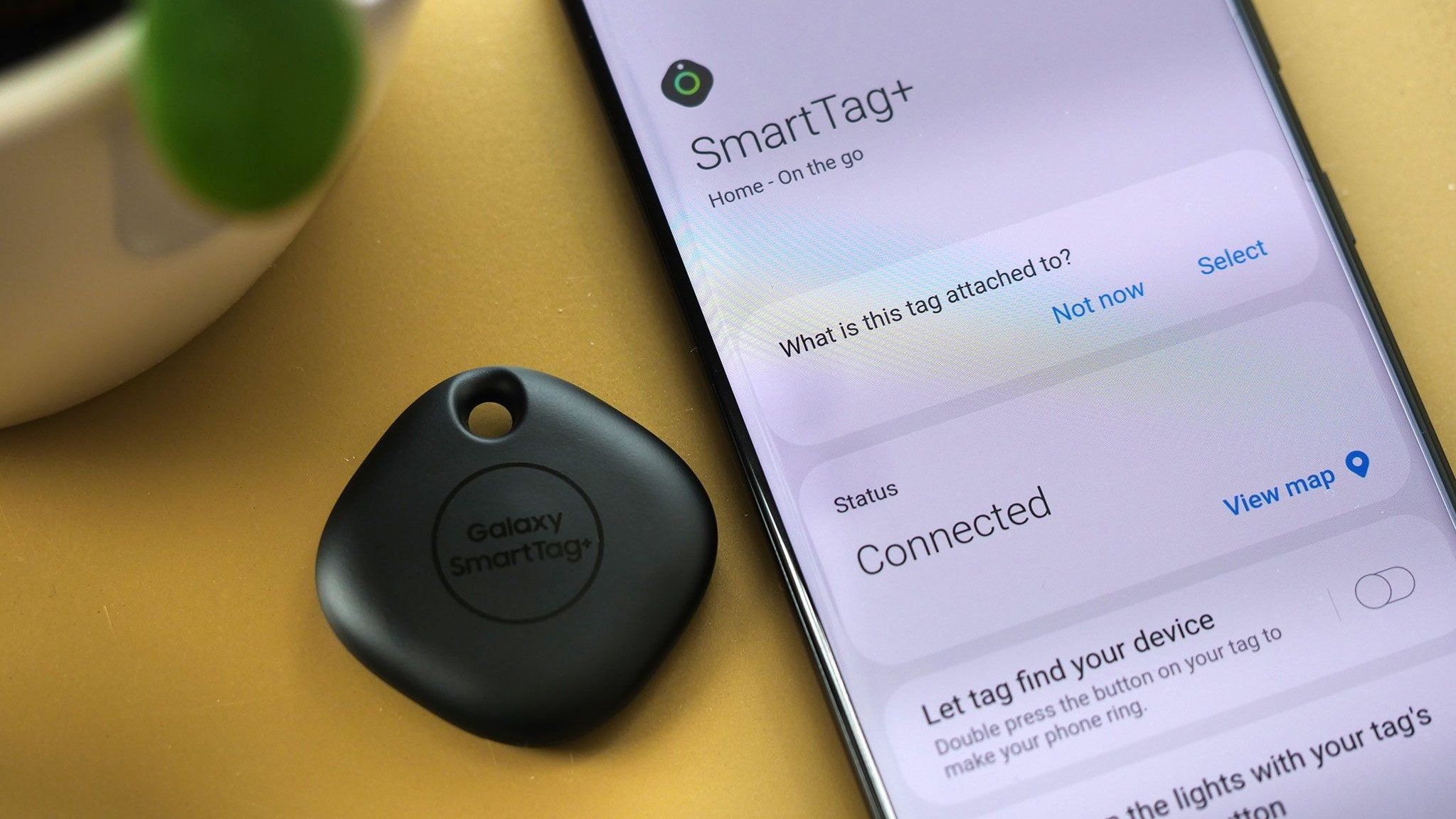
Samsung SmartTag 3 is an upcoming Bluetooth-based Android tracking device that is expected to succeed the SmartTag 2 and help users locate everyday items like keys, bags, and luggage through Samsung’s SmartThings Find network and nearby Galaxy phones, promising more precise and reliable tracking compared with earlier generations of Samsung’s item trackers.
The key takeaway is simple: SmartTag 3 cannot afford to be incremental. After nearly three years without a new Galaxy tracker, Samsung has built up expectations for a major leap in how its devices find lost belongings. According to Roland Quandt, Samsung is prepping SmartTag 3 for release alongside the Galaxy S26 FE, with the tracker release date likely landing around a September launch window. That timing matters. It positions SmartTag 3 not as a side accessory, but as a headline feature in Samsung’s broader ecosystem push.
In other words, SmartTag 3 is arriving at a pivotal moment when tracking networks are becoming core platform features, not niche gadgets. Samsung either seizes this moment or watches rival ecosystems define how Android users track their lives.
Why Samsung Is Moving Now After a Three-Year Gap
The long development cycle behind Samsung SmartTag 3 is the strongest signal that the company recognises its trackers are overdue for serious change. SmartTag 2 launched back in 2023, and the new model would arrive after a wait of nearly three years. In that time, Apple’s Find My network expanded and Android’s Find Hub grew with help from third-party Bluetooth trackers, leaving Samsung’s ecosystem looking increasingly isolated.
SmartTag 2 still relies on Bluetooth 5.3 and remains locked inside the SmartThings Find network, which continues to trail Apple’s Find My in the sheer number of devices able to help locate lost items. That gap is not academic; it means fewer phones pinging your missing backpack and a higher chance that a tracker falls off the grid when you need it most. Annoyingly, no SmartTag hardware works outside Samsung’s own network, which limits usefulness for Android users who do not own Galaxy phones.
Given that the previous generation launched way back in 2023, the move to a SmartTag 3 is unsurprising and, frankly, overdue. The three-year pause raises expectations that Samsung has spent time rethinking how its Android tracking device fits into a fast-evolving market, not merely tweaking radios and plastics.
Rumored SmartTag 3 Features: Catch-Up or Breakthrough?
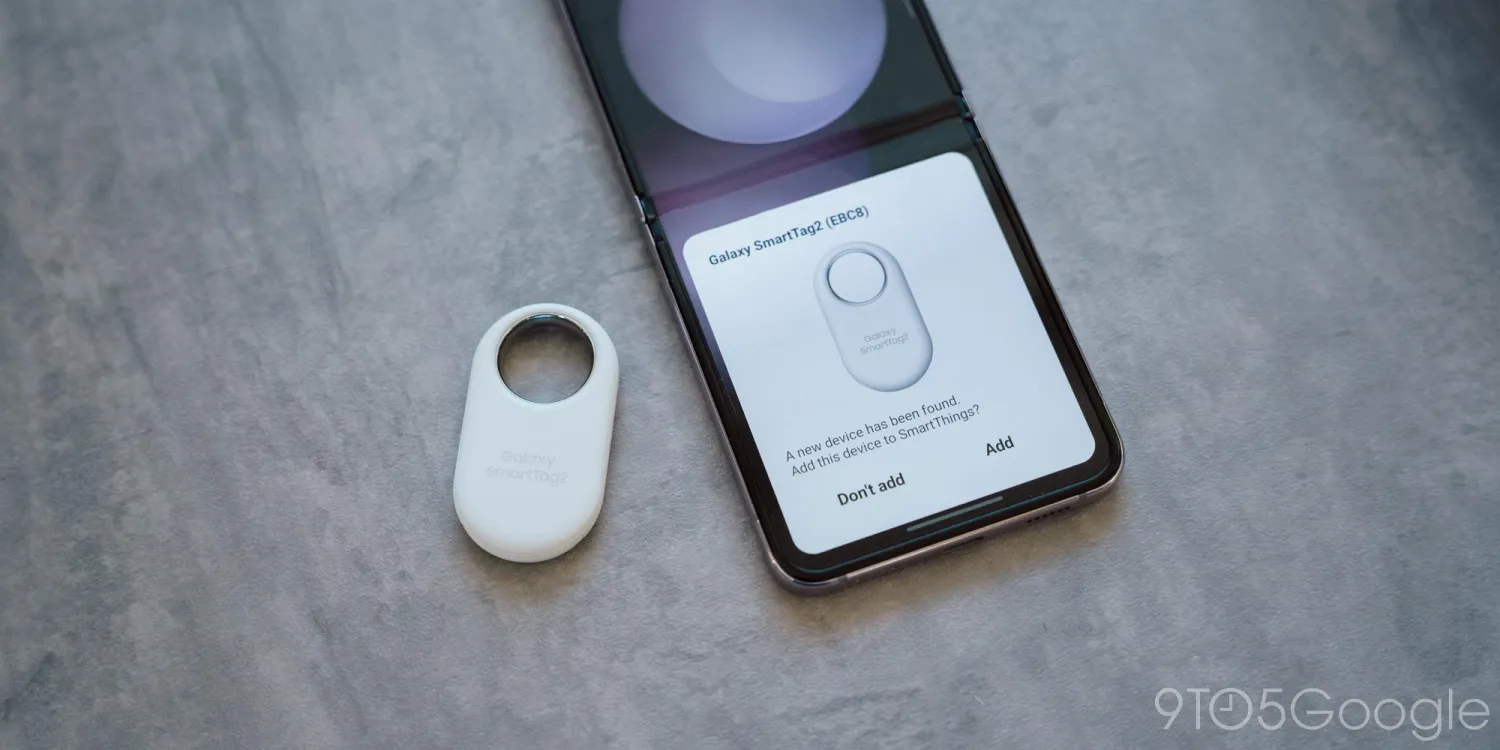
Hardware details for Samsung SmartTag 3 are still under wraps, but the direction of travel is clear: this tracker has to modernise both its internals and its network. An upgrade to a newer Bluetooth standard is an obvious step, yet a simple radio bump is not enough to matter in 2026. The real battleground is how SmartTag 3 combines Bluetooth, potential ultra-wideband (UWB) support, and crowdsourced location data into a smoother everyday experience.
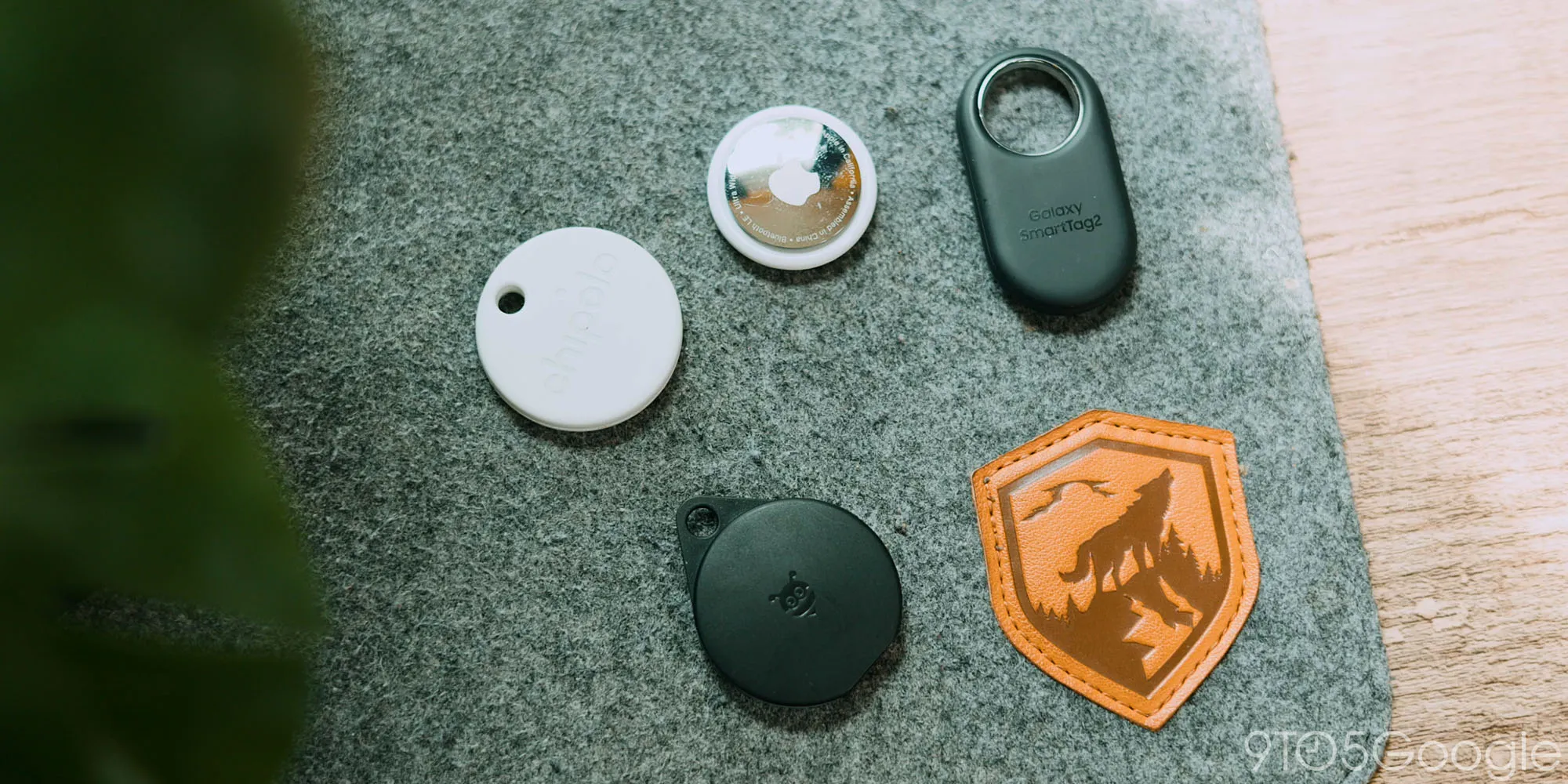
No doubt UWB connectivity will be a priority for the new tracker, even if detailed specs have not surfaced from leaks. UWB would allow much more precise, directional tracking when a phone is in range, turning the process of finding your bag into a guided search rather than a vague signal hunt. On the network side, smarter crowdsourced tracking would help SmartTag 3 become more competitive against leading Bluetooth trackers like Apple’s AirTag and Google’s Find Hub-compatible devices.
Right now, SmartTag 2 already offers impressive accuracy and consistency provided you own a Samsung Galaxy phone, with testing showing near live tracking of luggage in some scenarios. That strong base gives Samsung room to innovate. The question is whether SmartTag 3 will push beyond “quietly the best option” for Galaxy users into a tracker that redefines expectations for Android owners more broadly.
The Real Impact: Why Ordinary Users Should Care
For most people, item trackers are not about specs—they are about whether you can walk out of an airport with your luggage, find your keys before work, or track a stolen bag with enough precision to take action. A tracker is only as strong as the network around it, and this is where SmartTag 3 has the most to prove.
Today, the SmartThings Find network is powered by the large number of Galaxy devices already in the wild, which gives SmartTag 2 solid accuracy and consistency in many situations. However, the fact that no SmartTag hardware works outside Samsung’s network means the value of SmartTag depends heavily on whether your household, friends, and local area are saturated with Galaxy phones. In contrast, Apple’s Find My taps into a broader base of devices, helping to find lost items in more places.
If SmartTag 3 brings smarter crowdsourced tracking and a more effective Find network, ordinary users will feel it as fewer blind spots and faster updates when items move. If it fails, it risks being another accessory that shines in Samsung-heavy pockets of the world but underwhelms elsewhere—especially as other Android tracking devices plug directly into the wider Find Hub network.
Conclusion: SmartTag 3’s September Moment
According to Roland Quandt, SmartTag 3 is coming soon with the Galaxy S26 FE, likely at a September event that would mark Samsung’s first new Bluetooth tracker in years. That launch window frames SmartTag 3 as part of a broader pitch: stay in the Galaxy ecosystem, and your phone, watch, and trackers will work together to keep your belongings close.
But loyalty is no longer guaranteed. Rivals have improved networks, added UWB, and made their trackers feel indispensable rather than optional. For SmartTag 3 to matter, Samsung must deliver more than a spec bump—it has to make SmartThings Find reliable when it counts and bring enhanced tracking capabilities that feel tangibly better than the SmartTag 2 generation.
If Samsung meets that bar, SmartTag 3 could become the default Android tracking device for years to come. If it misses, the long wait will look less like patient development and more like a lost opportunity in the race to own how we track our everyday lives.