
From luxury peripherals to printable tools
DIY 6-axis robot controllers and 3D printable input devices are open source hardware projects that let makers and small labs build professional-grade control interfaces using commodity electronics, affordable sensors, and printed housings instead of proprietary black-box peripherals. This shift matters because it moves advanced robotics interaction from expensive, closed equipment into tools anyone with a modest 3D printer and basic electronics skills can assemble, inspect, repair, and customize. The message is blunt: high-end robot control is no longer reserved for big-budget labs; it is becoming part of the everyday maker toolkit. That change is not a side story in robotics—it is the new baseline for how we prototype, test, and control machines in three dimensions.
Orbit: a DIY 6 DoF controller that feels like a space mouse
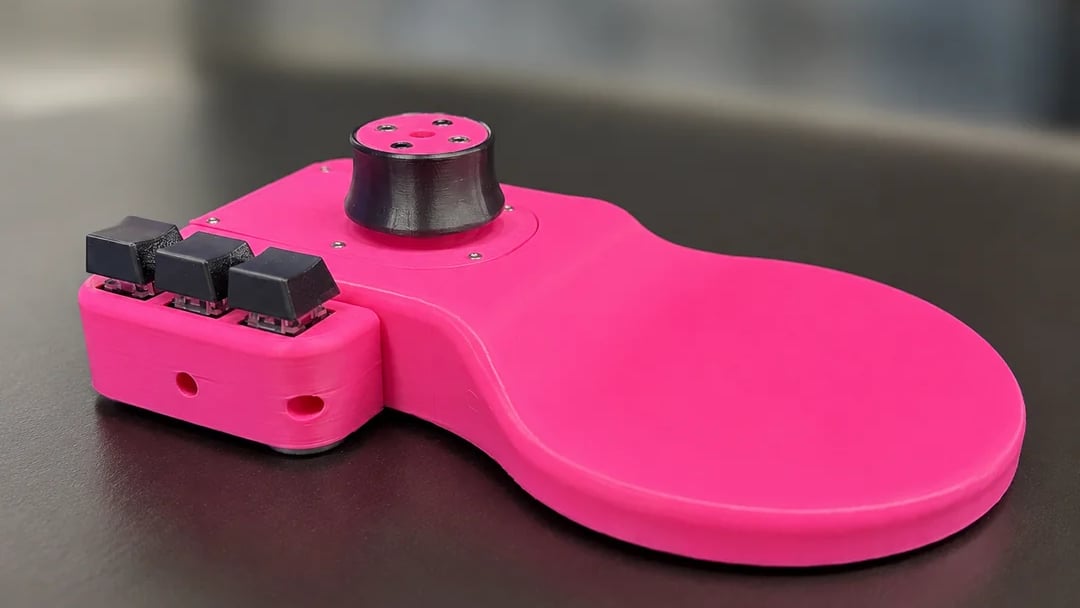
The Orbit project is the clearest sign that the open source robot controller is no longer theoretical. Designer HackMan3D’s open source Orbit controller offers six degrees of freedom for panning and moving work in 3D applications such as CAD, 3D modelling, and slicers. In other words, it brings space-mouse-style control into the reach of anyone who can follow a build guide. Orbit is a fully DIY 6 DoF controller with a printed housing, inexpensive hall effect joysticks, and mechanical keyboard switches, all driven by an Arduino Pro Micro. That combination is more than a clever parts list: it proves that a 3D printable input device can be both precise and repairable. Files on popular 3D model platforms and complete firmware and bill of materials on code hosting mean the community has everything needed to fork, remix, or embed Orbit into new robotics hardware projects.
OpenLIDAR: open sensing meets ROS-native robots
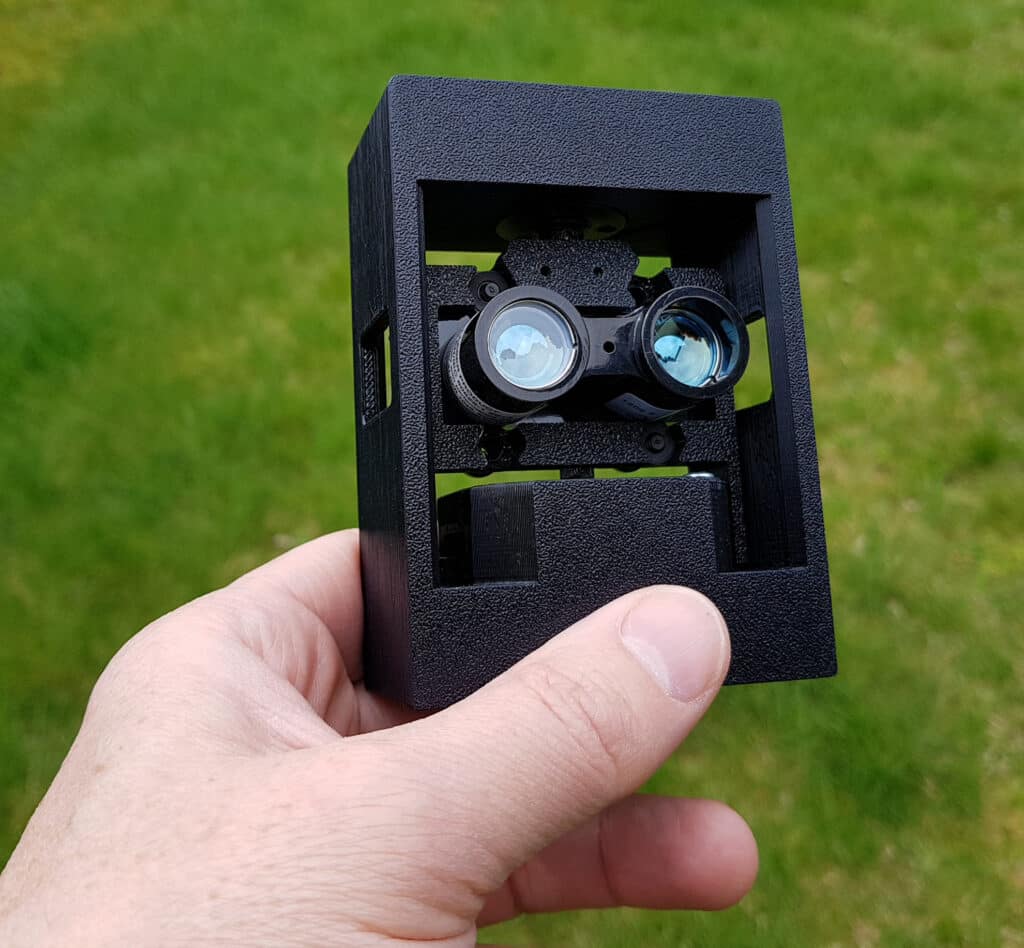
Control is only half of the story; sensing has to be equally open. Xaxxon Technologies’ OpenLIDAR sensor combines open hardware with ROS support to provide mapping, localisation, and autonomous navigation for mobile robots. Built around a Garmin Lidar-Lite v3, a stepper motor, a rotational slip ring, an Arduino-compatible controller board, and 3D-printed mechanical components, it shows how far 3D printing has penetrated serious robotics hardware projects. The device weighs about 180 g, offers a scanning range up to 40 m, up to 750 Hz sampling frequency, measurement resolution of approximately 1 to 2.5 cm, and up to 250 RPM rotation speed. Those are not toy numbers; they are good enough for SLAM, path planning, and obstacle avoidance on autonomous robots. Fully integrated into the Robot Operating System, OpenLIDAR streams 360-degree LaserScan data in real time over USB for direct use in standard ROS navigation stacks.
Why this wave matters for makers, labs, and students
The real disruption is not one gadget; it is the pattern. OpenLIDAR shows that an Arduino-compatible controller can expose firmware for modification and a serial protocol that plays well with Python, giving engineers freedom to change both hardware and firmware to fit their needs. Orbit shows that a 3D printable input device can be assembled from cheap joystick modules and keyboard switches without sacrificing responsiveness. Together they answer a long-standing complaint: commercial sensors and controllers are often expensive, bulky, power-hungry, or difficult to source. Now, students and small labs can build their own open source robot controller rigs instead of waiting for budget approvals. And because both designs are modular and hackable, they invite derivative projects: custom grips, new firmware modes, alternative sensors, or tightly integrated teleoperation consoles tuned to specific robots and tasks.
What comes next: modular, ROS-ready control stacks
These projects hint at a near future where robot control stacks are built from interchangeable open modules rather than monolithic vendor systems. OpenLIDAR already points this way: it is fully integrated into ROS and can feed navigation packages and mapping algorithms such as Gmapping, Hector SLAM, and Cartographer with 360-degree scan data. Xaxxon is planning a version tailored to its Oculus Prime mobile robot and paired with a depth camera, which would push the open ecosystem deeper into multi-sensor fusion. Orbit’s Arduino Pro Micro core and hall-based mechanics make it easy to imagine drop-in firmwares that speak ROS topics or custom serial protocols for teleoperation. The conclusion is hard to avoid: modular, customizable controller and sensor architectures are becoming the norm, not the exception. Makers who embrace this now will define the next wave of agile, affordable robot interaction tools.