
ESP32-S3: From niche microcontroller to open-hardware catalyst
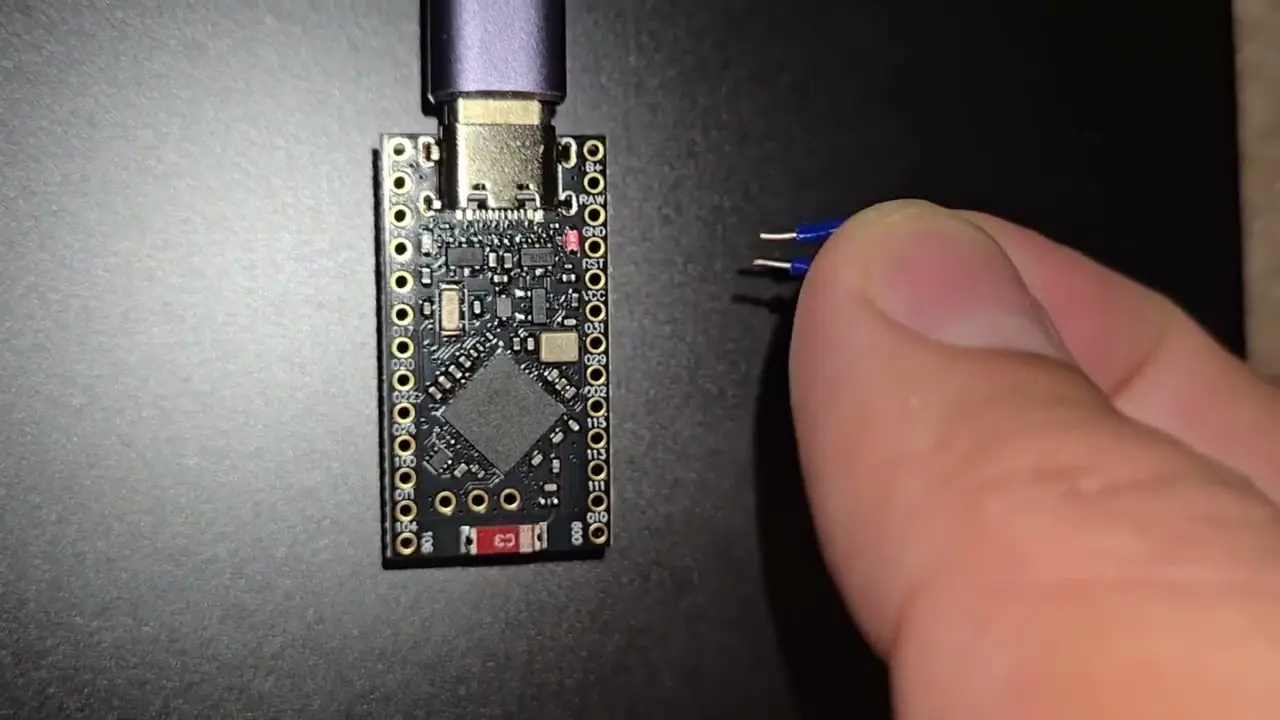
The ESP32-S3 is a dual-core Wi‑Fi and Bluetooth Low Energy DIY microcontroller that is fast becoming the heart of ESP32-S3 projects focused on open source hardware, giving makers full firmware customization, ample memory, and connectivity in a single affordable chip that can power everything from custom e-readers to internet-connected art installations. This is not a neutral technology story; it is a quiet revolt against closed ecosystems. The most interesting hardware today is not chasing benchmark charts, it is chasing independence. When you can flash your own firmware, audit every line of code, and rewire the device’s behavior at will, you stop being a consumer and start being a co-designer. The ESP32-S3 is hitting the sweet spot between capability and hackability, and that is why it matters.
Open Book Touch: An ESP32-S3 challenge to the locked-in e-reader
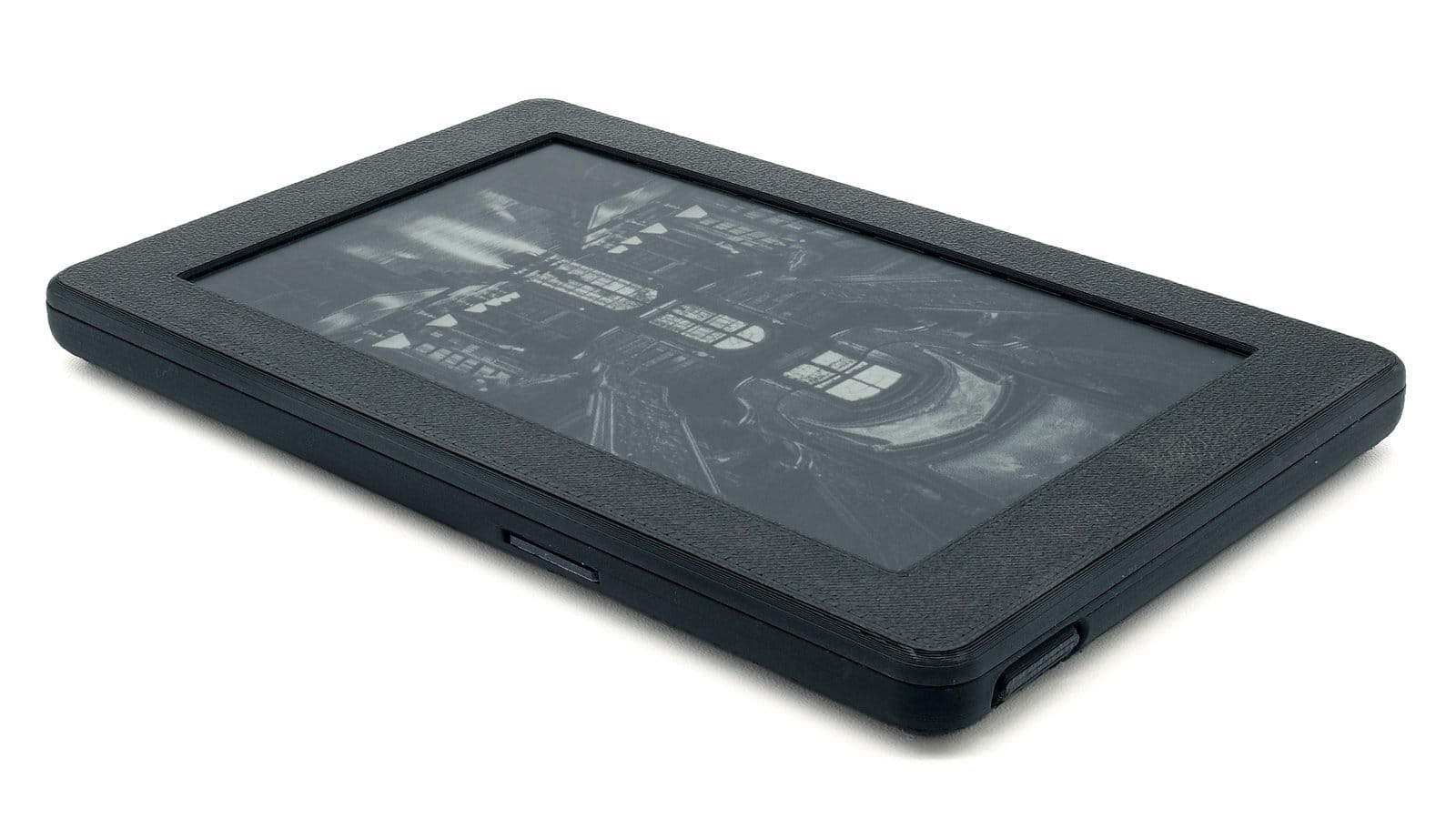
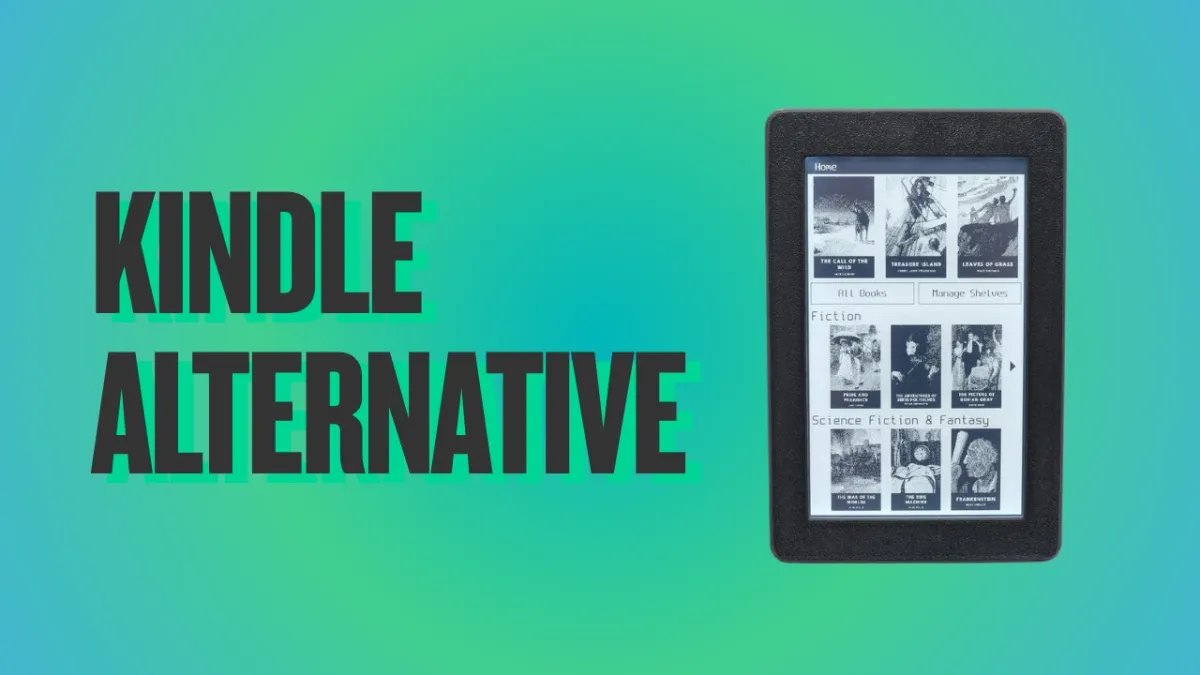
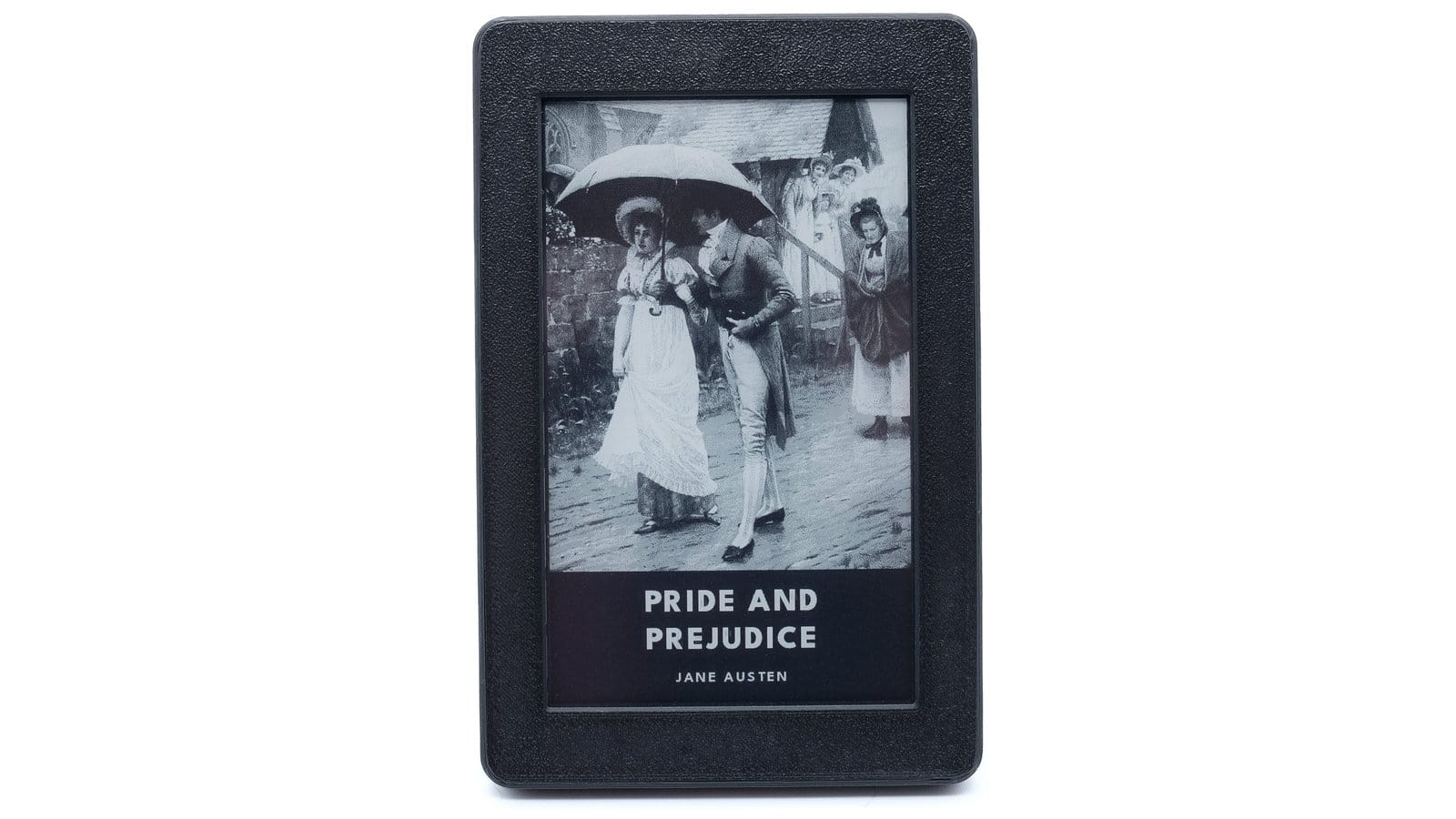
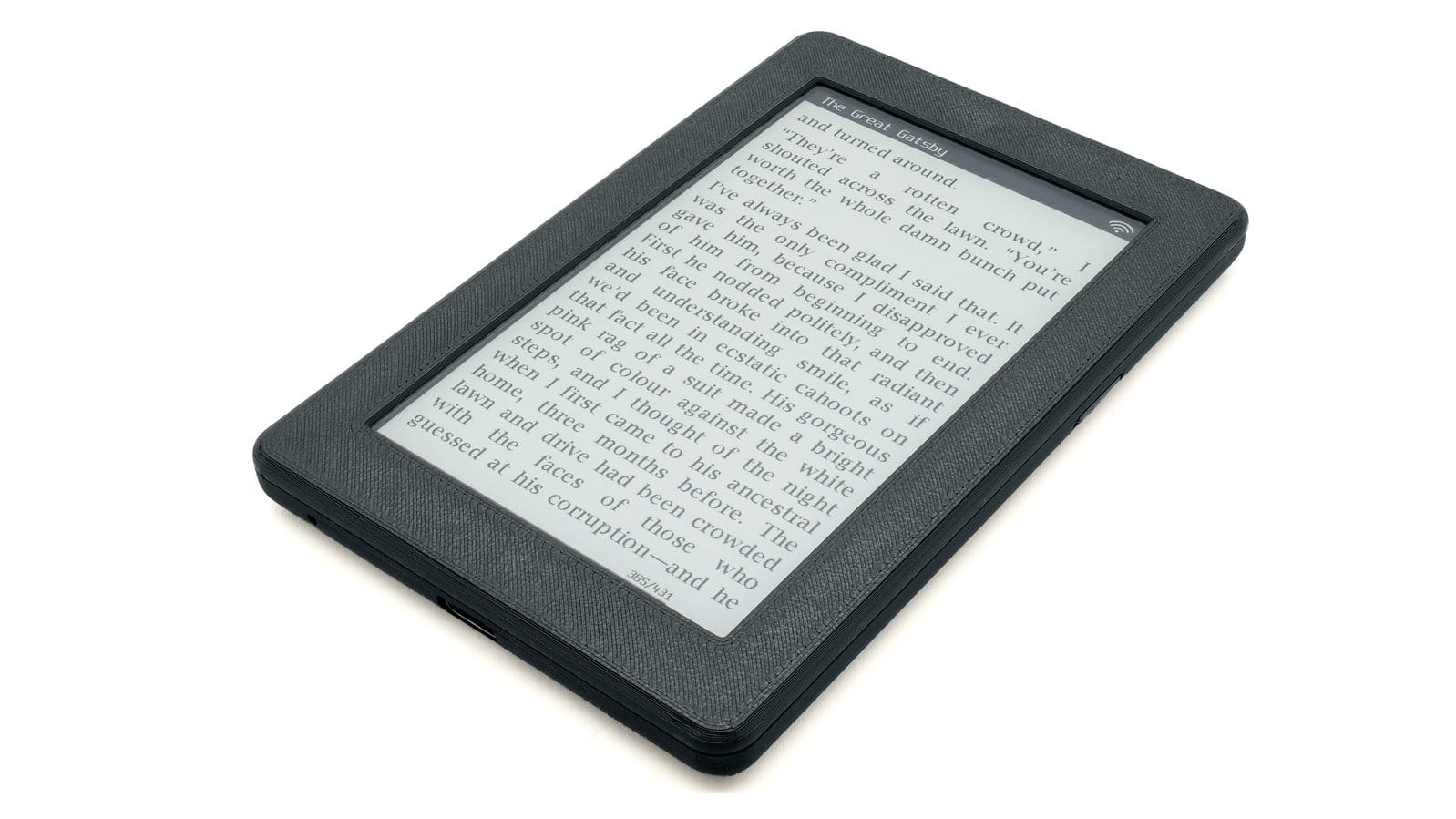
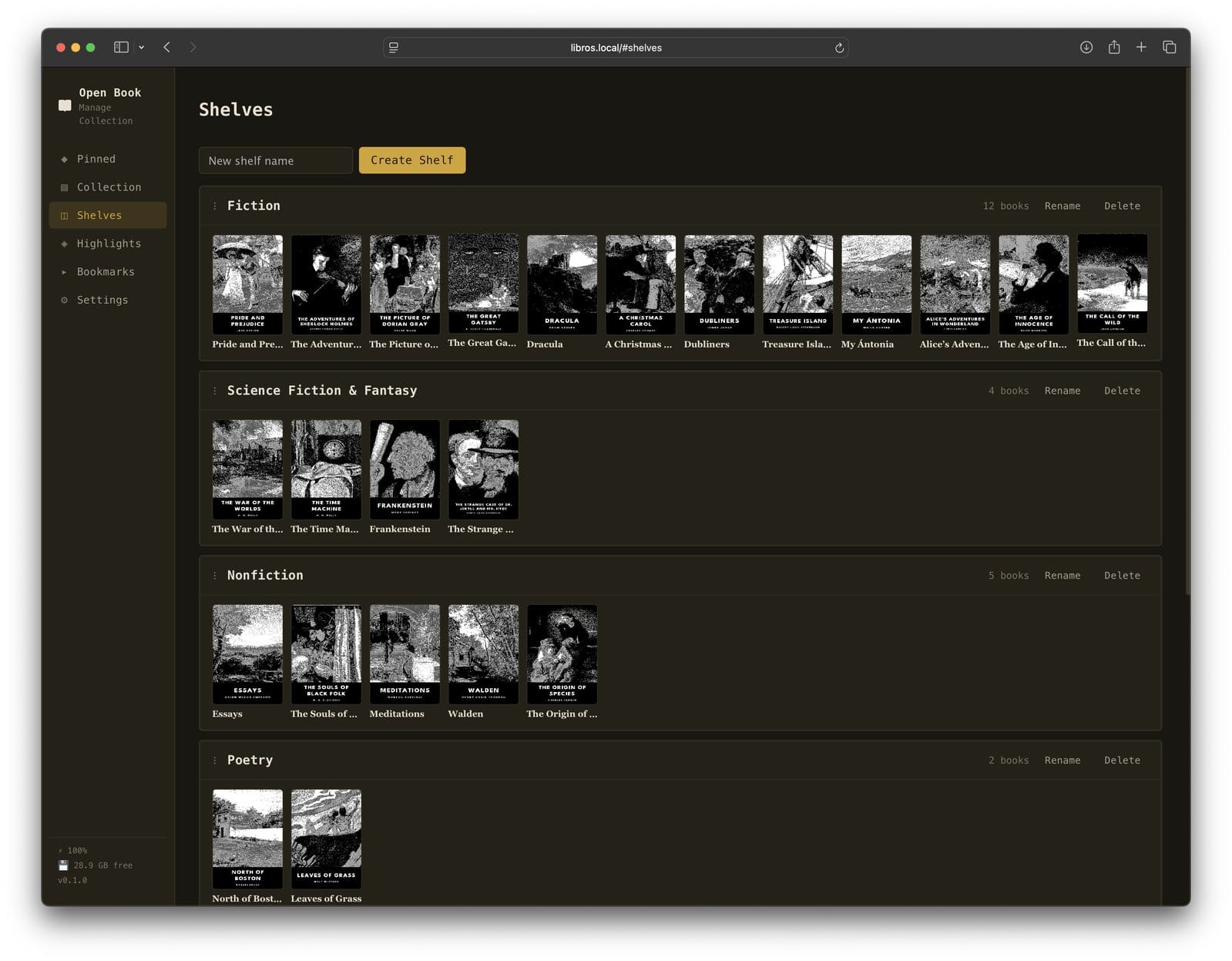
Open Book Touch is the clearest example of how an ESP32-S3 project turns that philosophy into a real product. Developer Joey Castillo’s earlier Open Book was a DIY, open source e-reader that you could solder together yourself, built for anyone willing to work with a DIY microcontroller platform at home. The new Open Book Touch keeps the “own your data” ethos but moves closer to an out‑of‑the‑box device: a 4.26" e‑paper touchscreen at 480 × 800 pixels with warm and cool frontlight, driven by an ESP32-S3 paired with 16 MB flash and 8 MB PSRAM. It reads EPUB and plain text, stores books on microSD, and runs MIT‑licensed firmware on ESP‑IDF and FreeRTOS, with SQLite tracking your library metadata. There is no account, no DRM, and nothing phoning home; open hardware here is a direct refusal of the surveillance-heavy, walled‑garden model of mainstream e‑readers.
The numbers show real momentum: the base model is USD 149 (approx. ₱8,600), with an Author’s Edition at USD 249 (approx. ₱14,300) during crowdfunding, and the campaign has raised USD 25,658 (approx. ₱1,480,000) of its USD 45,000 (approx. ₱2,600,000) goal from 131 backers so far. Crowd Supply is targeting early 2027 for delivery through its usual manufacturing partner. Those prices are not impulse-buy territory, but they are a direct trade: you pay for hardware, not for lifetime attachment to a vendor’s store. Crucially, Castillo has open sourced Focus, the C++ application framework behind the interface, and promises to release the board files, enclosure CAD, and device-specific firmware once units ship. That is how derivative designs happen: someone takes this open blueprint, swaps the screen, repurposes the interface, and suddenly the ESP32-S3 powers a whole family of open source hardware devices.
Firmware customization as a feature, not a hack
On mainstream devices, firmware is something you hope never to think about. On ESP32-S3 projects, firmware customization is the main attraction. Open Book Touch runs C++ firmware on ESP‑IDF and FreeRTOS, and uses SQLite to quietly manage your library metadata. This stack is not chosen for marketing buzz; it is chosen because it is understandable, extensible, and forkable. Castillo has already open sourced Focus, the application framework that powers the device’s interface, under an MIT license. That decision turns every buyer into a potential collaborator. Someone can patch the typesetting, add new hyphenation dictionaries, tweak frontlight behavior, or build a completely different app on the same hardware. When the complete firmware and board files go public to backers and then to everyone else after shipping, the device stops being a product and becomes an open reference design. That is what rapid iteration looks like in open source hardware: successive, community-driven devices instead of slow, vendor-controlled generations.
Beyond e-readers: Open hardware that connects data, art, and place
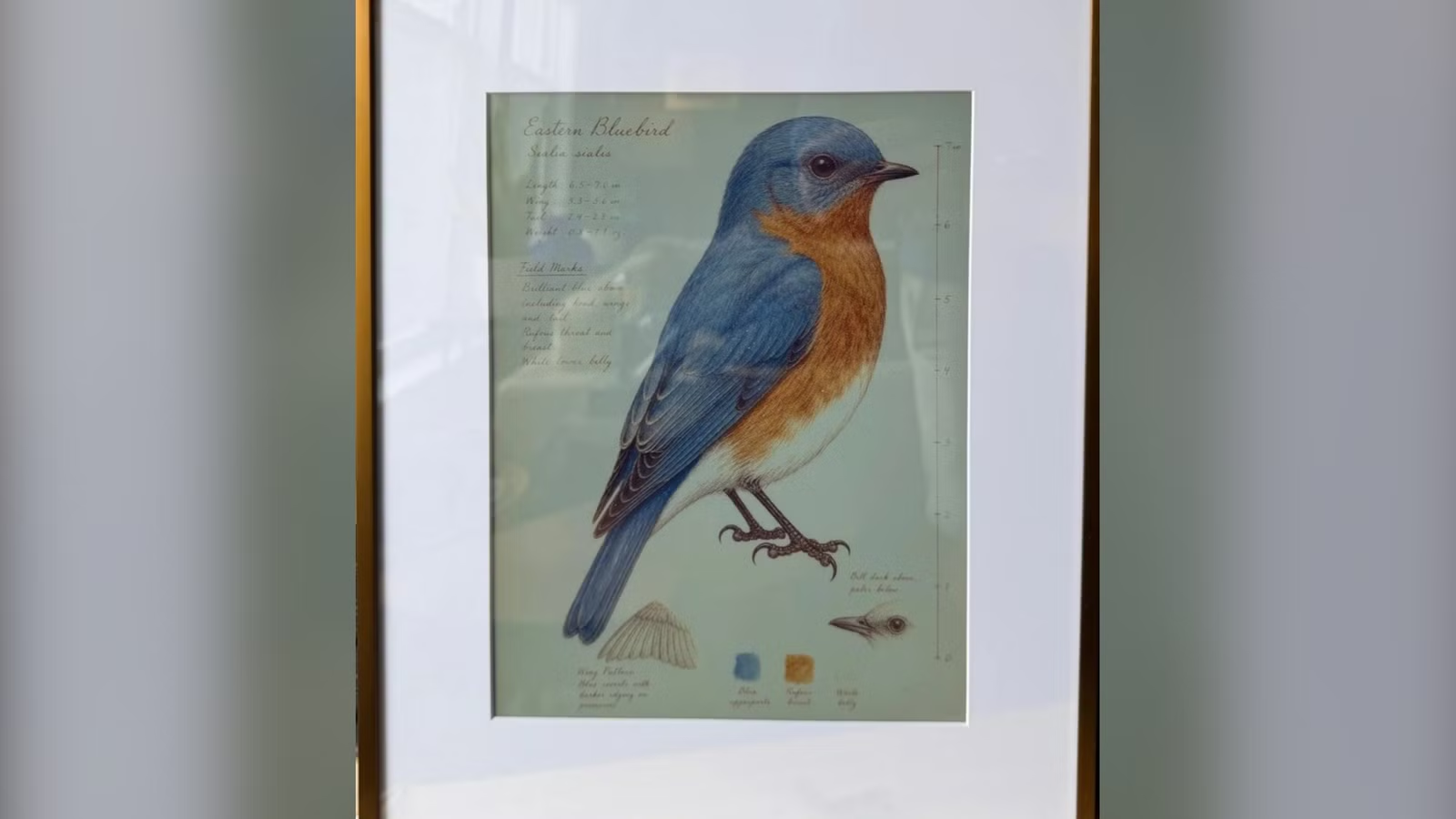
The ESP32-S3 story sits inside a broader movement: people are tired of black-box gadgets and want devices that reflect their hobbies, their homes, and their values. On the Raspberry Pi subreddit, user veteranbv described the Inky Bird Frame, an e‑ink project born from their interests in birding, field‑journal illustration, and running things in a homelab. The frame uses two Raspberry Pi boards—a Pi Zero 2 W to drive the display and a Pi 4 as controller—to poll bird sightings from iNaturalist within a chosen radius and time window. Each time a new species is detected, the system searches licensed reference photos, then generates a field‑journal plate that cycles on the e‑ink screen, creating art that shows which birds have been spotted near you. If this sounds like something you’d like to make, instructions are available on the project’s GitHub page. The point is not that every project must use an ESP32-S3; the point is that open source hardware, from Pis to microcontrollers, is turning data feeds into tangible, personal objects.
What this wave of ESP32-S3 projects signals for everyday users
For ordinary readers and tinkerers, the practical impact is clear. If you want to see what lives around you without leaving your chair, the Inky Bird Frame turns live bird‑sighting data into images of species near you on a calm e‑ink display. If you want to resist Big Tech’s walled gardens, Open Book Touch offers an open source alternative to proprietary e‑reader ecosystems with no accounts, no DRM, and nothing phoning home. According to the Open Book Touch campaign, “No account needed, no DRM, nothing ‘phoning home’” is not a side note—it is a selling point. Open source hardware here is not about novelty; it is about changing who controls your devices and your data. Crowd Supply’s plan to ship Open Book Touch in early 2027 gives a timeline for when this particular ESP32-S3 project will be in people’s hands. Until then, the message is already clear: when firmware is open and hardware is documented, users stop being locked‑in customers and become active participants in the devices they rely on.