
Retro handheld modding is where limits go to die
Retro handheld modding is the practice of transforming classic portable game systems and related gadgets into platforms for new, often unexpected games and hardware experiments that defy the original design limits through creative coding, repurposed components, and bold engineering tricks. The most striking examples today are not tasteful backlight installs or shell swaps, but full-on reality distortion: Minecraft running in 3D on a Game Boy Color and a Sony digital camera reborn as a functional Game Boy Advance. These projects are not nostalgia crafts; they are arguments. The point they make is blunt: we gave up on this hardware long before it gave up on us. In a landscape obsessed with raw power and 4K resolutions, modders are proving that constraint is not a cage—it is a design challenge, and they are treating it as an open invitation.
Minecraft on Game Boy Color: an impossible port that works
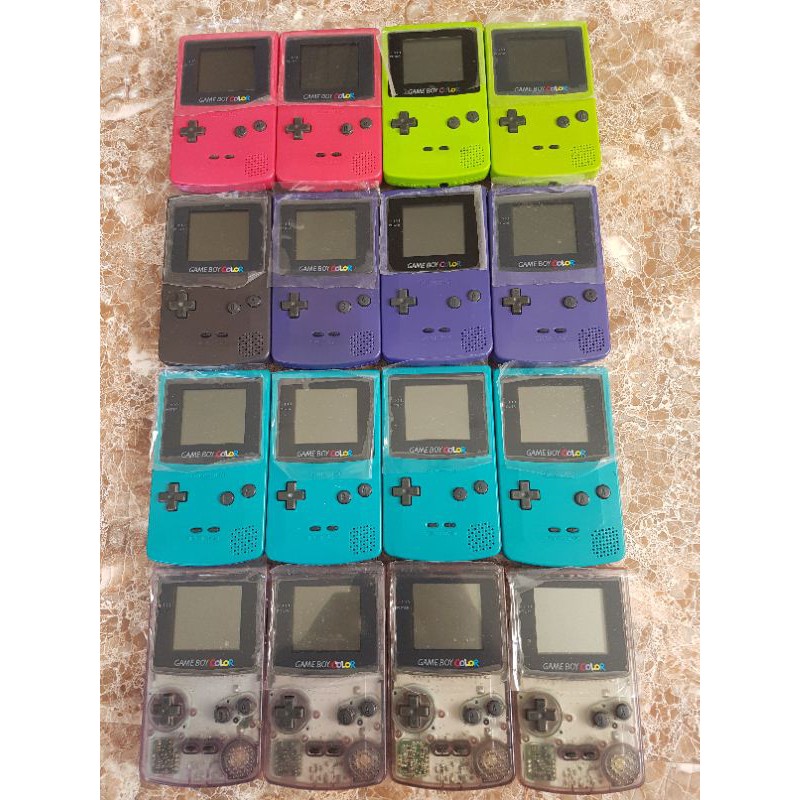
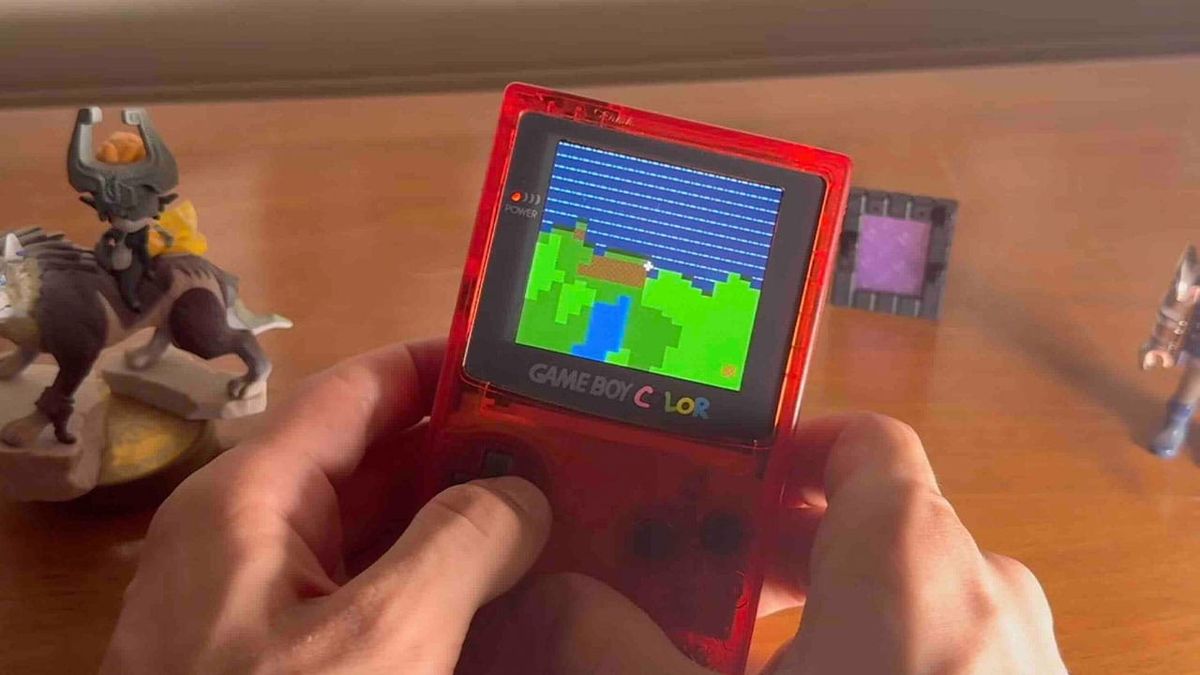
Seeing 3D Minecraft run on a Game Boy Color looks like a hoax until you watch the buttons respond and blocks fall into place. Under the handle Game Of Tobi, modder Tobias has built a version where you can pick either a flat map or a fully 3D generated world, then move, place blocks, and build within it. This is not a cute static mockup; it is an interactive, moving argument against the idea that this hardware is “too old” for modern game concepts. According to one report, Tobias has also worked on Minecraft for the Game Boy Advance, but pushing it back onto the even more limited GBC is the more radical statement. When the same creator is also putting Twilight Princess on 3DS and Super Mario 64 on GBA, it stops being a novelty and starts looking like a manifesto about classic console hacks.
Turning digital cameras into Game Boy Advance Franken-systems
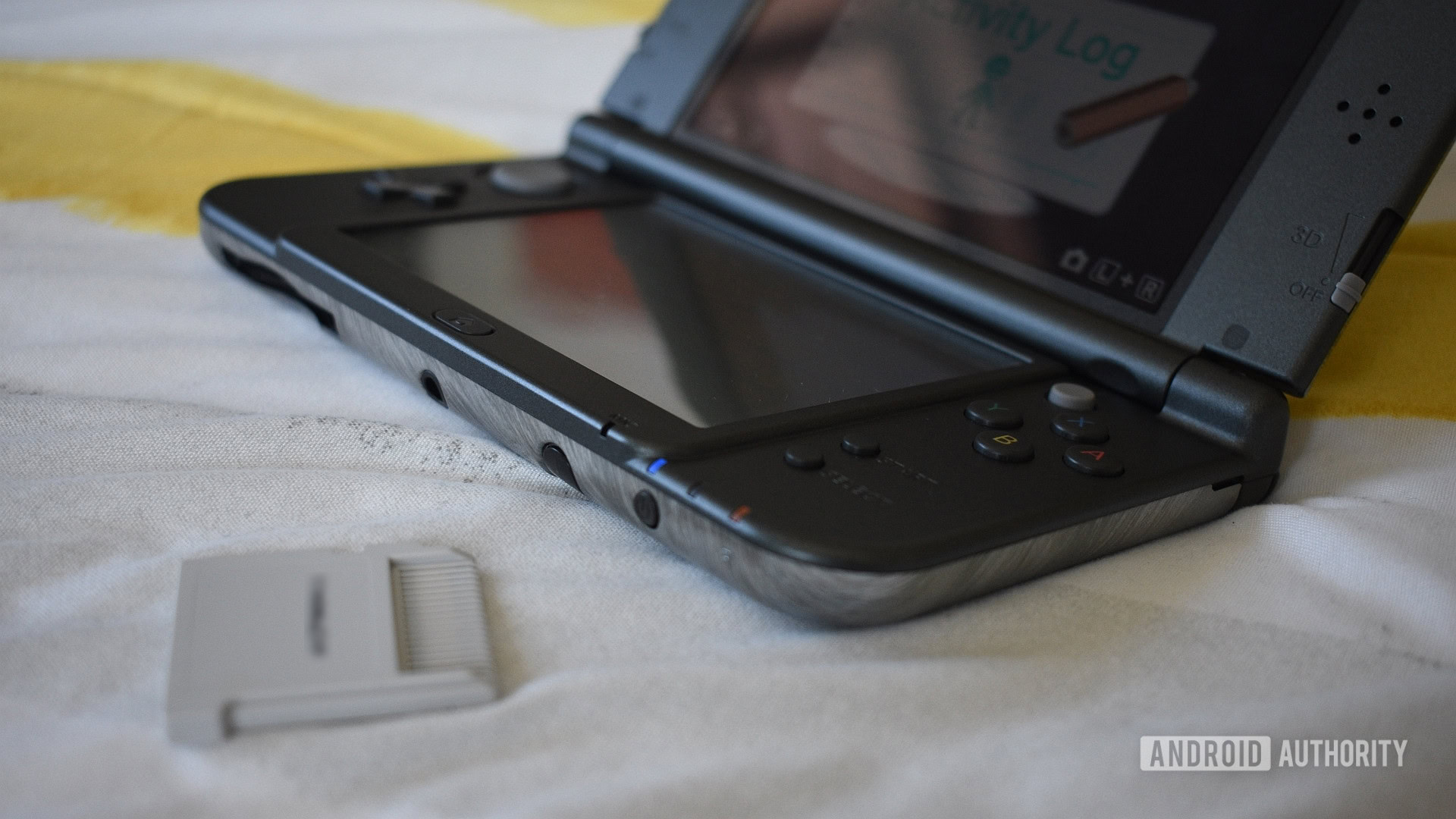
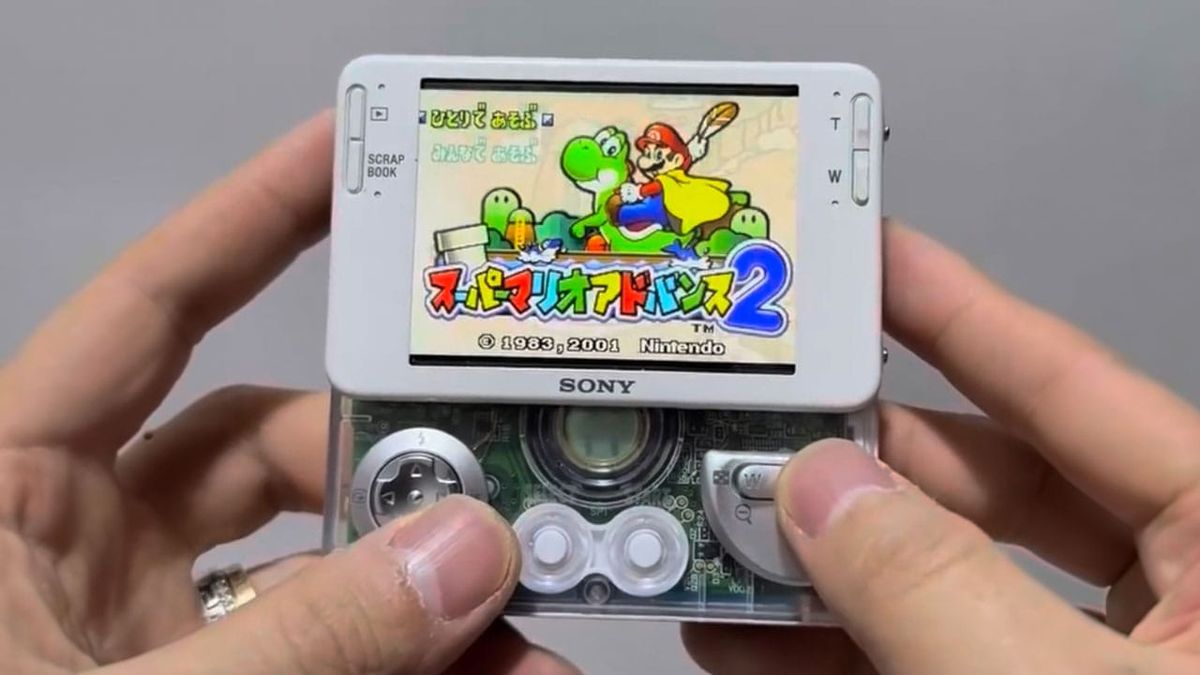
Where Tobias bends software to his will, Hairo Satoh attacks the problem from the other side: hardware. Under the name haihaisb, he has turned a Sony Cybershot T2 frame, complete with Cybershot P7 camera buttons, into a Frankenstein Game Boy Advance that looks like an artifact from an alternate timeline. Inside that camera shell is a working GBA setup, complete with an IPS screen offering eight different brightness levels for a far cleaner image than the original handheld ever had. Shoulder buttons have been added to the top, mirroring the corners of the GBA SP, while the camera’s original controls now double as gaming inputs. The absurd highlight is watching a GBA cartridge slot neatly into the back of what appears to be a digital camera, a visual punchline that underlines how far creative hardware repurposing can go without sacrificing working units, since Hairo relies on broken hardware and new parts.
Why these classic console hacks matter for game design
These projects matter because they collide retro hardware limits with modern design ambitions instead of bowing to them. Minecraft’s 3D world on the GBC is described as a project that proves “what the GBC is capable of,” which is another way of saying we underestimated it. Likewise, Hairo’s camera‑GBA mashup adds an IPS screen and refined ergonomics, effectively upgrading the experience while keeping the soul of the original system intact. Retro handheld modding is not nostalgia for its own sake; it is design research carried out in public. When modders drag modern classics like Twilight Princess and Super Mario 64 onto hardware that was never meant to host them, they question every assumption about platform boundaries. The result is a living gallery of unexpected game ports that forces the industry to remember that creativity, not clock speed, is what makes a platform feel alive.
The future of retro handheld modding is more radical than nostalgic
Taken together, Tobias’s impossible Minecraft builds and Hairo Satoh’s camera‑console hybrids show a community that is still accelerating, not winding down. These are decades‑old platforms, yet modders are only growing more ambitious, pushing boundaries with each new classic console hack. They port games that should not run, embed systems where they do not belong, and treat device shells as creative raw material rather than sacred objects. That attitude matters. It pushes back against disposable gadget culture and the idea that creativity must always chase the newest hardware. The most exciting thing about retro handheld modding is not that these experiments work at all; it is that they feel inevitable. Given enough curiosity and stubbornness, someone was always going to put Minecraft on a Game Boy Color and a Game Boy Advance inside a camera. The community’s message is clear: we have only begun to see what “obsolete” hardware can do.