
Aging silicon, modern demand: what the sales charts are really saying
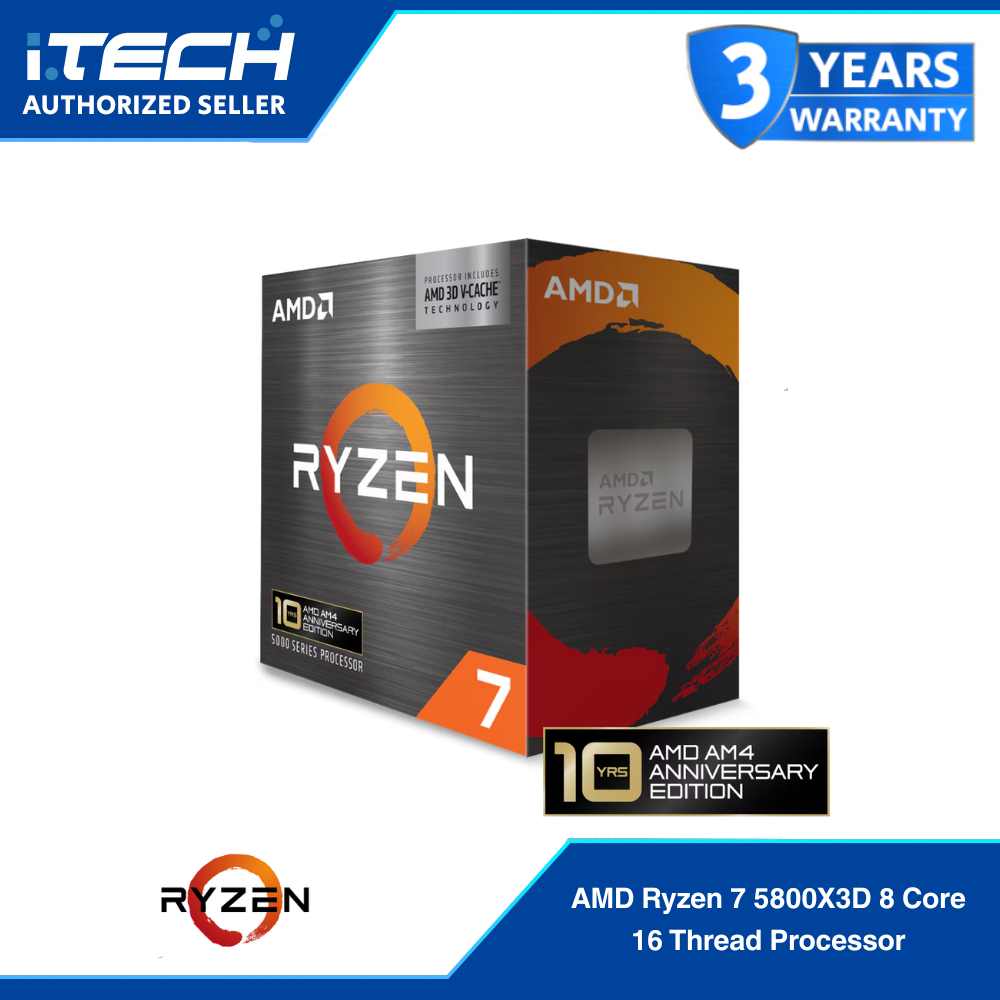
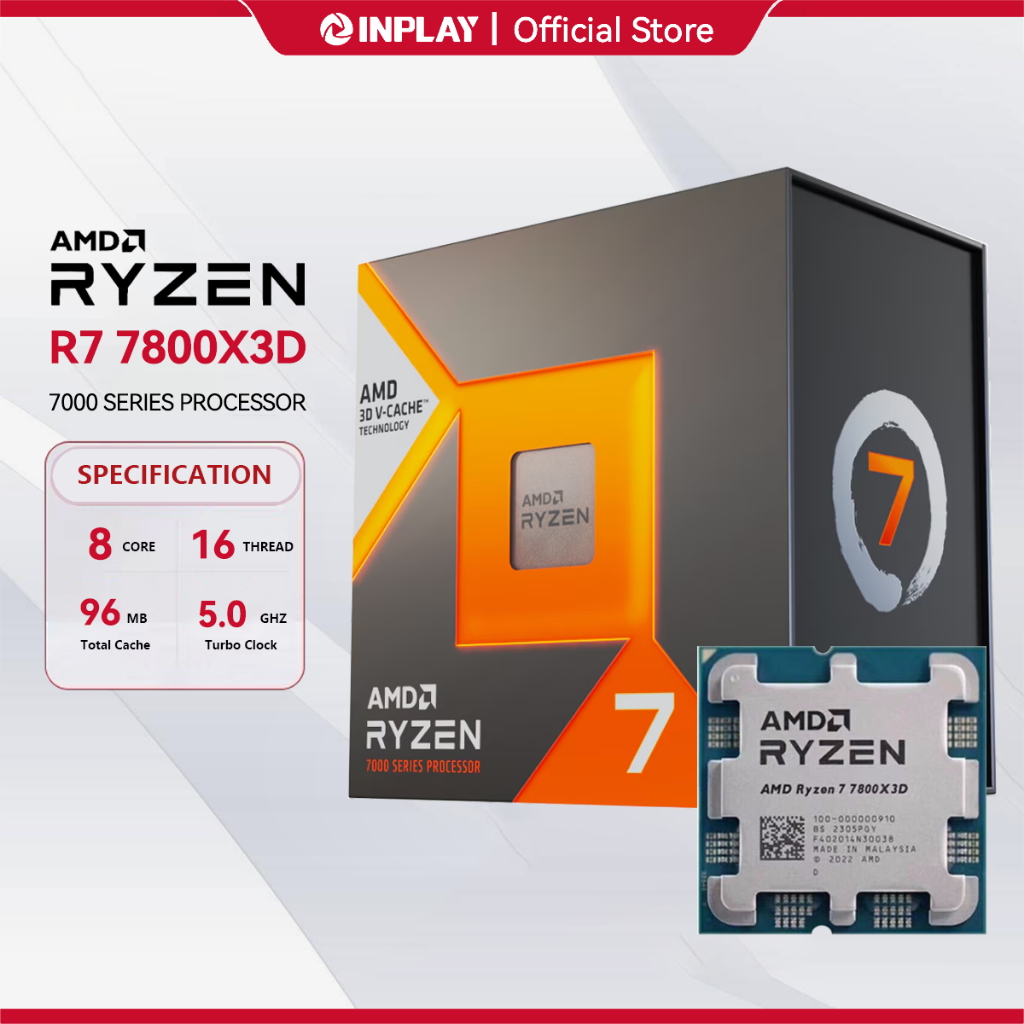
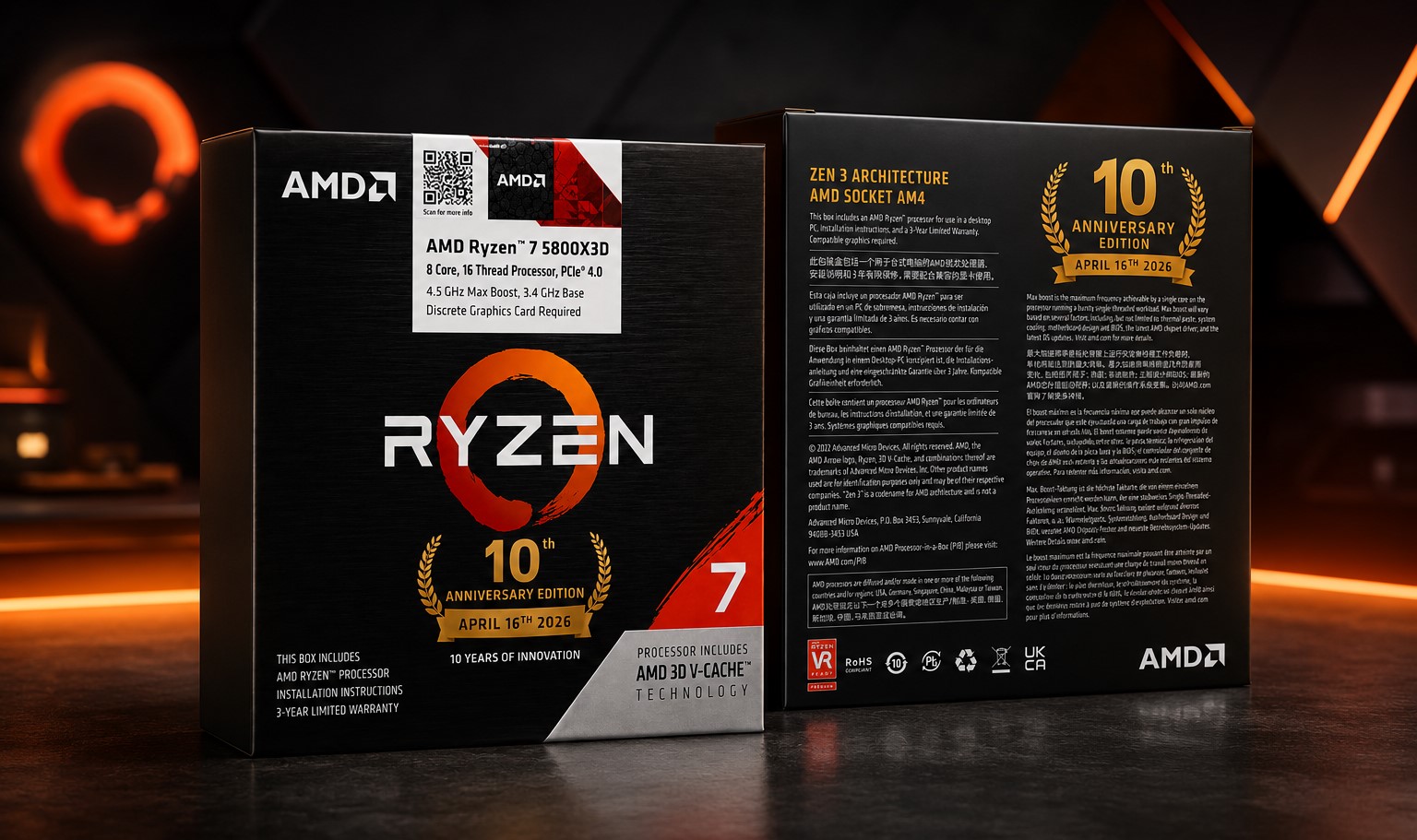
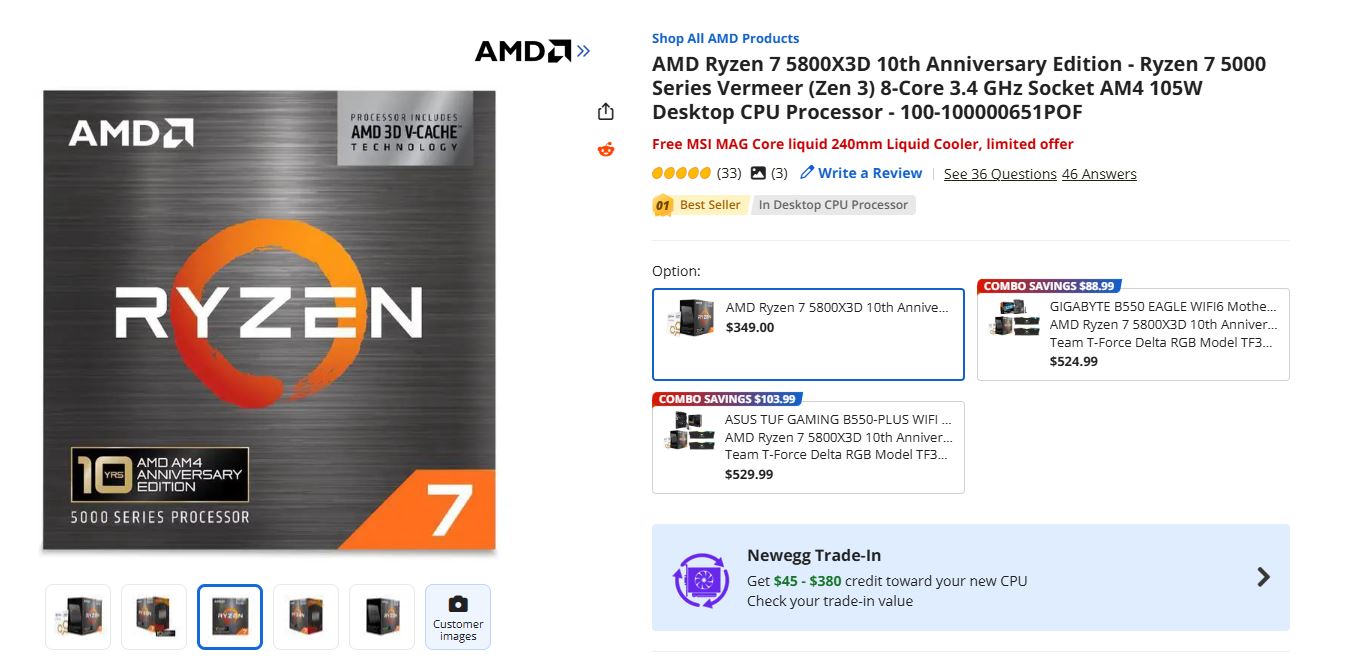
The Ryzen 7 5800X3D is a desktop gaming processor whose strong performance, generous L3 cache, and AM4 platform compatibility allow it to remain a top-selling CPU and a compelling upgrade option even against newer chips sold at the same price. At the moment, the Ryzen 7 5800X3D price sits at a USD 349 (approx. ₱20,000) MSRP, yet the newly relaunched 10th Anniversary Edition has already climbed to fourth place on a major retailer’s best-selling CPU list within about a month of launch, moving roughly 3,000 units while the newer Ryzen 7 7800X3D, also around USD 349 (approx. ₱20,000), trails in fifth with about 2,000 units shipped. That gap is not an accident; it is a clear vote for CPU value comparison rooted in real-world gaming CPU performance rather than spec sheets.
Gaming performance: why extra cache beats fresh architecture for most players
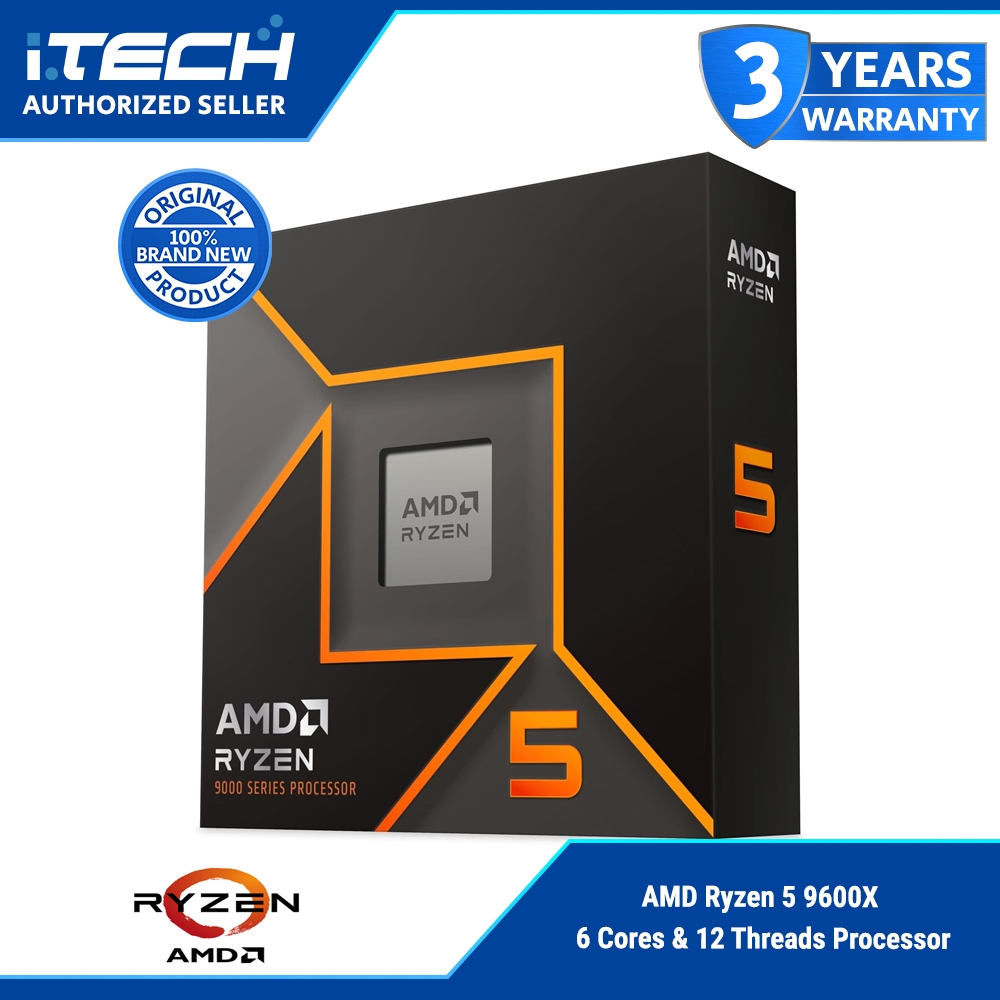
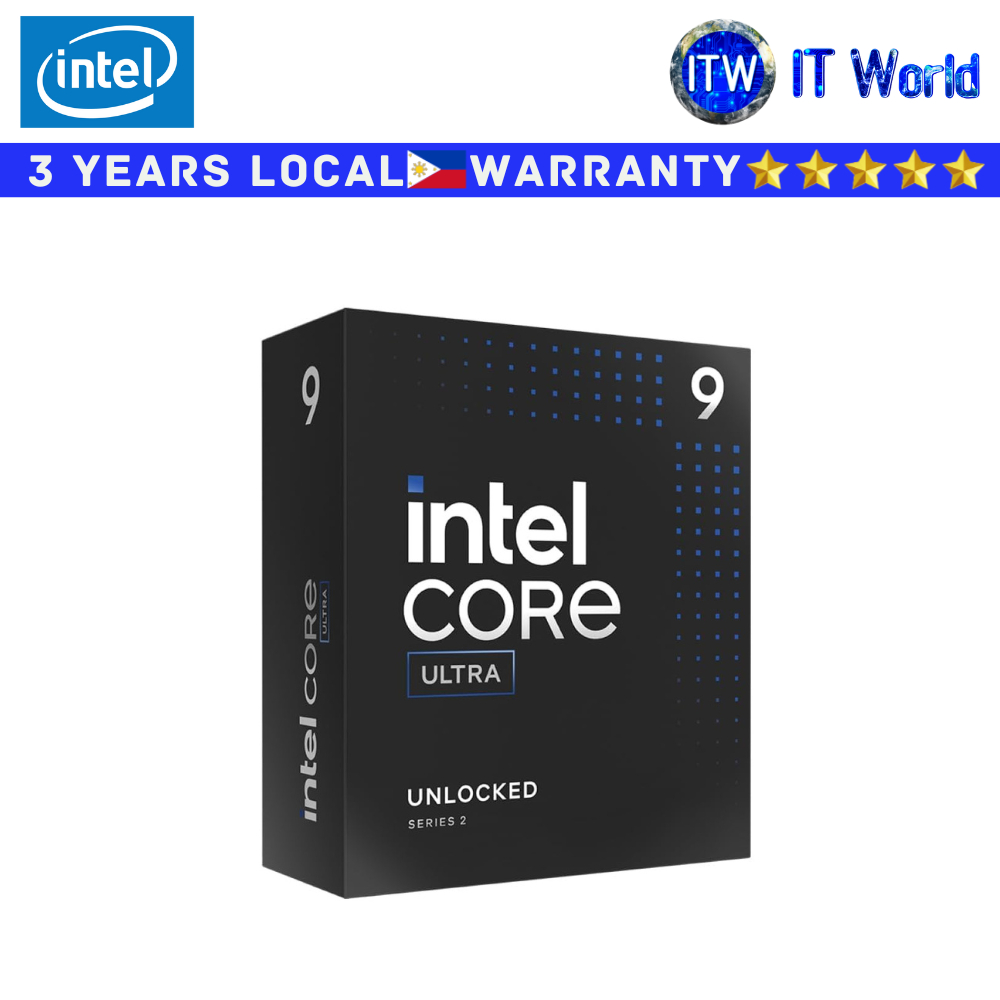
On paper, the Ryzen 7 7800X3D should dominate: newer architecture, better efficiency, and higher peak gaming numbers in CPU-bound tests. Yet the 5800X3D’s 3D V-Cache and large L3 pool mean it still trades blows with modern mid-range chips that lack this technology, including current Ryzen 9600X and Intel i5-class processors. In cache-heavy titles such as Counter-Strike 2, it can even come close to much higher-end chips like the Core Ultra 9 285K, and in outliers like Assetto Corsa Competizione it pulls ahead of every non‑X3D CPU on the market. This is processor longevity in action: when cache becomes the limit, incremental architectural gains alone do not guarantee better frame rates. For the way most people play games—at 1440p or 4K where the GPU is the real bottleneck—the practical FPS gap between a 5800X3D and newer alternatives shrinks dramatically.
The AM4 factor: why platform stability beats expensive upgrades
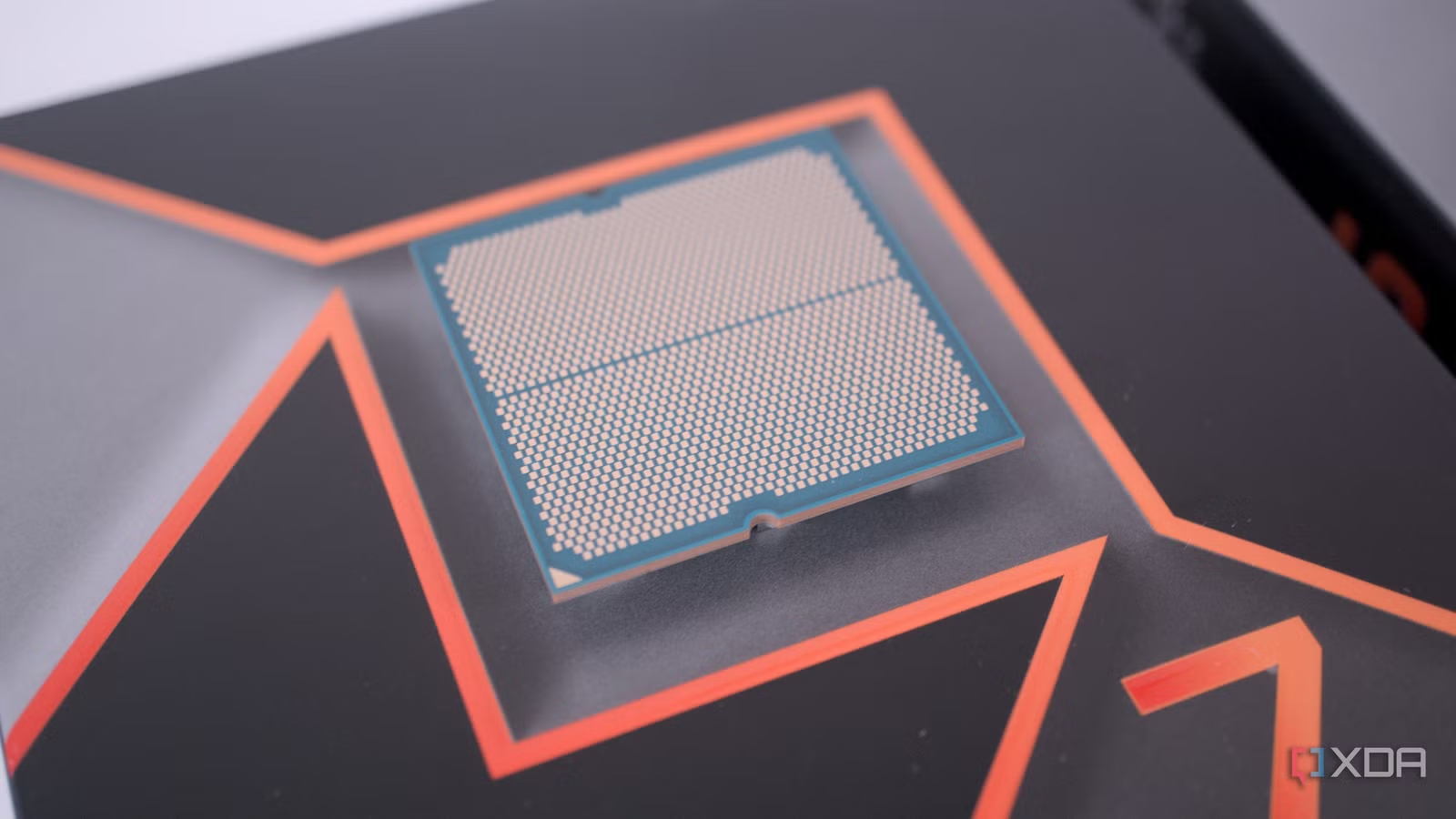
The real story behind the 5800X3D’s sales is not nostalgia; it is platform economics. Millions of gamers still sit on AM4 motherboards, often with older Ryzen chips that are starting to limit high-refresh displays. For them, the Ryzen 7 5800X3D price at USD 349 (approx. ₱20,000) is steep for an older Zen 3 design, but it avoids an entire platform migration—new motherboard, new DDR5 memory, and sometimes a new cooler. According to one hardware reporter, both the 5800X3D and 7800X3D sell for nearly USD 350 (approx. ₱20,000), yet buyers keep choosing the former because it offers “the best possible gaming performance on the AM4 platform”. Add in current RAM prices (“RAMpocalypse” for many builders) and the calculus becomes obvious: why spend a four-figure sum on an AM5 overhaul when a proven gaming architecture can drop into your existing system and deliver high-end results today.
Bundles, deals, and the psychology of a safe bet
Retail strategy is amplifying what the hardware already suggests. On another major storefront, the Ryzen 7 5800X3D is not only the number one best-selling CPU; buyers can receive a free 240 mm AIO cooler at the same USD 349 (approx. ₱20,000) price tag, turning an already attractive CPU value comparison into an obvious bargain. Those kinds of bundles revive interest in the AM4 platform and make the 5800X3D feel like a full-system refresh instead of a stopgap upgrade. More importantly, they play into enthusiast psychology. PC builders tend to trust a "known good" gaming CPU that has aged "like fine wine" thanks to its cache advantage, especially when newer chips mainly promise small improvements in situations they rarely experience, like 1080p ultra-high-FPS esports with a top-tier GPU. The implication is blunt: enthusiasts are not impressed by every generation; they reward hardware that keeps proving itself years later.
What the 5800X3D’s success says about the future of gaming CPUs
The Ryzen 7 5800X3D’s continued dominance is a warning to CPU makers and a guide for buyers. The fact that a relaunched Anniversary Edition fits comfortably into the modern lineup shows it “still has a place” and remains the best gaming CPU choice for anyone staying on AM4 for the next couple of years. It also proves that processor longevity, not yearly refreshes, defines value for most gamers. Unless you chase triple‑digit frame rates with 360 Hz monitors in esports titles, newer X3D flagships and full platform swaps bring diminishing returns compared with a smarter GPU upgrade. Enthusiasts are clearly signaling that proven gaming architectures, solid real‑world frame times, and sensible deals—like the 5800X3D at USD 349 (approx. ₱20,000) with a free cooler—matter more than generational marketing. In other words, the best gaming CPU performance for your money is no longer synonymous with “latest,” but with “tested and still excellent.”