
Fitness tracker accuracy: a useful guide, not a clinical instrument
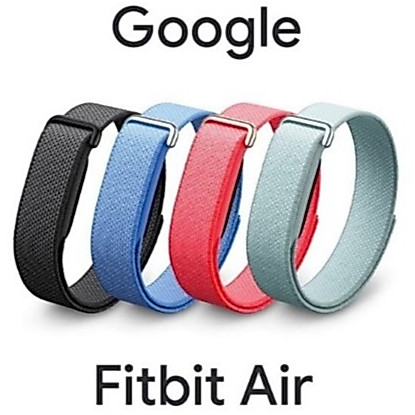
Fitness tracker accuracy refers to how closely wrist or strap-based wearables match clinical measures of heart rate and energy expenditure during everyday activity and exercise, and while these devices can reliably capture broad trends in movement and exertion they often produce calorie counting errors and short-term heart rate discrepancies that make their numbers more useful as directional estimates than precise physiological data. The latest round of testing on the screenless Fitbit Air compared its readings with a Polar H10 chest strap during a mixed treadmill and strength workout to see whether a budget fitness tracker could keep up with a consumer device widely treated as the gold standard for heart rate monitoring in research and training contexts. The results should worry anyone who still plans their meals or workouts around whatever calorie number pops up in their app.
Fitbit Air vs chest strap: heart rate looks fine, calories fall apart
When the Fitbit Air’s heart rate data was stacked against the Polar H10 during a treadmill session, the numbers looked reassuringly close: average, minimum, and maximum heart rates all fell within roughly 2.5% of the chest strap’s readings, and the two devices matched almost beat-for-beat once pace settled into a steady state. That headline is seductive because it feeds the belief that if heart rate is in the right ballpark, calorie estimates must be too. They are not. In the same session the Fitbit Air underestimated calories burned by nearly 12%, logging 126 kcal against the Polar’s 143 kcal. In a separate strength-focused test, the gap blew open, with 105 kcal on the Air against 152 kcal on the strap—a miss of about 31%. If you are using those numbers to decide how much to eat after your workout, the tracker is more likely to skew your energy balance than fine-tune it.
The invisible drift: how heart rate monitoring still misleads you
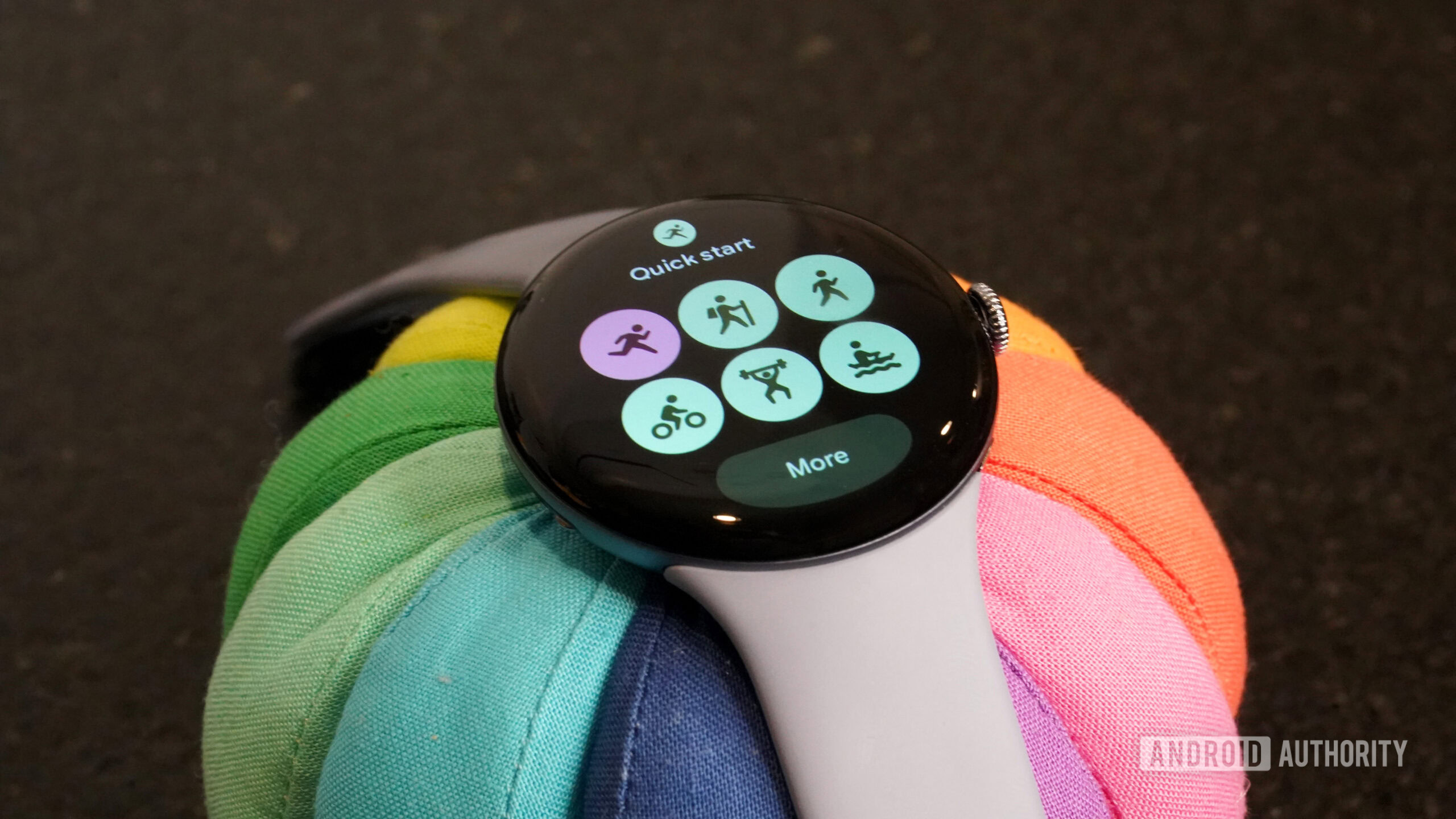
The polite way to describe the Fitbit Air’s heart rate monitoring is that it is "good enough" for everyday checks, and that is technically true. But the detailed graphs show a more inconvenient story: during transitions—like shifting from a walk to a run—the Polar chest strap climbed rapidly to 141 bpm while the Fitbit Air lagged behind at 109 bpm, then sat at 112 bpm while the strap had already eased to 128 bpm. Those delays and missed spikes become more pronounced in strength training, where brief bursts of intensity send heart rate soaring and then falling while the wrist sensor plays catch-up. In one test, the maximum heart rate was off by 11%, hinting that the Air simply failed to capture some of those short, hard efforts. For anyone using heart rate zones to manage interval training, that lag is not a rounding error; it is a distortion of what your body actually did.
Budget fitness trackers: great for steps, shaky for metabolism
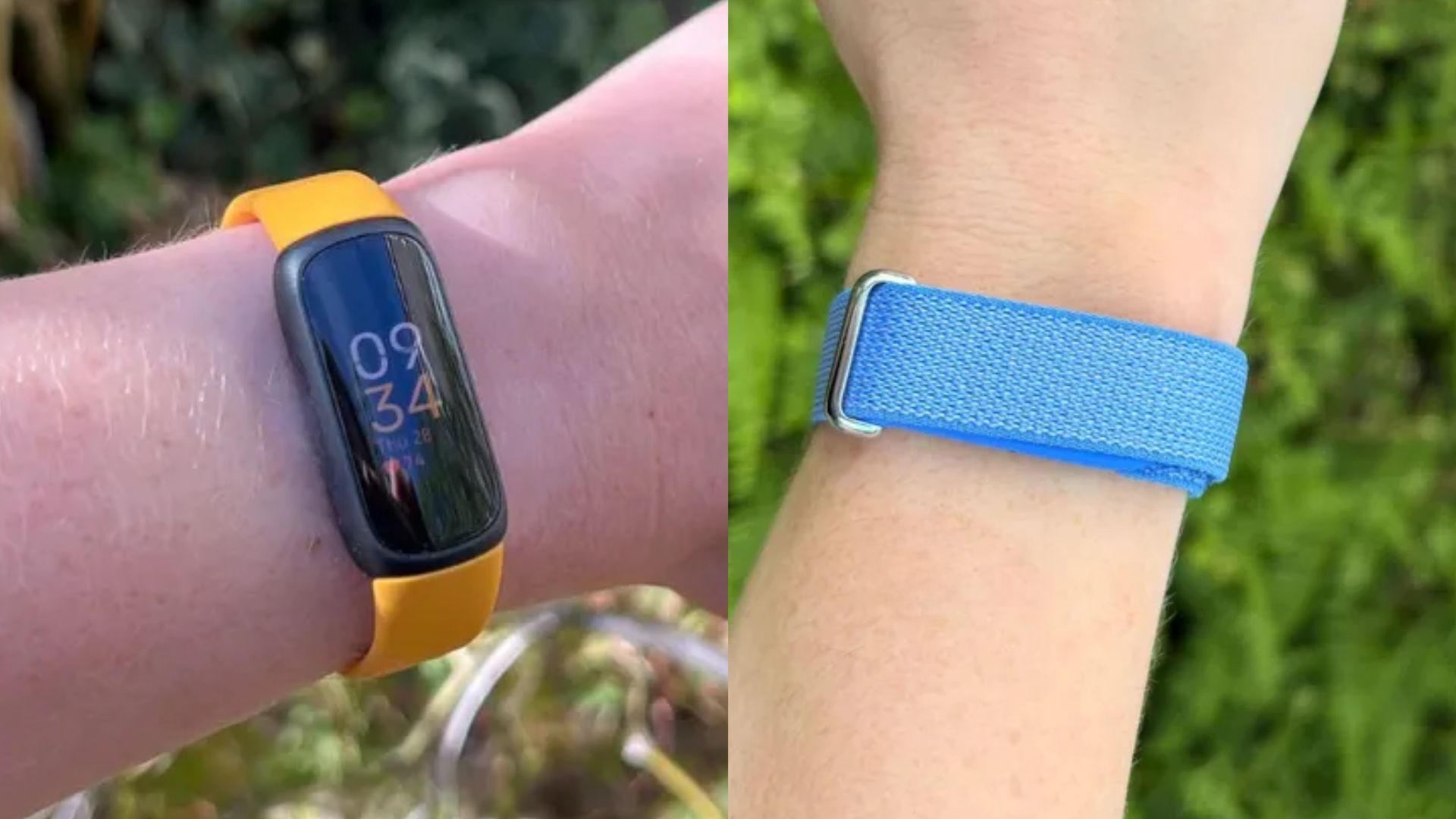
The awkward truth is that budget fitness trackers are built to keep you wearing them, not to deliver lab-grade metabolic data. The Fitbit Air and Fitbit Inspire 3, both priced around £84.99 and long recommended as go-to options under £100, win on slim designs, everyday health tracking, and the basics like step counts, stress insights, and sleep logs. The Air’s textile strap can be worn on the ankle or arm, and unlike more conspicuous devices, it stays on even with formal outfits, avoiding gaps that skew daily step, heart rate, and stress trends. That design success fuels the illusion that the underlying data must also be refined. But as the treadmill and strength tests show, calorie counting errors of 11% to 30% are baked into how the device estimates energy expenditure from imperfect heart rate and profile data. You are getting a lifestyle companion, not a metabolic lab.
Why your app can’t fix the sensors—and how to read the numbers
The latest Google Health app rollout, timed with the Fitbit Air’s release, promises unified insights across fitness, sleep, and stress for whichever device you choose. It can display neat graphs, compare days, and turn numbers into friendly nudges, but it cannot change the physics of what sits on your wrist. These trackers estimate calories burned using formulas that blend heart rate, weight, age, sex, and activity intensity, and every assumption layered into that math is another chance for error to compound, especially in non-steady-state exercise like weights or intervals. As one tester put it, "If you are using the device for diet or weight management, I'd recommend taking those datapoints as ballpark estimations rather than objective points". Treat steps, general heart rate trends, and sleep duration as useful signals. Treat calorie numbers as a fuzzy score of effort—and stop letting a £84.99 band dictate your dinner.