
The new status symbol: a compact camera you can’t easily buy
The viral demand surge for Fujifilm compact cameras such as the X100VI and Instax Square SQ1 is a sharp lesson in how nostalgia, social media trends, and scarcity can turn everyday photographic tools into speculative assets, break inventory systems, and coax buyers into overpaying. At its core, this story is about how design and emotion now drive camera demand more than specs, and why patience has become the smartest way to buy into the hype without feeding scalper culture. The Fujifilm X100VI stock saga and the compact camera shortage around the Instax Square SQ1 show that consumers are not chasing the best technical performance—they are chasing a feeling.
From slow seller to shortage: Instax Square SQ1 and the scarcity effect
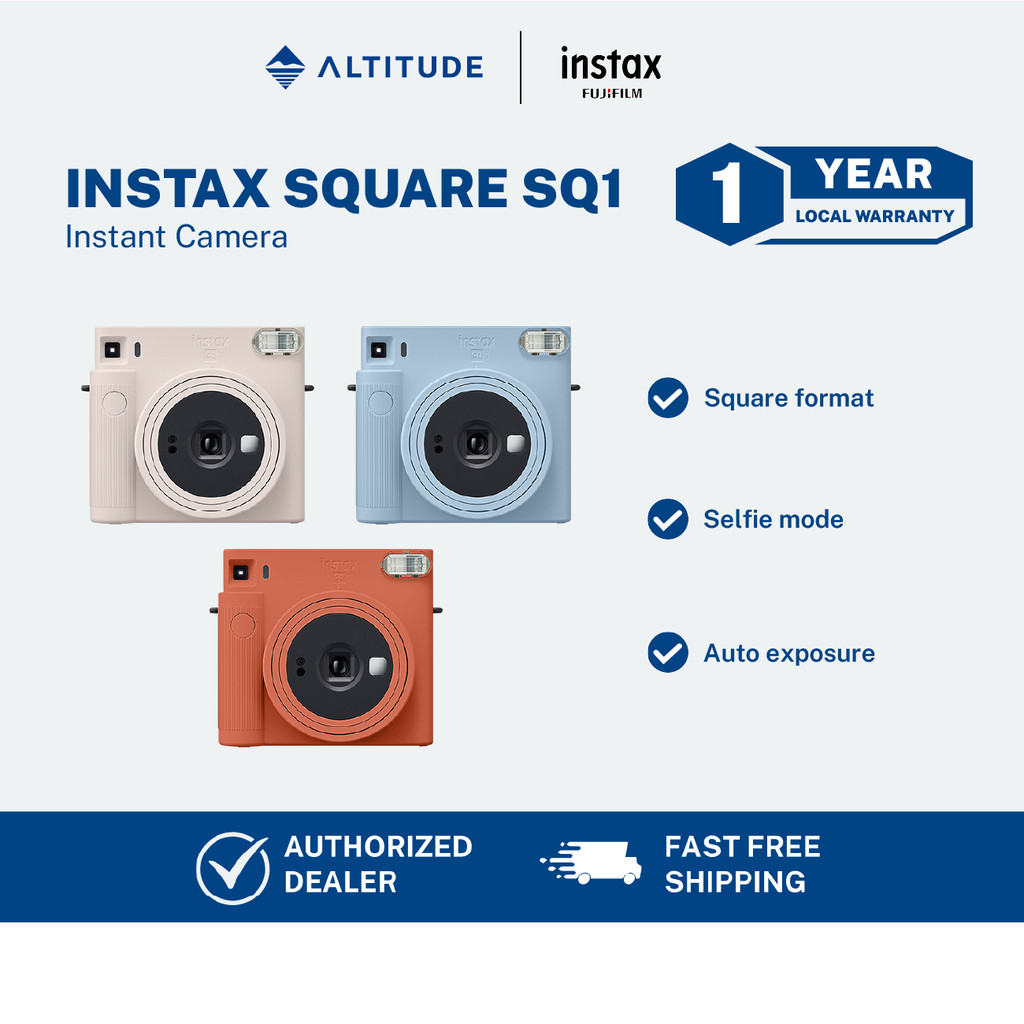
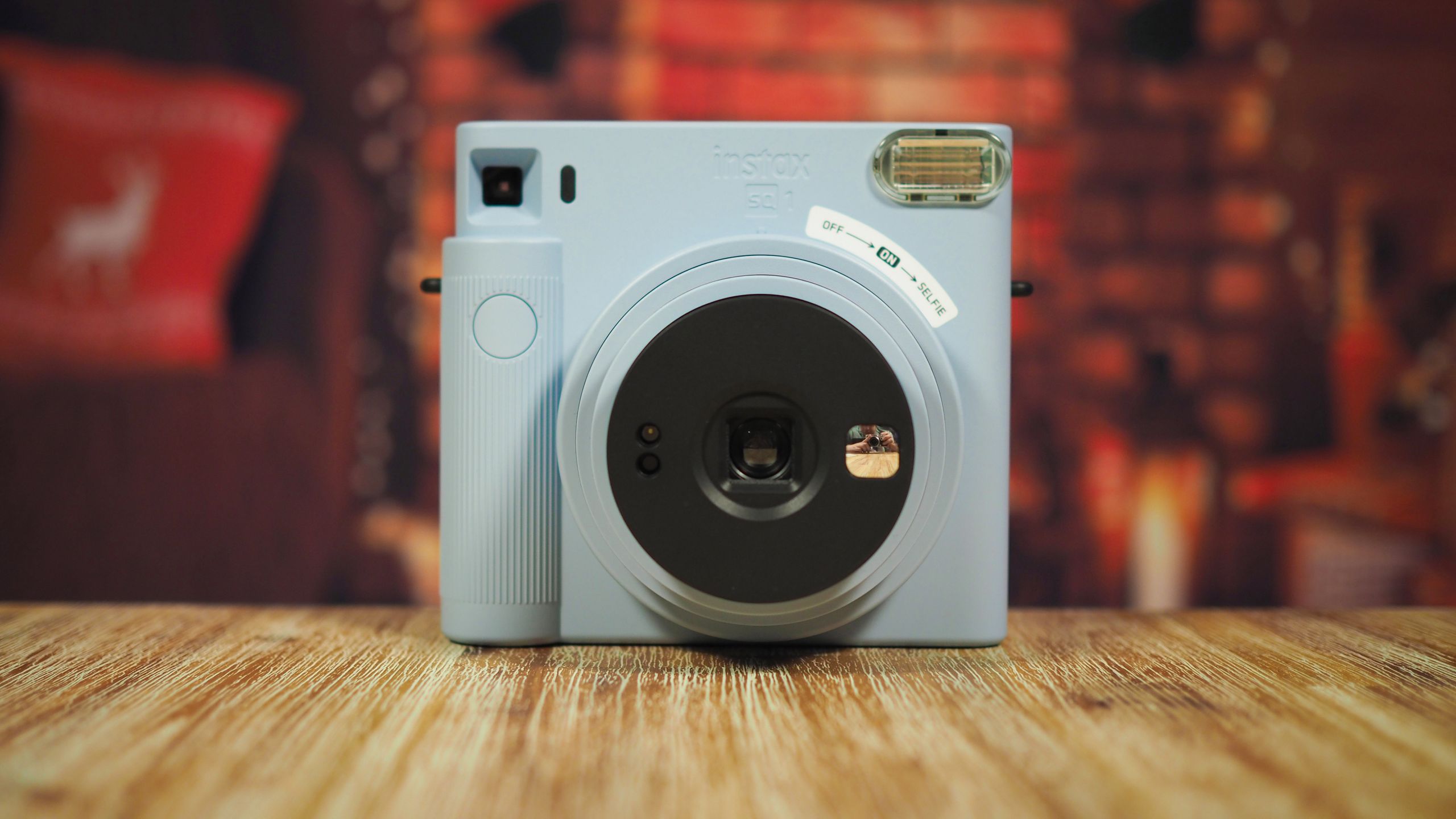
The Instax Square SQ1 was launched as a simple instant camera with a one-button point-and-shoot design, automatic exposure and a selfie mode. It was hardly a cult object at first, yet six years later it exceeds sales expectations, with Fujifilm admitting that “production cannot keep up” with demand. That demand has triggered a compact camera shortage serious enough that the company has temporarily suspended new orders and has no confirmed resumption date, promising only to announce updates on its website. Prices on remaining stock underline the pressure: around USD 199.83 (approx. ₱11,190) in blue, USD 198 (approx. ₱11,080) in orange, and USD 199.95 (approx. ₱11,200) in white in one major market, with another retailer listing blue at £119 and orange at £199. Scarcity now shapes user experience more than the camera’s simple specs.
X100VI: when a retro compact becomes scalper territory
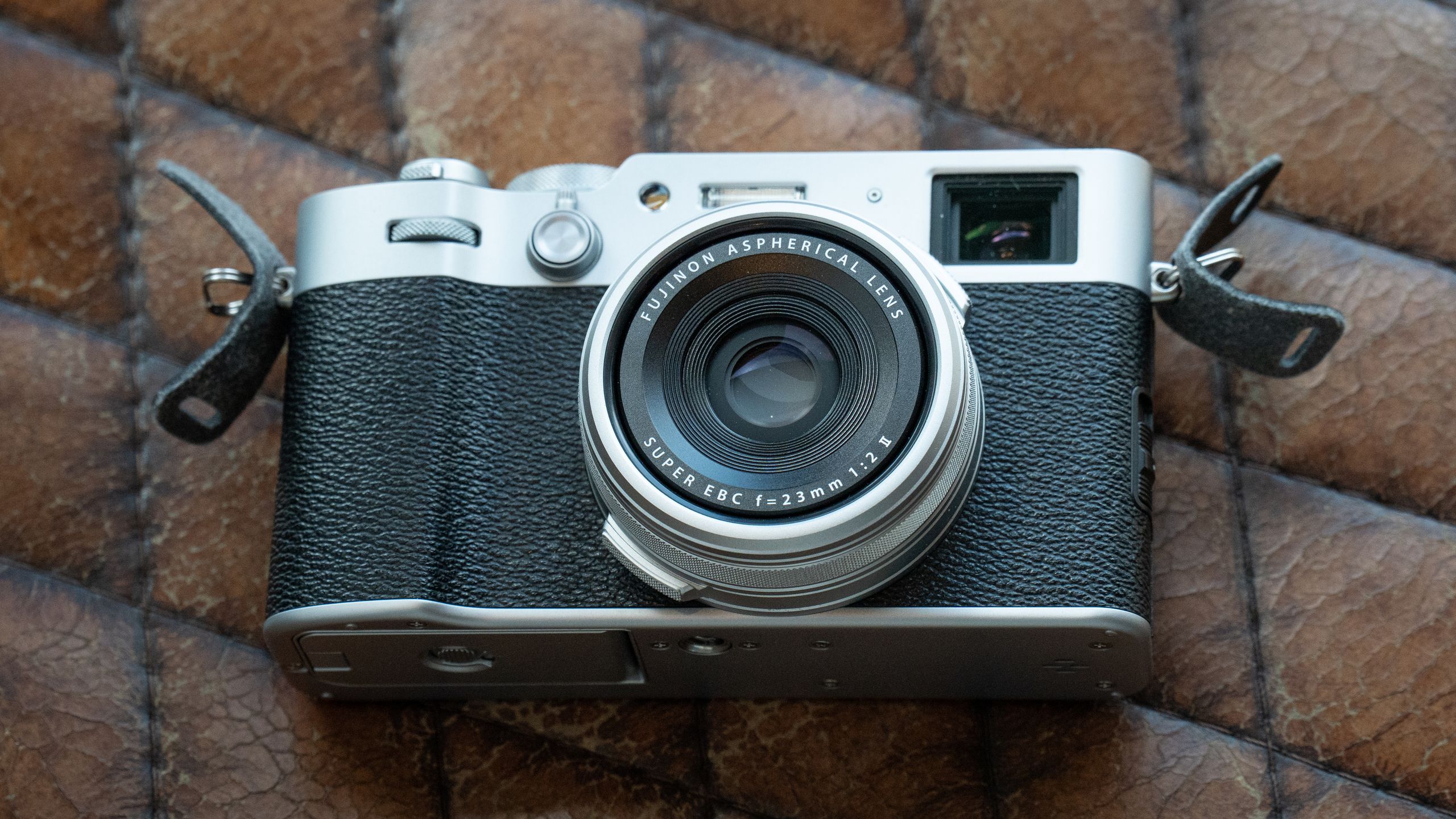
If the SQ1 shows how scarcity emerges, the Fujifilm X100VI shows how it is monetized. This retro-styled premium compact has become a viral best-seller, spending much of its life with a “temporarily out of stock” label. During a major sales event it was offered at around USD 2,299 (approx. ₱128,740), roughly USD 500 (approx. ₱27,980) above its official USD 1,799 (approx. ₱100,760) retail price. Shoppers were not getting any discount at all; they were paying a substantial premium simply to secure one of the hardest cameras to find. That is classic camera scalper pricing: turning impatience into profit while normalizing inflated third‑party offers. Yet the camera’s appeal is understandable—it packs a 40.2MP APS‑C X‑Trans CMOS 5 HR sensor, X‑Processor 5, a fixed 23mm f/2 lens with a classic 35mm‑equivalent view, in‑body stabilization, a hybrid viewfinder, 20 Film Simulation modes including Reala Ace, built‑in four‑stop ND filter, teleconverter options, and video up to 6.2K/30p and 4K/60p. Specs add credibility, but scarcity drives frenzy.
Why design and nostalgia beat specs in the queue for stock
What makes these compact cameras worth waiting for in the first place? Not raw performance. The SQ1 thrives because of its square 1:1 image format with nostalgic appeal, linked to early Instagram aesthetics, and because its pared‑back controls make instant photography approachable for new users while still delivering an analog look. The X100VI rides on similar emotional currents: a retro‑inspired body, a fixed 35mm‑style field of view beloved by street and travel photographers, and film simulations that promise pleasing color straight out of camera. Together they show how design cues and cultural memory—rather than technical superiority—now drive consumer behavior. According to one camera specialist, the broader resurgence of analogue photography among younger photographers and content creators coincides with this spike in demand. In other words, supply chains are being bent not by need, but by identity: buyers are purchasing a lifestyle and an aesthetic.
How to buy the X100VI without rewarding scalpers
The uncomfortable truth is that buyers now help decide whether camera scalper prices become normal. For the Fujifilm X100VI, the responsible move is to order from reputable retailers at the official price and accept a short delay, not pay a speculative premium. It is believed that placing an order at proper retail now means waiting about a week rather than getting next‑day delivery. The wait differs by color, with the silver version often facing a longer queue than the all‑black variant. That modest delay is worth it: seven days to keep around USD 500 (approx. ₱27,980) in your pocket is a better trade than rewarding markups that only encourage future shortages. That saving can fund memory cards, batteries, a bag, filters, and a hood instead of padding a scalper’s margin. If buyers collectively refuse inflated offers, the market will be forced back toward fair pricing—and the X100VI can return to being a camera, not a financial instrument.