
GPU temperature monitoring grows up: the HotSpot era begins
GPU temperature monitoring is the practice of tracking sensor data from graphics cards—including core temperatures, voltages, and fan speeds—to keep systems stable, avoid overheating, and tune performance for gaming and content creation workloads. CPUID’s HWMonitor 1.65 has blown the doors open on the next stage of that practice by restoring access to the GPU HotSpot temperature on Nvidia’s RTX 50 series, the single most revealing metric of how hard a modern GPU is being pushed. This is more than a minor changelog entry. It is a rare case of a utility developer pulling hidden telemetry back into the hands of enthusiasts after a vendor tried to tuck it away. HWMonitor now does what Nvidia’s public API would not, and that shift will ripple through how high-end PC builders think about cooling and headroom.
What HWMonitor 1.65 unlocked—and why Nvidia’s gap mattered
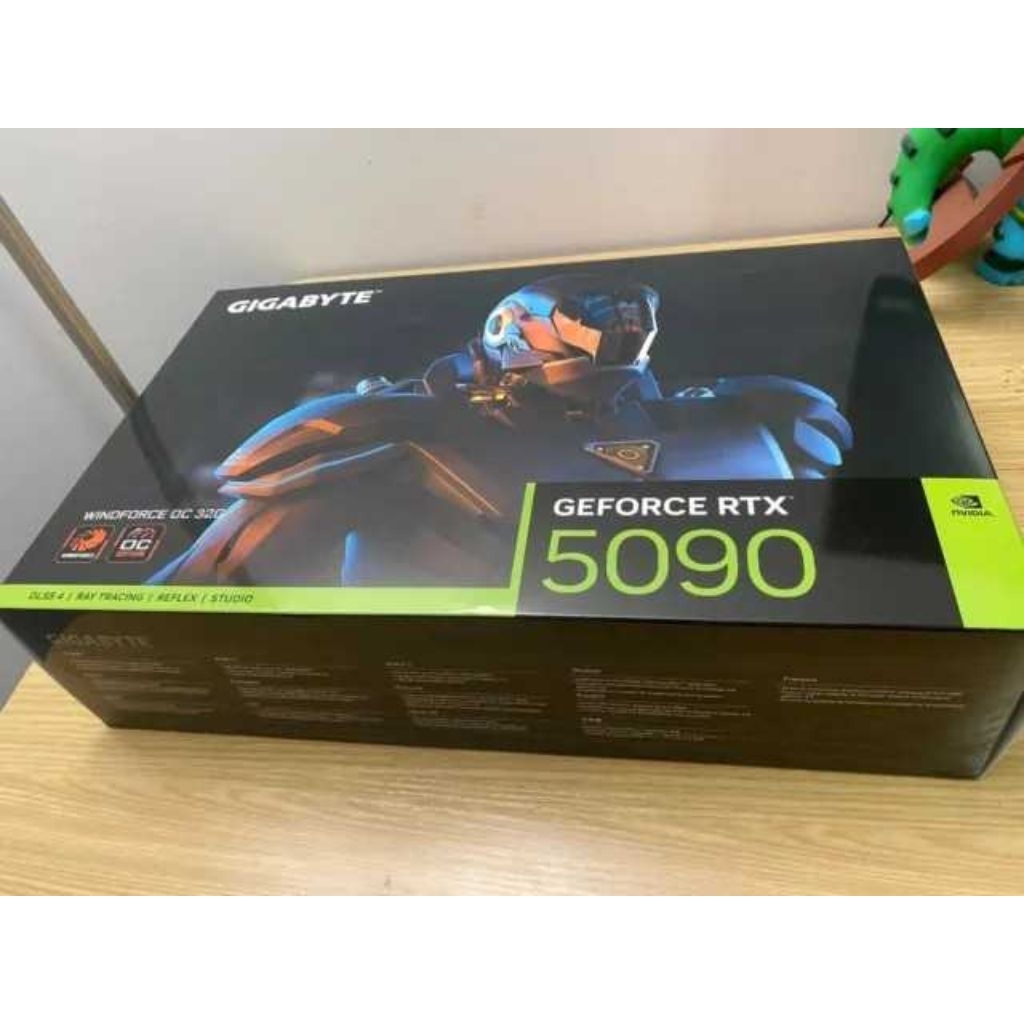
When Nvidia launched the GeForce RTX 50 family, hotspot monitoring vanished from third‑party tools like earlier HWMonitor builds, even though the sensor still existed on the die. Instead, users were stuck with a lower, smoothed‑out GPU temperature while the HotSpot data was reserved for Nvidia’s internal Modular Diagnostic Software, a factory utility unavailable to consumers. HWMonitor 1.65 changes that situation by “successfully restoring hotspot reporting for RTX 50 series graphics cards” without disclosing how it accesses the telemetry. According to one report, CPUID has likely uncovered “an undocumented method for recording this temperature,” something Nvidia’s own tools have quietly used all along. That matters because hiding HotSpot data never protected users; it only kept enthusiasts blind to the real thermal behavior of their expensive hardware.
HotSpot vs. core temp: the numbers that expose your cooling
The new HWMonitor RTX 50 series support is already producing the kind of data that changes how you judge a cooling setup. In one overclocked test, a shunt‑modded RTX 5090 with custom water cooling pulled more than 900 W from the wall while HWMonitor reported a hotspot temperature of about 68°C and a standard GPU temperature around 51°C—a delta of roughly 17°C. That spread tells you far more than a single “GPU temp” line ever could. A large gap hints at uneven contact, weak thermal pads, or paste that is past its prime; a tight gap suggests a well‑designed cooler and good mounting pressure. You cannot fix what you cannot see, and for the entire early RTX 50 run, users were forced to tune blind. Restoring HotSpot telemetry turns every heavy benchmark into a live diagnostic of cooler quality.
From single utility to ecosystem: thermal monitoring tools catch up
HWMonitor is more than a curiosity; it is one of the core thermal monitoring tools for anyone who cares about system stability and performance, tracking temperatures, voltages, and fan speeds across CPUs, GPUs, storage, and more. With HotSpot support on RTX 50x0 GPUs and preliminary support for parts like the Lisuan 7G100, it sharpens its role as a baseline diagnostic utility. The impact will not stay confined to one program. CapFrameX has already confirmed that its upcoming v1.9.0 release will support RTX 50 HotSpot sensors, and its developers say this is “coming soon.” Now that one major utility has proven the telemetry can be accessed, “most GPU sensing applications should support GPU HotSpot temperature sensing” in short order, giving PC users more useful thermal data than they have had at any point in the RTX 50 generation.
Why enthusiasts should care: control returns to the user
For everyday users and network administrators, hardware monitoring tools like HWMonitor are already “essential for anyone looking to maintain system stability and optimize performance,” helping prevent overheating or power issues that can cause crashes or damage components. The Pro version even lets admins watch multiple PCs at once. Adding GPU HotSpot temperature to that toolkit tilts the balance of information back toward the people who own the hardware. It allows high‑end builders to judge whether their expensive cooling is doing its job and lets IT staff spot problematic thermals before they show up as failures. With CapFrameX and others racing to add support, the message is clear: hiding key telemetry behind vendor‑only software is a losing strategy. HotSpot monitoring on the RTX 50 series is not just a new metric; it is a small but important win for user transparency in GPU temperature monitoring.