
The paradox: weaker specs, stronger sales
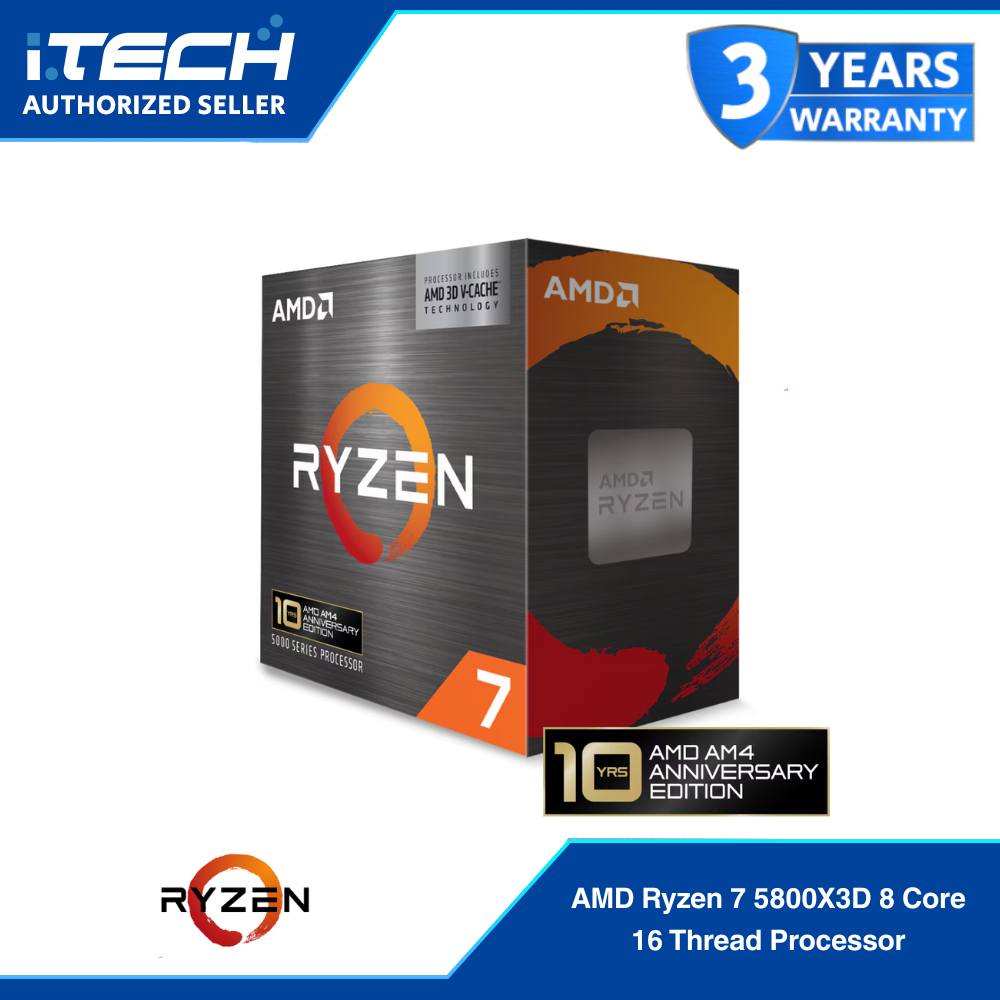
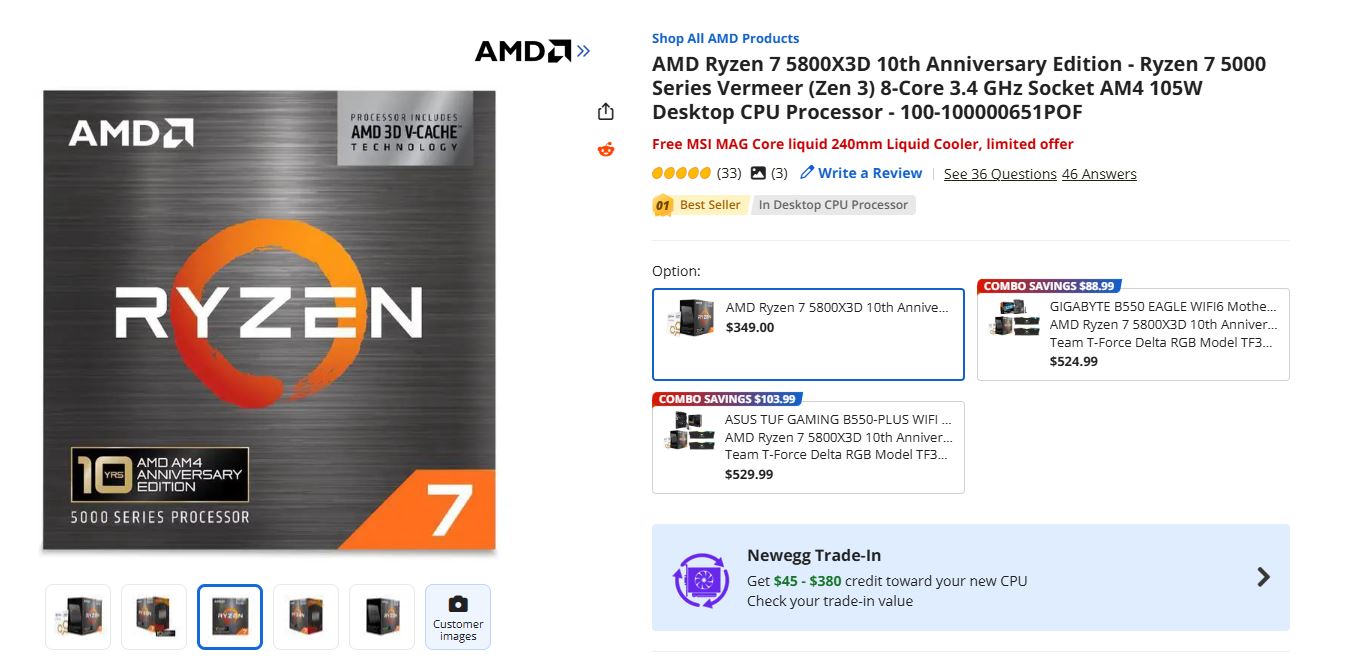
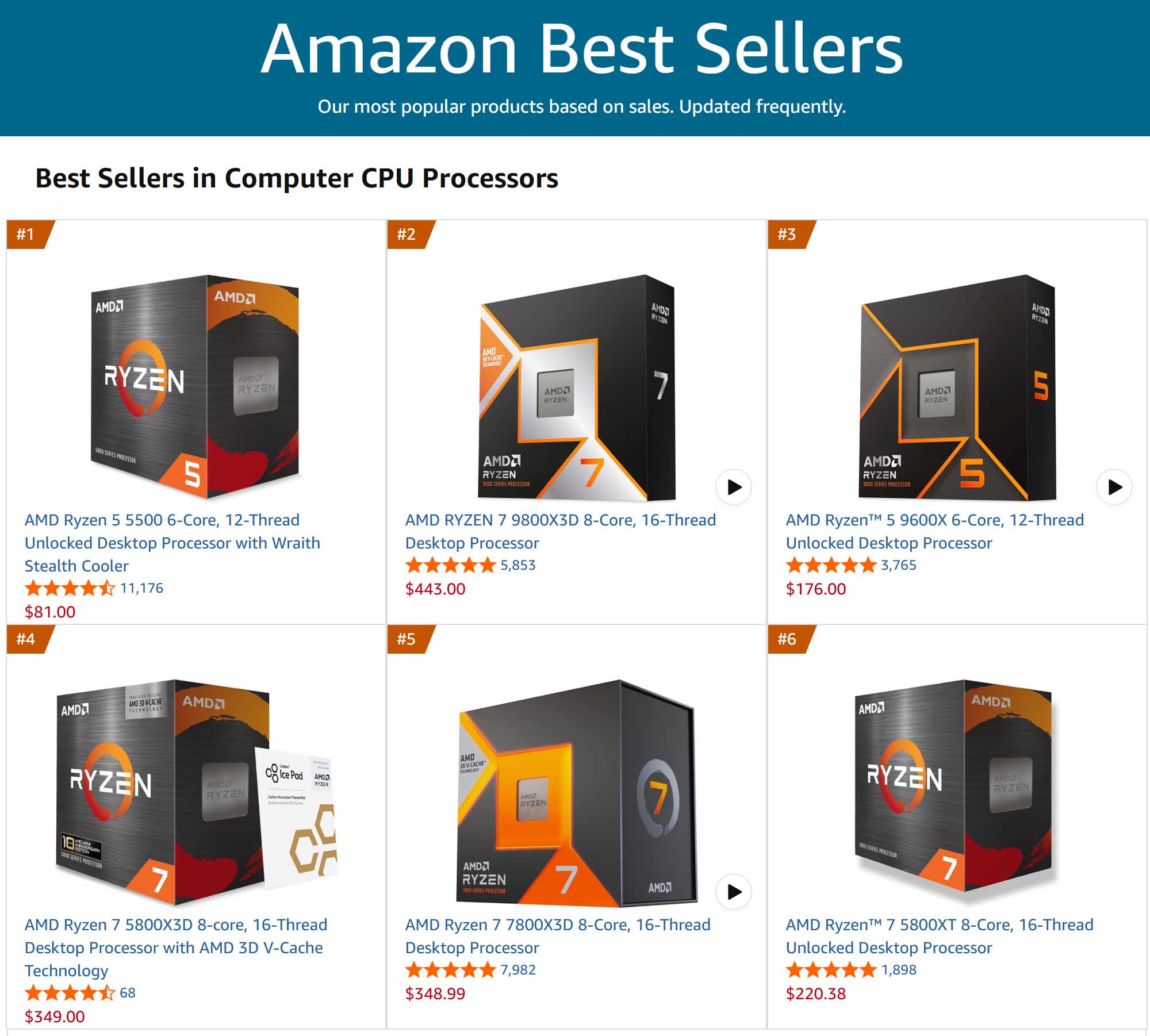
The Ryzen 7 5800X3D sales paradox describes how an older, technically weaker gaming CPU on AMD’s AM4 platform is outselling its newer Ryzen 7 7800X3D successor at a similar price, because it fits easily into existing DDR4-based systems and offers near-flagship gaming performance without forcing costly platform upgrades. This is not a quirk of the charts; it is a clear signal about what PC enthusiasts value right now: complete, affordable builds over chasing every last frame at any cost. The 5800X3D 10th Anniversary edition landed in retailers’ best-selling lists less than a month after launch and quickly climbed to fourth place on Amazon’s CPU chart, ahead of the 7800X3D sitting in fifth. In an era of inflated memory prices, the market is voting against mandatory DDR5 and in favor of reuse-friendly hardware.
What the numbers say about Ryzen 5800X3D sales
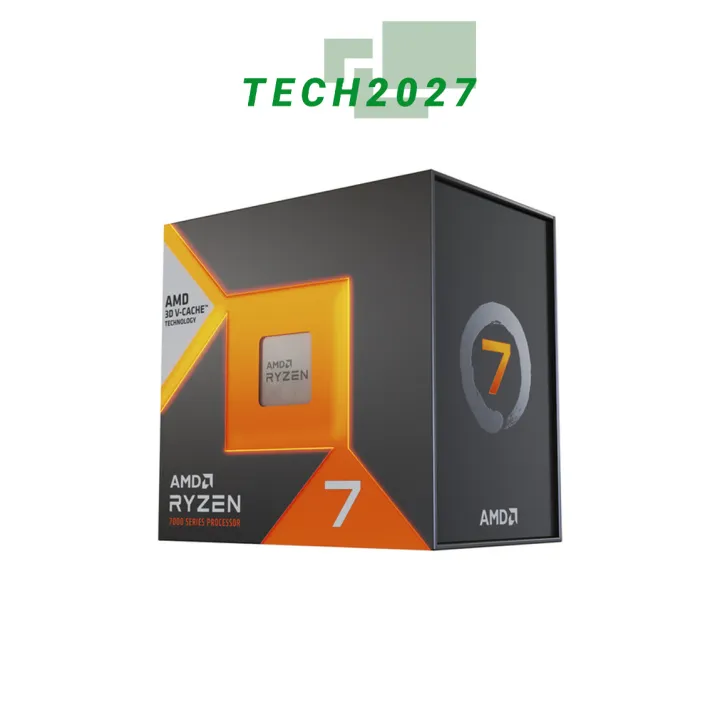
Follow the numbers and the story becomes blunt. The rereleased Ryzen 7 5800X3D carries a MSRP of USD 349 (approx. ₱20,300), putting it directly against the newer 7800X3D in the same price bracket. Yet in its first month, the 5800X3D moved around 3,000 units on Amazon, while the 7800X3D managed roughly 2,000. One quotable takeaway: “Both are selling for nearly $350, but given the performance of the 7800X3D, it's surprising to see the 5800X3D surpassing the latter in sales.” And this isn’t a one‑retailer fluke; the same chip is sitting at number one on Newegg’s best‑selling CPU list. Put differently, a four‑year‑old, re‑engineered DDR4 chip is currently outselling not just its successor but also higher‑core-count X3D models built for the newer platform. That is a damning verdict on how compelling the upgrade path to AM5 feels in the middle of a RAM crisis.
DDR4 vs DDR5 cost: why platform matters more than silicon
At the heart of this CPU value comparison is not core count or cache size, but DDR4 vs DDR5 cost. With RAM prices at crisis point, many AM4 owners prefer to buy a 5800X3D and keep their existing DDR4 kit rather than pay for an AM5 board, a new CPU, and expensive DDR5 memory. You do not need DDR5 to run a 5800X3D, and that single fact turns it into the best DDR4 CPU option for millions of budget enthusiast builds. By contrast, a 7800X3D purchase usually drags along a full platform refresh. That means the sticker price of the chip is only the beginning of the bill. The current “RAMpocalypse” has already nudged a large section of builders toward AM4 systems, and the 5800X3D slots neatly into that migration as the high‑end gaming upgrade that does not blow up the total system cost.
Gaming CPU performance: when ‘good enough’ beats ‘best’
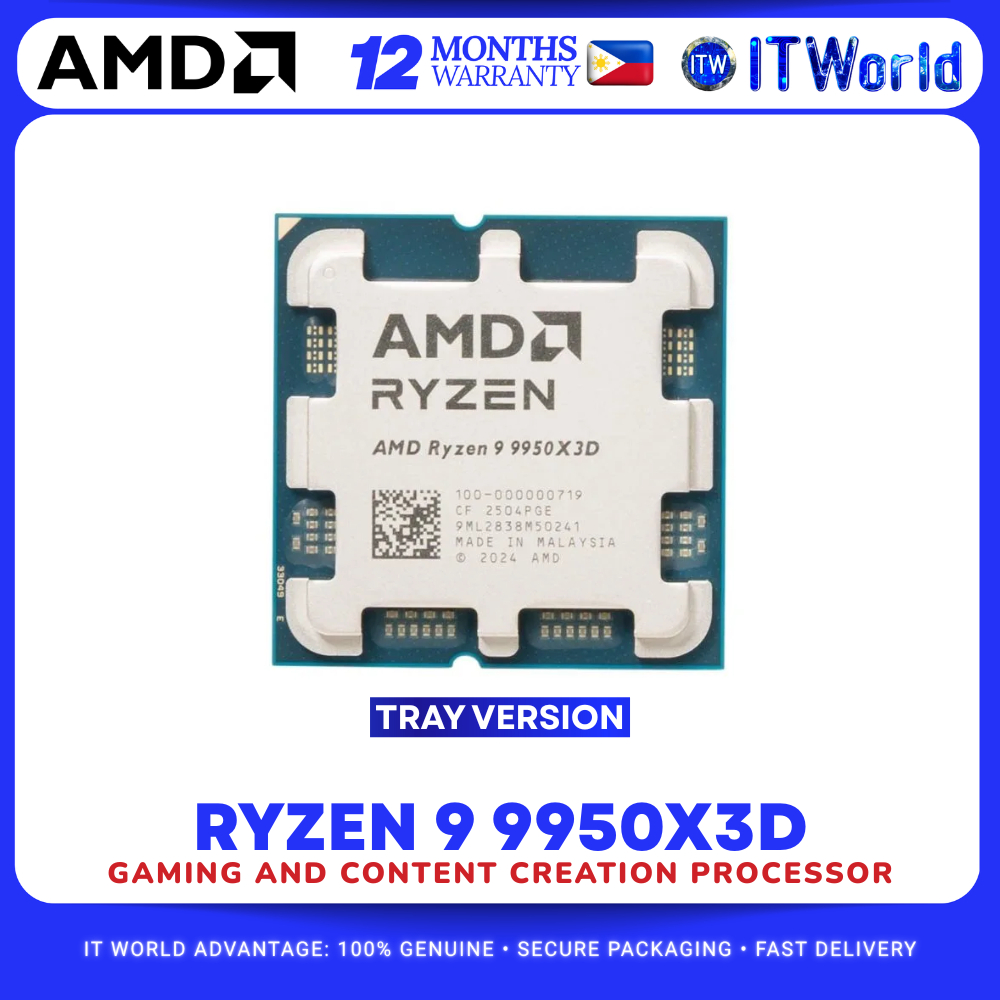
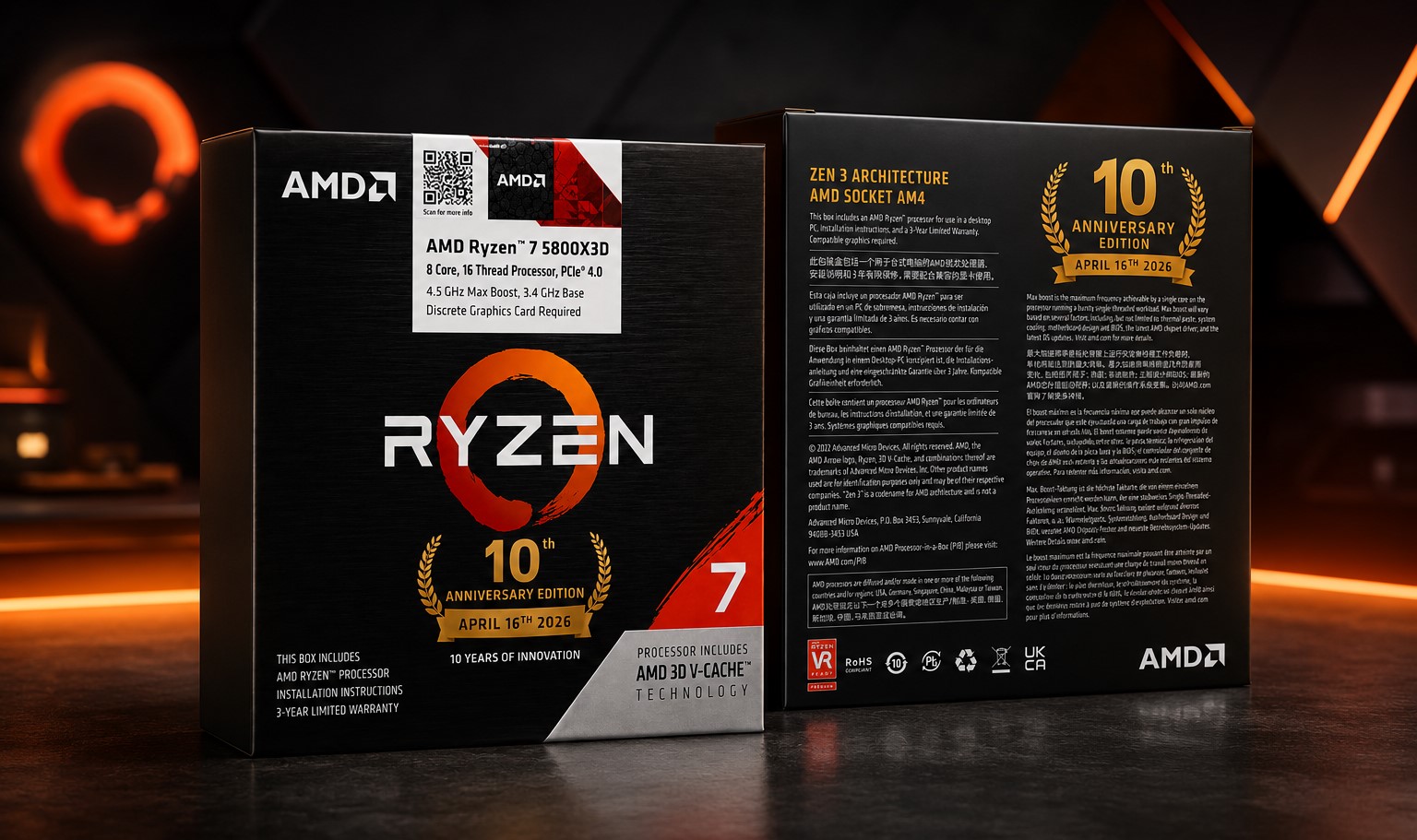
From a gaming CPU performance perspective, the 7800X3D is the faster chip on paper, but the gap is not big enough to overcome platform economics for most enthusiasts. The 5800X3D was AMD’s first desktop processor with 3D V‑Cache, stacking an extra 64MB of L3 cache onto its 8‑core chiplet. Its boost clock peaks at 4.5GHz, yet the huge cache cut in cache misses and trips to slower system memory, lifting frame rates to near‑flagship territory. When the practical difference between the old and new X3D generations often shows up as small percentage gains in real games, value shoppers weigh that against the price of a motherboard and DDR5 kit. The result: a four‑year‑old 5800X3D now outsells the 7800X3D, the Ryzen 9 9950X3D, and the 9850X3D in Amazon’s charts. Enthusiasts are signalling that “fast enough” plus affordable upgrades beats absolute performance on a costly new platform.
Budget enthusiast builds and what comes next for AM4
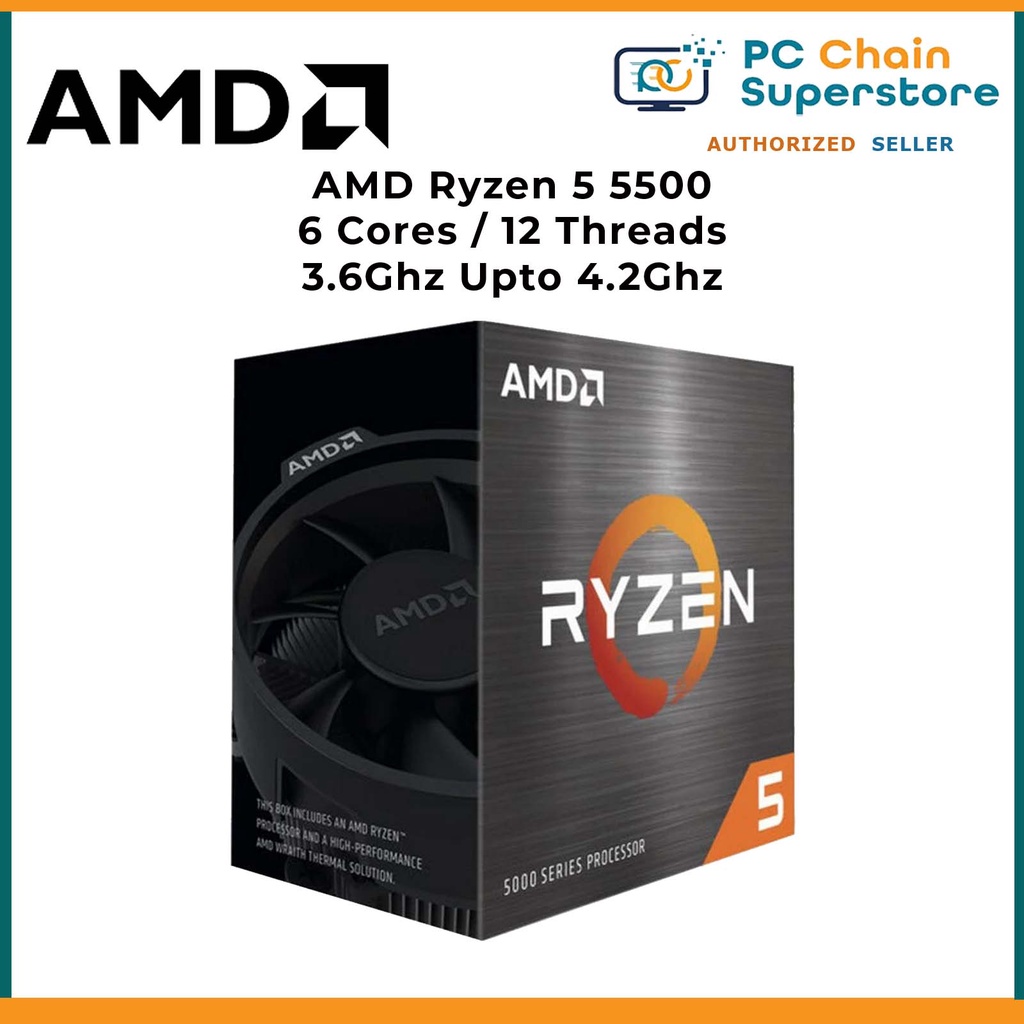
The 5800X3D surge fits a broader pattern: budget enthusiast builds are clustering around AM4, not AM5. Another AM4 chip, the Ryzen 5 5500, is currently the number one CPU on Amazon, thanks to a low USD 81 (approx. ₱4,700) price and near‑universal AM4 motherboard compatibility without DDR5. Several more AM4 parts — Ryzen 7 5800XT, 5700X, and Ryzen 9 5900XT — also sit comfortably in the top 15. According to one source, this proves that “gamers are still clamouring for AM4 chips that work with their existing memory.” With the 5800X3D’s re‑engineering paying off in sales, it would not be surprising to see more AM4 CPUs with 3D V‑Cache appear while the RAM crisis continues. There is even speculation about a relaunched 5700X3D or a higher‑clocked 5850X3D built from golden samples. The message is clear: platform‑friendly upgrades are now a competitive weapon, and AMD will likely keep swinging it.