
From Fitness Toys to Health Infrastructure
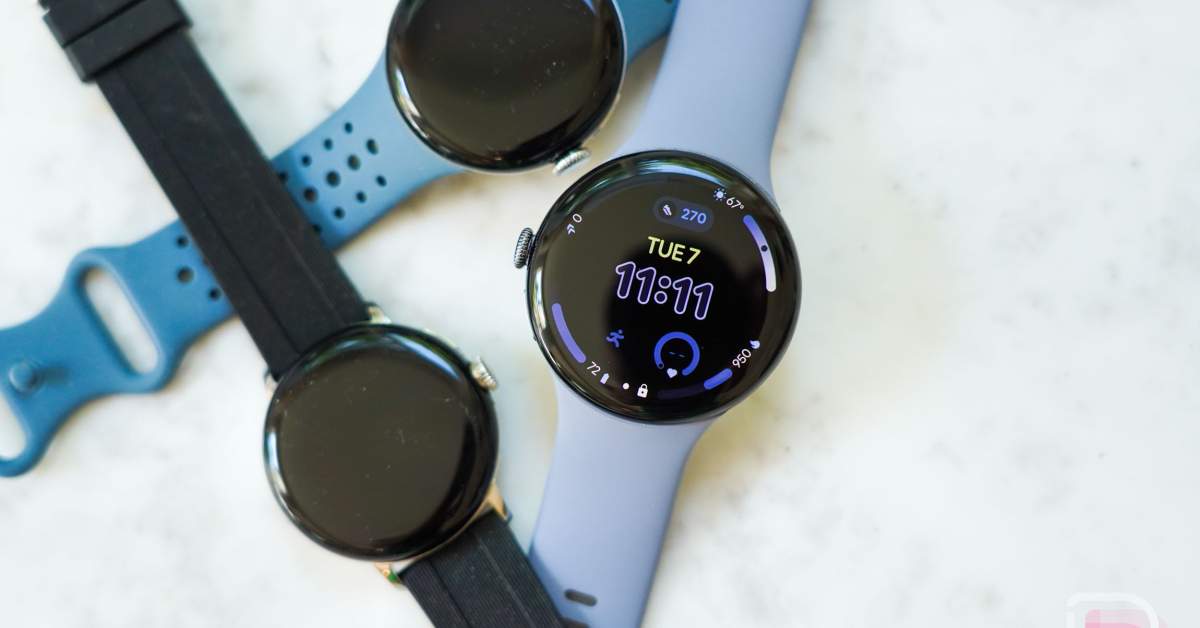
The modern wearable health tech market describes a fast-growing ecosystem of smartwatches, patches, headsets, and other connected devices that use biometric sensors, on-device AI, and medical credentials to monitor health, deliver clinical insights, and support professional workflows across healthcare and industry. The key takeaway is simple: wearables are evolving from lifestyle accessories into regulated health infrastructure and industrial computers, and that shift will define who wins the market through 2035. The wearable healthcare devices market alone is projected to grow from USD 30.75 billion (approx. ₱1.7 trillion) in 2025 to USD 34.41 billion (approx. ₱1.9 trillion) in 2026 at an 11.9% CAGR, on its way to USD 54.44 billion (approx. ₱3.0 trillion) by 2030 at a 12.2% CAGR. That is not a gadget story; it is a healthcare and productivity story.
The Sensor Stack: MEMS and Biometric Arms Race
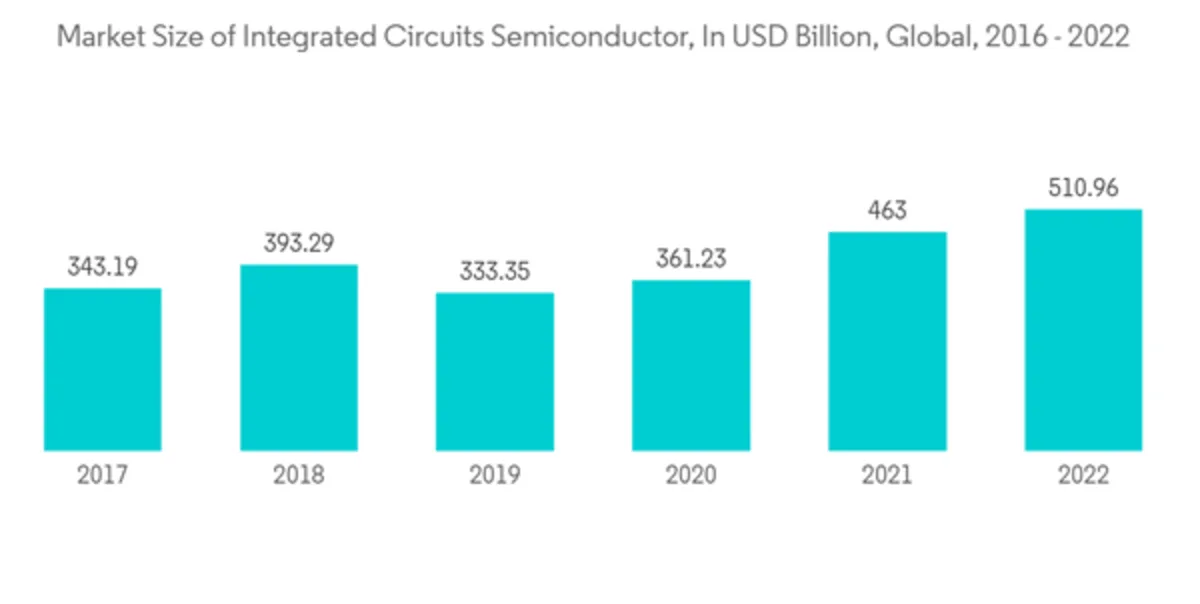
Under the skin of every serious wearable now sits a dense stack of MEMS and biometric sensors, and this is where most of the value is migrating. The MEMS for mobile devices market is projected to rise from USD 10.21 billion (approx. ₱572 billion) in 2025 and USD 10.97 billion (approx. ₱615 billion) in 2026 to USD 15.61 billion (approx. ₱875 billion) by 2031, a 7.31% CAGR. Fingerprint sensors alone generated 35.21% of market revenue in 2025, showing how fast biometric sensors growth is compounding. Wearable devices are one of the highest-growth segments and are forecast to post a 7.52% CAGR as regulatory clearances, advanced motion sampling, and cellular connectivity increase demand for accelerometers, gyroscopes, microphones, and biometric sensors. Foldable and flexible form factors are pushing MEMS directly into displays, enabling compact health sensors in smartwatches, rings, and broader wearable computers.
This arms race in sensing is what turns a commodity smartwatch into a credible health device. As continuous glucose monitoring and other advanced biometric sensors become standard, the addressable market expands into chronic disease management rather than stopping at casual fitness. In plain terms: whoever controls the sensor stack controls the most defensible part of the value chain.
On-Device AI: From Data Logging to Proactive Care
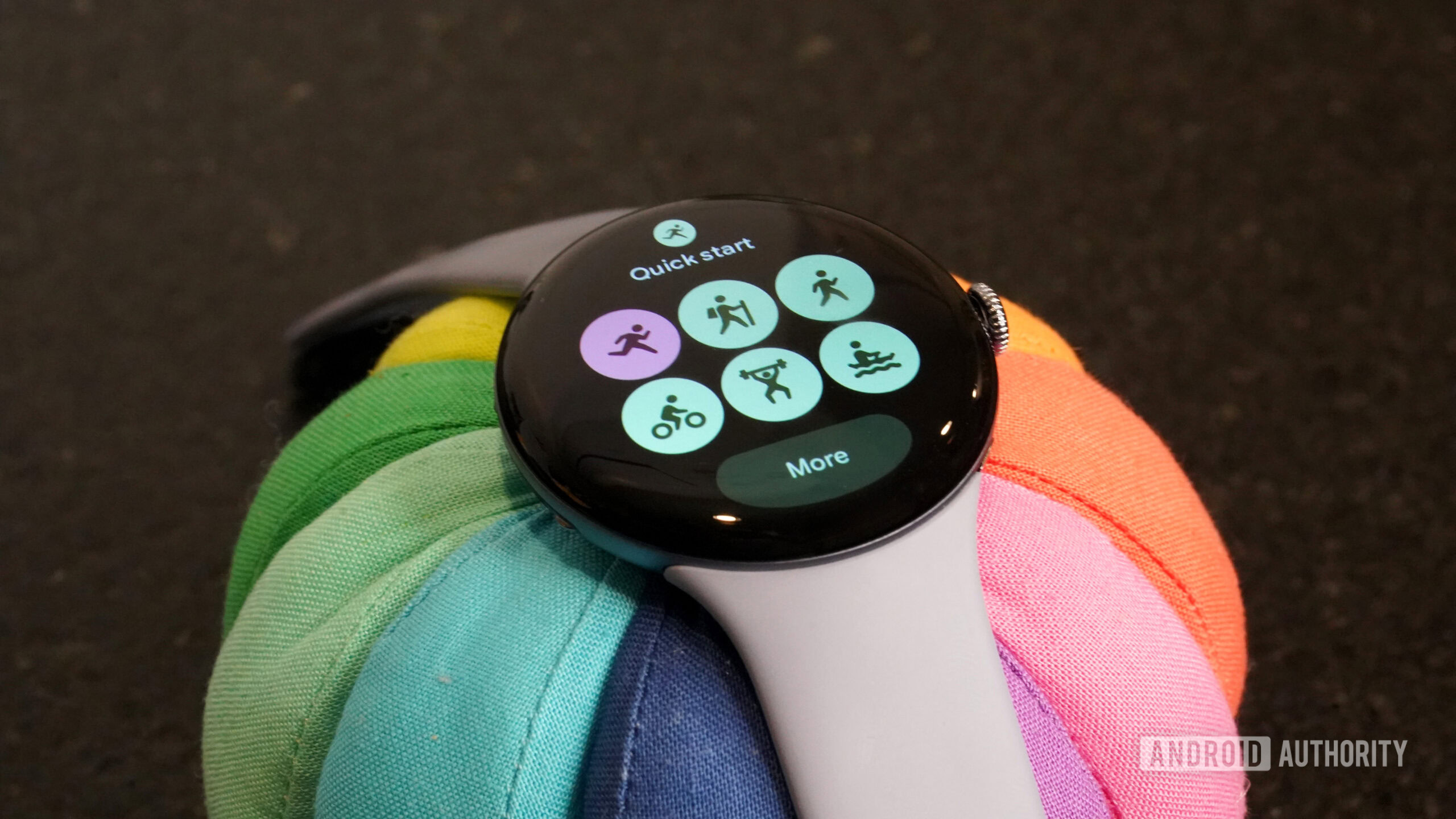
The second structural shift is on-device AI. Wearables used to be glorified loggers that shipped raw data to the cloud; now they are turning into proactive, context-aware assistants. According to one industry report, on-device AI has become a primary purchase driver as embedded large language models and edge AI processors transform wearable computers from passive data collectors into proactive assistants, pulling replacement cycles down to two to three years in the premium tier. In the wearable health tech market, AI-driven personalized health insights are already cited as a key growth driver, alongside remote patient monitoring and interoperable cloud platforms. This is more than convenience: when anomaly detection, triage prompts, and behavioral nudges run locally, wearables can support higher-frequency medical-grade monitoring without constant connectivity.
Through 2035, the wearable market forecast points to sustained expansion built on three pillars: integration of on-device AI, deeper health monitoring with regulatory certification, and enterprise AR/VR scaling. Those pillars shift the business model away from step counts and sleep scores toward continuous care pathways, subscription services, and enterprise software layers. The brands that treat AI smartwatch technology as a clinical and operational engine—not a gimmick—will own the most loyal and highest-value users.
Health Credentialing and Industrial Use: The New Revenue Engine
The most underestimated trend in wearables is health credentialing. More than half of new smartwatch models launched in 2026 carry medical device certifications such as FDA Class II or CE MDR. That instantly reshapes competition: certified devices command significant price premiums and create durable barriers to entry for uncertified rivals. In parallel, the healthcare and medical segment already accounts for 18% of wearable computer revenue in 2026, driven by wearable medical monitors, health patches, and head-mounted displays for clinical use. This is where the wearable health tech market stops being an adjunct to smartphones and starts acting like an extension of the hospital and clinic.
Industrial and enterprise adoption is the second major revenue engine. Shipments of wearable computers surpassed 500 million units in 2026, fueled not only by consumer smartwatches but also AR/VR headsets and industrial wearables. Enterprise use of head-mounted wearables is growing at a 12–15% CAGR, with logistics picking, remote field service, and surgical guidance among the fastest-growing applications. In this context, health credentialing becomes a trust signal for employers and health systems, while AI-powered wearables become safety devices, training tools, and compliance monitors—not mere gadgets.
Constraints, Risks, and What Winning Looks Like by 2035
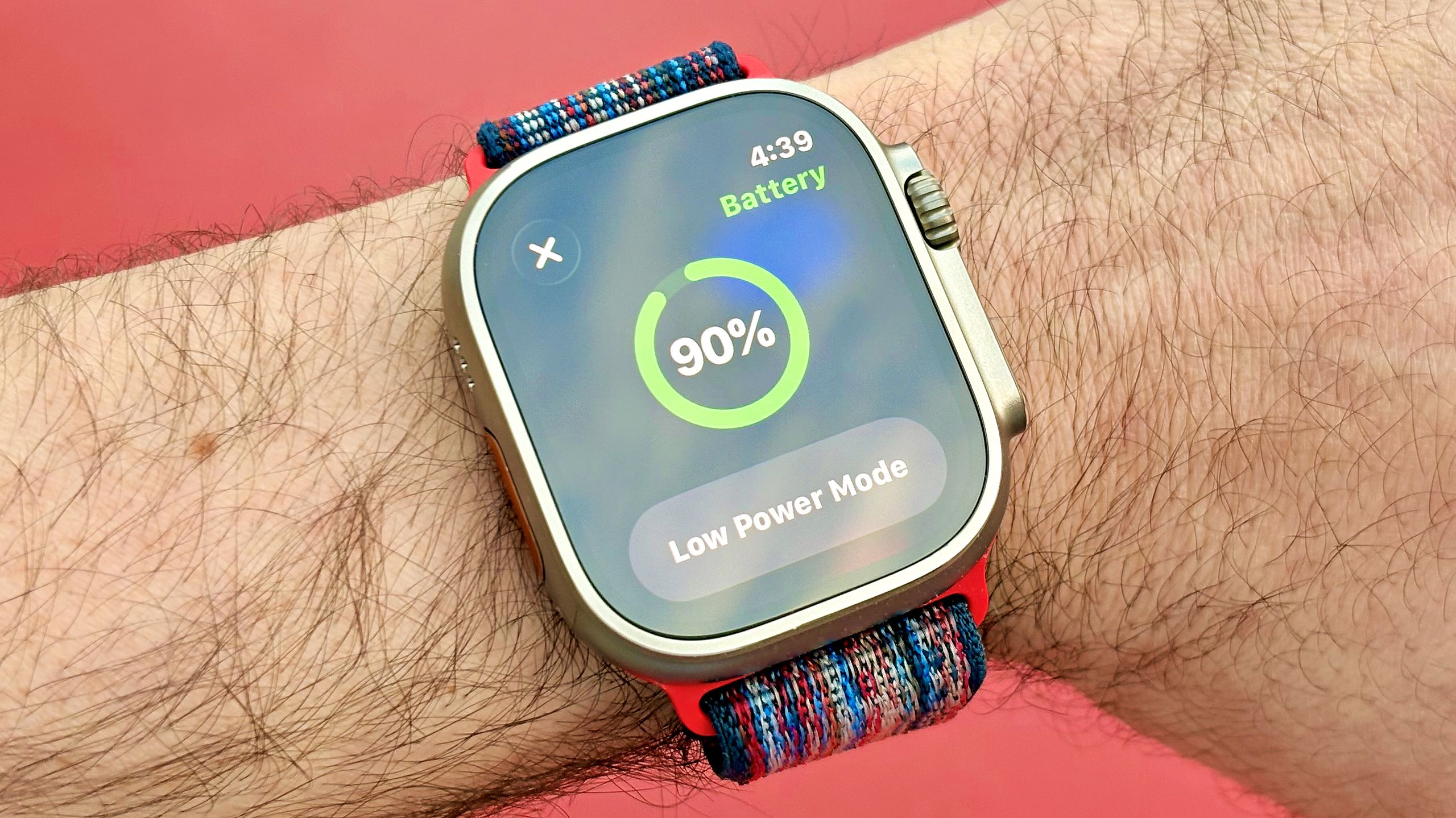
The bullish outlook is not without friction. Battery technology is still lagging: full-featured smartwatches manage only one to three days of life, while AR/VR headsets often need multiple daily charges, which limits continuous wear and shift-based industrial use. On the manufacturing side, wafer-level packaging can cut production costs for MEMS but remains vulnerable to cavity leaks, contamination, microcracks, and stress-related defects. These are not trivial engineering details—they are practical brakes on form-factor innovation and on the reliability expectations of clinicians and enterprises.
Even with these constraints, the direction is clear. Global wearable computer shipments are expected to grow at about an 8.5% CAGR from 2026 to 2035, with the market index (2025=100) reaching 225 by 2035. Consumer devices will still dominate revenue, but their share will slide as certified medical wearables and enterprise headsets grow faster. Through 2035, general-purpose fitness trackers will give way to health-certified wearables requiring formal regulatory marking, raising the bar for new entrants. The winners will be the companies that treat AI, biometric sensors, and health credentialing as a single design problem—building devices that patients, workers, and regulators can all trust, and turning those devices into platforms for ongoing health and productivity services.