
Used mirrorless cameras: from leftovers to first choice
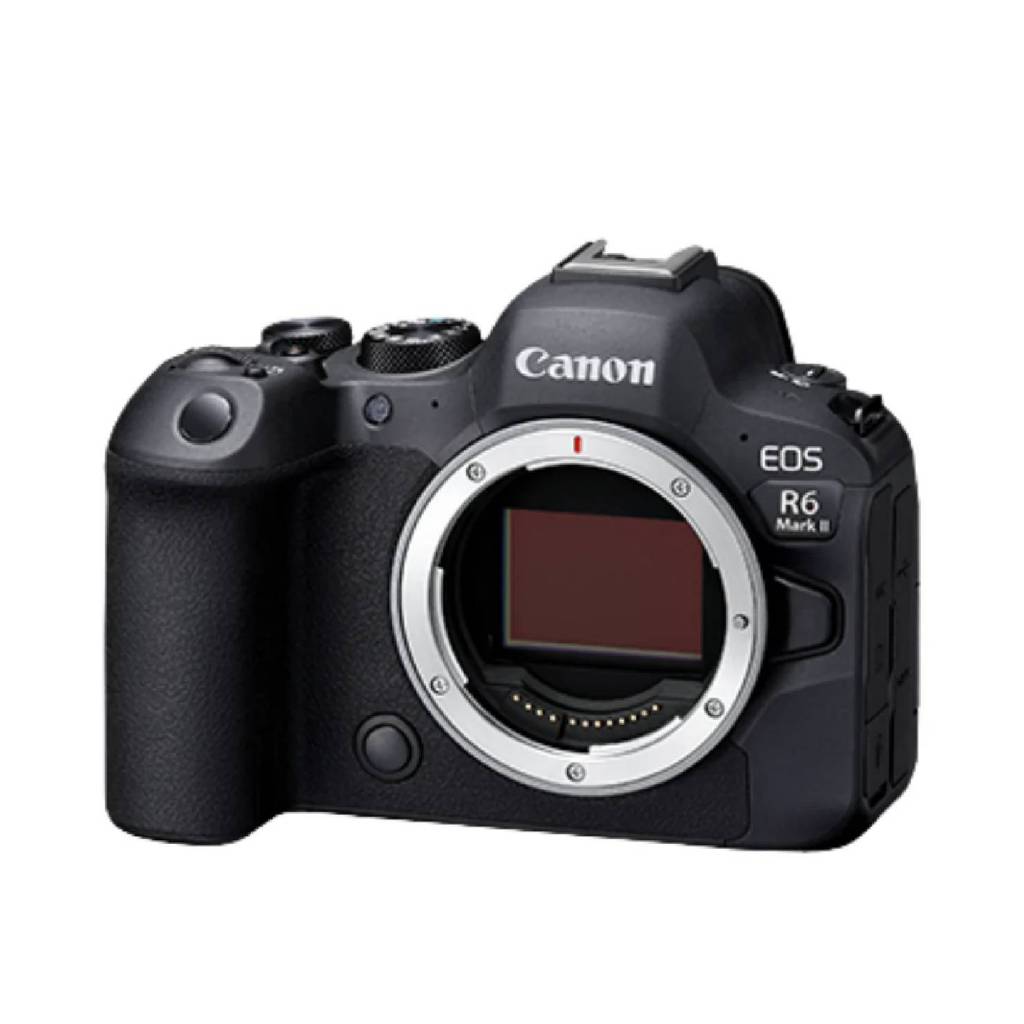
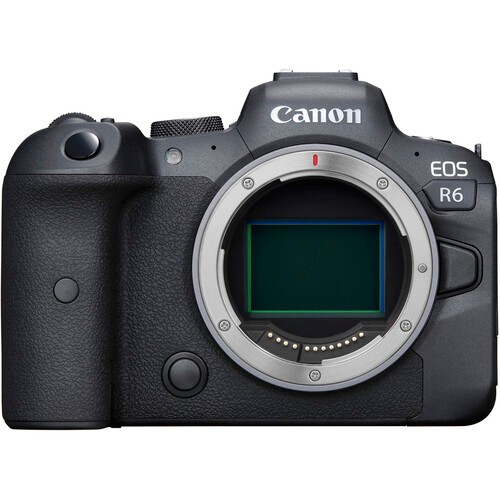
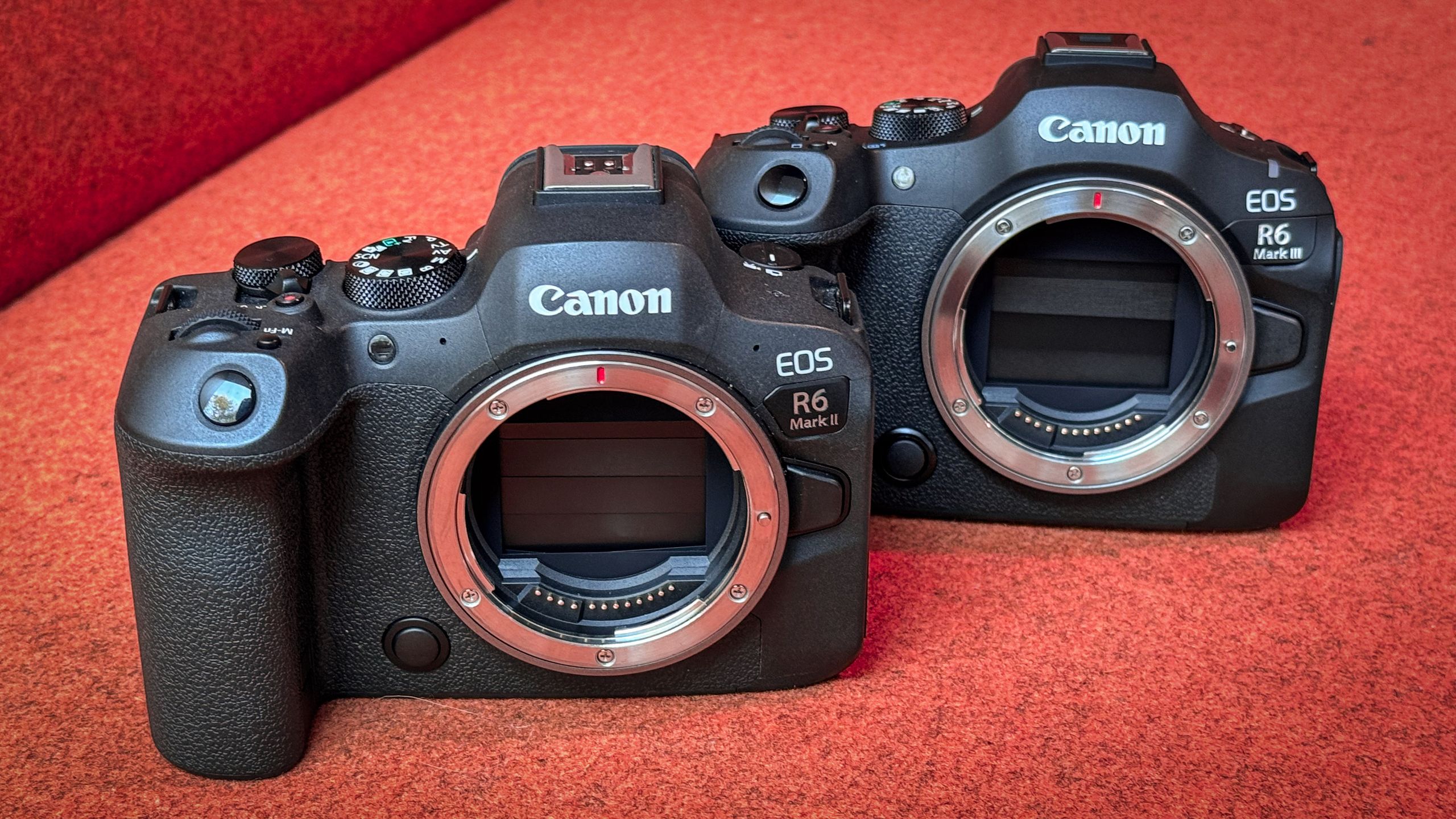
Used mirrorless cameras are pre-owned interchangeable-lens digital cameras with electronic viewfinders that photographers buy second-hand for lower cost, proven performance, and access to professional features without paying for the newest model’s full retail price, turning what once looked like leftover gear into a deliberate, value-driven choice for many creators. In the latest data from a major buy-and-sell app, the Canon EOS R6 Mark II leads used body sales, with the original EOS R6 also in the top three, even though both sit beneath the newer 32.5MP EOS R6 Mark III that headlines current new-camera charts. This is not a quirk; it is a verdict. When photographers can choose between a fresh flagship and a previous-generation camera with 24.1MP or 20.1MP sensors at a lower outlay, they are deciding that good enough has now outgunned bleeding-edge progress.
Canon’s R6 line: previous generation cameras that refuse to die
The EOS R6 story is the clearest sign that previous generation cameras are the new default upgrade path. The EOS R6 Mark II, itself replaced by the 32.5MP R6 Mark III in late 2025, still tops the used chart on a popular trading app, followed directly by the original R6 with its 20.1MP sensor. In other words, two superseded bodies sit in the top three slots while their successor dominates new-camera lists. That is not nostalgia; that is rational buying. Photographers see the Mark II as a “fantastic budget alternative” to the buzz-heavy Mark III, with nearly all of the handling and core performance in a cheaper, depreciated shell. The message to manufacturers is blunt: once a camera hits a certain level of competence, piling on more resolution and video formats does not guarantee that buyers will follow you to the newest shelf.
Retro camera market trends: Nikon Zf leads the rebellion
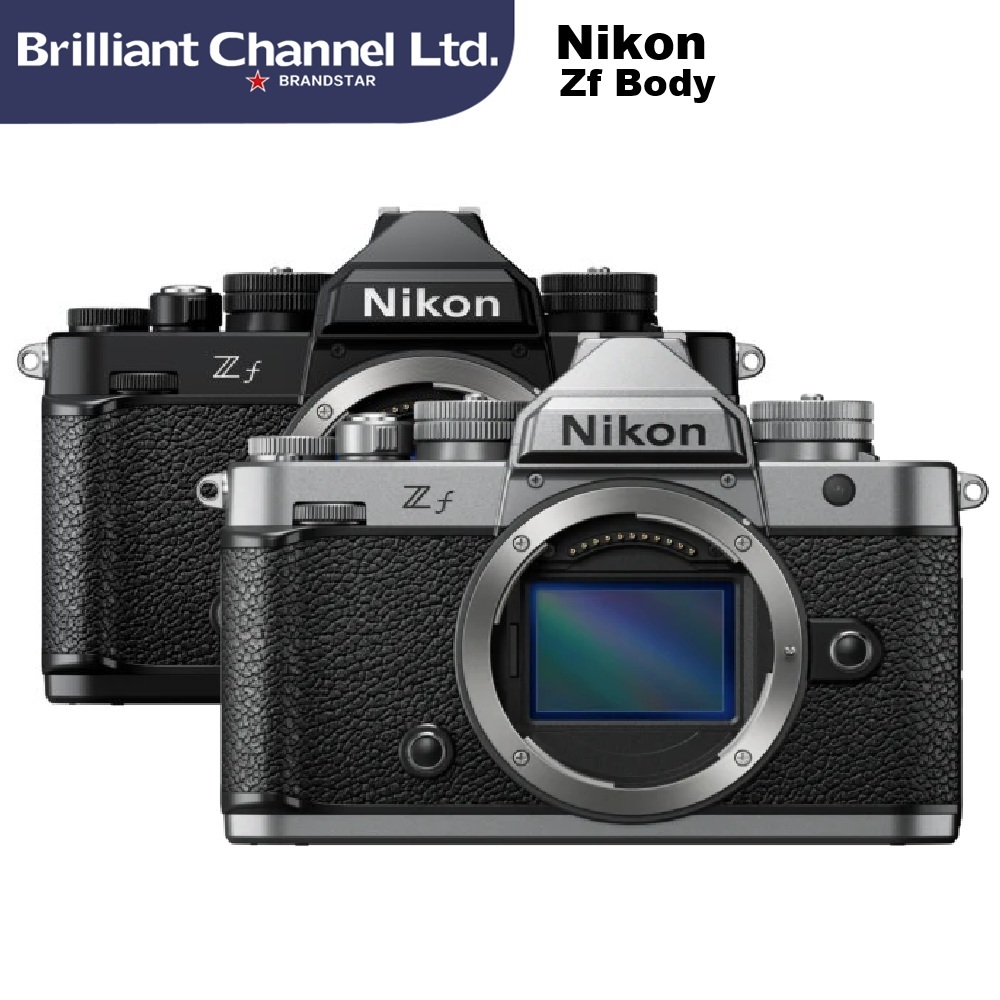
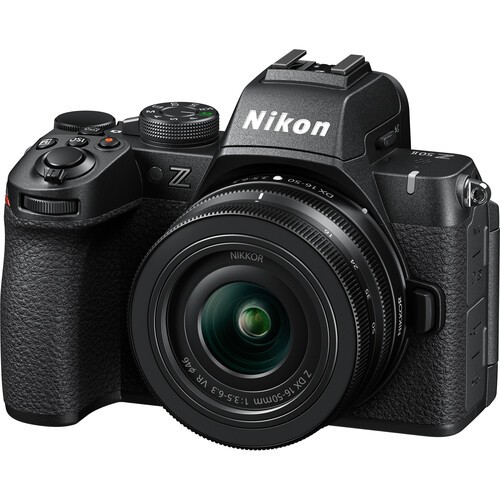
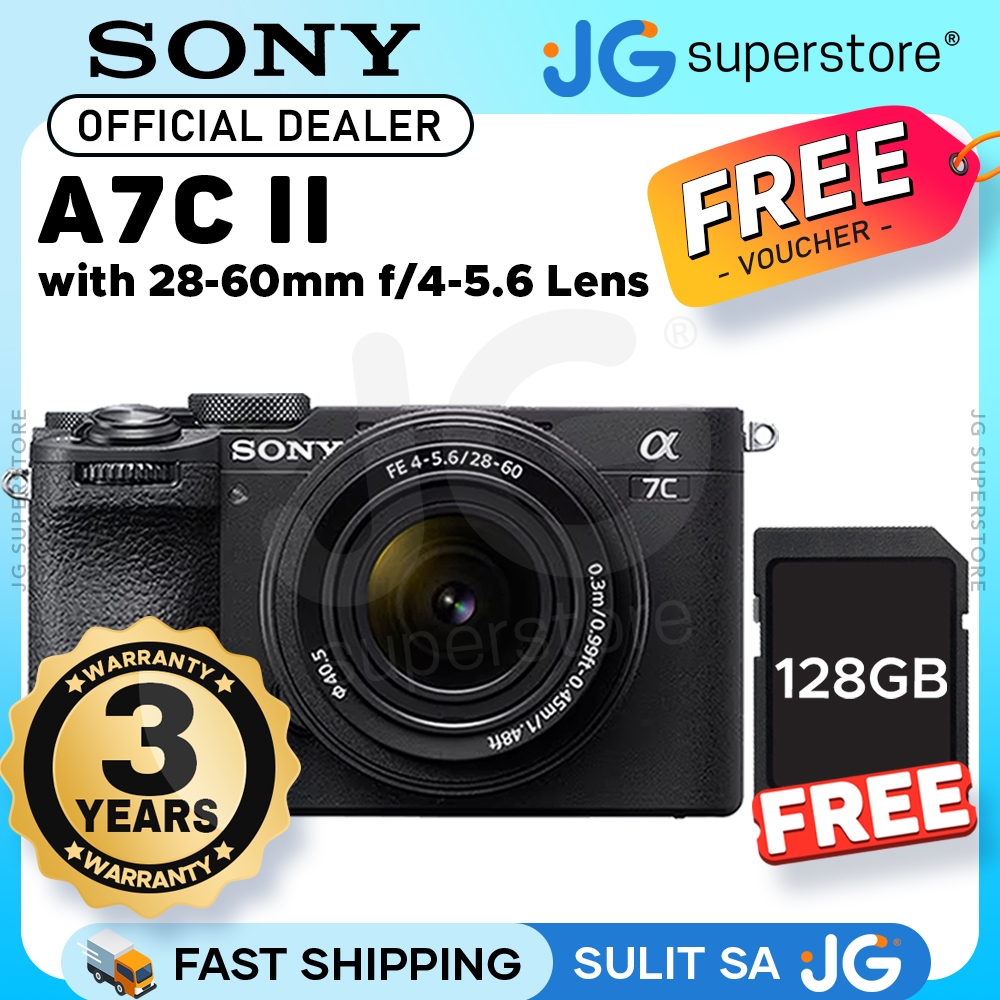
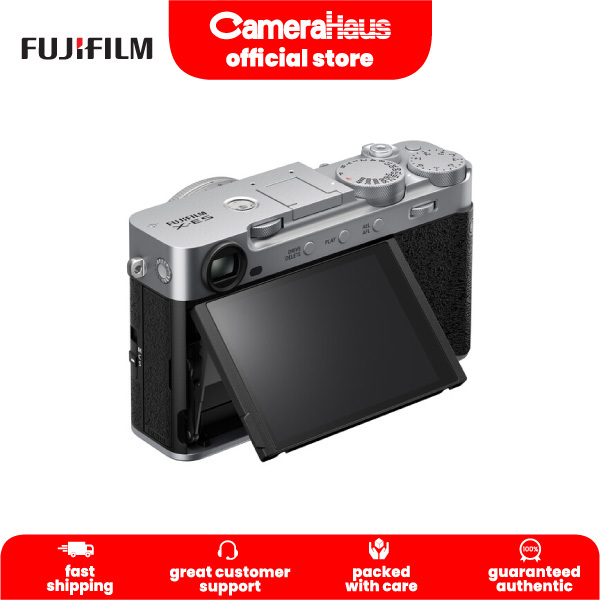
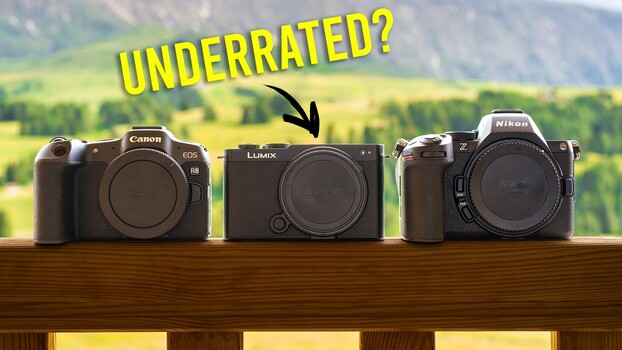
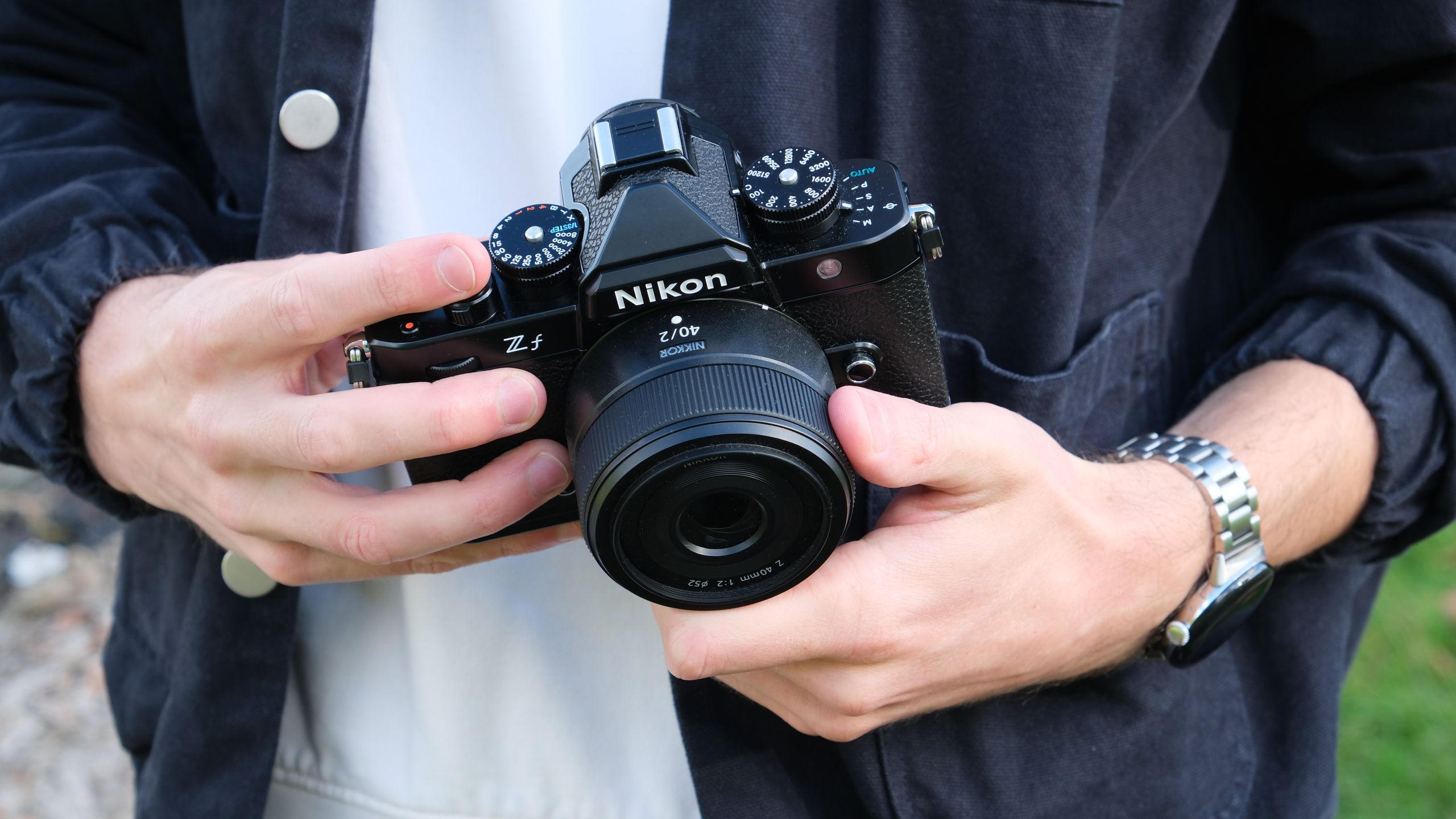
Nothing captures today’s retro camera market trends better than the Nikon Zf. This nearly three-year-old full-frame retro mirrorless has climbed back to first place on a leading retailer’s used ranking after more than a year away from the top. It is followed by the Nikon Z50 II in second, with the Sony A7C II and Fujifilm X-E5 only managing a joint third. That means a single brand’s old-school designs are locking out the top two spots while newer, trendier bodies scramble behind. According to one retailer, the Zf’s resurgence is partly down to inventory: “If it can maintain its current high inventory level, it will certainly become a formidable rival to Sony cameras, but we'll see…”. The more interesting point is why people snap it up when it appears: the Zf is the only retro-themed mirrorless offering a full-frame sensor, targeting photographers who want both a nostalgic shell and modern image quality.
Compact point-and-shoots: Canon PowerShot outlasts the mirrorless buzz
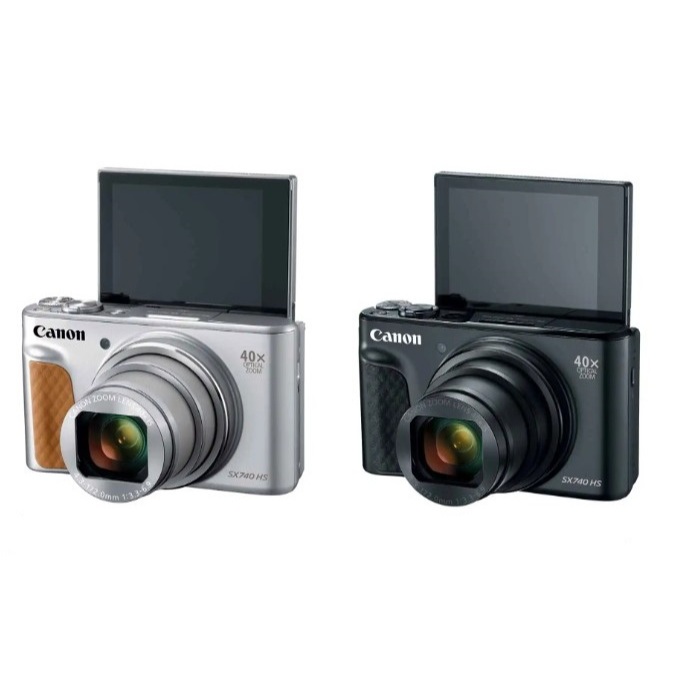
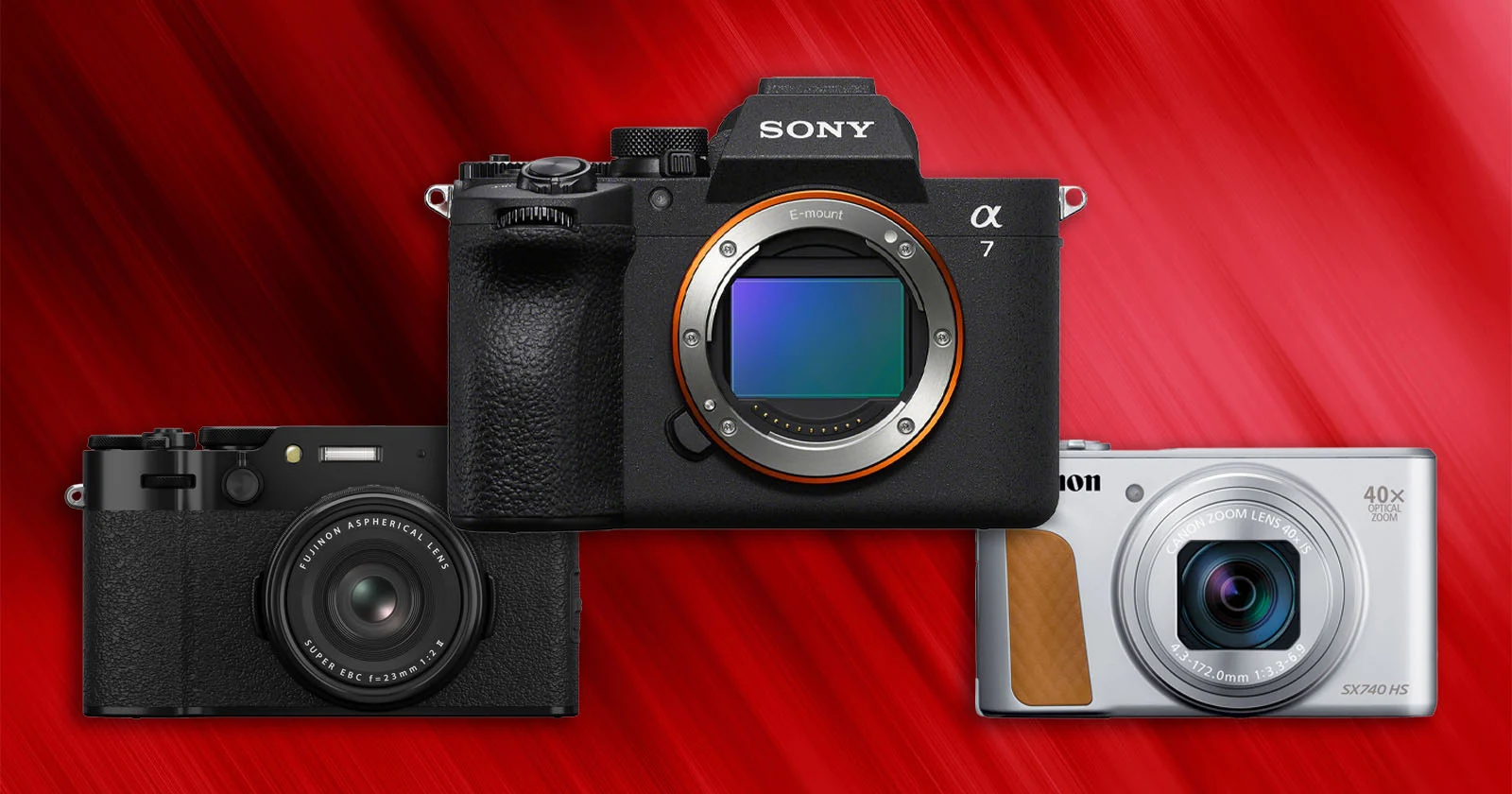
While used mirrorless cameras dominate the conversation, the used charts keep slipping in a reminder that small sensors are far from dead. Two older Canon PowerShot models—the SX740 HS from 2018 with its 40x optical zoom and the G7X Mark III from 2019—continue to appear in a major retailer’s top-10 new digital camera sales rankings alongside modern interchangeable-lens bodies. Both are classic point-and-shoot designs, yet they are sold out in all colors at a leading online store, which lists the SX740 HS as returning in three to five weeks. To see compact cameras of this age still consistently ranked shows how strong demand remains for simple, pocketable tools. Even as mirrorless systems grab most headlines, many photographers are quietly voting for portability and reach over sensor size, pushing Canon’s old PowerShot line into a second life instead of waiting for uncertain future compact releases.
Shifting rankings and what comes next for used camera buyers
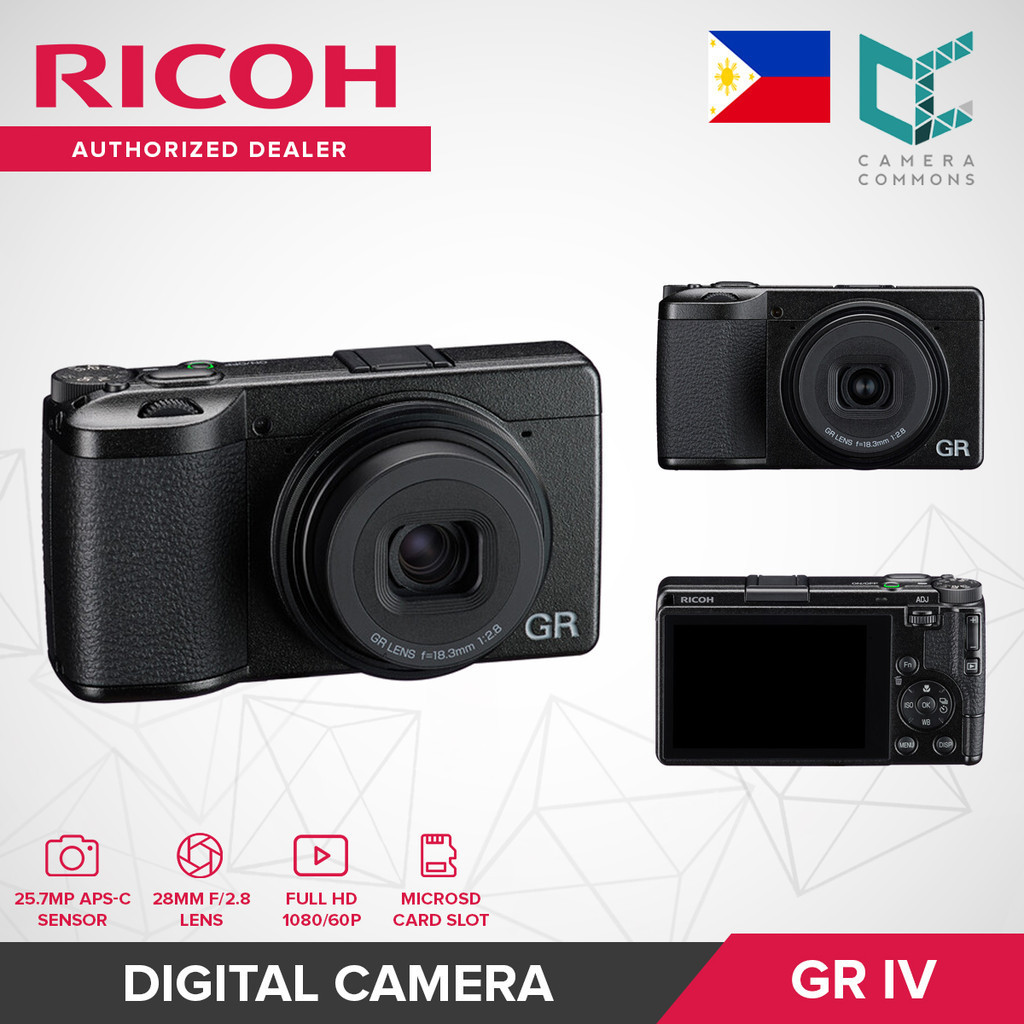
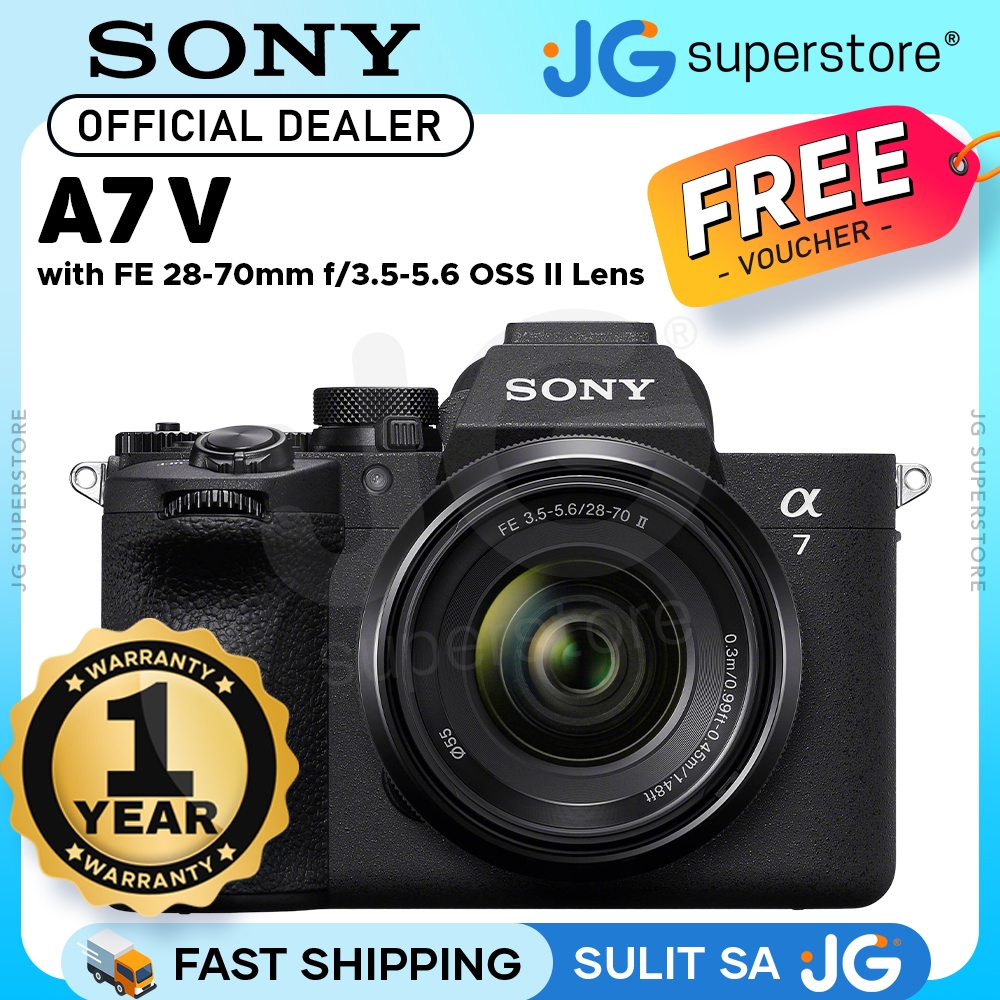
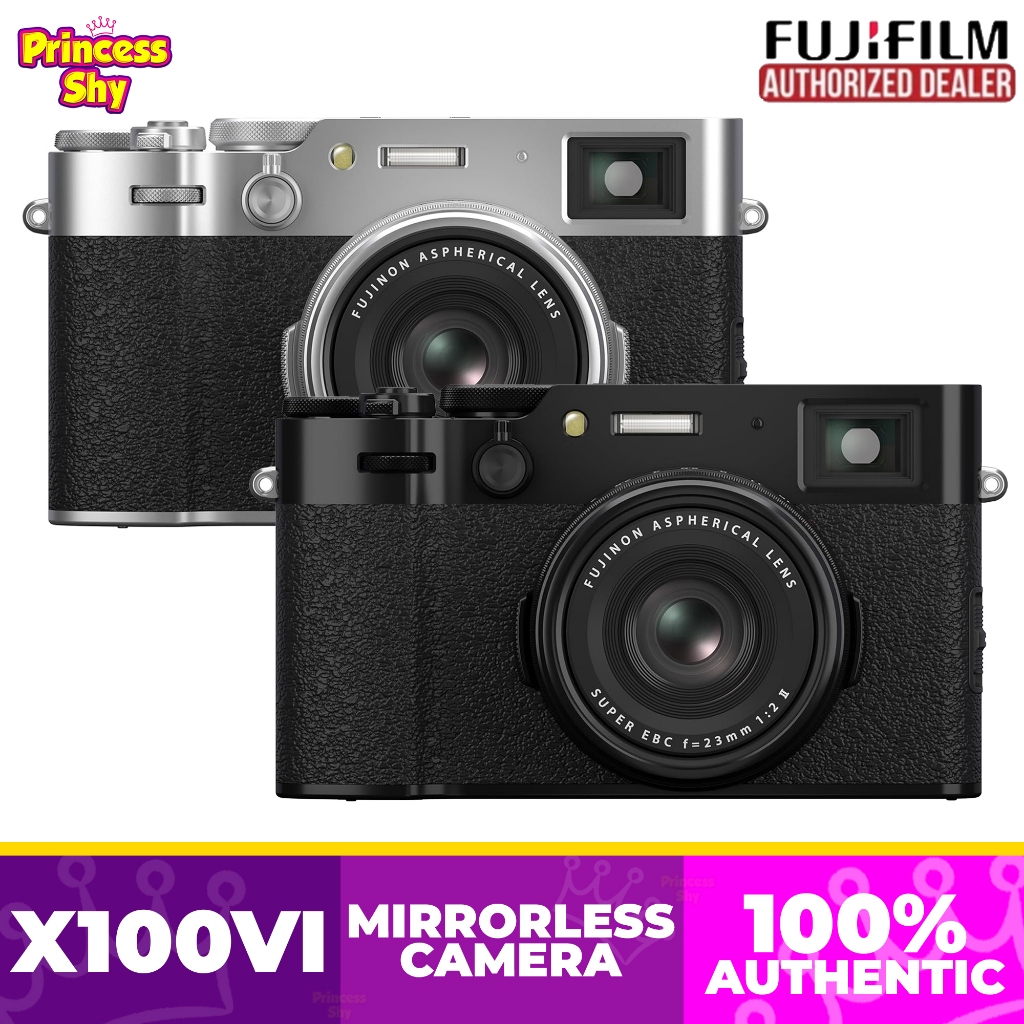
The rankings themselves are fluid, but the pattern is stable: used gear matters more each month. On one trading app, five of the top ten bodies in June were new entries compared with the previous month, including the Ricoh GR IV leaping from 35th to 6th after a price hike was announced for July, a move that also affected markets outside its home region. Limited stock can hold cameras back too, with the same GR IV said to have finished higher on another list if not for supply problems. Meanwhile, a leading full-frame body, the Sony A7 V, has been its retailer’s best-selling new digital camera every month since its December launch, apart from a single month when it ceded the top spot to the still-scarce Fujifilm X100VI. Put together, these shifts hint at a future where buyers treat used inventory levels, upcoming price changes, and previous generation cameras’ feature sets as tactically as any spec sheet.