
Slow images in a fast-image world
The analog photography process is a way of making images that favors tactile materials, slow handcraft, and deliberate artistic choices over automated, instant digital corrections, so that each photograph carries the marks of time, touch, and personal judgment rather than the uniform polish of software presets.
If photography feels flooded with interchangeable, hyper-sharp files, it is because speed has become the medium. From smartphone bursts to AI-generated visuals, the goal is to get to something “good enough” as fast as possible. That value system is quietly flattening how pictures feel. A growing group of photographers is pushing back, not by chasing higher resolutions, but by slowing their work down until every decision hurts a little. They are embracing analog photography process choices, hand printing photography methods, and painterly light not to imitate the past, but to regain friction. Friction forces intention. And intention, more than specs or megapixels, is what gives an image weight in the mind of a viewer.
Sayuri Ichida and the discipline of hand-made prints
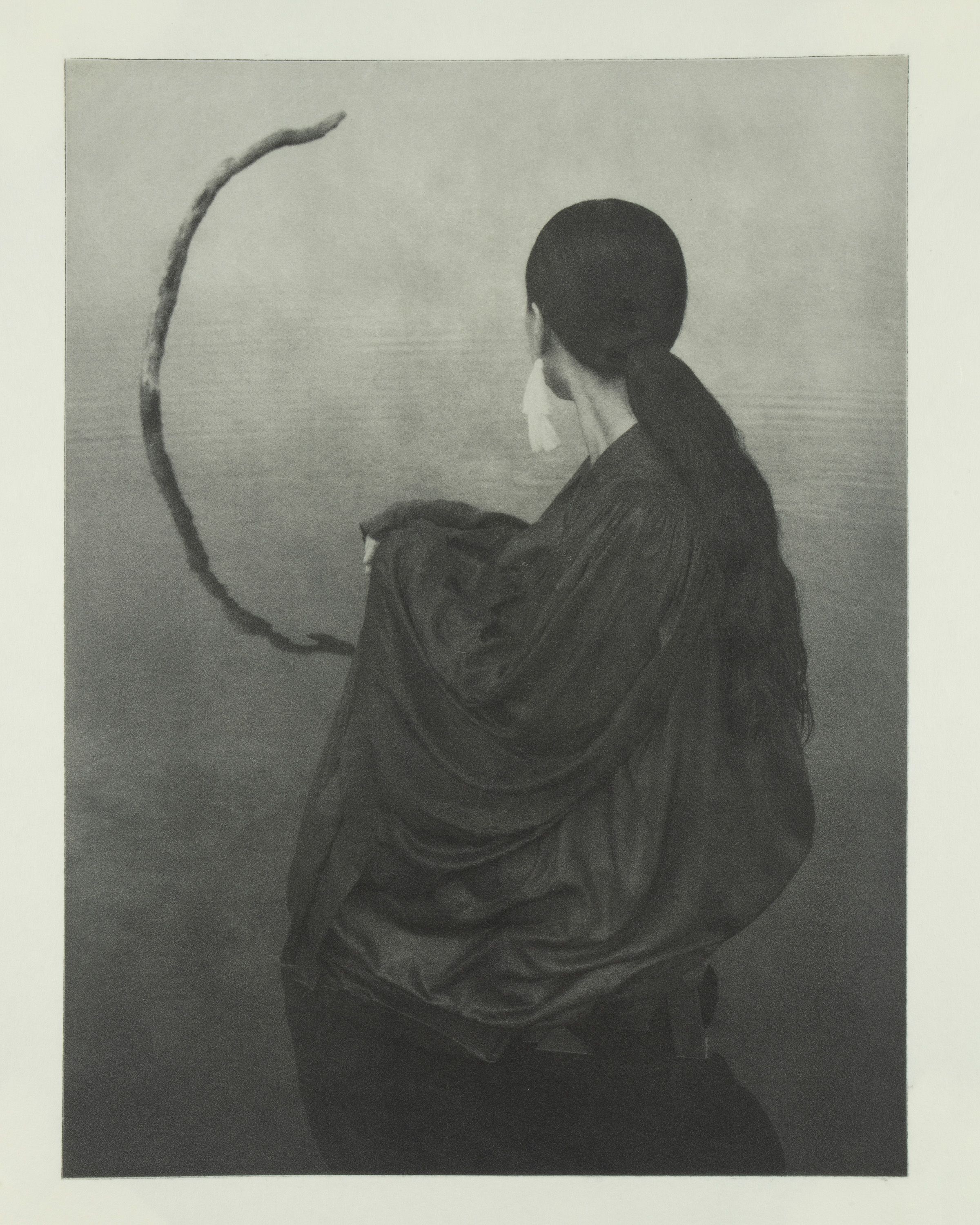
In London, the exhibition Playing the Piano Upstairs gathers years of photographs that Sayuri Ichida made of her sister after their mother died, placing her small figure against snow-heavy landscapes and mirrored water, often alongside sticks, reeds, and antlers that echo the human body. This quiet series could easily have been processed on a laptop in a weekend. Instead, Ichida hand-printed every image using photopolymer photogravure onto Japanese washi paper, layering in archival pigments through a 150-year-old etching-like method where a photosensitive gelatin plate must be exposed, etched, and inked by hand, with each print slightly different. This is deliberately awkward work; photogravure fell out of common use because it is slow and physically demanding. Yet here, the analog photography process is the point. According to one exhibition text, “Ichida’s choice of technique isn’t incidental decoration… it’s doing as much narrative work as the compositions themselves”.
The timing of that choice matters. Ichida has resurrected this antiquated technique in the 2020s, at the exact moment photography is facing the consequences of instant smartphone shooting and AI’s ability to make photorealistic images with no lens involved. Every slow decision she makes at the press stands against that culture of frictionless output. Her snowscapes have been described as “visual metaphors for memory itself; mutable, obscured, yet softly glowing just below the surface,” and the process mirrors that quality. Hand printing photography turns grief into something physically worked-through, not just clicked-through. Even the market here supports slowness: prices for prints start at £675 plus VAT, with profits supporting the gallery’s public program and options to pay in instalments through an art finance scheme. The show runs until mid-September, alongside a broader survey of Japanese women photographers. Slowness, it seems, is not a nostalgic hobby; it is a viable contemporary stance.
Micaela Belgiorno and painterly light as resistance
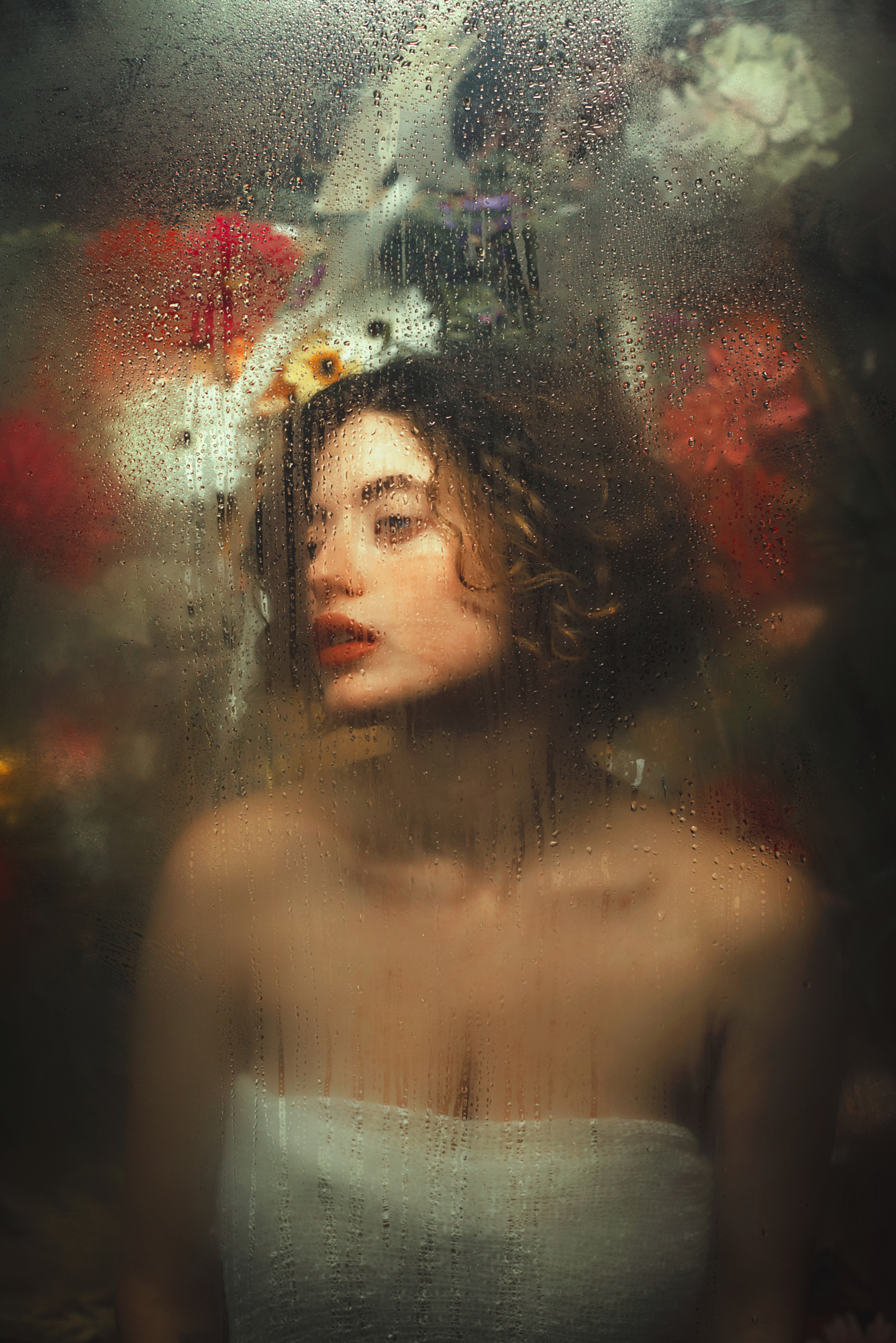
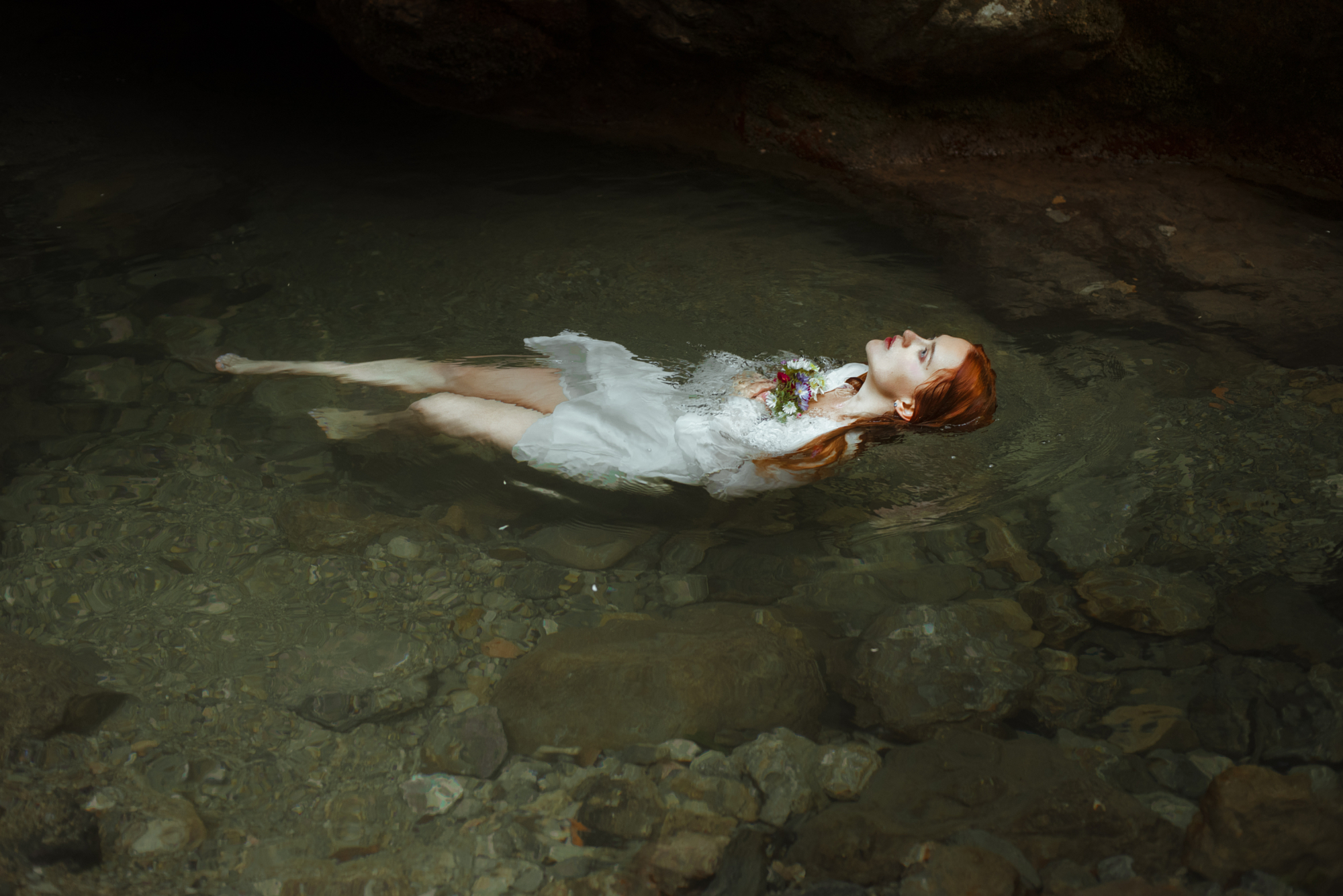
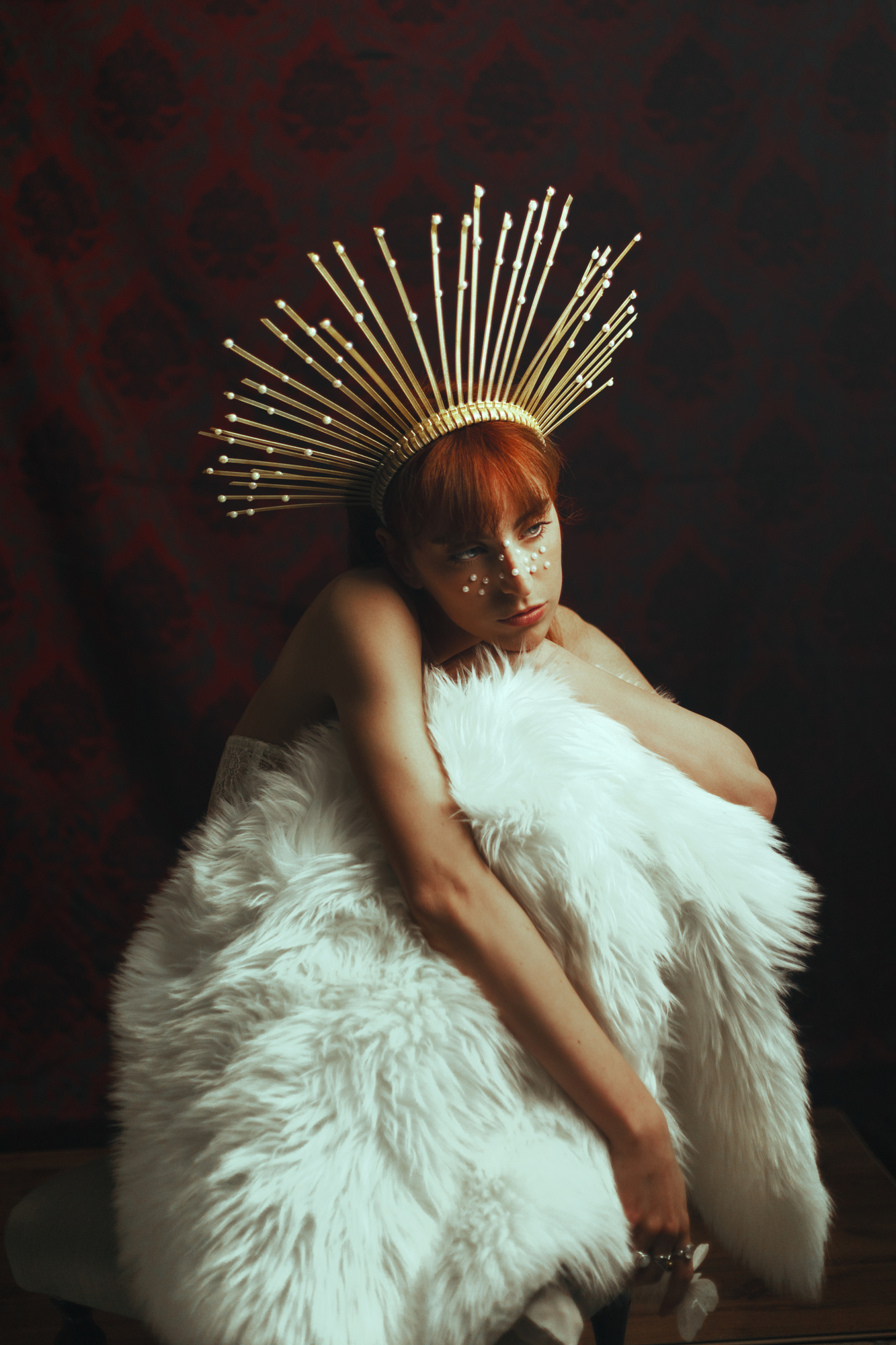
Where Ichida slows the analog photography process on paper, Micaela Belgiorno slows it with light. Her portrait and editorial portfolio reads like a series of quiet, cinematic scenes, built from rich fabrics, dense shadows, and golden highlights that cling to skin and hair. She treats her camera as a painter’s brush, shaping light and shadow to create atmospheric portraits that linger rather than scroll past. Instead of chasing clinical sharpness or over-detailed HDR, she leans into classical chiaroscuro, taking cues from paintings where bold light slices through deep darkness.
This is not retro styling for its own sake. By choosing what to reveal and what to obscure, she uses shadow to build narrative and emotion, leaving details hidden so viewers must slow down and engage. Her artistic photography techniques bridge commercial fashion and fine art; the styling, framing, and pose serve the overall image rather than shouting for attention. She argues that a photograph should stand on its own as a work of art even outside its editorial context, a standard that quietly rejects the idea of images as disposable content. In practice, that means extensive pre-visualization: she sees the finished picture, editing included, before she presses the shutter and builds her studio lighting around that final vision. That is the opposite of “fix it in post” convenience: vision first, technique in service of it.
Why photographers are pushing away from convenience
Ichida and Belgiorno work in different genres, but they share a refusal to let convenience decide what their photographs become. One chooses a 19th‑century photogravure method that demands exposure, etching, and inking by hand, accepting tiny variations between prints instead of uniform output. The other chooses chiaroscuro and painterly setups that require meticulous lighting decisions before the shutter moves, using shadow to withhold information and slow the viewer down. Both choices fight the current assumption that the fastest workflow is always the best.
There is a lesson here for anyone rethinking their documentary photography approach, portrait practice, or editorial work. When the industry optimizes for instant smartphone shots and AI composites, the risk is that photographers surrender their voice to default settings. Intentional friction—whether through hand printing photography, analog materials, or lighting that demands planning—forces you to decide what the image is about before you make it. That kind of conviction cannot be added later with filters. As Belgiorno focuses on expanding her ongoing personal portrait series and new painterly studio concepts, sharing them through online portfolios and social platforms, and as Ichida’s exhibition continues through September, they model a simple, unpopular argument: if you want powerful images, stop asking how to work faster and start asking where you can afford to slow down.