

RX10 V vs RX10 IV: what this bridge camera comparison is really about
This bridge camera comparison between Sony’s RX10 V and the older RX10 IV examines how AI autofocus, modern 4K 120p video, and refined handling change the value of a fixed-lens super zoom for hybrid photographers and videographers who want one camera that can cover wide-angle scenes and distant wildlife without swapping lenses. In simple terms, the RX10 IV is now the budget-conscious all‑in‑one, while the RX10 V is the performance pick for people who shoot fast action or demanding video. Both share the same 20.1MP 1‑inch stacked sensor and 24‑600mm F2.4–4.0 ZEISS lens with optical image stabilization, so image quality and reach are very similar. The real difference is how reliably they lock focus and how flexible they are for video work. If you care most about price, the RX10 IV still makes sense; if you care about hit‑rate and slow‑motion, the RX10 V earns its premium.
| Spec | RX10 V | RX10 IV |
|---|---|---|
| Sensor | 20.1MP 1.0-type stacked Exmor RS CMOS | 20.1MP 1.0-type stacked Exmor RS CMOS (same class chip) |
| Lens | ZEISS 24-600mm F2.4-4.0 with optical image stabilization | ZEISS 24-600mm F2.4-4.0 with optical image stabilization (unchanged) |
| Processor | BIONZ XR with dedicated AI unit | Previous-generation processor without dedicated AI unit |
| Autofocus | AI-powered Real-time Recognition AF for people, animals, birds, insects, vehicles, aircraft | Conventional subject AF without AI-driven Real-time Recognition |
| Continuous stills | Up to 30 fps, blackout-free, full AF/AE tracking | Lower burst rate with viewfinder blackout (no 30 fps mode) |
| Video max resolution/frame rate | Up to 4K 120p with 4K/60p no crop and 4K/30p live streaming | Up to 4K 30p; no 4K 120p slow-motion or 4K/60p |
| Video tools | S-Cinetone, S-Log3, LUTs, Auto Framing, Active Mode stabilization | Older picture profiles; lacks newer cinema-oriented options |
| EVF | 3.68M-dot, 0.78x magnification electronic viewfinder | Lower-resolution EVF and less refined viewing experience |
| Rear screen | 3.0" 1.62M-dot tilt touch LCD | 3.0" tilt LCD without higher-res touch interface |
| Battery/ergonomics | More powerful battery; Alpha-style controls with thumb joystick | Older battery and control layout, less Alpha-like feel |
| Launch price (USD) | USD 2,299.99 (approx. ₱129,000) suggested | Lower original price; now typically cheaper on the used market |
Autofocus and AI: why the RX10 V is a safer bet for moving subjects
If you shoot anything that moves fast or unpredictably, the RX10 V’s AI autofocus is the single biggest reason to choose it over the RX10 IV. Real-time Recognition AF, driven by an AI processing unit, identifies and tracks people, animals, birds, insects, cars, trains, and airplanes, with an Auto mode that picks the subject type for you. According to Sony, “the RX10 V gains Real-time Recognition AF, driven by the AI processing unit, which can identify and track people, animals, birds, insects, cars, trains, and airplanes.” In practice, this matters when your subject turns away, wears helmets or sunglasses, or darts through a cluttered background; the newer camera can use pose estimation to stay locked. The RX10 IV can still focus well by bridge camera standards, but it lacks this AI layer, so its hit‑rate on erratic wildlife or sports will generally be lower. Both cameras can occasionally fail to recognize subjects, and Sony warns that manual selection may be needed in tricky scenes.
4K 120p video and hybrid shooting: how much more does the RX10 V offer?
For hybrid creators, the gap between the RX10 V and RX10 IV is even wider. The RX10 V records up to 4K 120p, including 4K slow motion at up to 5x, backed by 4:2:2 10-bit capture and S-Cinetone and S-Log3 gamma options for grading. It also offers 4K/60p with no crop, 4K/30p live streaming, Active Mode stabilization, Auto Framing, and the ability to load LUTs directly in-camera. This makes it a compelling AI autofocus camera for action content, school sports, and travel vlogs where slow-motion and flexible color matter. The RX10 IV, by contrast, tops out around 4K 30p and lacks the modern video standards, so its appeal is more casual: good quality clips, but without high-speed 4K 120p video or advanced cinematic tools. Both benefit from the same 24–600mm F2.4–4.0 ZEISS lens and 1‑inch sensor, so depth of field and basic image quality stay similar; the RX10 V’s BIONZ XR processor mainly improves noise handling and color at higher ISOs.
Handling, lens, and the all-in-one travel argument
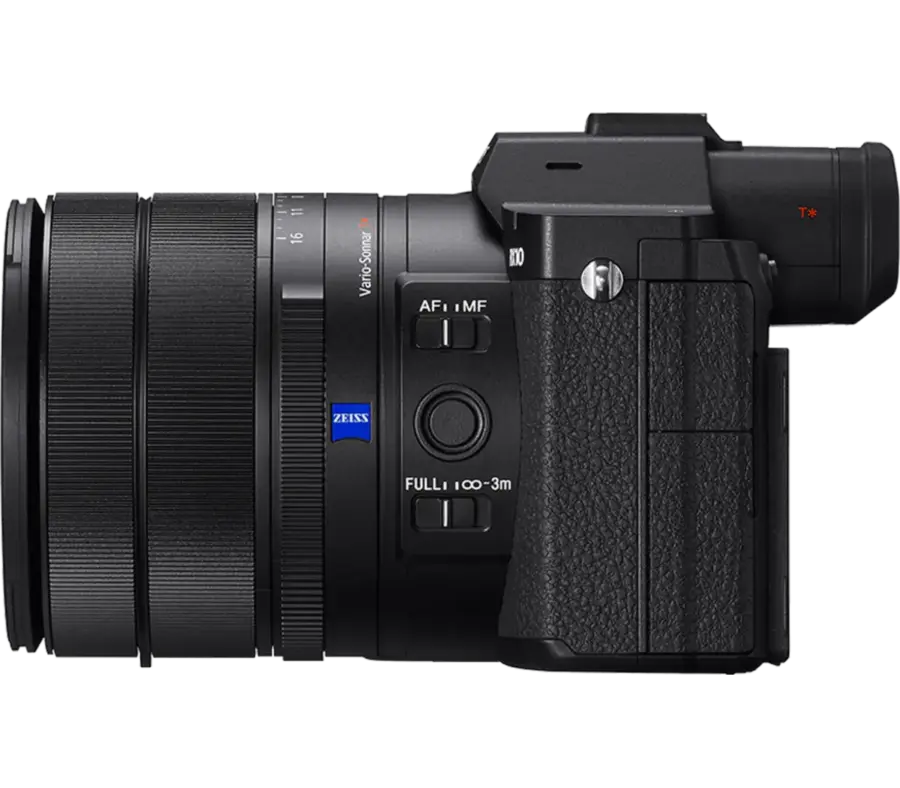
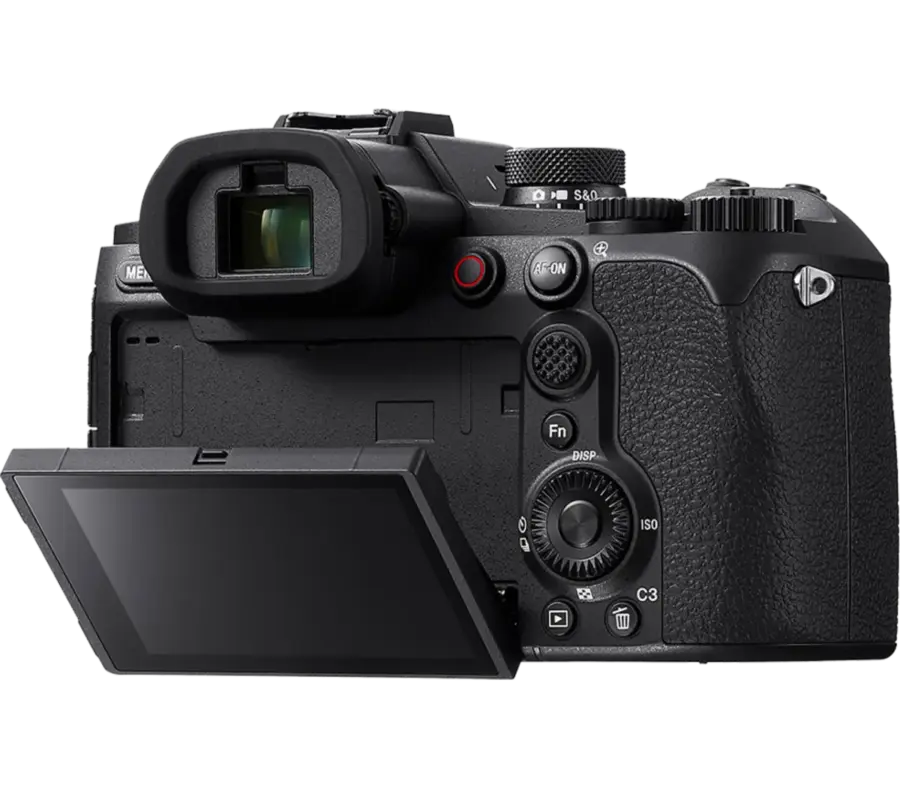
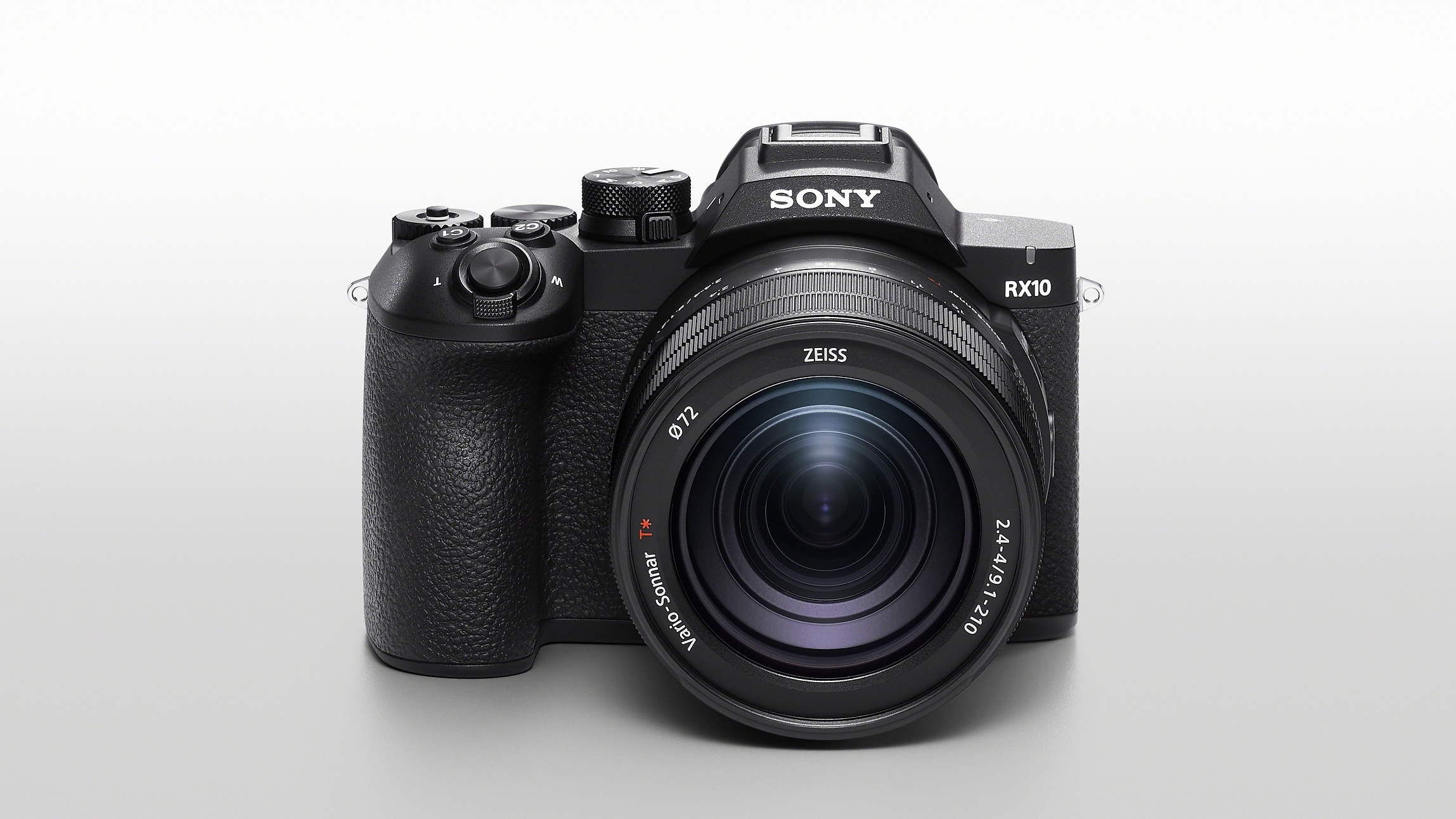
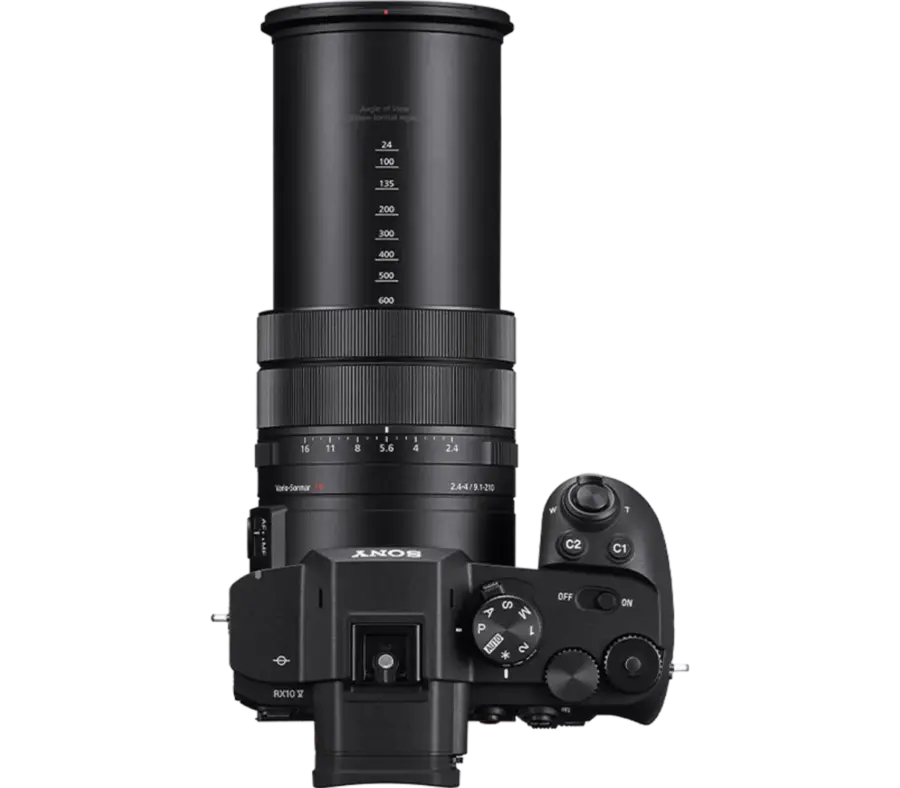
Both cameras build their appeal around the same 24–600mm equivalent ZEISS Vario-Sonnar T* F2.4–4.0 lens with optical image stabilization, giving a 25x super zoom range that spans landscapes, portraits, macro close-ups and distant wildlife in one compact package. This all‑in‑one bridge camera design sits between pocket compacts and interchangeable‑lens systems, letting you avoid the bulk and cost of long telephoto lenses. The RX10 V refines that formula with ergonomics and controls borrowed from Sony’s Alpha series, including a more substantial grip, updated button layout and a thumb joystick, plus a more powerful battery, a higher‑resolution EVF, and a sharper, touch‑enabled rear LCD. For casual travel photography, it is described as an “excellent pick” that can handle everything from landscapes to macro and distant wildlife. The RX10 IV offers a similar shooting experience but feels dated in the viewfinder and screen, and its battery endurance is weaker. Both bodies have dust and moisture resistant construction, but neither is guaranteed fully weather‑sealed.
Buy if / Skip if
- Buy the RX10 V if you are a hybrid photographer–videographer who needs AI-powered Real-time Recognition AF and 4K 120p video for sports, wildlife, or action content.
- Skip the RX10 V if your budget is tight and you mostly shoot static subjects, where the RX10 IV’s older autofocus and video still suffice at a lower cost.
- Buy the RX10 V if you want a single-body super zoom camera with modern autofocus, blackout-free 30 fps stills, and advanced cinema tools like S-Cinetone and S-Log3.
- Skip the RX10 IV if you rely on reliable subject tracking through cluttered scenes, since its non-AI autofocus is more likely to lose erratic wildlife or fast sports subjects.
- Buy the RX10 IV if you like the RX10 concept but prioritize saving money over having the latest processor, AI autofocus, live streaming, and 4K 120p slow-motion.
- Skip the RX10 V if you mostly shoot in simple, controlled environments and do not need 4K/60p, live streaming, or the extra dynamic range and color control that its newer processor and video modes provide.