
8K polling rate mice: the new benchmark for input responsiveness
An 8K polling rate mouse is a gaming mouse that reports its position to the PC up to 8,000 times per second, aiming to cut input delay to near-imperceptible levels for competitive players who care about every millisecond of responsiveness during high-speed, high-precision gameplay in titles that reward fast aim and micro-adjustments.
The arrival of the Yunzii M2 Dual 8K makes one thing clear: the next fight in competitive gaming peripherals is about shaving latency far beyond what most players think they can feel. By bringing a dual 8KHz polling rate to both wired and 2.4GHz wireless modes, this mouse sets a new floor for gaming mouse latency instead of a new ceiling. It is not about chasing a vanity spec; it is about eliminating every source of doubt between your hand and what happens on screen. In a scene where frame times and input lag are already tuned to extremes, that matters less for comfort and more for confidence.
Inside the Yunzii M2 Dual: 8KHz polling meets PAW3395 precision
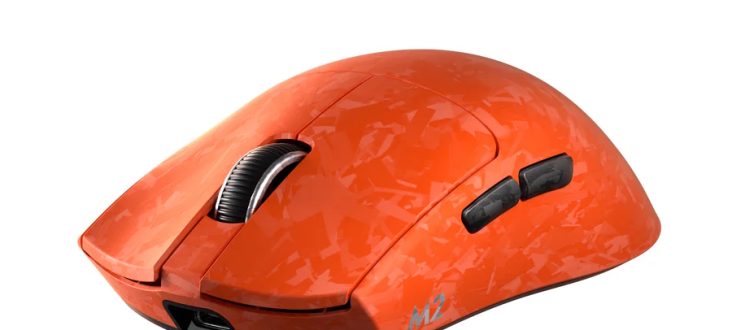
On paper, the Yunzii M2 Dual 8K reads like a wish list for competitive mouse enthusiasts. It combines dual 8KHz polling over both wired and 2.4GHz wireless links with PixArt’s PAW3395 sensor, which supports up to 30000 DPI sensitivity, 650 IPS tracking, and 50G acceleration. That specification is not marketing fluff; it is the technical groundwork for consistent, high-speed tracking when you flick, correct, and micro-adjust several times per second in aim-driven games.
The hardware design backs that up: a 63 g (±3 g) chassis, a carbon-fiber-textured grip for medium- to large-sized hands, and a 500 mAh battery sit alongside five programmable buttons. Lift-off distance can be tuned between 1.0 mm and 2.0 mm, which directly affects how quickly your sensor stops tracking during aggressive repositioning. In plain terms, the M2 is built not only to track precisely but also to stay out of your way when motion gets chaotic—exactly what you want when you care about every frame of a duel.
Real-world gains: who actually benefits from 8K polling?
The uncomfortable truth is that most players will not consciously perceive the jump to an 8K polling rate mouse. But for high-skill competitors, that is the wrong question to ask. Dual 8KHz polling across wired and 2.4GHz wireless does not just aim to feel faster; it reduces the variance of input timing. Flicks land more consistently relative to frame updates, which matters when your entire routine revolves around repeatable muscle memory.
The M2 Dual’s tri-mode connectivity makes this low-latency focus practical instead of fragile. You can switch between 2.4GHz, Bluetooth 5.2, and wired modes when moving between machines, without giving up the mouse’s core performance profile. In tournament play, that flexibility translates into one less point of failure: you use the same shape, same PAW3395 sensor, and same button layout wherever you compete. And because brands like Yunzii are bringing high-end features into lower price brackets, 8K polling stops being an exotic luxury and starts becoming a realistic standard for serious amateurs, not only paid professionals.
Logitech’s Superstrike and what comes next for competitive peripherals
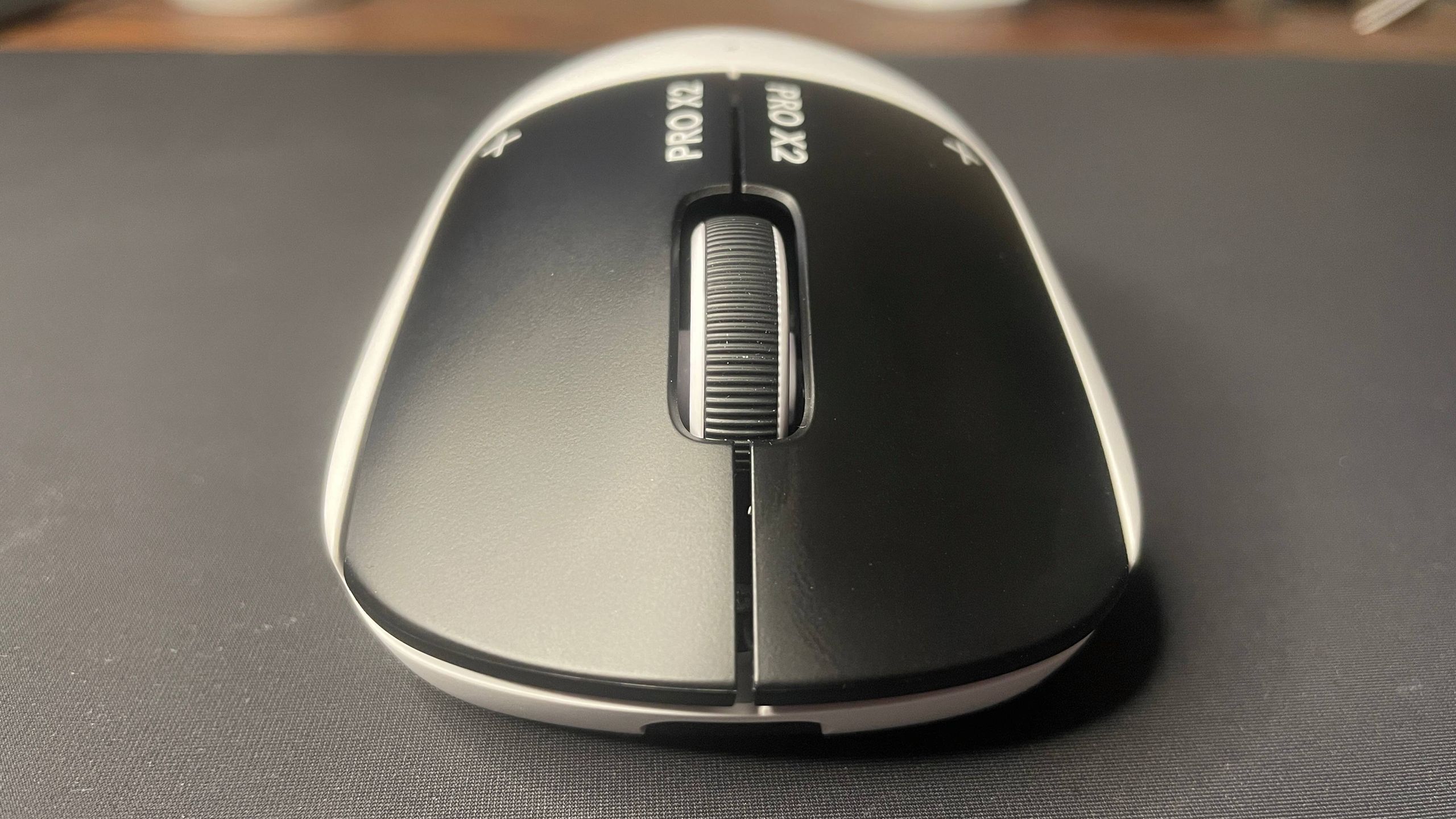
If the M2 Dual shows where latency specs are going, Logitech’s Superstrike line shows how quickly big brands move when new input tech proves itself. Earlier this year, Logitech became the first to ship proper analogue clicks in a mouse by combining haptics and induction in the G Pro X2 Superstrike, a rare example of true click innovation in a space that often stagnates. Now, a leaked GPX Superstrike 2 points to another iteration, with an announcement expected at Logitech G Play in September.
Details are thin, but the leak points to “no Hero 3” sensor and changes focused on the main controller and HITS tweaks rather than a full redesign. That may frustrate early Superstrike buyers who knew they were opting into bleeding-edge hardware that could be replaced quickly. Yet the pattern is clear: when smaller players push specs like 8K polling into the mainstream, established brands respond with their own takes on latency and input feel. The M2 Dual’s existence increases pressure on larger manufacturers to adopt higher polling standards or offer equivalent gains elsewhere—through sensors, firmware, or click technology.
Conclusion: 8K polling is less about speed and more about certainty
The Yunzii M2 Dual 8K is not a gimmick; it is a clear signal that the next frontier in competitive gaming peripherals is about consistency of input, not flashy RGB or novelty shapes. By combining dual 8KHz polling in wired and 2.4GHz wireless modes with the PAW3395 sensor’s 30000 DPI, 650 IPS tracking, and 50G acceleration, it delivers the kind of stable, precise tracking that serious players build routines around.
The upcoming Superstrike refresh shows that the largest mouse makers are also iterating fast, even when their previous generation was already considered bleeding edge. For competitive gamers, the takeaway is simple: if you care about every split millisecond of input, the era of standard polling rates is over. Your next mouse choice should be less about brand and more about how confidently it translates intention into action—frame after frame, click after click.