
Top pick: Sony A7 IV is the best-value all-rounder
This buying guide compares two discounted mirrorless cameras, the Sony A7 IV and Olympus E-M10 Mark IV, to highlight which delivers better value for budget-conscious photographers moving beyond smartphones or older DSLRs into more capable interchangeable-lens systems.
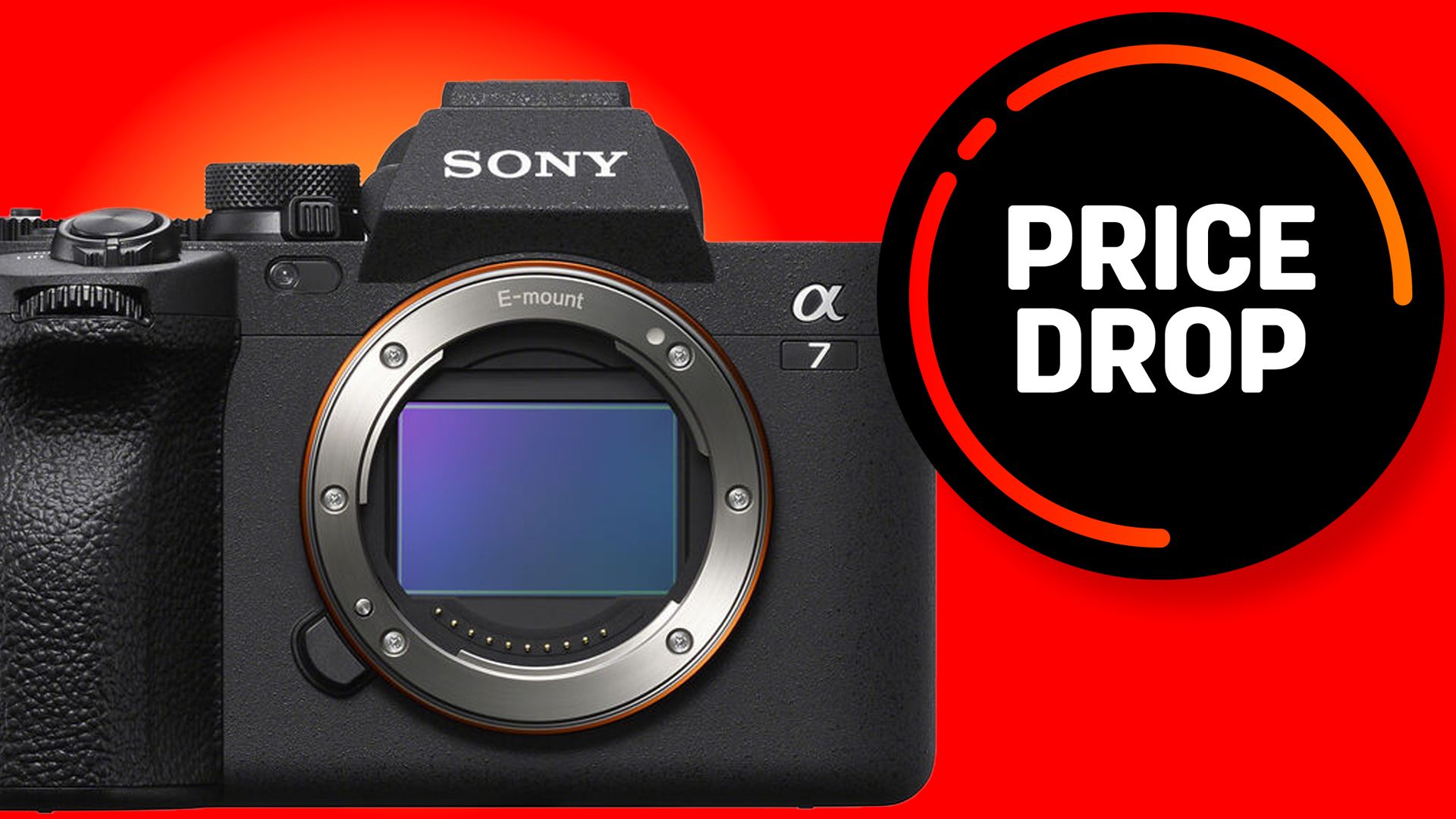
The Sony A7 IV is the clear top pick for most people who can afford it because its new USD 1,998 (approx. ₱112,000) price after a USD 500 discount turns a powerful full-frame hybrid camera into a serious budget full-frame camera option. You get a 33MP full-frame back-illuminated sensor, generous dynamic range, and rich, flexible color with strong low-light performance. Autofocus is a major reason to pick it: Real-time Eye AF for humans, animals, and birds is fast and reliable enough for weddings, portraits, events, and even some sports and wildlife work. Add oversampled 4K video with 10-bit 4:2:2 internal recording and S-Log3/S-Cinetone profiles, and this is the most complete mirrorless camera deal for hybrid shooters who want one body that can do almost everything.
Olympus E-M10 Mark IV: compact beginner mirrorless camera
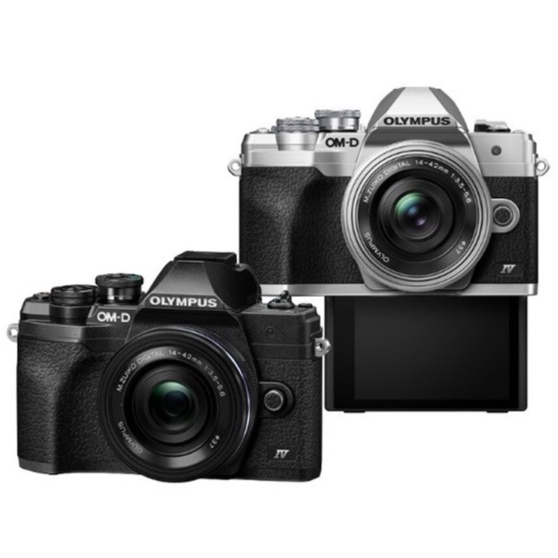
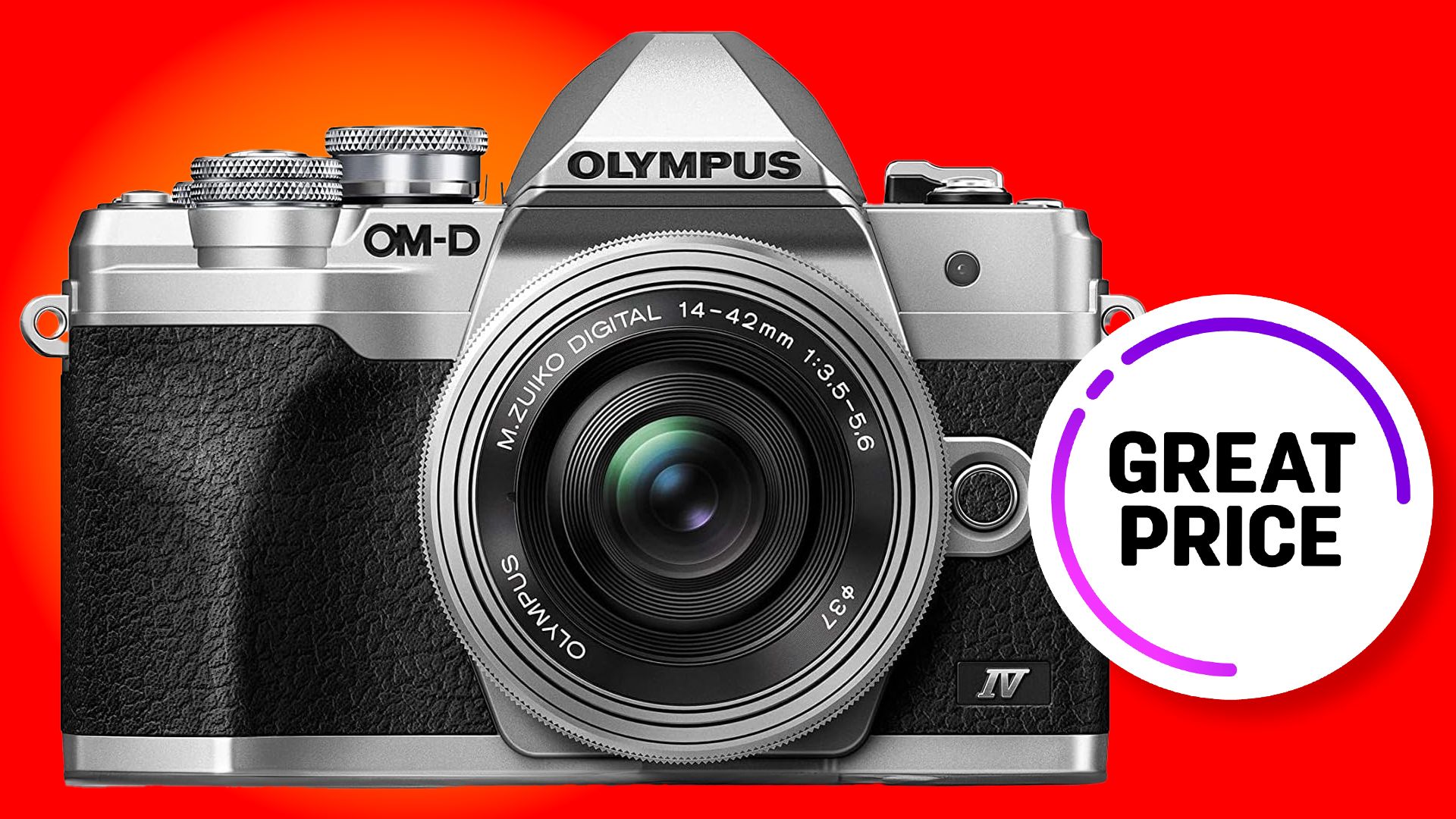
If you are starting out and want something small, light, and affordable, the Olympus OM-D E-M10 Mark IV is an ideal beginner mirrorless camera. Both black and silver versions are discounted to about £511.43 and £550.19 with the 14–42mm slimline zoom, putting a full kit into classic entry-level pricing. This bundle makes it one of the most attractive affordable camera deals for first-time buyers who want better quality than a phone without the bulk of older DSLRs.
Built around a 20MP Micro Four Thirds sensor with a 2x crop factor, the E-M10 Mark IV leans into portability: the body weighs 383g and the kit lens 91g, lighter together than some fixed-lens compacts. In-body image stabilization rated to 4.5 stops, 4K 30p video, and helpful Live Guide and Scene Modes give beginners a forgiving tool that encourages experimentation without fuss. According to one review, “The E-M10 Mark IV is an ideal first interchangeable-lens camera or an everyday beater for the commute or day trips”. For everyday, street, and travel photography, this retro-styled Micro Four Thirds camera is a delightfully simple way into interchangeable lenses.
Full-frame vs Micro Four Thirds: which fits your shooting style?
Choosing between these mirrorless camera deals mostly comes down to sensor size, lens ecosystem, and how much weight you are willing to carry. The Sony A7 IV uses a 33MP full-frame sensor, while the Olympus E-M10 Mark IV uses a 20MP Micro Four Thirds sensor with a 2x crop factor. Larger full-frame sensors deliver cleaner files at high ISO, smoother background blur, and more flexibility for commercial, landscape, and editorial work. Micro Four Thirds, on the other hand, shines for travel and everyday use because MFT bodies and lenses tend to be smaller than APS-C and full-frame counterparts.
In practical terms, the A7 IV is the better choice if you see yourself growing into a broad full-frame lens ecosystem and want maximum image quality and autofocus performance for weddings, portraits, events, or hybrid photo/video jobs. The E-M10 Mark IV is better if you value compact size and simplicity above all, and want an uncomplicated camera you can throw in a small bag and carry everywhere. Both deliver excellent image quality for their respective formats, so your decision should focus on how you shoot and how much gear you are happy to haul.
Value verdict: which deal should you grab?
Viewed purely as mirrorless camera deals, both models are compelling. The Sony A7 IV drops from USD 2,498 to USD 1,998 (approx. ₱140,000 to ₱112,000), saving USD 500 on one of the most versatile full-frame mirrorless bodies available. That discount turns what was once a high-end enthusiast tool into a far more accessible budget full-frame camera for serious hobbyists and working creators. Meanwhile, the Olympus E-M10 Mark IV kit at about £511.43 with lens lowers the barrier for beginners who want a capable, compact system from a reputable brand.
For most people who know they care about photography or video and want room to grow, the Sony A7 IV is the better long-term investment. Its hybrid strengths, advanced autofocus, and full-frame sensor mean it can handle everything from family moments to paid work without feeling limiting. If, however, you mainly want a stylish, lightweight camera for learning, commuting, and travel, and price and portability matter more than ultimate image quality, the E-M10 Mark IV is a smarter, friendlier starting point. Either way, these discounts remove many of the usual obstacles for anyone ready to upgrade from a smartphone or older DSLR into a modern mirrorless system.
- Buy the Sony A7 IV if you want a budget full-frame camera with 33MP resolution, strong low-light performance, and hybrid photo/video capability that can grow with you.
- Skip the Sony A7 IV if you prioritize minimal size and weight above all else and prefer a lighter Micro Four Thirds setup.
- Buy the Olympus E-M10 Mark IV if you are a beginner seeking a compact, stylish system with a lens included at about £511.43 entry-level pricing.
- Skip the Olympus E-M10 Mark IV if you plan to shoot a lot in very low light or want the shallowest possible depth of field for portraits, where full-frame excels.
- Buy the Sony A7 IV if you shoot weddings, portraits, events, or mixed photo/video projects and need fast, reliable Real-time Eye AF for people and animals.
- Buy the Olympus E-M10 Mark IV if you want a simple everyday, street, or travel camera with in-body stabilization and helpful beginner modes.