
The RTX 3060 Revival: A Definition of the New GPU Reality
The RTX 3060 GPU revival is the trend where manufacturers restart production and launch new models of this older graphics card to bypass a RAM supply crisis, offer 12GB configurations using cheaper GDDR6 memory, and fill the shrinking budget segment while newer GDDR7-based cards become too expensive to build at low-end price points.
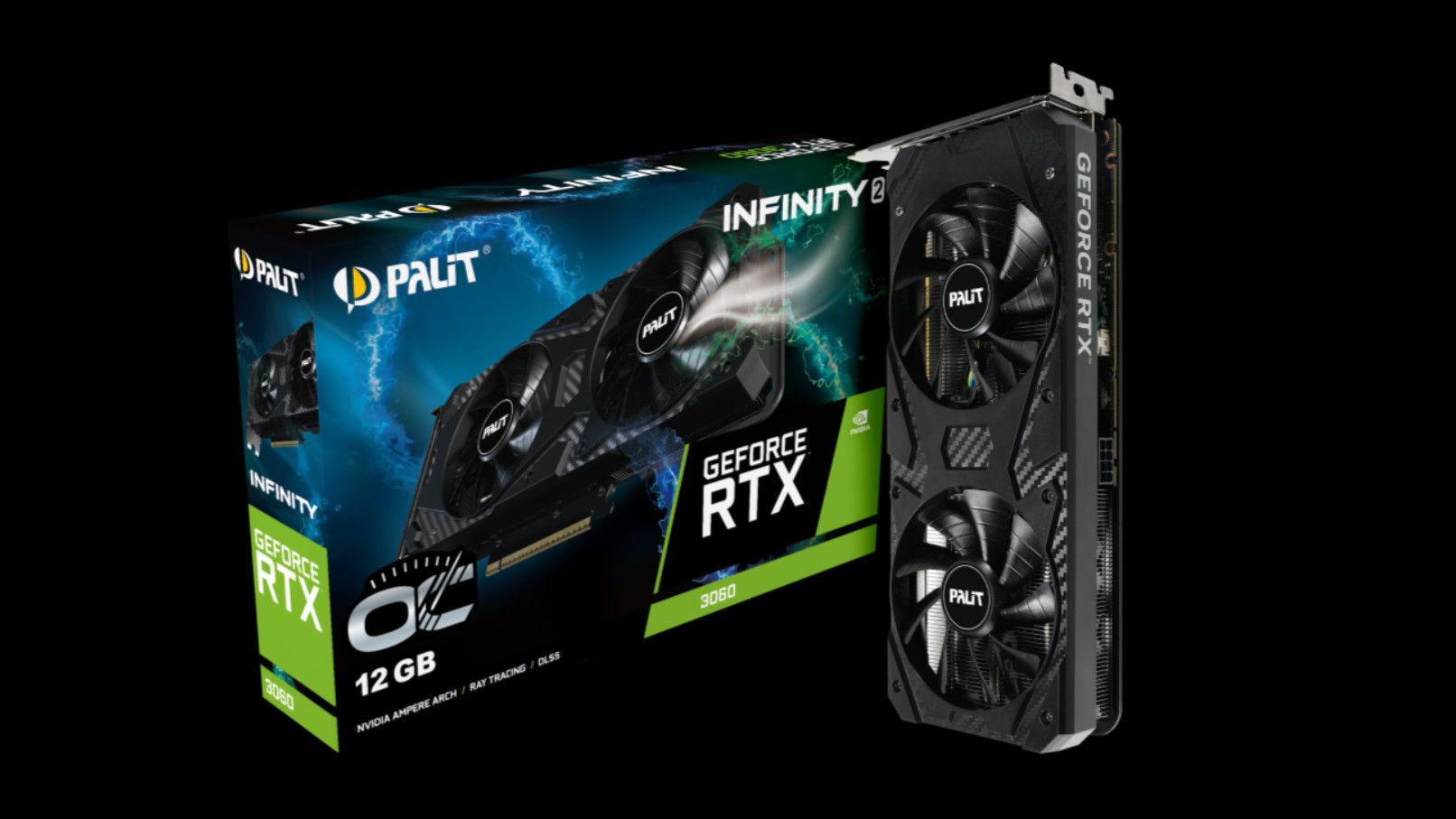
Palit’s new GeForce RTX 3060 Infinity 2 OC, a 12GB VRAM model pitched as “the return of a classic”, shows how far the industry has leaned into this strategy. We are not just seeing old stock trickle out; we are watching an older GPU resurrected as a deliberate product line in response to a warped market. That return is framed as nostalgia, but the real driver is hard economics: GDDR7 is expensive, GDDR6 is not, and someone has to feed the budget graphics card shortage with something.
The RAM Crisis: Why Old GPUs Make New Economic Sense
Under normal conditions, shipping a past-generation card in 2026 would look like clearing the warehouse. The GPU RAM crisis has turned it into a viable business model. Current RTX 5000 boards depend on GDDR7, a memory type that is both costly and in tight supply, especially for lower-end GPUs that need lots of VRAM to stay attractive. Filling a cheap card with expensive memory destroys the price ladder, so partners look elsewhere.
Older RTX 3060 designs use GDDR6, which draws from a different and less constrained supply chain. That matters. It allows Nvidia’s partners to build boards with 12GB of VRAM yet still target the bottom of the stack. As the source bluntly puts it, “It’s sad that the RAM crisis has forced us to this point.” Sad or not, the economics are compelling enough that legacy GPU production is suddenly back on the menu.
Palit’s 12GB RTX 3060: Proven Design, Questionable Value
Palit markets the Infinity 2 OC as dependable, no-frills hardware: a dual-fan, all-black shroud wrapped around a 12GB GDDR6 RTX 3060 built on a well-known architecture. According to the source, Palit says it “delivers honest, dependable performance without the premium price tag”. That pitch makes sense on paper. The 3060 is still a popular workhorse and ranks as one of the most-used GPUs on Steam’s hardware survey.
Yet value is not about nostalgia; it is about what you give up and what you pay. The big problem flagged by the source is that current RTX 3060 12GB cards are “not meaningfully cheaper than the RTX 5060 with 8GB” in the US, and the newer card is only “just over 5% more expensive” while being much faster and adding DLSS 4 support. At that narrow gap, the older GPU resurrected as a bargain starts to look like a trap.
Budget Builders Caught Between VRAM and Performance
The tricky part for budget PC builders is that the RAM crisis is distorting the usual calculus. On one side, you have revived RTX 3060 cards with 12GB of GDDR6 VRAM marketed as an “alternative budget graphics card in a RAM-starved climate”, stepping in where current-gen boards are seeing price hikes. On the other, you have newer GPUs like the RTX 5060 with less VRAM but meaningfully higher performance and modern features.
Right now, the 3060’s positioning feels off. If pricing is barely below a faster 5060, or worse, if retailers list the 5060 cheaper than some 3060 models as the source notes for certain markets, the supposed budget graphics card shortage is being filled with products that do not make much sense. Value seekers should resist the temptation to chase VRAM numbers alone; they need the total package of performance, features, and a clear discount to newer options.
The Bottom Line: Don’t Reward Lazy Pricing on Old Silicon
The RTX 3060 GPU revival shows how fragile the entry-level market has become. A GPU RAM crisis has forced manufacturers to pivot back to older designs that can use cheaper GDDR6, turning legacy silicon into a stopgap for the budget graphics card shortage. Palit’s 12GB model is a textbook example: sensible architecture, pragmatic memory choice, and a familiar, proven design.
But the outcome for buyers depends entirely on price discipline. If revived 3060s undercut newer RTX 5060 cards by only about 5%, they are bad deals hiding behind big VRAM numbers. The industry has chosen an understandable, if unglamorous, way to ride out the RAM crisis. Builders should respond with equal pragmatism: buy resurrected GPUs only when they are clearly cheaper, and refuse to pay near-current-gen money for old silicon dressed up as a classic.