
The Single-Cable Future For Gaming Desks Has Arrived
A 90W USB-C gaming monitor is a high-refresh display that can both show video and power laptops or devices over a single cable, cutting desk clutter while simplifying modern gaming and productivity setups by removing separate power bricks, docks, and extra display leads. This is more than a nice-to-have; it is the missing link between enthusiast PCs and USB‑C‑centric laptops. AOC’s new 34-inch curved ultrawide models, the CU34G4CA and CU34G4ZCA, finally treat USB-C as a first-class feature, not an afterthought grafted onto office screens. They pair up to 250Hz refresh rates with 90W power delivery in one plug, turning the monitor from a passive panel into the hub of the desk. That’s the kind of practical, quality-of-life upgrade PC enthusiasts have been waiting for.
High Refresh Rate Ultrawide Meets Real-World Workflows
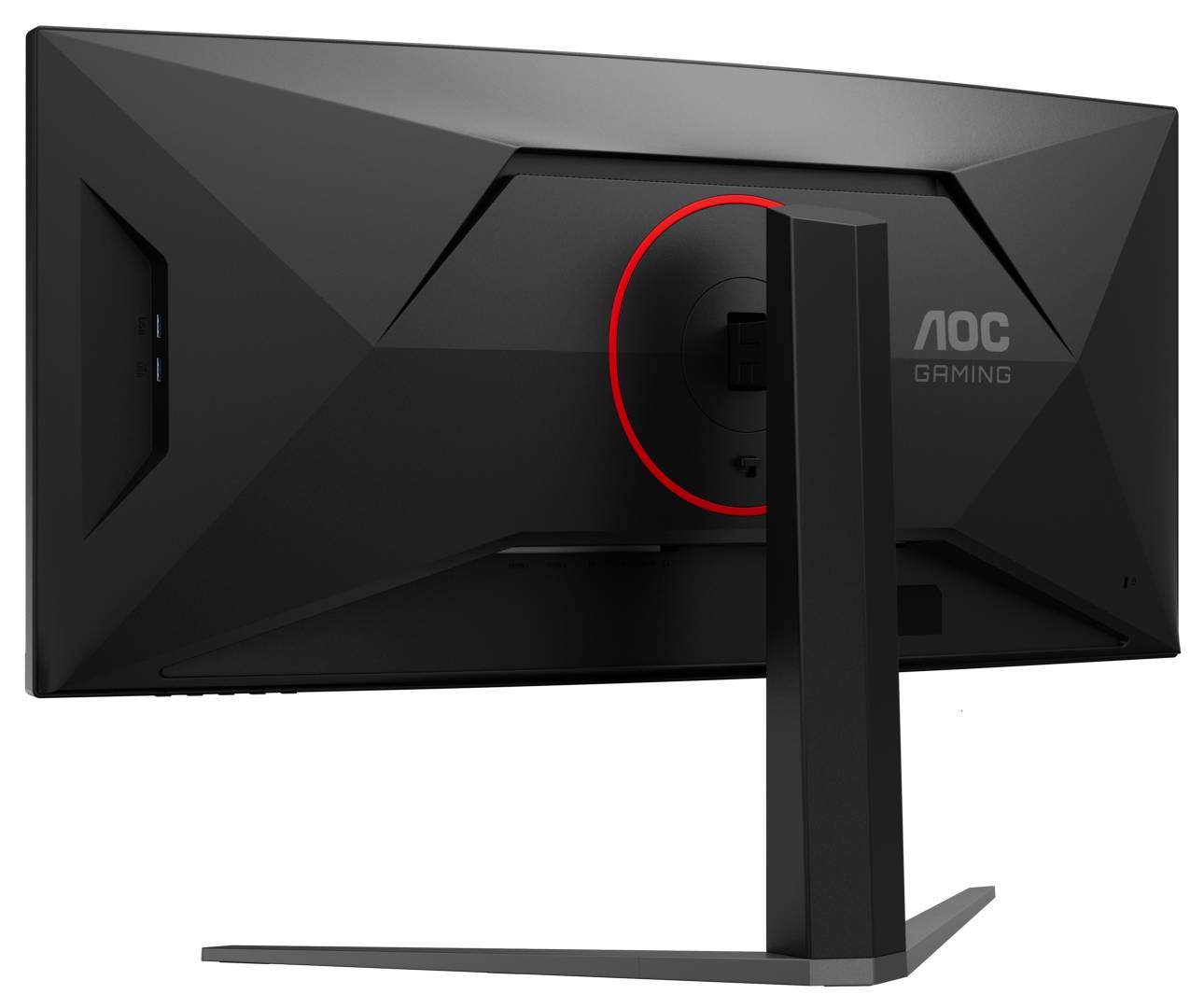
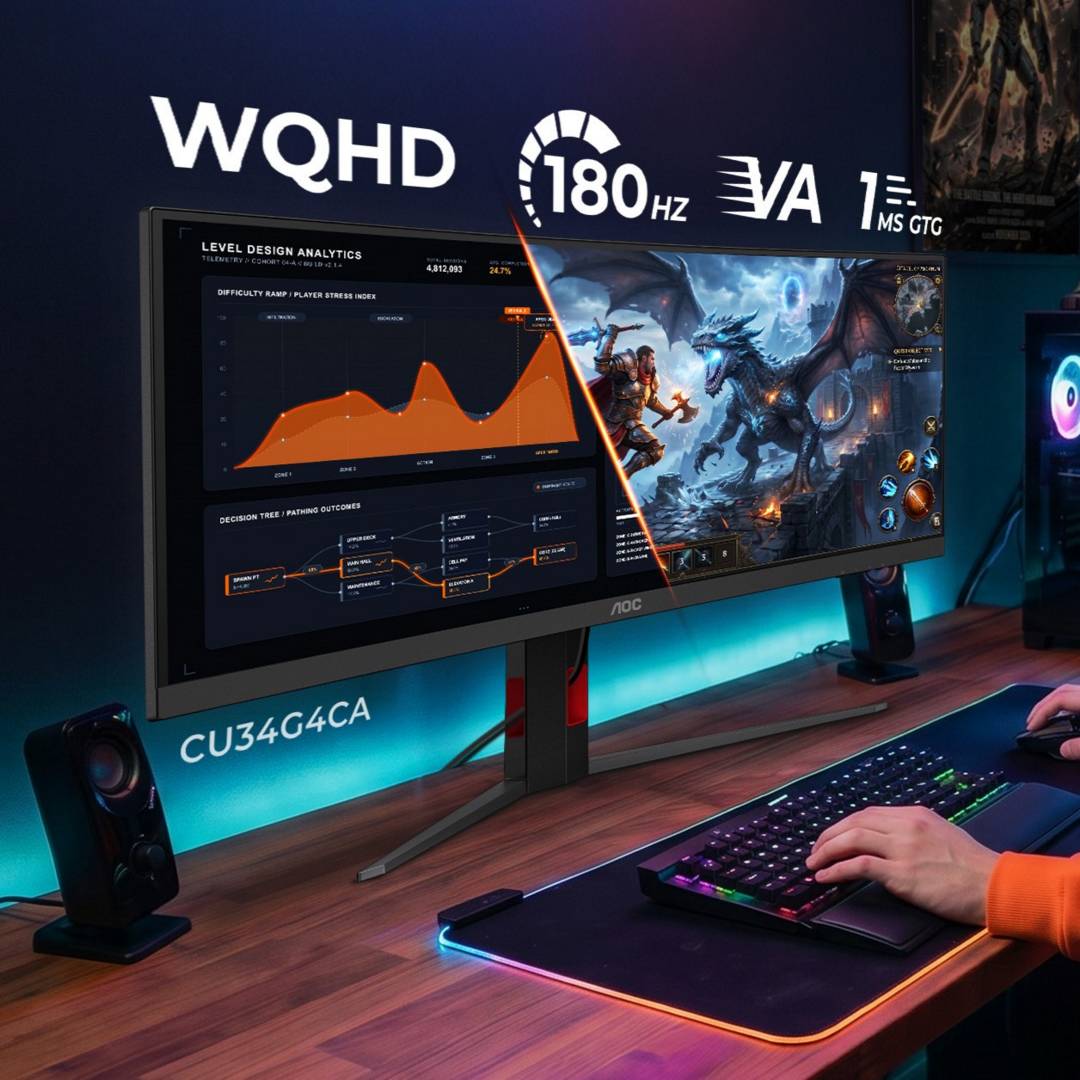
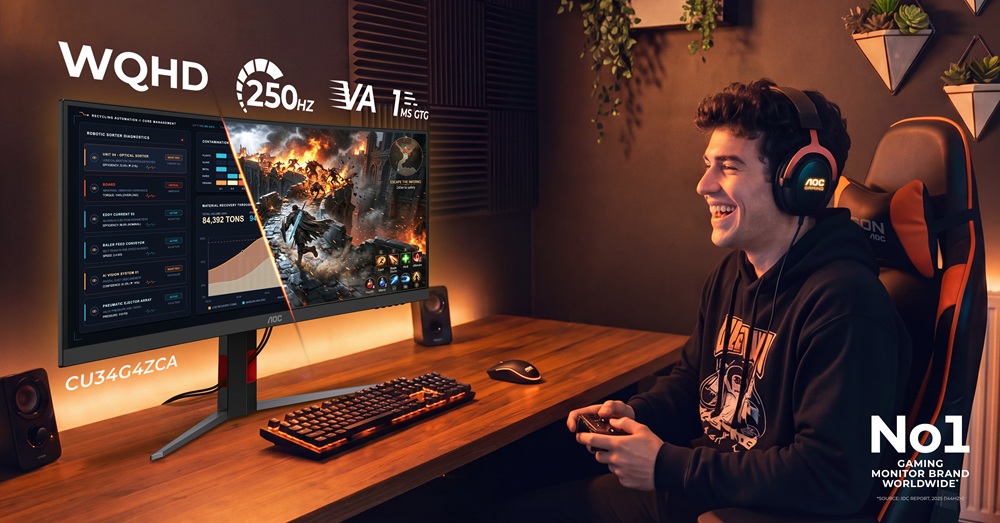
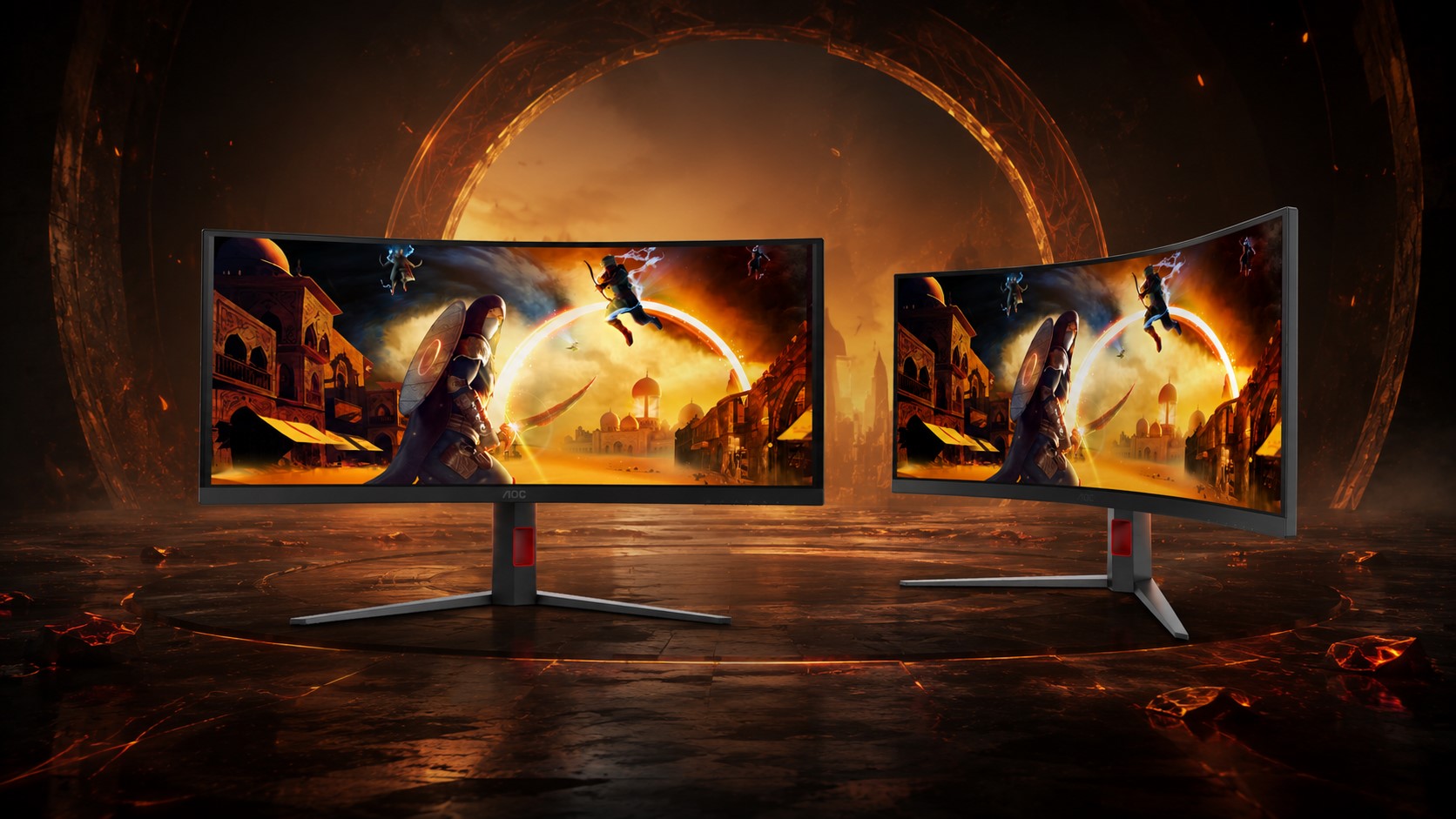
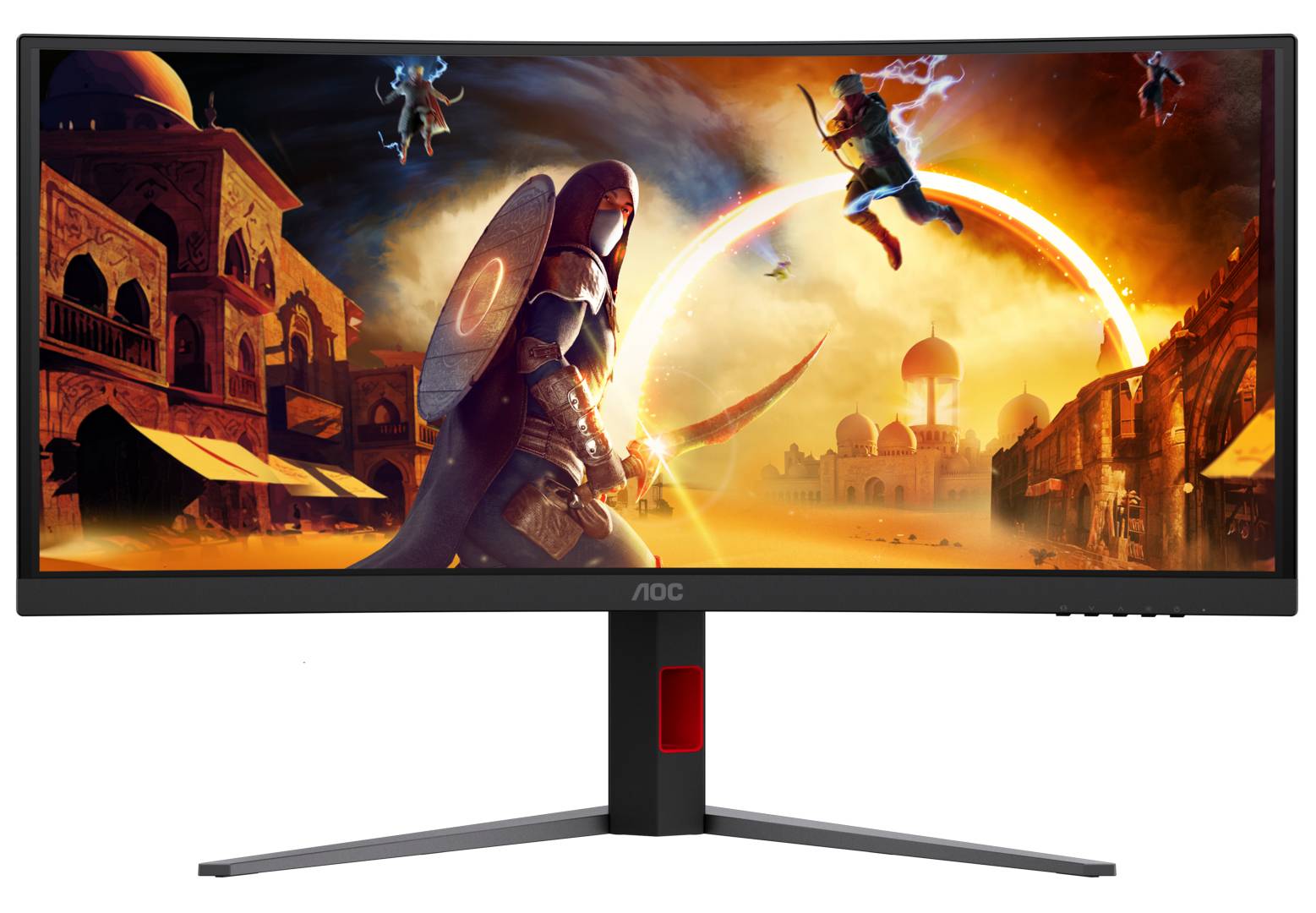
The point of these curved gaming displays isn’t just speed; it’s speed that fits into normal life. Both 34-inch models use a Fast VA panel with a 1500R curve, WQHD 3440×1440 resolution, and a 21:9 aspect ratio, so you gain the horizontal room of a dual-monitor layout without juggling bezels or window gaps. The CU34G4CA runs at 180Hz, while the CU34G4ZCA pushes 240Hz and can be overclocked to 250Hz for competitive play. On paper, they tick the gamer boxes: 0.5ms or 0.3ms MPRT response times, DisplayHDR 400 certification, and 450-nit peak brightness. In practice, that means smooth motion and enough pixel density (about 109.7 PPI) to keep text sharp for long work sessions. This balance is what makes them interesting—no more choosing between a bland productivity panel and a flashy but awkward esports screen.
USB-C Power Delivery And KVM: Cable Clutter, Solved
The real headline is how clean these monitors can make a multi-device setup. Both models provide 90W USB-C power delivery with DisplayPort Alt Mode, meaning one cable can charge a work laptop or handheld while feeding the display signal. According to AOC’s senior gaming product manager César Acosta, “we have added 90 W USB-C, so the same screen that pulls you into a race can power a work laptop the next morning.” That’s the desk simplification enthusiasts have wanted for years. Add the built-in KVM switch and you can drive two machines—say, a gaming rig and a business notebook—with the same keyboard and mouse, swapping between them with a button instead of contorting behind the monitor to re-plug cables. A small USB hub and ergonomic stand round out the package, turning the panel into the central hub rather than yet another dumb endpoint.
Where These Monitors Compete—and Where They Don’t
For all the desk-friendly smarts, these USB-C gaming monitors are not perfect. The VA contrast ratio of 2,500:1 is better than typical IPS but below the 4,000:1 some VA panels reach, so blacks won’t look quite as deep in dim rooms. DisplayHDR 400 support is present but limited by the lack of local dimming; you get HDR badges, not an OLED-like experience. Ergonomics are solid—height, tilt, swivel, and VESA support—but there’s no pivot, which is reasonable for a 34-inch ultrawide yet still a limitation if you love portrait side panels. Where they do punch hard is value: the CU34G4CA at £289.99 and the CU34G4ZCA at £329.99 enter the affordable segment with features often locked behind much pricier premium gaming monitors. You give up some image luxury but gain a far smarter, cleaner desk.
Who Should Buy AOC’s USB-C Ultrawides—and Why They Matter
These curved gaming displays target the growing group of users who game hard and work from the same desk. If your life is split between a desktop PC and a USB‑C laptop, or a handheld gaming device and office machine, the mix of WQHD ultrawide space, high refresh rates, and 90W gaming monitor power delivery is compelling. Enthusiast PC builders finally get a high refresh rate ultrawide that treats cable management and device switching as core problems, not afterthoughts. The CU34G4CA makes sense if you want a responsive 180Hz panel at the lower price, while the CU34G4ZCA exists for players who notice every frame and value 240Hz–250Hz performance. Neither is a perfect HDR showpiece, but both are strong arguments that future gaming monitors should be smart hubs, not simple screens. That shift is why these models are worth paying attention to.