
Photography as Conservation, Not Decoration
Conservation photography is the intentional use of visual storytelling and technical image-making to document wildlife, ecosystems, and environmental threats in ways that inform the public, challenge harmful myths, and inspire concrete action to protect vulnerable species and habitats. If conservation movements once leaned heavily on charts and policy briefs, today their sharpest edge is often a photograph or film clip that makes data feel personal. This is not neutral nature photography; it is advocacy with a shutter button. From shark dives organized around Shark Awareness Day to long-term projects on birds and forests, photographers are treating cameras as field tools for environmental documentation rather than passive art devices. The goal is clear: turn wildlife storytelling into nature photography impact, and turn that impact into political pressure, funding, and changed behavior.
Immersive Tech: 360 Degrees of Shark Reality
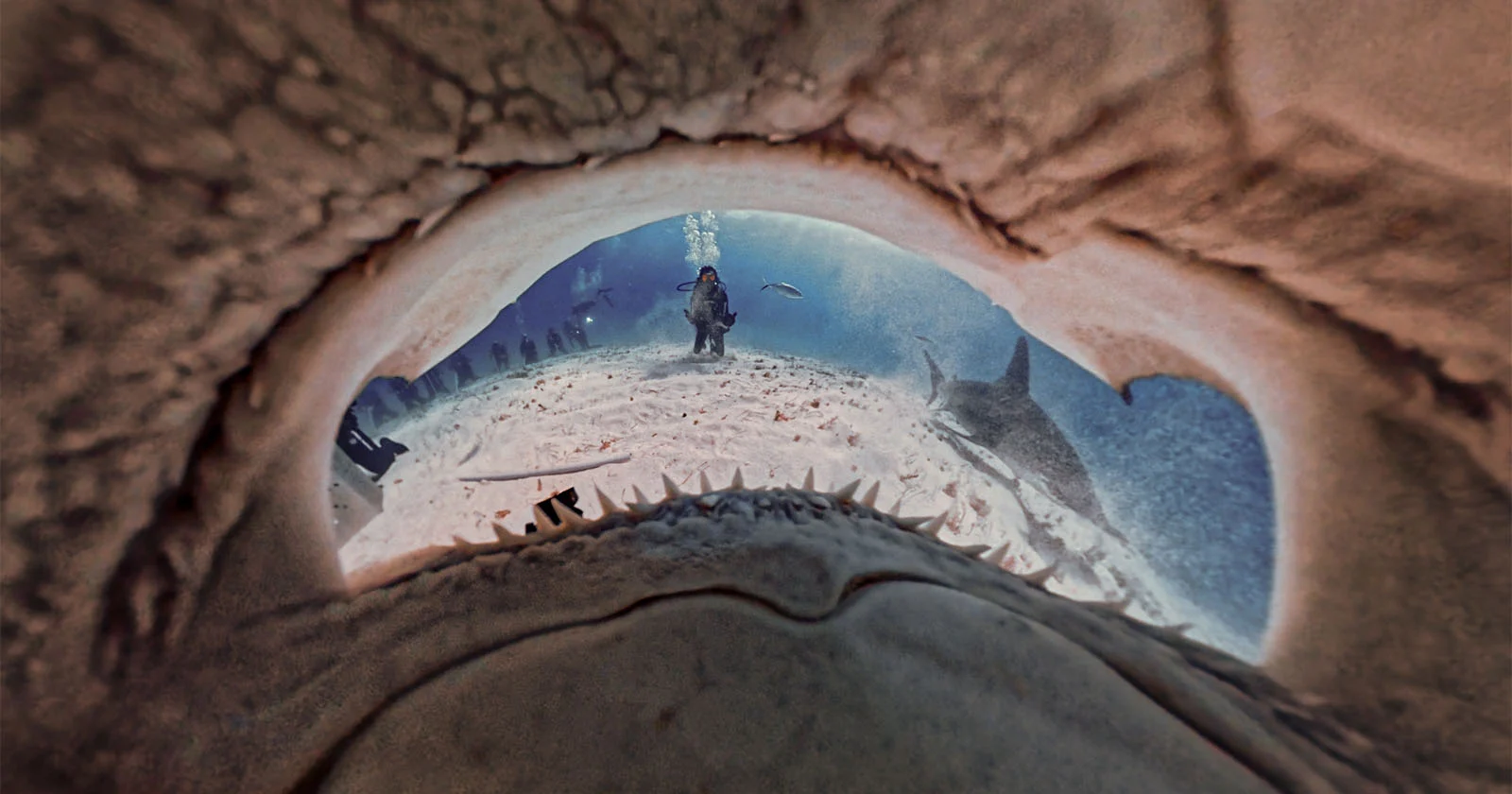
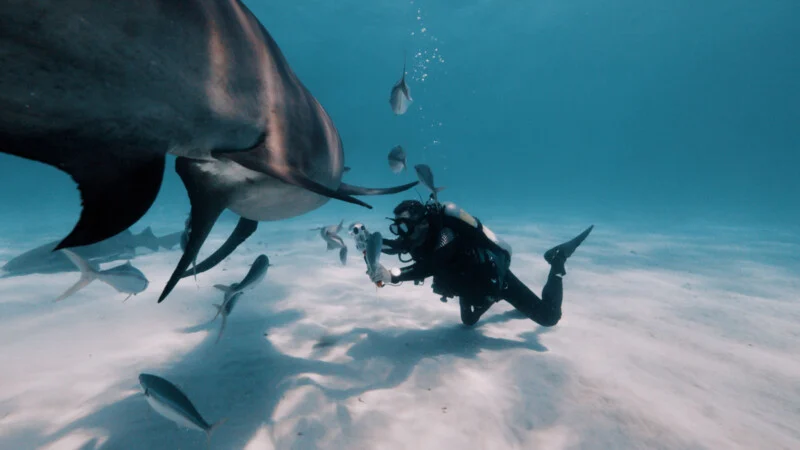
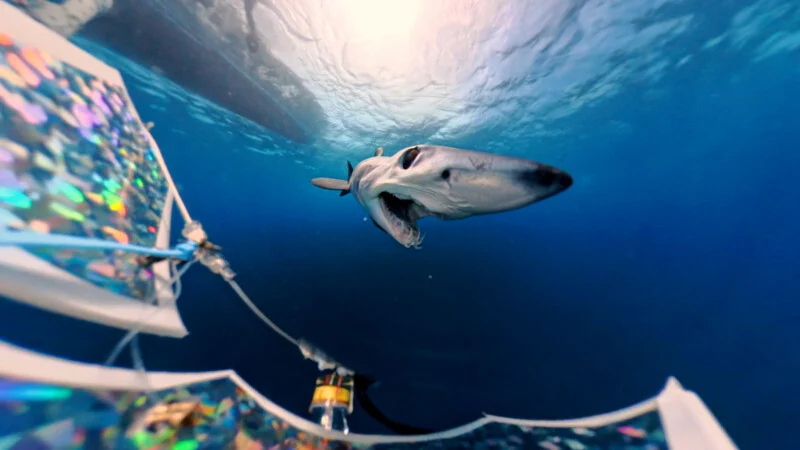
If you want to change how people feel about sharks, you have to change what they see. That is the bet behind conservation photography projects using Insta360 gear with divers such as shark conservationist ZimyDaKid, shark photographer Ari Rabin-Havt, Tiger Beach specialist Roy Mauritsen, and cinematographer Andy Casagrande IV. According to Insta360, “engaging imagery, presented alongside important science, can be a powerful weapon to help protect sharks from grave harm.” The company’s 360-degree cameras let viewers hover beside a shark, move through the water column, and experience proximity that breaks the “monster” stereotype. This is environmental documentation that refuses to stay flat: immersive footage aligned with campaigns like PADI AWARE and Shark Awareness Day turns distant statistics about declining shark populations into encounters that feel intimate, even for people who will never put on a wetsuit.
Personal Connection: When Fear Turns Into Story
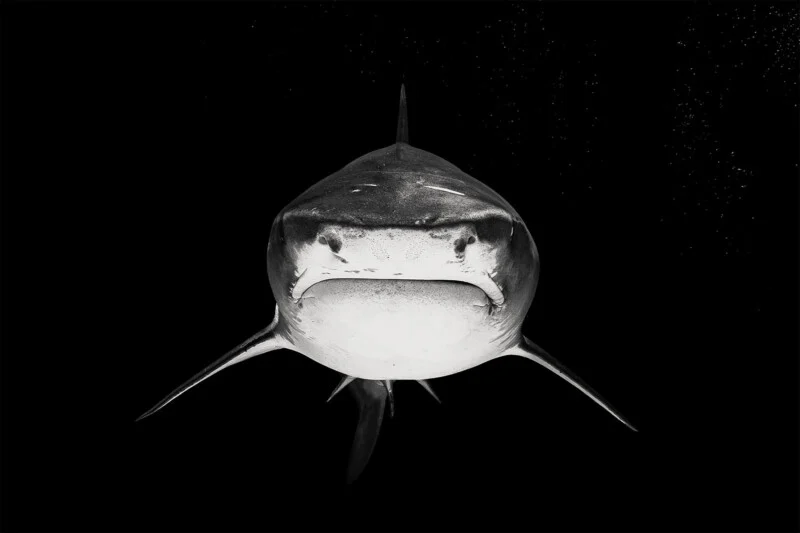
The most persuasive conservation messages start when a photographer’s own fear or awe is transformed into narrative. Ari Rabin-Havt describes his first cage dive with Galapagos sharks as a surprise not because of danger, but calm: what he expected to be a rush became something closer to meditation. Sitting eye-to-eye with a lineage stretching back 450 million years, he saw the gap between the animal in front of him and the horror script society had written. That discomfort with the myth is now his fuel. By staying in the water, learning individual sharks, and returning with more refined images, he builds wildlife storytelling that feels personal rather than generic. The viewer is not asked to care about “sharks” as an abstract group, but about this precise, curious animal whose presence is essential to a healthy marine ecosystem and, by extension, human wellbeing.
Turning Imperfect Light into Stronger Wildlife Stories
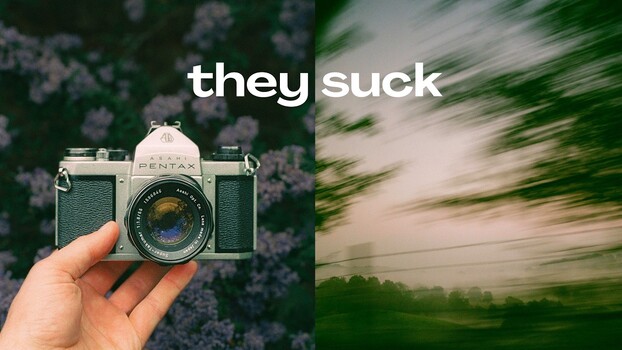
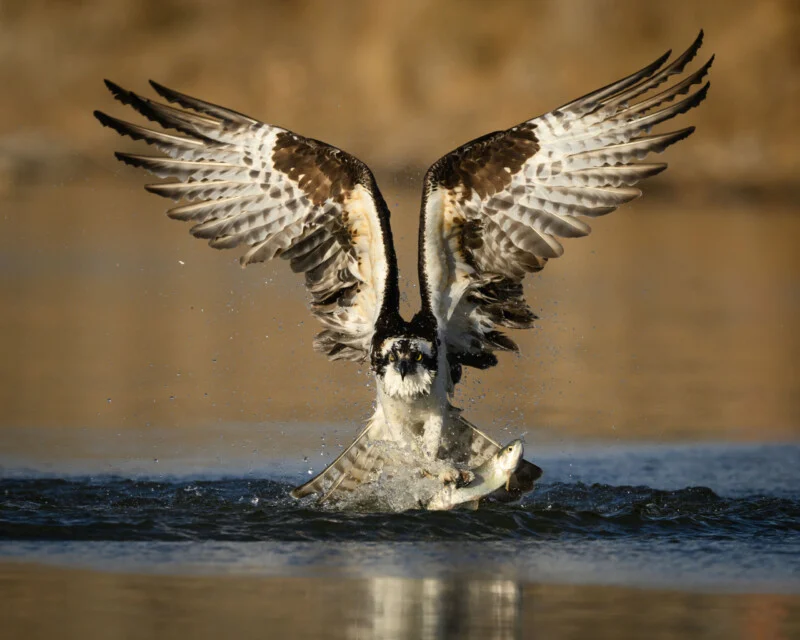
On land, photographer Kristi Odom makes an equally strong case that nature photography impact depends less on perfect conditions and more on intent. She refuses to pack up when the light is bad or the lens is non-ideal, treating limitations as creative prompts rather than excuses. Odom talks about using aperture, shutter speed, and ISO as narrative choices: whether to freeze an osprey’s dive, or blur it into streaks that reveal speed and chaos. When other photographers stop shooting because the light will not support a conventionally sharp frame, she experiments with 1/60s exposures and unconventional ISO settings to capture mood and movement. Many frames fail, yet the few that succeed feel closer to how a raptor’s attack actually unfolds. This is environmental documentation as interpretation, showing behavior in ways that move viewers instead of pleasing gatekeepers of tradition.
Ethics, Empathy, and Action Beyond the Frame
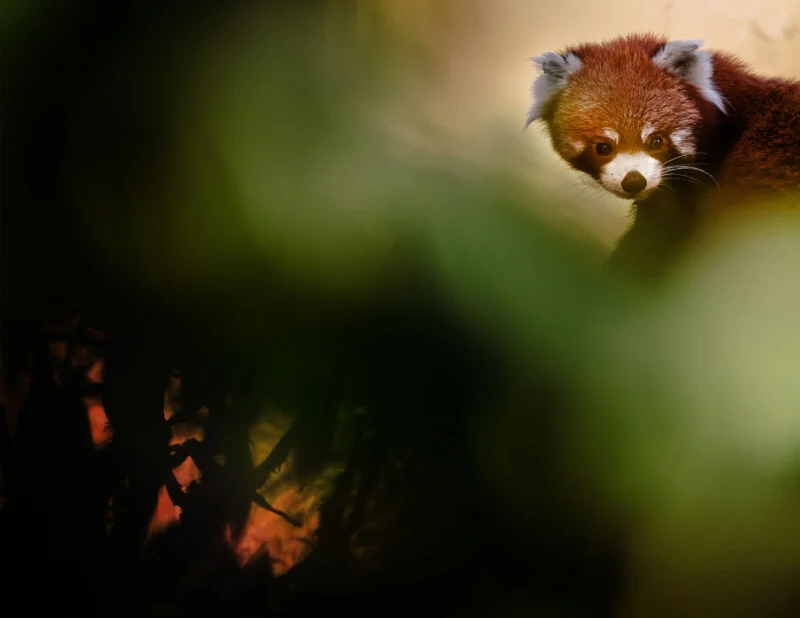
The power of conservation photography lives in the tension between technical mastery and ethical responsibility. Getting close to sharks, ospreys, or a red panda hidden in foliage is not an excuse to stress an animal for the sake of a dramatic shot. The best practitioners treat every setting choice as a negotiation between clarity and respect: how much proximity is safe, how long to stay, when to walk away. They pair images with science, align personal projects with campaigns like Shark Awareness Day, and stay wary of visual clichés that turn complex species into villains or mascots. Their work shows how visual storytelling can translate research into emotions that drive action, but it also insists that empathy must extend beyond the audience to the subjects themselves. In the end, the mark of success is not awards but changed public behavior and stronger protections on the ground and in the water.