
The Coming RAM Crunch: Why Memory Is Becoming the New GPU
The RAM shortage in 2027 refers to a projected peak in the global DRAM supply crisis, in which demand for memory chips outstrips manufacturing capacity, driving inflated prices and tight availability for both data center hardware and consumer PC RAM sticks as pressure persists towards 2030. This is not a vague warning; it is a direct forecast from one of the world’s largest memory makers. SK Hynix CEO Kwak Noh-jung says that next year will be “the worst year in the industry’s history from the supply perspective.” In plain terms, that means the RAM in your gaming rig or workstation is about to feel more like a scarce, speculative asset than a routine component. For PC builders, ignoring this RAM shortage 2027 narrative is an invitation to pay more, wait longer, and have fewer choices when you upgrade.
The key takeaway: treat memory as a strategic purchase, not a last-minute part. The DRAM supply crisis is being driven by structural forces, not a passing fad, and pretending it will blow over quickly is wishful thinking. PC enthusiasts who plan their capacity now and understand the memory price forecast will be in a far better position than those who assume stickers will magically get cheaper.
AI Is Eating DRAM for Breakfast
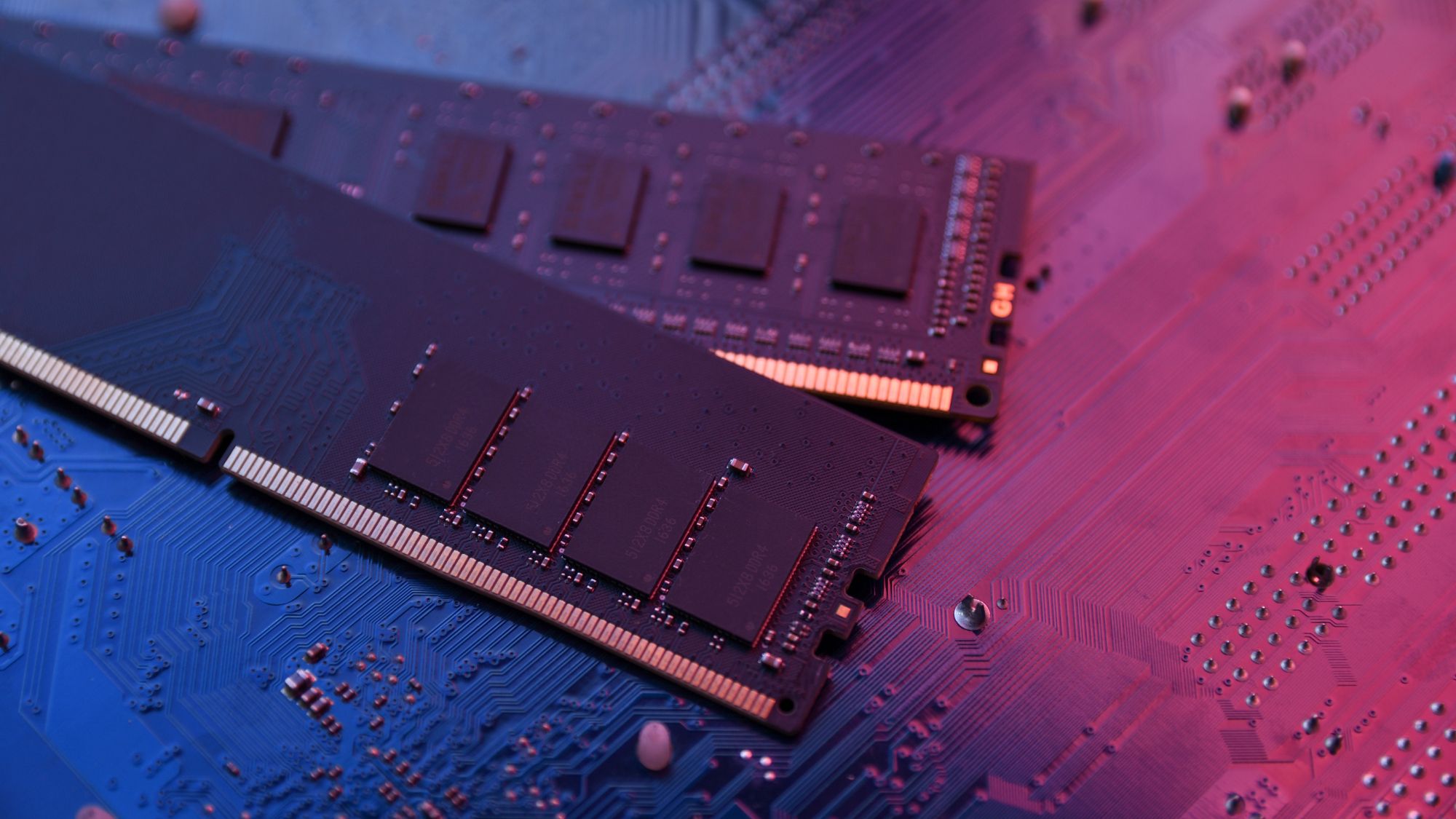
The main reason the RAM market is breaking is that AI workloads have turned memory into the new bottleneck. DRAM demand is largely driven by high-bandwidth memory (HBM) used in AI accelerators, which require more sophisticated manufacturing and packaging processes than consumer DDR5 and consume more wafer capacity per chip. Every time a cloud provider deploys another rack of AI servers, it pulls huge volumes of DRAM and HBM away from the pool that also feeds your desktop DIMMs.
Citrini’s research predicts a total global memory demand of 157.5 exabytes by 2030, with a 28.7 exabyte shortfall. That shortfall is almost the size of this year’s estimated 40 exabyte global DRAM capacity. In other words, even aggressive production increases are not catching up. General DRAM remains the main bottleneck, even after accounting for HBM and projected output from newer manufacturers. If AI becomes more efficient, that might soften the blow, but current trends are clear: ever-more production, ever-more demand. Betting your next build on efficiency breakthroughs is a gamble, not a plan.
How Bad Could It Get? Reading the Memory Price Forecast
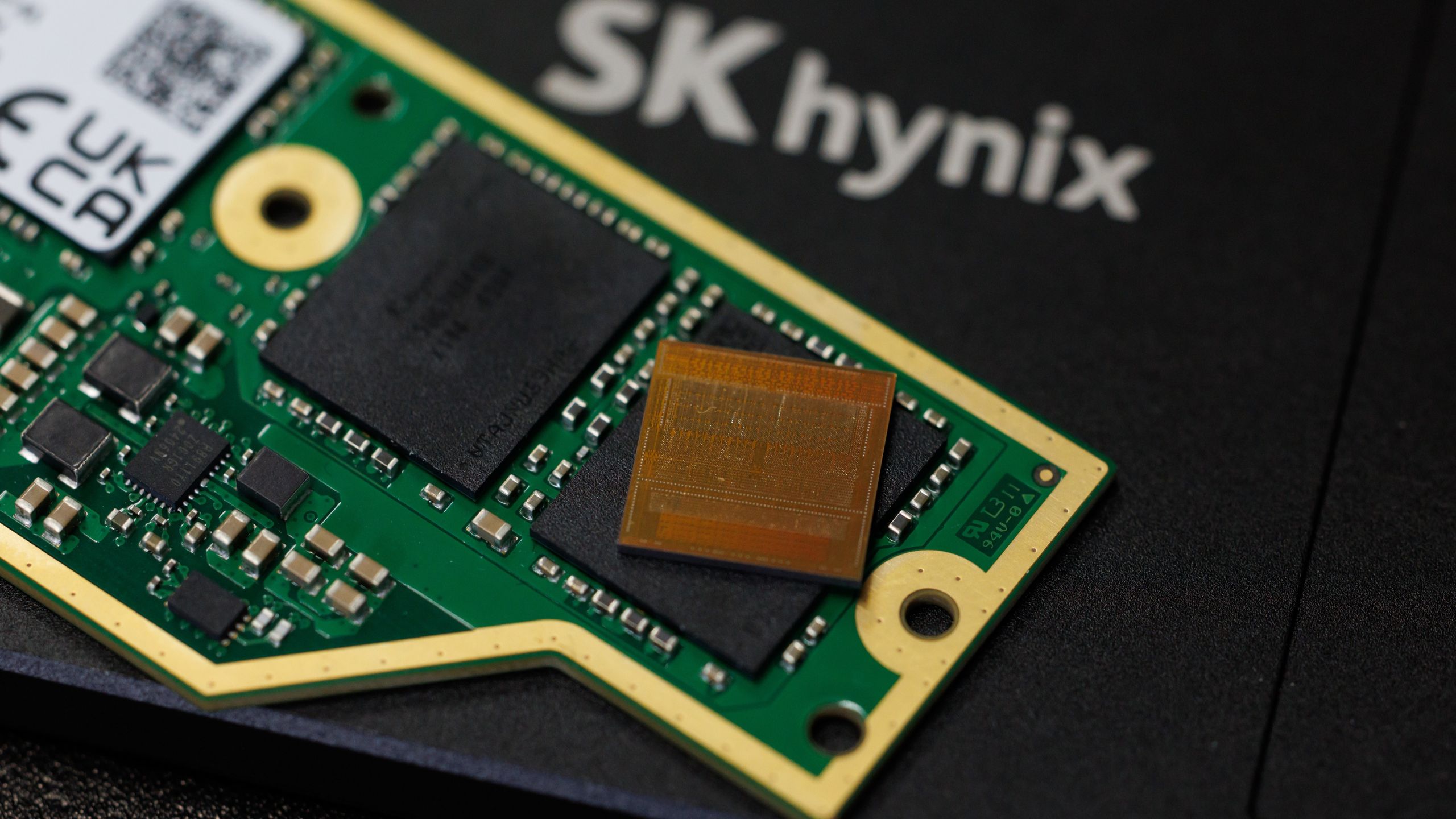
The worrying part is that the DRAM supply crisis is not just about quantity; it is about prices staying inflated for years. SK Hynix’s CEO expects customer demand to remain higher than the company’s supply capacity even beyond 2030. Recent market reports already show DRAM contract prices climbing 15% to 18% quarter over quarter for Q3 2026. Citrini’s analysis goes further, stating: “DRAM ASP will remain inflated and will likely stay in the $1.5/Gb-$2.0/Gb range.” Jefferies is also predicting big memory price hikes over the rest of this year and in 2027, backing up SK Hynix’s grim view of the market.
There is debate about how long this pricing hell lasts. Some industry voices believe RAM pricing will start to ease in 2028, while SK Group leadership and independent researchers warn the crunch will extend through 2030. Capacity expansion is not keeping pace: analysis suggests SK Hynix might add only about a sixth of its originally planned production increase by 2028, with realistic wafer capacity growth sitting near 10% per year. Given these numbers, banking on a fast return to dirt-cheap memory is optimistic at best.
Channel Partners Are Bracing for Impact
While enthusiasts argue on forums about whether to buy RAM now or later, professional channel partners are already changing how they design infrastructure. New research from Westcon-Comstor shows that 87% of partners have taken action to reduce the impact of supply constraints on customer projects. They see project delays as the single biggest risk from ongoing pricing pressure and hardware availability issues. That should be a wake-up call: the people who build large-scale systems are treating memory like a high-risk dependency, not a commodity.
To cope, partners are improving infrastructure planning, adopting managed services, and in some cases switching technology vendors. Improved capacity planning is the most common mitigation strategy, cited by 60% of respondents. Others use storage tiering or caching to reduce reliance on memory-intensive workloads, and a quarter have moved workloads or components to managed services. Hardware pricing volatility and supply constraints are reshaping buying decisions and having a profound impact on the IT channel. If the professionals are re-architecting around RAM availability, home builders should at least be revisiting their assumptions about how much memory they need and when they buy it.

What PC Enthusiasts Should Do Before the Peak Shortage
For PC builders and gamers, the worst move in the face of a looming RAM shortage 2027 is passivity. Consumer demand for products such as RAM sticks is already shrinking relative to the giant block of unfulfilled demand from servers and AI platforms. We are no longer the priority customer. That means you need a plan: decide how much memory headroom you truly require, lock in parts during quieter pricing windows, and avoid designs that depend on frequent RAM upgrades over the next several years.
The uncomfortable truth is that the DRAM supply crisis is likely to outlast a typical upgrade cycle. Citirini’s research expects a 25% deficit for the general DRAM market by 2030, with 91 exabytes of supply versus 120 exabytes of demand. SK Hynix’s leadership forecasts that next year will be the worst in memory industry history from the supply side and that the crunch will last until 2030. In that environment, hoping for a rapid price collapse is more fantasy than strategy. Treat memory like the new GPU: buy deliberately, not impulsively, and design systems that can live with the RAM you have rather than assuming you can cheaply add more later.