
The Coming Memory Chip Storm Is Not A Drill
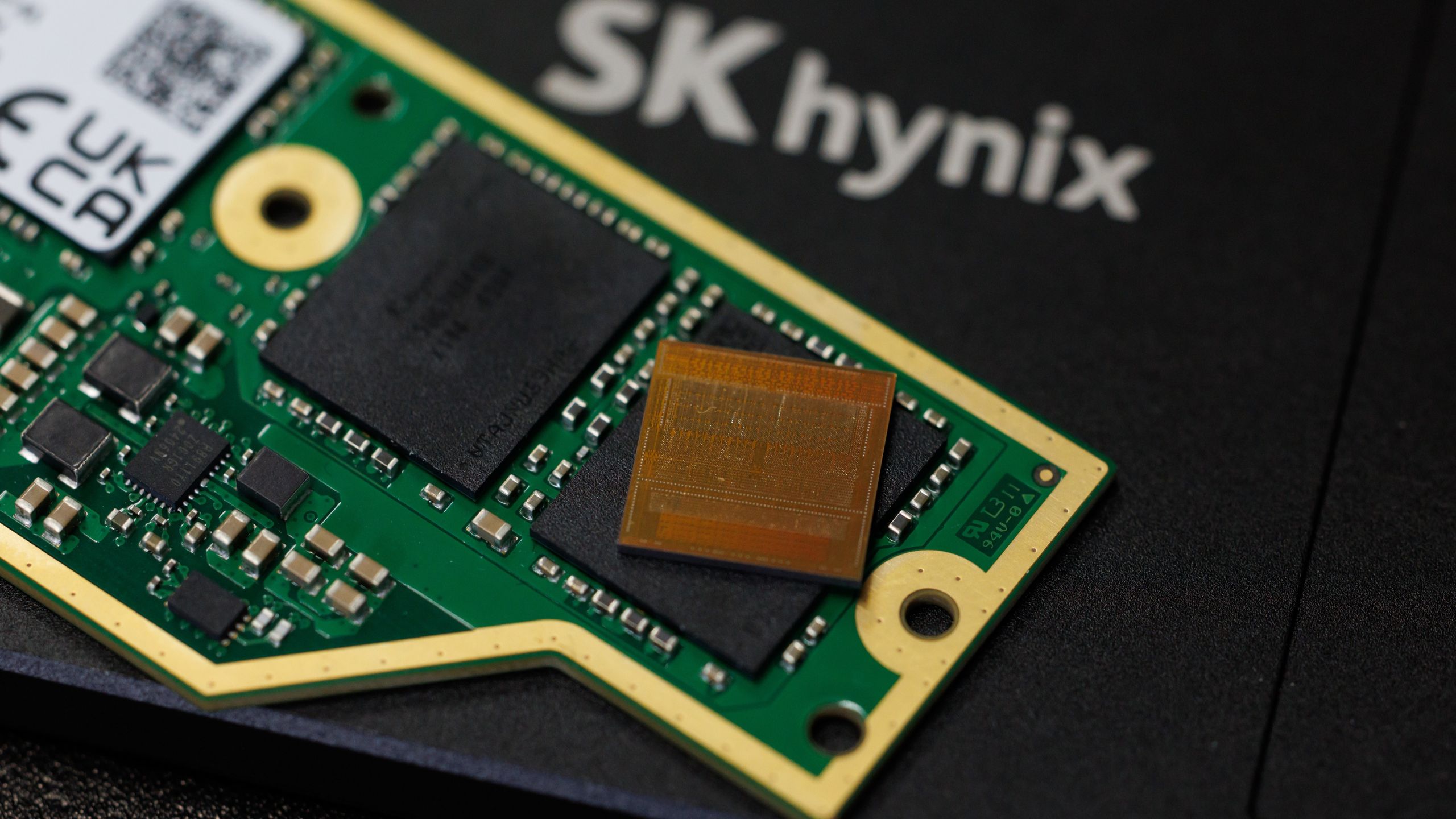
The memory chip shortage 2027 refers to an expected peak in global RAM and DRAM supply constraints driven by rapid AI adoption, slow manufacturing expansion, and long-term demand outpacing production, resulting in sustained high prices and limited availability across both data center and consumer markets. On the day his company marked the largest-ever IPO for a foreign firm on the U.S. stock market, raising USD 26.5 billion (approx. ₱1.5 trillion), SK Hynix CEO Kwak Noh-jung warned that next year will be the “worst year” in the memory industry’s history from a supply perspective. In his view, the crunch will not fade quickly; demand for RAM is set to remain higher than supply capacity even beyond 2030. This is not cautious guidance; it is a blunt warning that the DRAM crisis outlook has shifted from temporary imbalance to structural stress.
AI Accelerators Are Eating the DRAM World
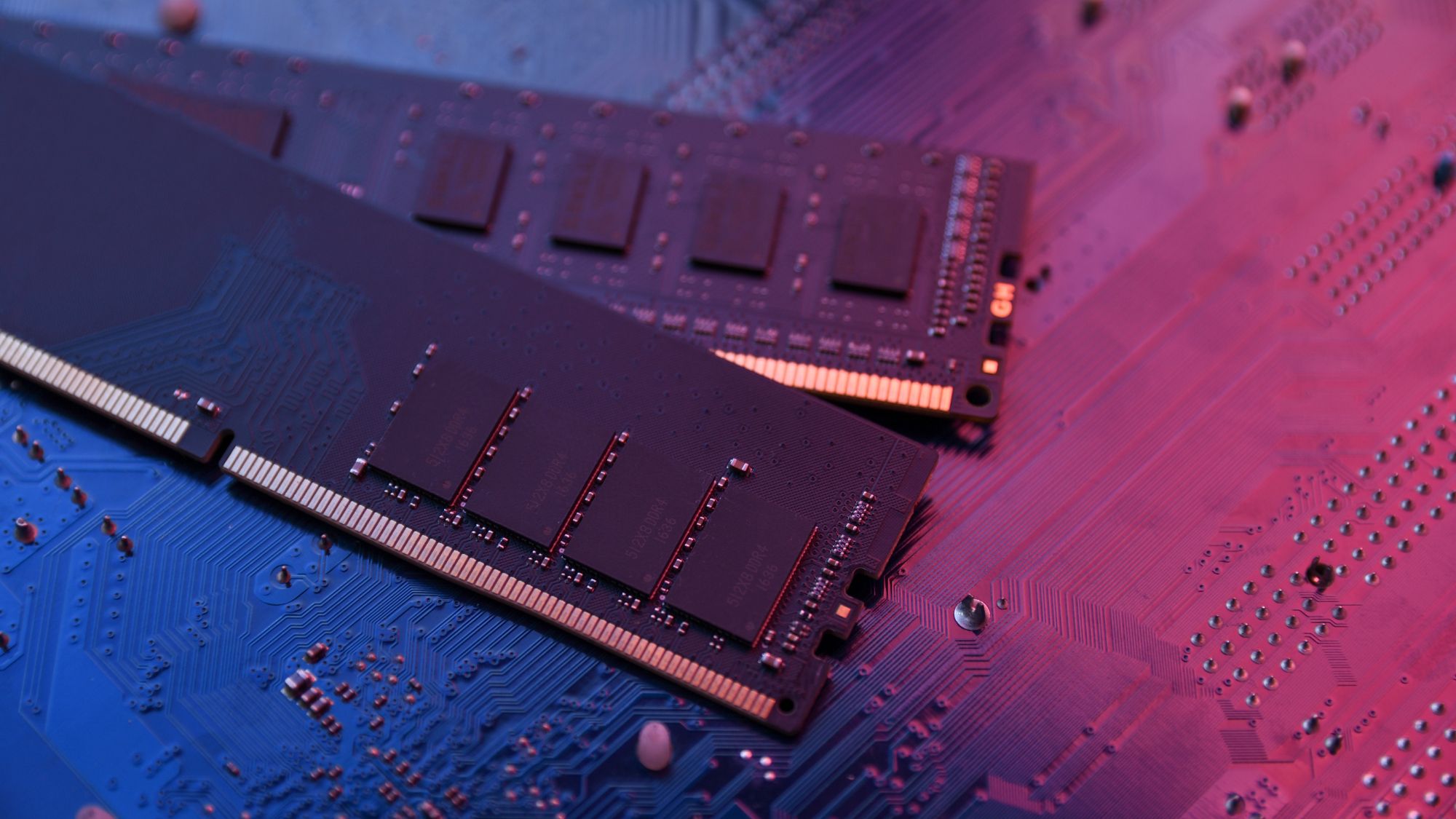
The uncomfortable truth behind the memory chip shortage is that artificial intelligence is consuming capacity faster than fabs can add it. DRAM demand is now largely driven by high-bandwidth memory (HBM) used in AI accelerators, which rely on more sophisticated manufacturing and packaging than consumer DDR5. HBM also burns through more wafer capacity per chip, forcing major brands to divert production away from standard DRAM into premium AI parts and deepening an already sticky supply situation. Nvidia’s Jensen Huang has publicly said the RAM crisis is likely to last “quite a few years,” suggesting pricing pain could extend toward 2030. While some industry voices expect relief starting in 2028, the direction of travel is clear: AI workloads and data center expansion are no longer a side-story—they are the main gravity well pulling memory prices higher and narrowing options for everyone else.
Capacity Promises vs. Reality: Why Relief Keeps Slipping
On paper, new fabs should bail out the DRAM crisis outlook. In practice, the timeline is slipping. Analysis cited in Taiwan claims SK Hynix may add only one sixth of its originally planned production capacity increase by 2028. At the same time, huge manufacturing plants now under construction are expected to take far longer than 2030 to become fully operational, with the build-out likely stretching over a decade. That implies annual wafer capacity expansion around 10% or slightly less, far below political promises and far too slow to catch surging AI demand. Even recent data on DRAM contract prices underlines the point: they rose 15% to 18% quarter over quarter for Q3 2026. While that is a smaller jump than earlier spikes, it only signals that the market is stabilizing at elevated levels, not that prices are heading back to comfort zones.
The Memory Price Forecast: Elevated, Volatile, And Biased Upwards
No one can chart the exact memory price forecast, but current signals skew in one direction: higher for longer. The SK Hynix CEO’s warning that next year will be the worst on record for RAM supply comes alongside his expectation that the crunch will last until at least 2030. Analysts at Jefferies are not nearly as gloomy on the distant horizon but still predict big memory price hikes over the rest of this year and into next, supporting the idea of a near-term peak in cost. A recent report showed DRAM contract prices climbing 15% to 18% quarter over quarter for Q3 2026, with commentary that memory and NAND prices will remain elevated for at least the next several months despite some cooling. Put bluntly, the baseline scenario is not a crash in pricing; it is an extended plateau at the expensive end of the chart, with sharp swings tied to AI investment cycles.
What This All Means for PC Enthusiasts
Industry leaders are candid: “We forecast that next year will be the worst year in the industry’s history from the supply perspective”. Combined with the expectation that customer demand will remain higher than supply capacity beyond 2030, the message for anyone who cares about memory is clear. Waiting for a bargain-bin reversal in RAM prices is wishful thinking while AI accelerators keep absorbing HBM and manufacturers expand at single-digit percentages per year. The logical conclusion is that builders and buyers should treat DRAM as a constrained resource whose cost will reflect strategic battles in AI and cloud, not consumer cycles. Ignoring these warnings means planning hardware projects on an assumption the industry itself does not share; listening to them means accepting that volatility and scarcity, not steady discounts, are likely to define the coming phase of the memory market.