
A New Kind of Mirrorless Ultra-Wide Zoom Lens
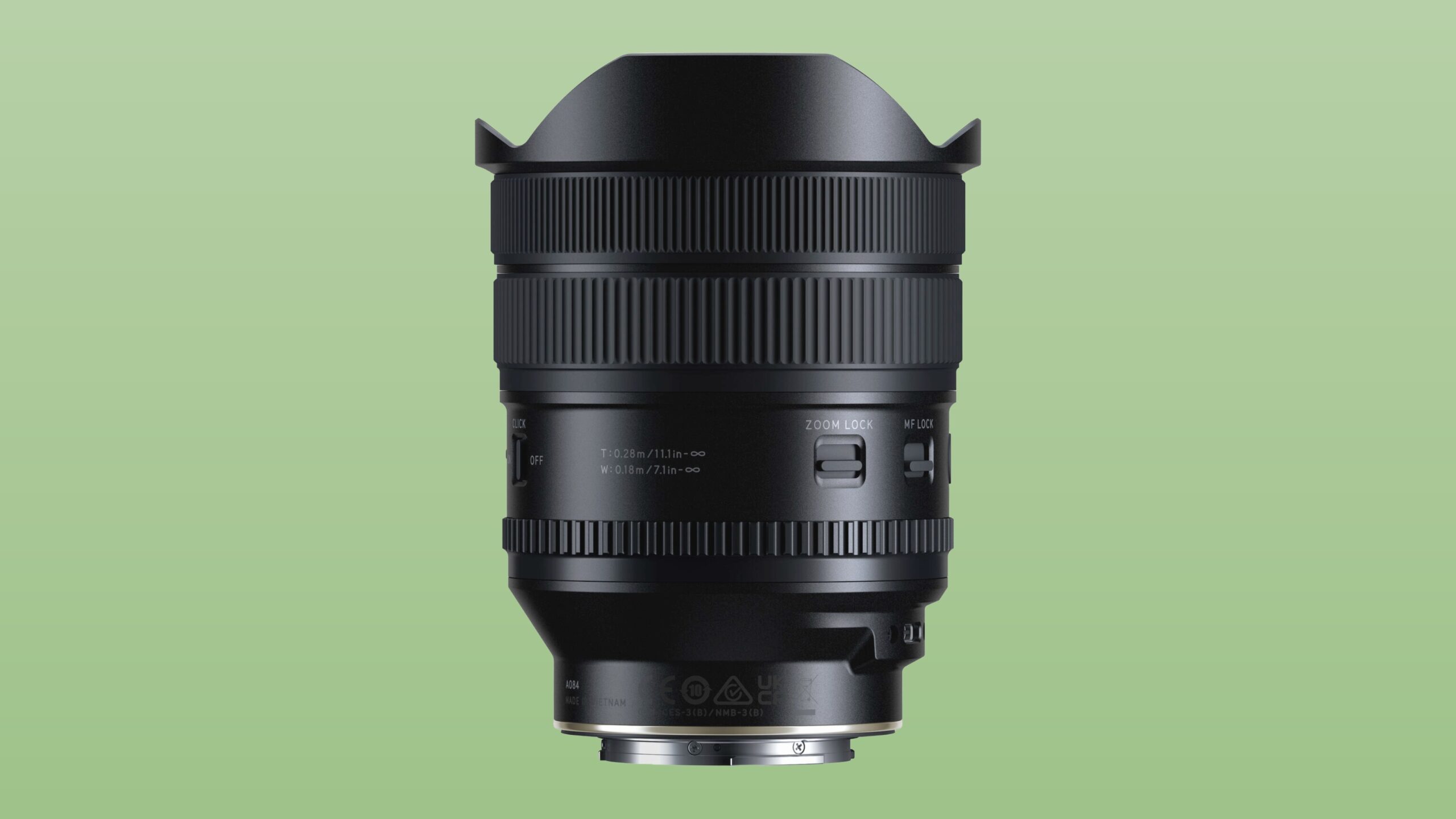
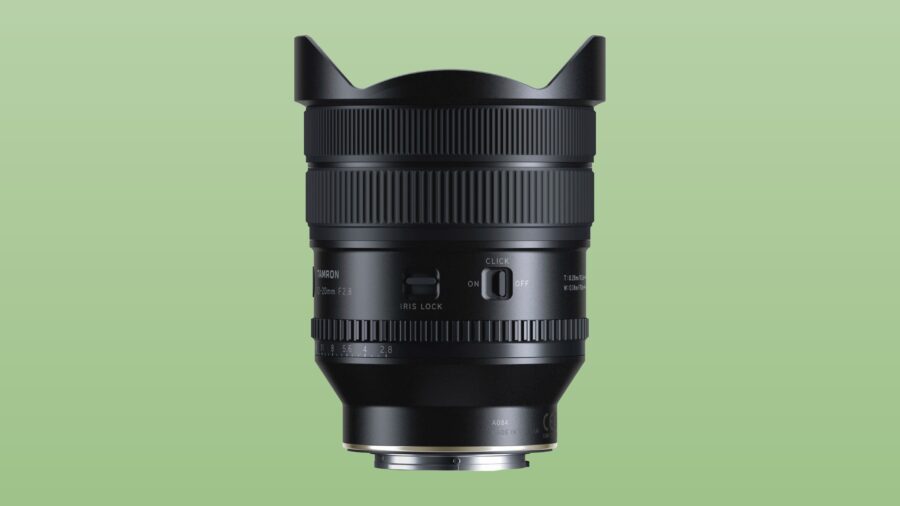
The Tamron 12-20mm f/2.8 is an ultra-wide zoom lens for full-frame Sony E and Nikon Z mirrorless cameras that combines a constant fast aperture, advanced autofocus, and sophisticated optical corrections in a compact body to compete with larger native lenses for landscapes, interiors, video work, and astrophotography.
Tamron has introduced the 12-20mm F2.8 Di III ultra-wide full-frame zoom lens as a new optic for both Sony E Mount and Nikon Z Mount mirrorless systems. This is not just another third-party option; it is the widest full-frame lens the company has ever made and the first to debut its new Toned Profile Next design. With a field of view starting at 12mm, it pushes into territory that most native systems reserve for heavy, exotic zooms, yet it targets working photographers who care more about speed and practicality than brand badges.
The lens launches on July 30 for Sony E-mount and August 27 for Nikon Z mount, positioning itself directly against first-party ultra-wide zooms at the moment buyers are filling out their mirrorless kits. Tamron is not quietly filling a niche here; it is challenging the idea that only native glass belongs in professional ultra-wide work.
Optical Design Built for Stars and Tight Spaces
The 12-20mm starting point is the real statement: 12mm is noticeably wider than the 14–16mm norms many shooters are used to, and Tamron is right to say that this perspective delivers a different sense of scale altogether. For interiors, real estate, and car rigs, that extra width often means the difference between getting the shot and backing through a wall. The trade-off is the short 1.7x zoom ratio, which makes this a specialist tool rather than a do-everything wide, but that is exactly why it is interesting: Tamron has optimized it for the jobs where an ultra-wide zoom lens earns its keep.
Inside, the optical construction uses 17 elements in 12 groups, including one eXpanded Glass Molded Aspherical (XGM) lens, three additional glass-molded aspherical elements, one XLD element, and three LD elements. This complex recipe is not about spec-sheet bragging; it directly tackles peripheral blurring and color fringing while specifically correcting sagittal coma flare, the wing-like stretching of point light sources toward the frame edges. In other words, this is an astrophotography lens on purpose, not by accident.
For night shooters and interior specialists, the constant f/2.8 aperture matters more than marketing slogans. It allows brighter viewfinder imagery and shorter exposure times for astrophotographers and low-light shooters, and it keeps the lens usable in dim interiors and under night skies across the full zoom range. Combined with Tamron’s AX (Anti-reflection eXpand) coating, designed to control ghosting and flare on the strongly curved front element, this lens is unapologetically tuned for stars, city lights, and tricky architectural lighting.
VXD Autofocus and Close Focus: Practical Advantages Over Native Glass
Autofocus is where third-party lenses used to concede the match, but Tamron’s VXD (Voice-coil eXtreme-torque Drive) linear motor changes that dynamic. The 12-20mm f/2.8 uses the same VXD system seen in recent Tamron optics, and the company promises fast, quiet, and precise operation for both stills and video. On modern Sony E and Nikon Z bodies, that combination should mean reliable tracking for gimbal work, run-and-gun documentary, and even event coverage where subjects move unpredictably through the frame. If your experience with older Tamron motors left you skeptical, VXD is exactly the kind of update that makes this lens worth a second look.
Equally important in real-world shooting is how close this mirrorless ultra-wide can focus. At 12mm, the minimum object distance is 0.18 m, placing the front of the lens about 50 mm from the subject at its closest. That, combined with the extreme perspective, enables dramatic foreground-emphasis compositions and product-adjacent b-roll that would be awkward with a heavier native zoom. For run-and-gun documentary or product-adjacent b-roll, this close-focus behavior makes the lens a flexible tool in a compact package.
Controls and customization also push it toward professional use. A custom switch, focus set button, and USB-C port tie into Tamron’s Lens Utility software, enabling firmware updates and features such as A–B focus transitions and focus presets. Native lenses rarely give this level of programmable behavior at the wide end, which means video shooters in particular may find the Tamron 12-20mm f/2.8 more accommodating than the camera-brand options they assumed were mandatory.

Compact Form Factor: The Real Shot at Native Ultra-Wides
Ultra-wide f/2.8 zooms have traditionally been heavy, front-loaded monsters that dominate a camera bag, and that bulk has often been the unofficial tax for choosing native glass. Tamron is clearly attacking that assumption. The Sony E-mount version measures 119.3 mm in length and weighs 570 g, while the Nikon Z version is 121.3 mm and 585 g, both with a 90 mm maximum diameter. Tamron states that this makes the lens among the smallest in its class, and that is the key advantage: a constant fast aperture zoom that you do not resent carrying all day.
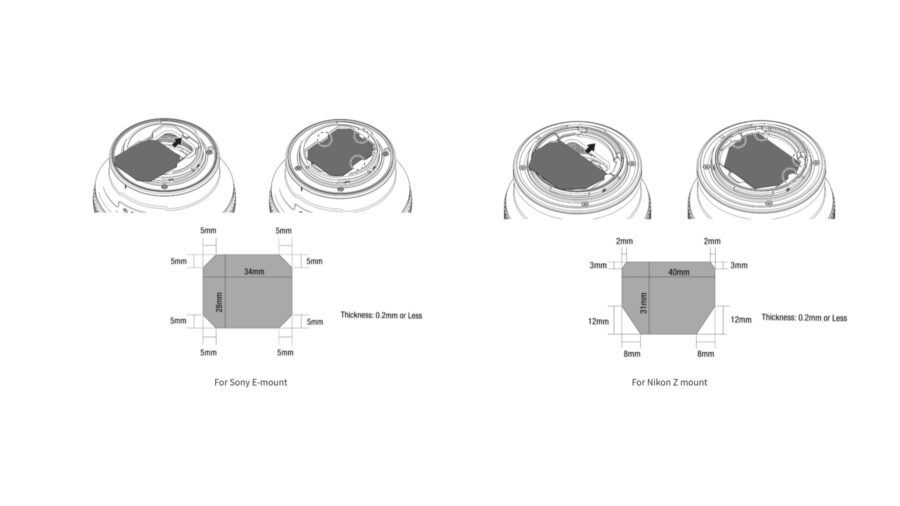
For astrophotographers and low-light shooters, pairing a compact body with a lens that still offers a constant f/2.8 aperture is rare. Here, that speed does not come with the usual penalty in size and weight, which changes how likely you are to pack it for landscape or nightscape trips. Weather-resistant construction and a fluorine-coated front element show that Tamron expects the lens to live outdoors, while an integrated rear filter holder compensates for the bulbous front element that prevents screw-in filters. This is a practical alternative to bulkier native zooms, not a cut-price compromise.
Dual-mount availability is the final strategic move. By shipping the lens for both Sony E and Nikon Z mirrorless systems, Tamron is not building a sidecar to a single ecosystem; it is offering a shared ultra-wide solution across two of the most popular full-frame platforms. For hybrid shooters who own both, or for those who might switch in the future, that makes the 12-20mm f/2.8 a safer long-term investment than most brand-locked glass.
Is Tamron’s 12-20mm f/2.8 the New Default Ultra-Wide?
The Tamron 12-20mm f/2.8 is not trying to be a general-purpose wide zoom; it is a specialist tool aimed squarely at astrophotography, interiors, and cinematic ultra-wide work. It delivers a constant fast aperture zoom across the entire 12–20mm range, with optical corrections that directly target coma, flare, and edge softness. It adds a VXD autofocus system that finally puts third-party focusing performance in the same conversation as native glass, and it wraps it all in a body that undercuts the size and weight expectations of this category.
The lens is not perfect: the limited zoom range and lack of front filter threads will frustrate some shooters, and real-world AF tracking will still depend on the camera body. But if you shoot stars, small interiors, or dynamic ultra-wide video, the practical gains outweigh those compromises. With launch dates set for late July on Sony E and late August on Nikon Z at listed prices of USD 1,699 (approx. ₱95,000) for Sony and USD 1,799 (approx. ₱101,000) for Nikon, it is not a budget toy; it is a deliberate challenge to native ultra-wides. For many mirrorless shooters, this may be the moment when "third-party" stops meaning "second-best" at the wide end.