
Retro Hardware Recreation Is About Power, Not Nostalgia
Retro hardware recreation is the practice of rebuilding obsolete computers and expansion cards as new, fully documented open designs—often using open source FPGA logic and KiCad schematic design—so that anyone can study, assemble, repair, and extend classic systems without relying on rare original parts or closed documentation. This is not a niche cosplay of computing history; it is a quiet power shift. When an Apple Lisa or a Gravis Ultrasound sound card is reborn as open hardware, control moves from collectors’ vaults and corporate archives to the workbenches of ordinary enthusiasts. The emerging message is blunt: if the industry will not keep historic platforms usable and affordable, the community will do it with open tools and shared CAD files.
LisaFPGA: An Open-Source FPGA Lisa You Can Actually Build
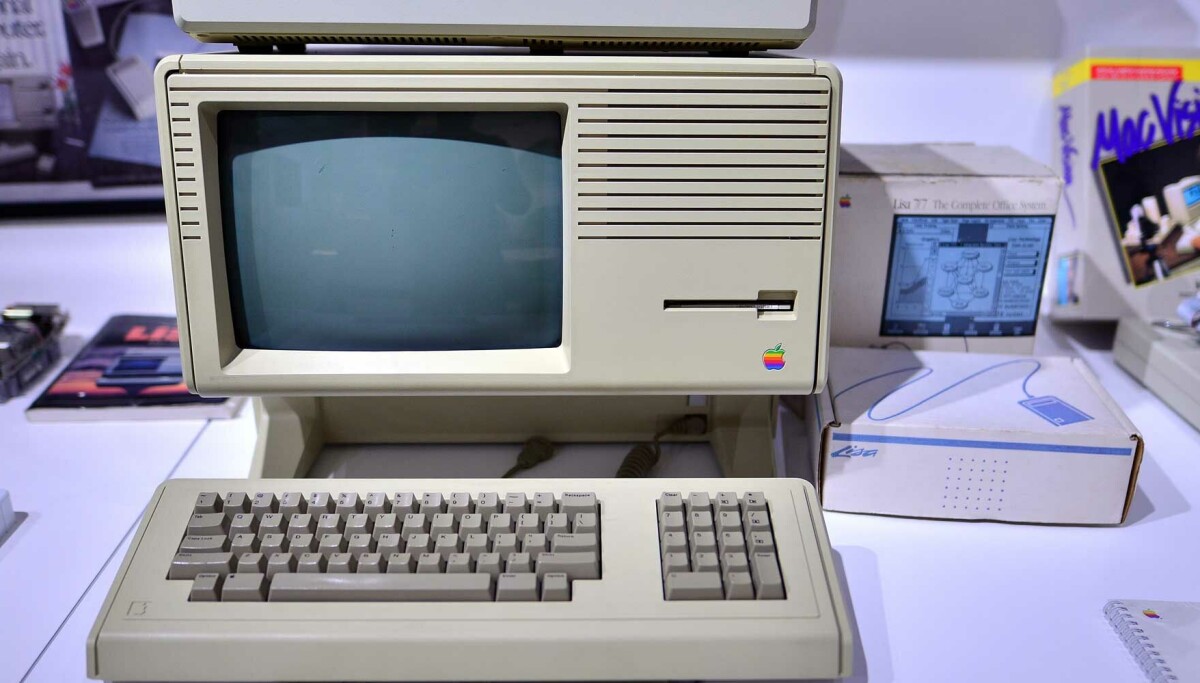
Original Apple Lisas are scarce, fragile, and expensive, when you can find one at all, and thousands of unsold units were once dumped as landfill. That irony became sharper when the operating system’s source code was released for the machine’s 40th birthday, yet most people had no working hardware to run it on. LisaFPGA attacks that problem head-on. Developer Alex Anderson‑McLeod rebuilt his understanding of the system by working out how to compile Lisa OS from the released sources and then used that knowledge to implement the computer inside an open source FPGA design. Hardware based on this design went on sale in May and promptly sold out, with completed boards offered for £264.89 and USD 350 (approx. ₱19,600). That is still enthusiast money, but it is a fraction of a surviving Lisa and, unlike a brittle original, new boards can in theory even use original floppy drives.
Beavis Ultrasound: KiCad Schematics as a Political Statement
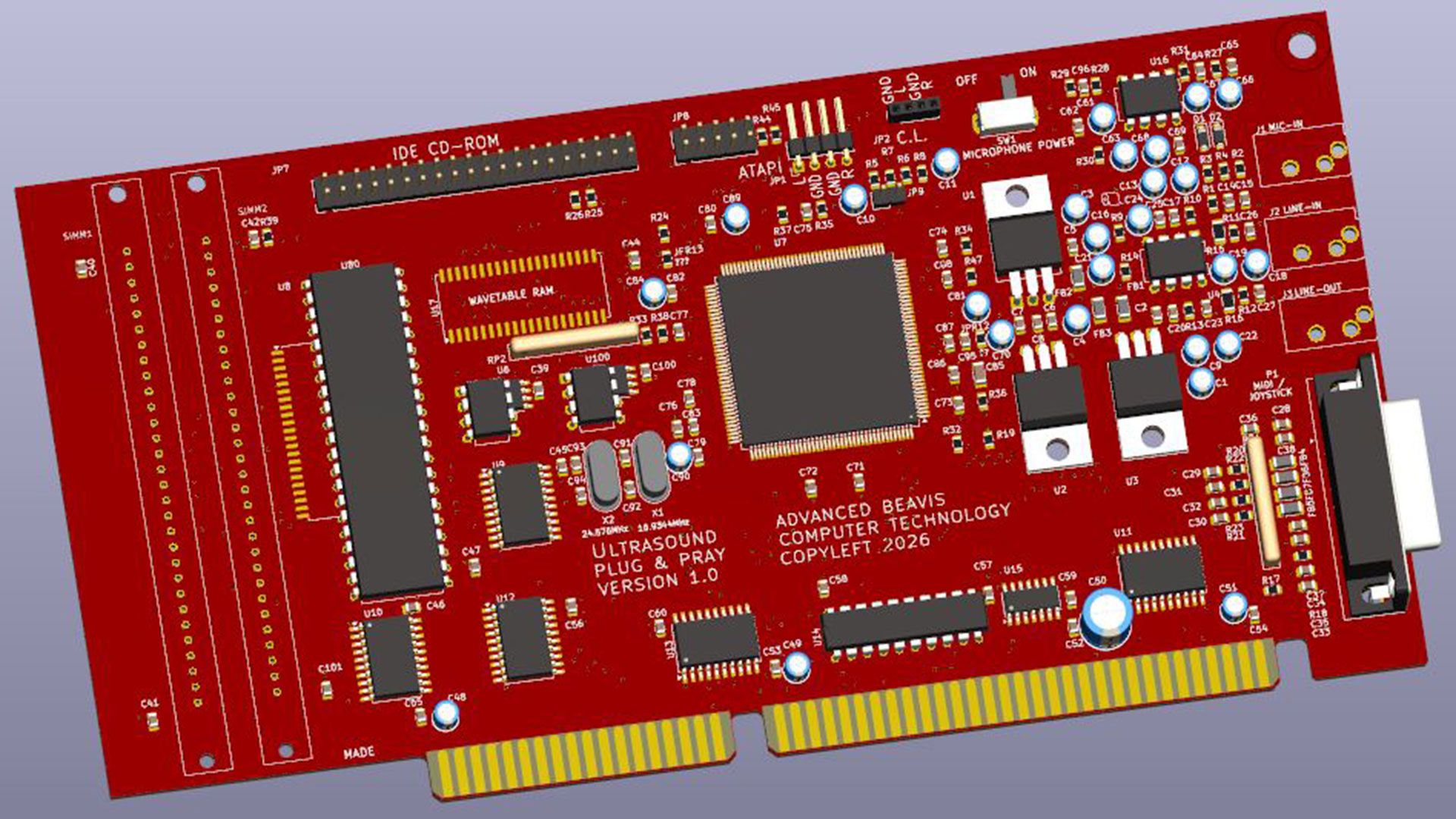
If LisaFPGA proves what open source FPGA can do for whole systems, the Beavis Ultrasound project makes an equally pointed case for KiCad schematic design. Developer schlae has published a full remake of the Gravis Ultrasound Plug‑and‑Play ISA sound card, including complete KiCad schematics, PCB layout, sample ROM, and reverse‑engineered GAL logic that brings back the original IDE CD‑ROM interface. Unlike many partial clones, this one exposes the entire schematic and the GAL source code, which means every logic decision on the board can be understood, verified, and changed by others. This is hardware preservation as open literature, not opaque artifact. The price is authenticity’s Achilles heel: builders must source an old AMD AM78C201 InterWave chip, and even then the creator warns they have not fabricated or tested the board, so anyone who assembles it does so at their own risk.
Why Open Boards Beat Black-Box Emulation
Vintage computer emulation has given many classics a second life in software, from Lisa emulators with public source code to browser-based recreations of old graphical interfaces. Software emulation is valuable, but it stops at the HDMI port or browser tab. Open hardware recreation goes further: it preserves pinouts, timing quirks, and expansion buses that software alone cannot reproduce. That is why some sound‑card fans prefer a faithful hardware‑level reproduction like Beavis Ultrasound over microcontroller‑based approximations, even though DIY options such as PicoGUS emulate Gravis‑compatible audio in software and avoid rare chips entirely. The choice is political as much as technical. Open boards invite inspection, modification, and long‑term repair; closed commercial recreations and black‑box emulators do not. When full CAD files and schematics are published, a project can outlive any single vendor or maintainer.
Democratizing Classic Platforms With Open Toolchains
The pattern across these projects is clear: open toolchains are democratizing hardware preservation. LisaFPGA uses open source FPGA design to rebuild an entire workstation that is almost impossible to obtain in working condition, while sharing enough detail that others can iterate on unfinished features such as ESP32‑based floppy emulation and Twiggy drive support. Beavis Ultrasound packages a whole sound card in KiCad, down to the GAL equations, so any motivated builder can fabricate a board, tweak the layout, or design a variant. According to one report, “unlike other clones, this design includes the entire schematic as well as the reverse-engineered source code of the GAL”. The next step should be obvious: more communities treating classic machines not as relics but as open platforms. When we have the HDL, the schematics, and the layout, vintage computer emulation stops being a stopgap and becomes a gateway back to real, living hardware.