
Native integration: from nice-to-have to the core of professional workflows
Native camera integration in post‑processing software means RAW file support, color profiles, lens corrections, and tethering are purpose‑built for specific camera models, so files open directly, render accurately, and connect reliably without conversion tools or fragile workarounds that slow professional workflows and increase the risk of errors.
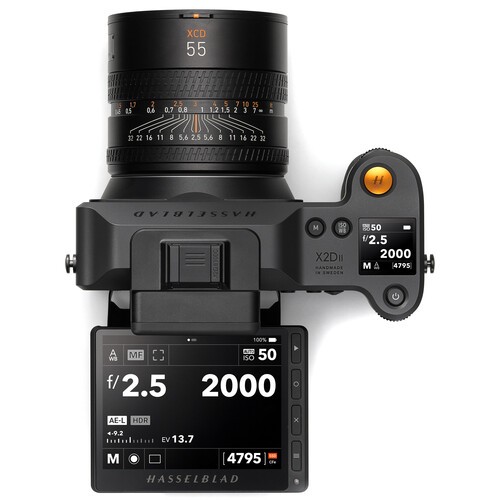
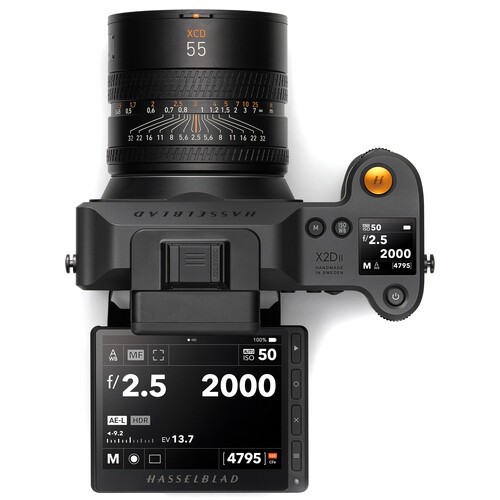
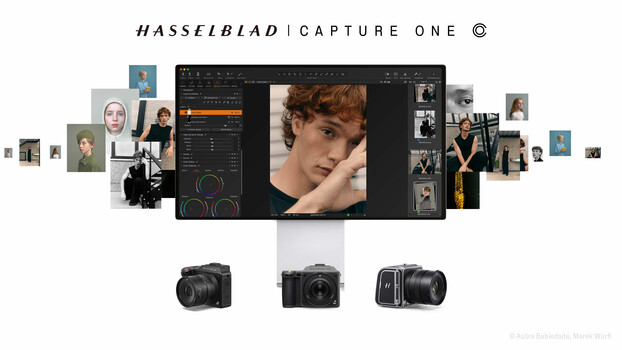
That shift is no longer theoretical. On July 2, Hasselblad and Capture One confirmed that Hasselblad’s .3FR RAW files now open natively in Capture One, with dedicated color profiles for the X2D II 100C, X2D 100C, and CFV 100C, plus lens profiles for 19 XCD lenses. At the same time, second‑generation wireless tethering for Canon’s EOS R1 and EOS R5 Mark II jumped from desktop to Capture One Mobile, promising speeds that “feel as fast as wired” and editable RAW previews in under a second. These are not isolated feature drops; they signal a deeper trend in camera software integration. The new battleground is no longer who has the sharpest lens, but whose files move from shutter press to collaborative review with the least friction.
Hasselblad in Capture One: RAW file support without the tax
For years, Hasselblad shooters paid a hidden tax in time. They captured on one system, then hopped through converters or parallel apps to get their .3FR files into their preferred editor. With native RAW file support in Capture One, that tax disappears. Those 100‑megapixel, 16‑bit medium‑format files now land straight in a pipeline tuned for them. No more exporting TIFFs, no more broken metadata, no more color surprises when a job crosses teams or machines.
Technically, this is about more than opening a file. Capture One offers support for more than 550 cameras, but the company only claims support for bodies it has physically tested, with hand‑built profiles. For Hasselblad, that effort produced dedicated profiles for each X2D‑generation model and their lenses, so color, dynamic range, and distortion behave the way photographers expect across the entire editing and tethering stack. The payoff is workflow, not marketing: mixed‑system studios can keep Hasselblad alongside other brands in a single catalog and a single grading environment, instead of juggling islands of compatibility every time a brief calls for medium format.
Wireless tethering hits the threshold where professionals say yes
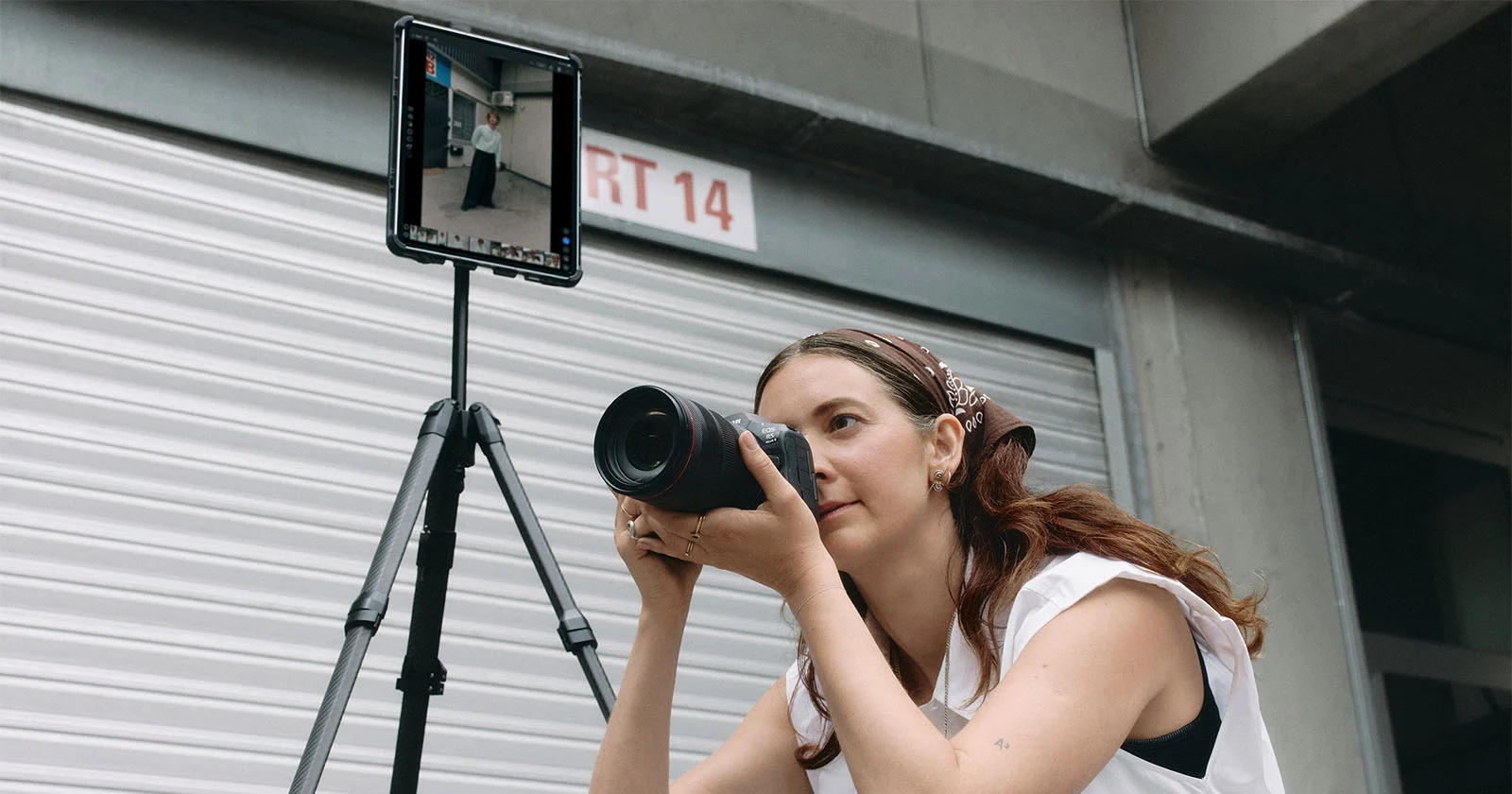
Wireless tethering has long been a promise that failed on contact with real jobs. Lag of 20 seconds per frame made it useless for fast-paced teams, so professionals stayed chained to USB cables. Capture One’s second‑generation wireless tethering for Canon’s EOS R1 and EOS R5 Mark II on desktop started to change that in late May, and bringing the same engine to Capture One Mobile on July 15 pushes it into everyday professional workflows.
Now, an editable RAW file appears on a mobile device in under a second, with full‑resolution data following in the background and edits carried 1:1. The feature runs over local Wi‑Fi, not the cloud, and reconnects automatically if the signal drops, with no image loss. In practice, this wipes out two major hardware barriers. First, the cable itself: photographers can move through the studio without dragging a tether across set or around talent. Second, the workstation: on‑set review and client presentations can happen on an iPad or phone held right in front of the art director, instead of crowding around a single computer. Wireless tethering stops being a novelty and becomes a practical tool for professional workflows.
Camera profiling: decades of engineering hiding behind one RAW click
What looks like “.3FR now supported” in a changelog masks years of color science work. Capture One’s image pipeline is shaped by engineers like Niels Knudsen, who has spent 33 years developing the software’s image quality and color profiling approach. Quote: “He is the person who fundamentally developed the foundations of what you’d call today the image quality and the color profiles, the way we think about color science at Capture One”. That experience matters when new camera systems arrive.
Profiling a camera means shooting hundreds or thousands of frames in controlled setups, with identical objects, and then crafting profiles that represent colors as faithfully—and as pleasantly—as possible. The work goes beyond neutral accuracy: it defines how shadows open, how contrast feels when a slider moves, and how sensor data responds to every adjustment in a professional workflow. This is where camera software integration pays off at scale. When a studio edits thousands of images across multiple systems, consistent color and predictable metadata behavior are the difference between a one‑click sync and days of manual patchwork to make images match. The engineering hides behind a single RAW file opening, but its impact stretches across entire teams.
The new baseline: integrated tools that disappear into the shoot
The deeper story in these updates is philosophical: the best camera software integration is the kind that disappears. Capture One’s own goal is that photographers “almost forget they’re using” the software while files travel fast, reliably, and stably from camera to screen during long shoots with battery swaps and lens changes. For tethered workflows, the company frames the job as enabling teams to work together around a shared creative process, whether the files appear on a local screen, an iPad, or a cloud collaboration tool.
Native Hasselblad support and wireless Canon tethering are early signals of what that baseline will look like. RAW file support becomes assumed, not a research project. Wireless tethering becomes normal for on‑set review. Software compatibility stops dictating which camera a studio can afford to deploy on a job. Looking ahead, tethered capture for Hasselblad bodies is planned for later in 2026, and mobile tethering is already shipping in version 3.4.0. The direction is clear: professional workflows will be defined less by the camera in hand and more by how seamlessly that camera speaks to the tools and people around it.