
Top Pick: Why the Ryzen 7 7800X3D Still Wins
Ryzen 7700X3D vs 7800X3D is the key decision for AM5 budget gaming processor buyers who want the best X3D gaming CPU value and must balance price, cache-heavy 3D V-Cache performance, and long-term platform costs in a single purchase.
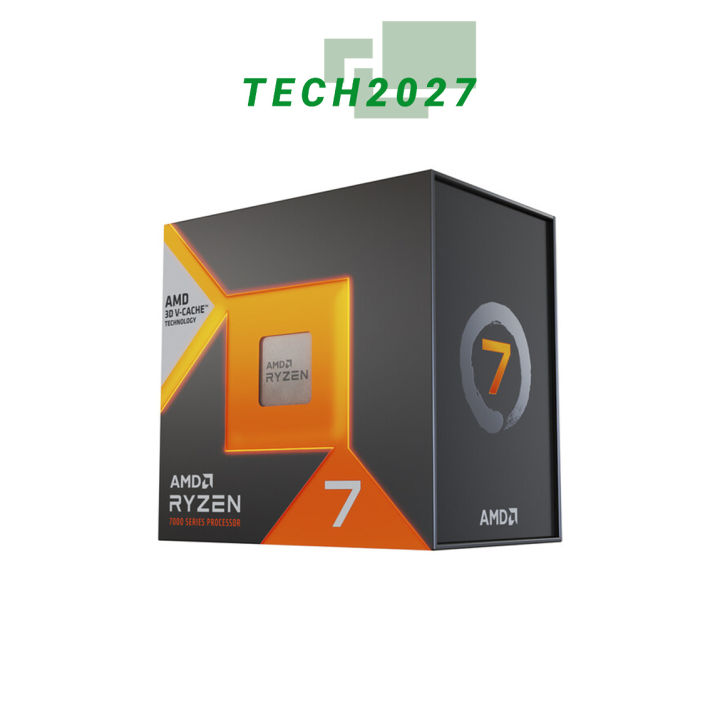
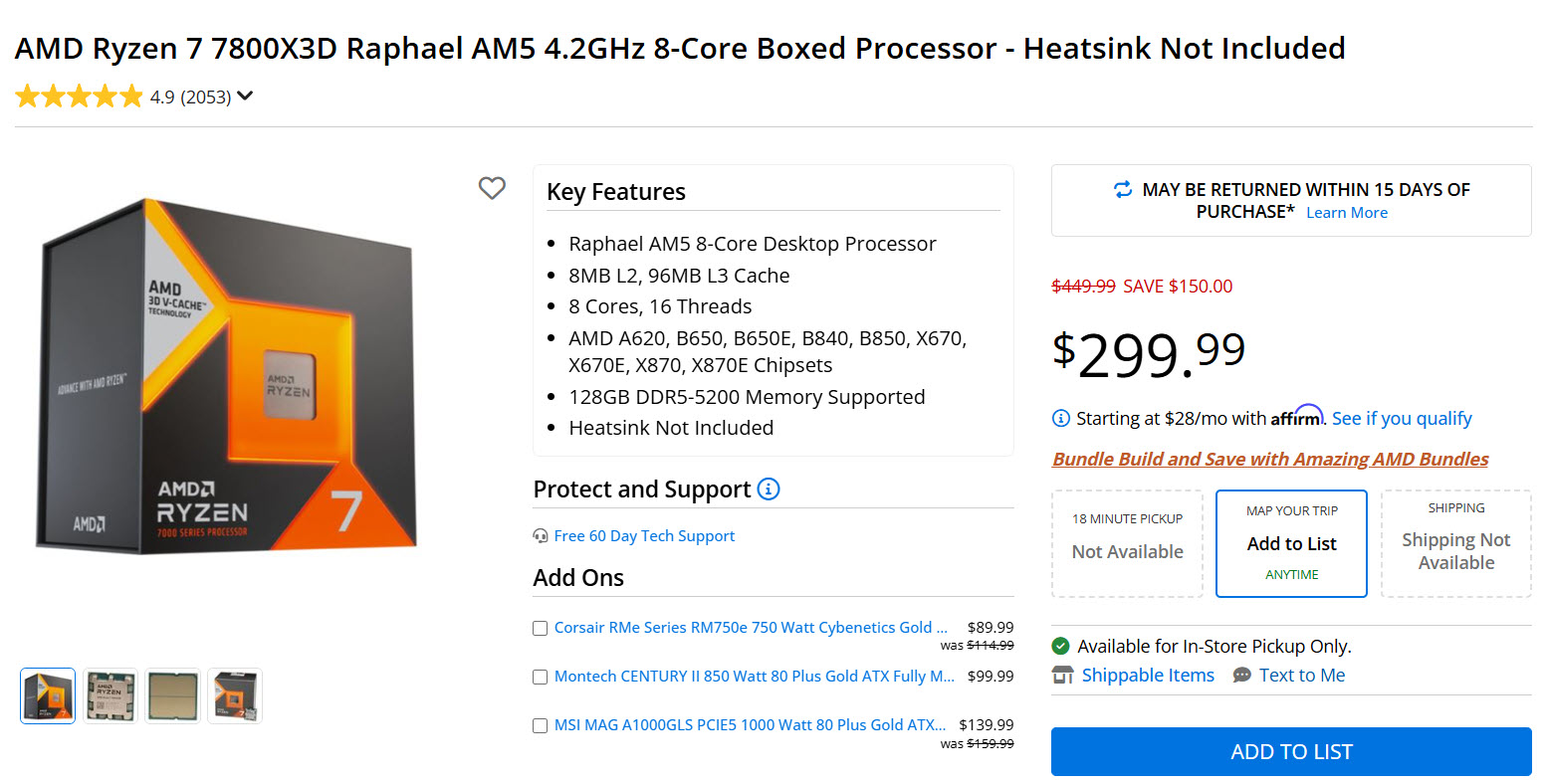
If you are buying an 8-core X3D gaming chip for AM5 today and both are on the shelf, the Ryzen 7 7800X3D at USD 299 (approx. ₱16,800) is the clear recommendation. It is cheaper than the Ryzen 7 7700X3D at USD 329 (approx. ₱18,500), while matching it on cores, threads, and 96MB of 3D V-Cache. Analysts expect the 7700X3D to land only a few percentage points slower than the 7800X3D in games, but price decides this match-up: the faster chip costs less. In other words, “the CPU can be yours for USD 299 (approx. ₱16,800) … which makes it cheaper than the upcoming Ryzen 7 7700X3D.” Unless local availability is skewed, the 7800X3D is the smarter buy for most gamers.
3D V-Cache Performance and Why X3D Beats Non-X3D
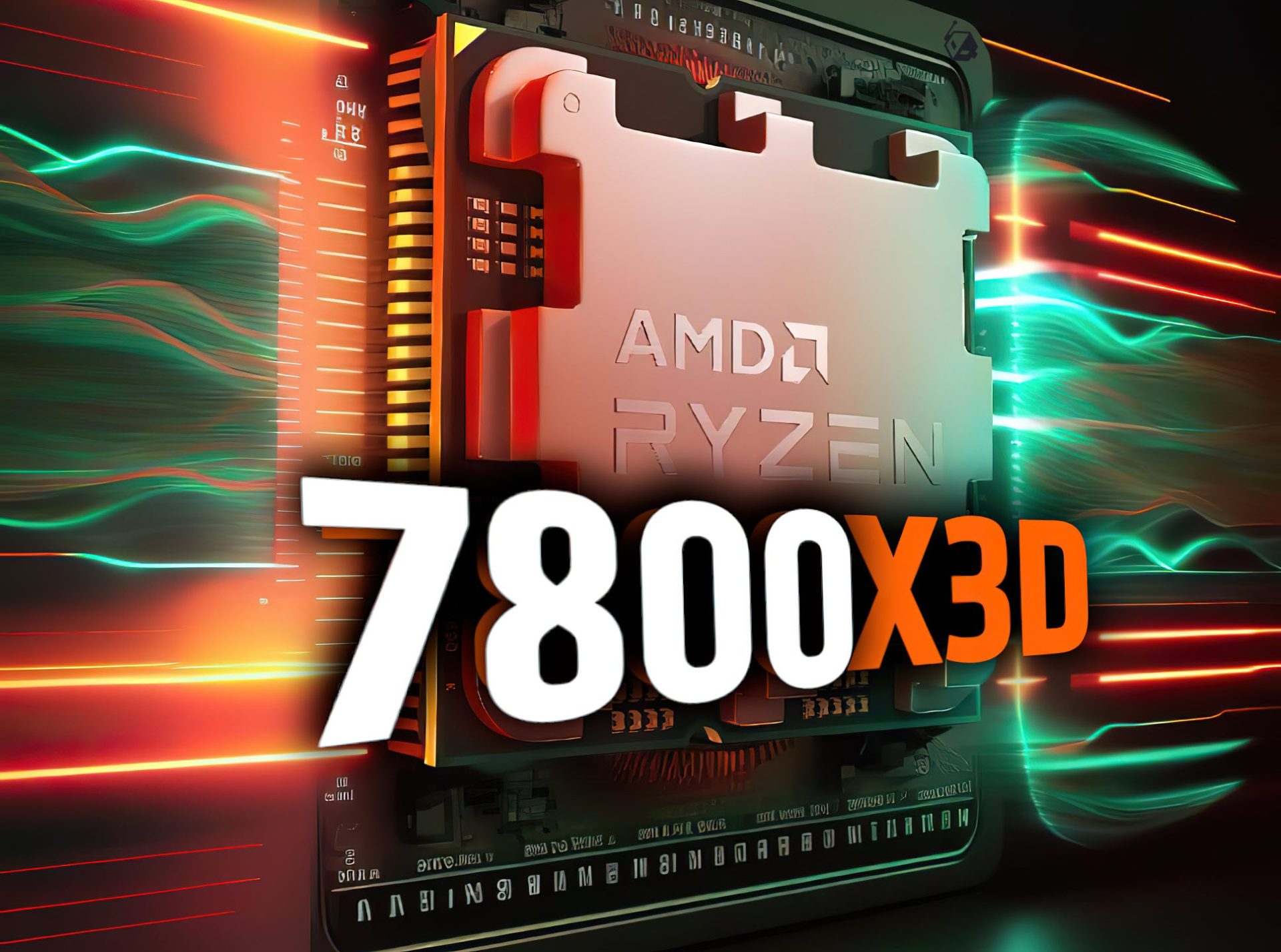
Both the Ryzen 7 7700X3D and 7800X3D exist for one reason: 3D V-Cache performance. Standard Zen 4 chips ship with 32MB of L3 cache per compute chiplet, but X3D models bond an extra 64MB SRAM die on top, creating a unified 96MB L3 pool. On-die L3 cache sits at roughly 49 CPU cycles of latency, while DDR5 memory responds around 354 cycles, five to seven times slower. Modern games thrive on this extra cache because physics, AI, and draw calls often fit inside 96MB, avoiding slow trips to system RAM.
Third-party benchmarks consistently place AMD X3D chips 15–25% ahead of comparable Intel gaming CPUs, with gains up to 30% in simulation and strategy titles. The key point: cache hit rate, not clock speed, dominates gaming frame rates on these parts. Even better, X3D designs are unusually tolerant of slower or cheaper DDR5; historical testing on a 7800X3D showed only about a seven-FPS gap between standard and premium DDR5 in a demanding 1080p title, which helps offset high memory prices. If you are on a non-X3D Ryzen 7000 chip, either 8-core X3D upgrade brings a major step up in gaming.
Ryzen 7700X3D vs 7800X3D: Specs, Value, and Who Each Is For
| Spec | Ryzen 7 7700X3D | Ryzen 7 7800X3D |
|---|---|---|
| Architecture / Socket | Zen 4, AM5, 8C/16T, 120W TDP | Zen 4, AM5, 8C/16T, 120W TDP |
| Base / Boost Clock | 4.0 GHz / 4.5 GHz | 4.2 GHz / 5.0 GHz |
| L3 + L2 Cache | 96MB L3 (104MB total incl. L2) | 96MB L3 + 8MB L2 |
| 3D V-Cache Gen | First-generation stack over cores (locked multiplier) | Second-generation design with improved thermals |
| Current Price | USD 329 (approx. ₱18,500) | USD 299 (approx. ₱16,800) |
Both chips target the same AM5 platform, use eight Zen 4 cores and 16 threads, share a 120W TDP, and carry identical 96MB stacks of 3D V-Cache. The main difference is clock speed: the Ryzen 7 7700X3D tops out at 4.5 GHz while the 7800X3D boosts to 5.0 GHz, a 500 MHz gap that analysts expect to translate into roughly a 5% average gaming advantage for the 7800X3D. However, that gap is smaller than the price spread today, because the 7700X3D sits at USD 329 (approx. ₱18,500) while the 7800X3D is available for USD 299 (approx. ₱16,800).
Gamers building a first AM5 system on a mid-range budget find the 7700X3D compelling because it is the cheapest globally available entry point into eight-core X3D gaming on AM5. Existing AM5 users on non-X3D Ryzen 7000 chips gain a drop-in upgrade with eight cores and 96MB L3 that outperforms higher-clocked non-X3D parts. But the 7800X3D’s second-generation 3D V-Cache design and higher clocks give it a small performance edge, and at USD 299 (approx. ₱16,800), it undercuts the newer chip, making it the better overall value for most gamers.

Total Platform Cost, DDR5 Prices, and Long-Term AM5 Value
Choosing between these X3D gaming CPUs means thinking beyond the processor. Both chips live on the AM5 platform, which only accepts DDR5, and DDR5 prices have climbed to roughly four times their 2025 floor, with no relief expected before around 2028. A 32GB DDR5-6000 kit that once sold under USD 100 now costs USD 390–440 (approx. ₱21,900–₱24,700), a huge factor for anyone switching from an older platform. Gamers on older sockets must budget for an AM5 motherboard plus expensive DDR5, making total platform cost much higher than the CPU price alone suggests.
The good news is that X3D’s cache-heavy design softens the blow of slower RAM. Historical benchmarks showed only around seven average FPS difference between standard and premium DDR5 on a 7800X3D system in a demanding 1080p game. That means you can pair either CPU with more affordable DDR5 without losing much performance. Meanwhile, AMD’s extended AM5 platform commitment adds long-term value to any purchase: you can start with a Ryzen 7 7800X3D or 7700X3D now and still have an upgrade path later. For most buyers, the best move is clear: put more of the budget into a 7800X3D and a decent GPU, then save on RAM speed.
Buy if / Skip if
- Buy the Ryzen 7 7800X3D if you want the best X3D gaming CPU value today, since it is faster yet cheaper at USD 299 (approx. ₱16,800) than the 7700X3D.
- Skip the Ryzen 7 7800X3D if local pricing erases its cost advantage over the 7700X3D and you can only find it well above USD 299 (approx. ₱16,800).
- Buy the Ryzen 7 7700X3D if it is significantly discounted where you live and undercuts the 7800X3D while still giving you eight cores and 96MB 3D V-Cache.
- Skip the Ryzen 7 7700X3D if both chips cost the same, because the 7800X3D’s higher 5.0 GHz boost clock delivers a small but real gaming edge.
- Buy the Ryzen 7 7800X3D if you already own an AM5 board and DDR5 and want a drop-in upgrade that can outperform higher-clocked non-X3D CPUs in games.
- Skip the Ryzen 7 7800X3D if you rarely game and run mostly CPU-heavy productivity work, where 3D V-Cache’s gaming focus brings less benefit than more cores or higher clocks.
- Buy the Ryzen 7 7700X3D if you are sensitive to DDR5 prices and plan to pair the chip with more modest RAM, since X3D’s cache makes it less dependent on premium memory.
- Skip the Ryzen 7 7700X3D if you expect to overclock heavily, because first-generation X3D designs lock the multiplier and cap clocks at 4.5 GHz.