
A Wave of Proton and SteamOS Fixes That Actually Matter
Proton Experimental fixes and new SteamOS gaming compatibility updates are recent software changes from Valve that restore broken games, improve visual features like HDR and FSR, and prevent crashes and blank screens for players using Linux-based systems and the Steam Deck, expanding the number of titles that are playable and stable after disruptive upstream patches and OS changes. This latest round of updates is not a quiet maintenance cycle; it is a direct response to highly visible frustrations where major online titles and smaller engine-driven games became unplayable overnight after their own patches. Valve’s decision to move quickly says something important: Linux gaming updates are no longer an afterthought, they are part of a living platform that must keep up with live-service games and visual tech. Steam Deck game fixes are now headline features, not side notes, and that’s exactly how it should be.
Proton Experimental: Saving Diablo IV, Marvel Rivals and RPGMaker Games
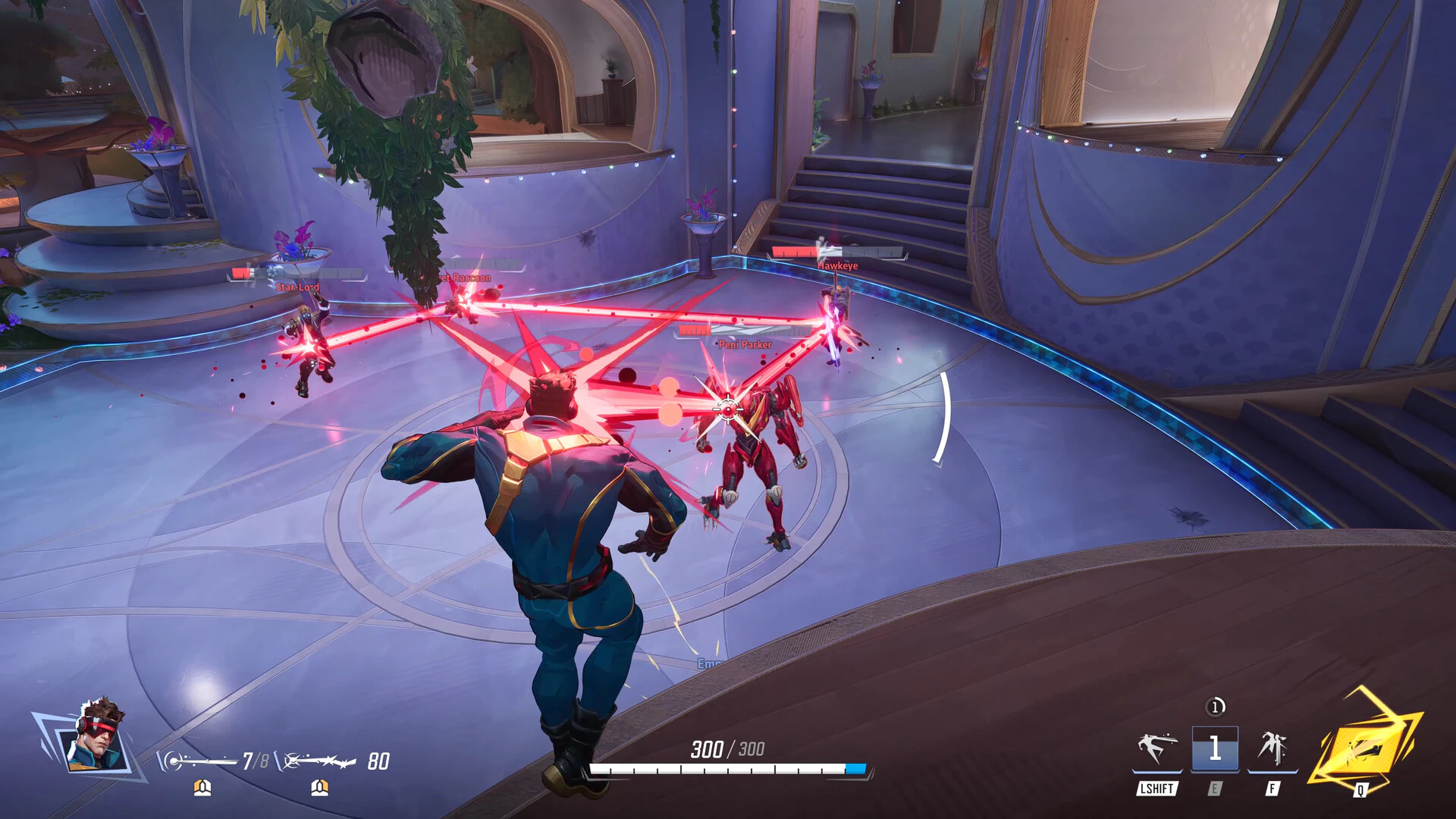
The July 15 Proton Experimental update is the clearest sign that Valve treats Windows-game support on Linux as a first-class problem, not a hobby project. When a recent Diablo IV patch stopped the game from being playable and Marvel Rivals began crashing, Valve shipped Proton Experimental fixes that directly target those breakages. At the same time, RPGMaker Engine games that froze after being minimized inside gamescope were corrected, along with issues like sprites not rendering in Zombie Estate 2 and audio cutting out in Touhou Danmaku Kagura Phantasia Lost. Heroes of the Three Kingdoms 7 is now explicitly marked as playable, and earlier Proton 11 regressions were rolled back so The Coma 3: Bloodlines and the Elite Dangerous HUD Mod work again. According to Valve’s changelog, Proton 11 is the latest stable version, with Proton Experimental acting as the testing ground for incoming improvements. For players, this means the "broken after update" fear is being met with fast, targeted responses.
Most importantly, these Proton Experimental fixes reinforce the idea that Linux gaming updates are becoming routine survival tools in the age of live-service titles. Diablo IV and Marvel Rivals are not niche projects; when they stop working, it undermines confidence in Steam Deck and Linux as viable gaming platforms. By capturing previous hotfix work for those games into Proton Experimental, Valve makes it easier for ordinary players to stay on a single, up-to-date Proton build and keep playing, instead of juggling multiple compatibility layers. You can install any version of Proton by searching for "Proton" in your Steam Library, which turns what used to be a tinkerer’s task into a simple choice for anyone who wants their games to run reliably. There are still titles blocked by anti-cheat, but this update shows that when Valve can fix something, it tends to do so quickly.
SteamOS 3.8.15: HDR and FSR Fixes That Change Daily Play
On the operating system side, Valve released new SteamOS stable and beta updates with meaningful Steam Deck game fixes rather than cosmetic tweaks. In the stable update, HDR can now be enabled in Assassin’s Creed Black Flag Resynced, and degraded performance tied to composition when using FSR has been resolved. The beta channel, meanwhile, adds a fix for delayed start times in some Proton games when no capture device is present, though its own FSR-related performance issue has not yet been fixed. As the changelog notes, that degraded performance problem is fixed in the latest SteamOS stable release 3.8.15, and affected users are advised to switch to the stable update channel while Valve works on bringing the same fix to beta. This is exactly the kind of clear guidance Linux players need: pick stability when performance is on the line, and test beta when you care more about earlier access to upcoming changes.
From a user’s point of view, these SteamOS gaming compatibility updates are surprisingly straightforward to adopt. You can download the updates in System Settings on the Steam Deck, with the stable build available on any update channel and the beta gated behind the Beta or Preview options. The core message is simple: if you care about HDR in Black Flag Resynced and want FSR without a performance tax, the 3.8.15 stable release is the safer choice. If you need the beta’s specific Proton startup fix, be prepared to accept that its FSR degradation remains a known issue for now. This split between stable and beta is healthy; it treats Steam Deck owners as capable of picking the trade-offs they prefer, instead of forcing everyone into one monolithic update with hidden downsides.
Blank Screens, Rollbacks, and the Cost of Fast Progress
Rapid updates always risk collateral damage, and Valve’s latest SteamOS patches show both the problem and the course correction. After SteamOS 3.8.15 fixed HDR in Assassin’s Creed Black Flag Resynced, some titles began displaying a blank screen, forcing Valve to push a small follow-up SteamOS update that reverted the offending change. In practical terms, that means the HDR fix has been moved to the beta branch while the root cause is investigated, and the blank screen issue is removed from the stable experience. You can grab this small update in Steam Deck System Settings by checking for updates, the same way you install any other OS patch. This is an imperfect but sensible response: when a visual feature fix risks making games unplayable, stability must win, and experimental features belong in beta where players know they are opting into potential problems.
Some will complain that having to move to the beta branch to keep HDR in Black Flag Resynced feels like a step backwards, and they are not wrong. But the alternative—leaving blank screen crashes in the main release—would have been far worse. The rollback shows how Valve is balancing ambition with caution: HDR and FSR improvements are desirable, but not at the cost of basic usability. More importantly, this episode highlights why clear communication about known issues and channel differences matters. Players now understand that the stable channel should be the default for reliable play, while the beta channel is where advanced features and unresolved trade-offs live. In a world where every OS tweak can break a popular game, this kind of transparent, reversible approach is not optional; it is the backbone of trust in SteamOS.
A Growing, Playable Library for Steam Deck and Linux
Taken together, these Proton Experimental fixes and SteamOS updates mark a quiet but important inflection point for Linux gaming updates. The playable library is not expanding through marketing claims; it is expanding through concrete problem-solving. Heroes of the Three Kingdoms 7 is now listed as playable, The Coma 3: Bloodlines is playable again, and previously broken heavy-hitters like Diablo IV have been pulled back from the brink of "not playable" status after their own updates broke compatibility. Marvel Rivals no longer crashes under Proton Experimental, and niche engines like RPGMaker behave better when minimized in gamescope. On the OS side, HDR and FSR behavior is steadily improving on the Steam Deck, even if it requires some short-term juggling between stable and beta channels. These are not theoretical gains; they are hours of uninterrupted gaming restored to thousands of players.
The bigger story is philosophical. Valve is treating Proton and SteamOS as living infrastructure for Steam Deck game fixes rather than static one-off projects. You can install Proton versions directly from your Steam Library and switch OS channels from deck settings, which hands control back to players instead of hiding it behind technical barriers. Anti-cheat restrictions will continue to block some games, and only publishers can remove those obstacles. But each time a Diablo IV or Marvel Rivals update breaks and is then fixed on Linux within days, it sends a message: this platform is worth supporting, and its users will not be abandoned when things go wrong. For anyone who has watched Linux gaming from the sidelines, these updates are not minor patch notes; they are proof that the ecosystem is maturing into something you can depend on every day.