
Intel 18A Yield: From Struggling Node to Competitive Weapon
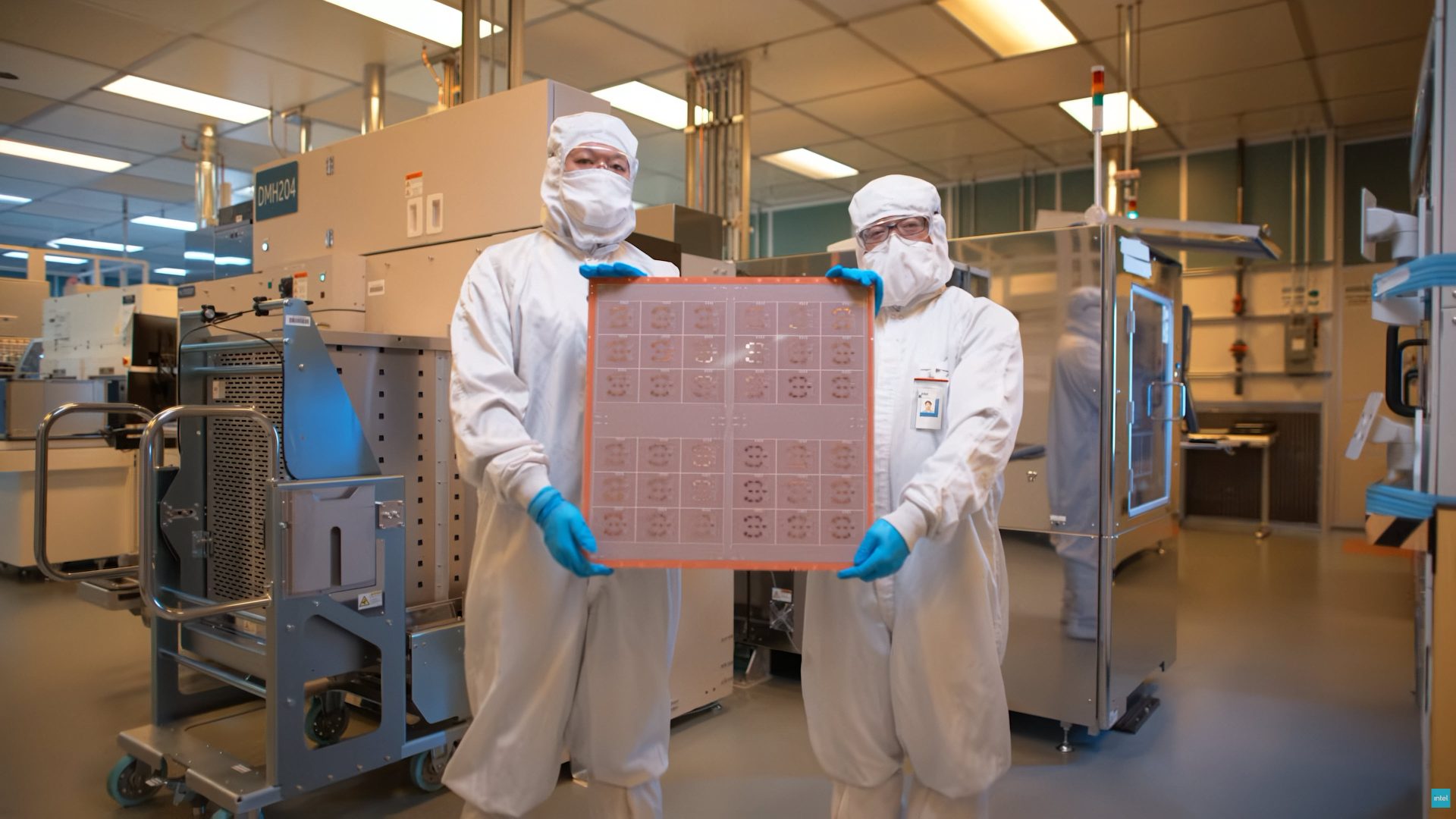
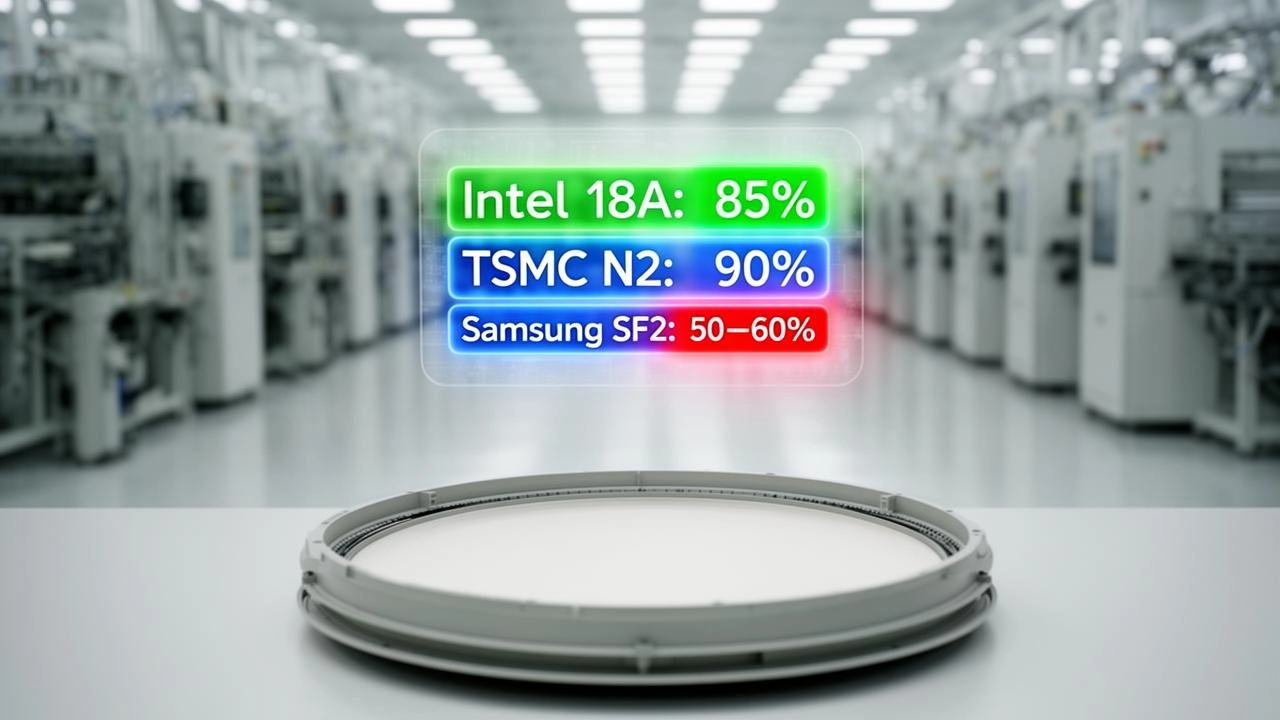
Intel 18A yield refers to the percentage of usable chips produced on Intel’s 18A process node, and its recent jump from 65% to 85% has turned this once-questioned technology into a credible competitor in advanced semiconductor manufacturing and process node competition. That single statistic is the heart of Intel’s manufacturing comeback story. A node that was an internal headache is now close to the 90% yield level of TSMC’s N2 process and far ahead of Samsung’s SF2 at 50%–60%. This matters because yields are not a side metric; they decide whether a process is economically viable. At 65%, 18A was a risky bet for external customers and for Intel’s own CPUs. At 85%, with TSMC’s advanced capacity constrained, 18A becomes a practical second source for high-volume designs. KeyBanc’s decision to significantly raise its price target for Intel from 110 to 155 underscores how transformative this yield swing looks to investors. Intel’s foundry process is no longer a future promise; it is now a live option the industry has to take seriously.
Design Wins from AMD, NVIDIA, OpenAI: Validation from Intel’s Rivals
The clearest sign that Intel Foundry is back is not the yield chart; it is the customer list. According to a report from KeyBanc Capital Markets, Intel has won wafer foundry design orders on its Intel 18A and 14A nodes from AMD, NVIDIA, Marvell, Microsoft, Micron, and OpenAI, alongside Apple for low-end M-series processors. In other words, rivals that once depended almost entirely on TSMC are now willing to entrust leading-edge designs to Intel’s foundry process. These wins validate that Intel 18A yield levels are not just theoretically competitive but trusted enough for real CPU, GPU, memory, and AI accelerator roadmaps. They also expose how fragile single-supplier reliance has become. With TSMC unable to meet all bleeding-edge demand, fabless companies need a second manufacturing pillar, and Intel is positioning itself as that alternative. This is a strategic shift: Intel is not only competing with TSMC; it is also becoming the foundry partner for its traditional chip rivals. That would have been unthinkable when 18A struggled, and it shows how much the manufacturing narrative has changed.
EMIB at 98% Yield: Packaging Becomes a Differentiator, Not a Catch-Up Game
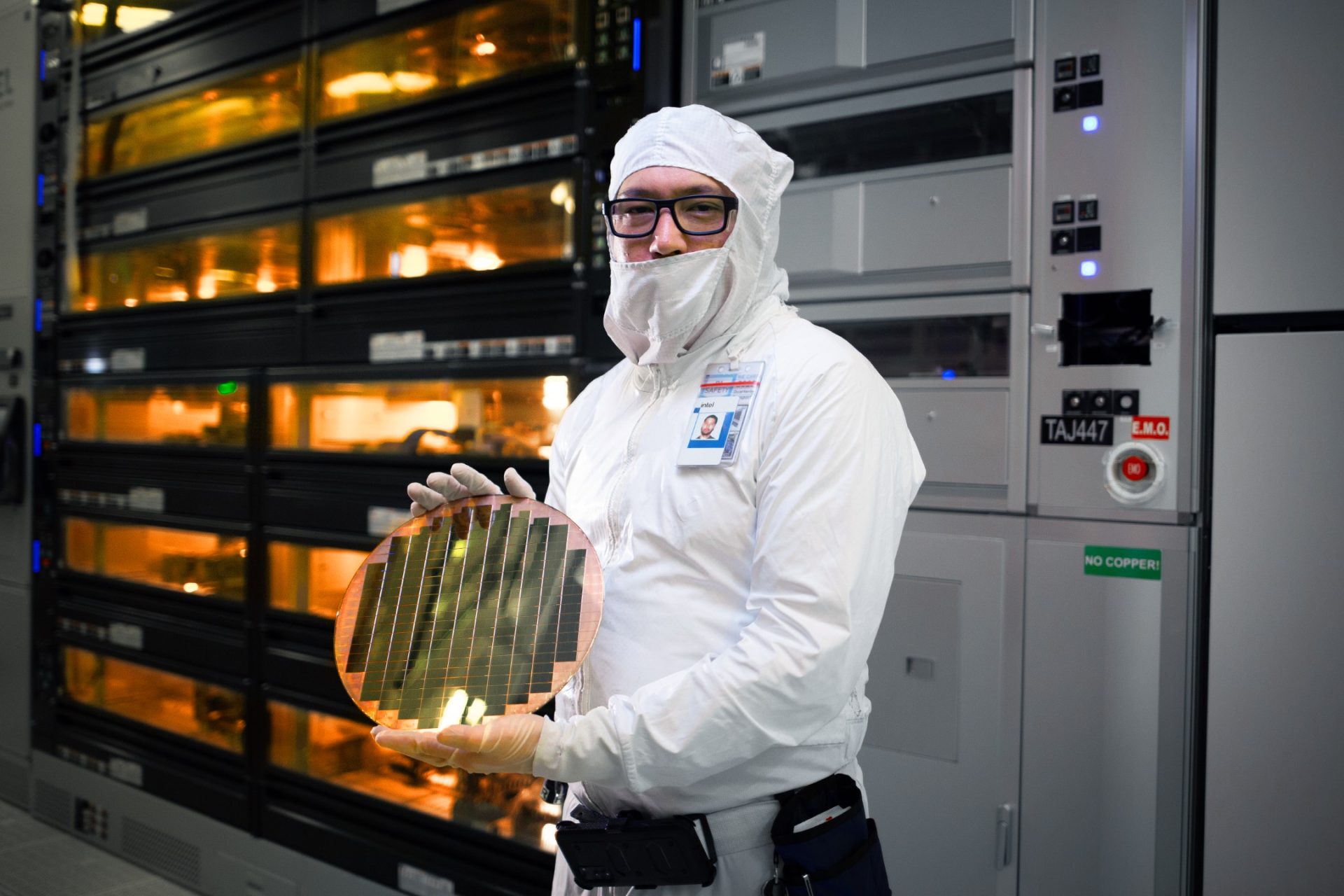
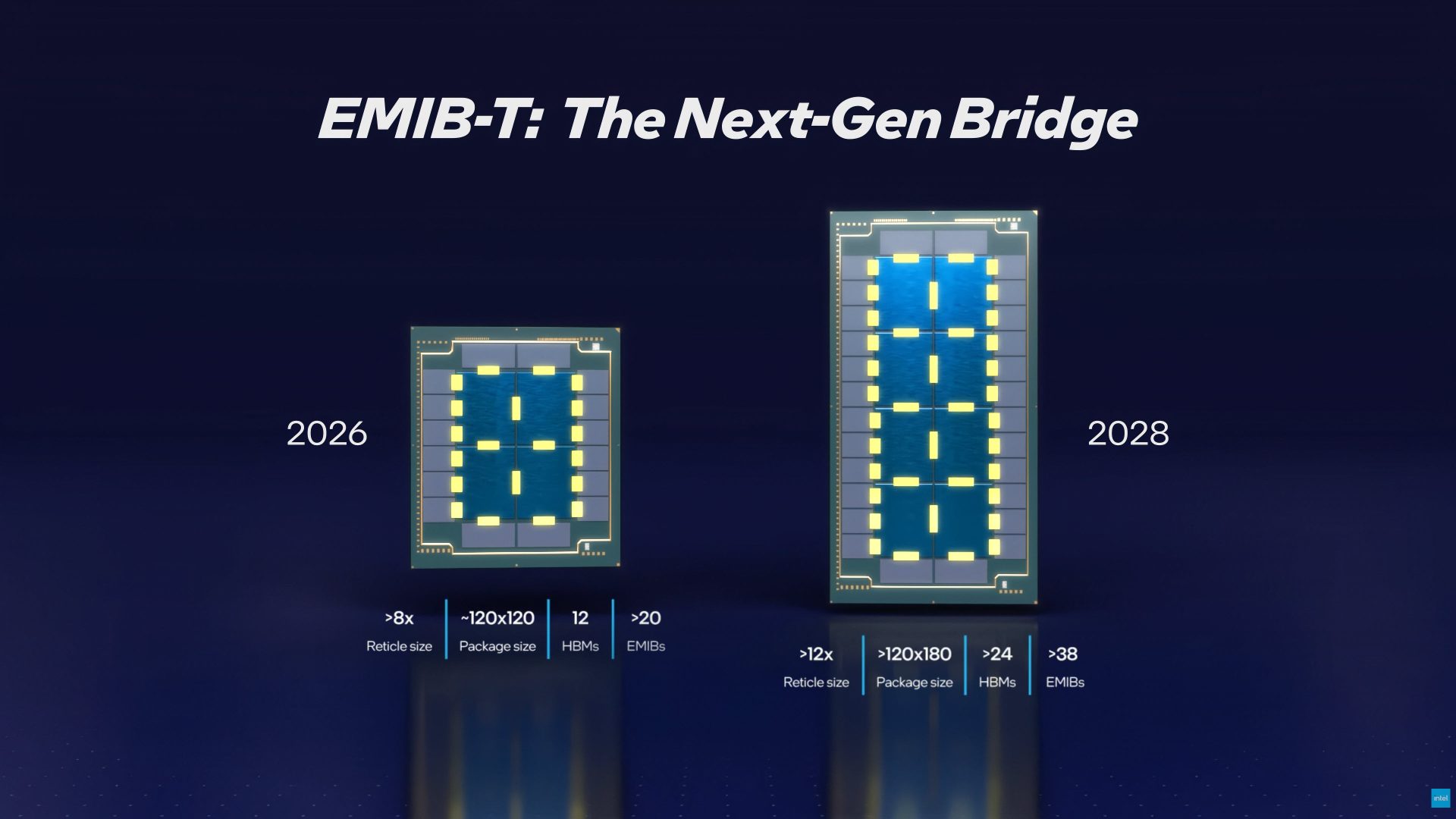
Advanced nodes alone do not win process node competition; packaging does. Here, Intel’s Embedded Multi-die Interconnect Bridge (EMIB) is turning into a quiet advantage. The KeyBanc report notes that EMIB-T yield has climbed from 90% to 98%, effectively matching the 98%–99% yield range reported for TSMC’s CoWoS. Reaching that level is not a cosmetic milestone. The last few yield percentage points in complex packaging are the hardest and determine whether multi-die designs can ship at scale. EMIB has been in mass production since 2017 with both Intel and external silicon, and EMIB-T now adds TSVs to the bridge while EMIB-M optimizes efficiency. A 98% yield on EMIB-T shows that Intel’s manufacturing capability extends beyond a single node; it spans the multi-node, multi-chip systems that define AI and high-performance computing. With TSMC’s CoWoS facing supply constraints and a transition to CoPoS fan-out panel-level packaging, EMIB gives designers a more confident alternative and supports large, complex packages such as Nvidia’s Feynman GPU, Google’s TPU HumuFish, and AWS’s Trainium 3.
Internal Repatriation and Capacity Expansion: Intel Bets on Itself
Yield breakthroughs only matter if they change behavior. Intel’s treatment of its own Nova Lake desktop processors shows that they already have. When 18A performance optimization was uncertain, Intel planned to outsource about 60%–70% of Nova Lake dies to TSMC. Now, with 18A yield at 85%, Intel intends to bring 80%–90% of those die orders back into its own foundry. That is a bold bet on its manufacturing resilience and a direct signal to customers that Intel trusts its own Intel 18A yield for high-volume, flagship products. Analysts see two drivers: TSMC’s rising competitive concern has led to less favorable N2 pricing for Intel and limited technical support on Nova Lake optimizations. At the same time, demand for agentic AI is surging, pushing Intel to expand capacity on 18A and Intel 3, increasing some wafer equipment orders by 30%–40%. If Intel executes this expansion while holding yields near current levels, it threatens TSMC’s practical monopoly on advanced semiconductor manufacturing capacity and rewrites the risk calculus for any company planning a next-generation chip.
Next Nodes and Packaging Roadmaps: Intel’s Long Game in Process Competition
The most important question is whether Intel’s current yield performance is a peak or a baseline. The roadmap suggests it is a starting point. Intel 18A has already entered volume ramp, while 18A-P is in risk production and the 14A node is slated for risk production in 2028 with volume in 2029. KeyBanc notes that defect density control for 14A is already better than for 18A, with mass production expected in the second half of 2028. If that holds, Intel could move from “competitive alternative” to “co-leading node supplier” within one more generation. On the packaging side, Intel is planning glass substrate routes at its Rio Rancho facility, described as a “Glass Substrate Crown Jewel,” using EMIB bridges to enable more and larger reticle dies in cost-optimized configurations. Together, advanced nodes and high-yield packaging form a system-level foundry offering. The open question is not whether Intel can match TSMC on one metric, but whether it can sustain this performance long enough to change customer default choices. Given current yields, design wins, and capacity plans, the process node competition is now a two-way race—and for the first time in years, Intel looks equipped to stay in it.