
The Quiet Rebellion of Going Back to Older Gear
Photographers returning to DSLRs and legacy mirrorless cameras are rejecting feature overload and rediscovering the pleasure of using older camera gear that demands skill, rewards intention, and keeps the focus on composition and storytelling rather than on ever-escalating specifications and AI-assisted automation. DSLR photography today exists in the shadow of mirrorless hype, yet many experienced shooters are pulling well-loved bodies off the shelf and finding that the old tools still deliver everything they need. The key takeaway is blunt: newer isn’t automatically better for your craft; newer is only better for your craving for novelty. That realization is driving a quiet but meaningful shift back to cameras that feel like partners, not like self-aware machines eager to make every decision for you.
DSLR Photography Today: Capability Without the Noise
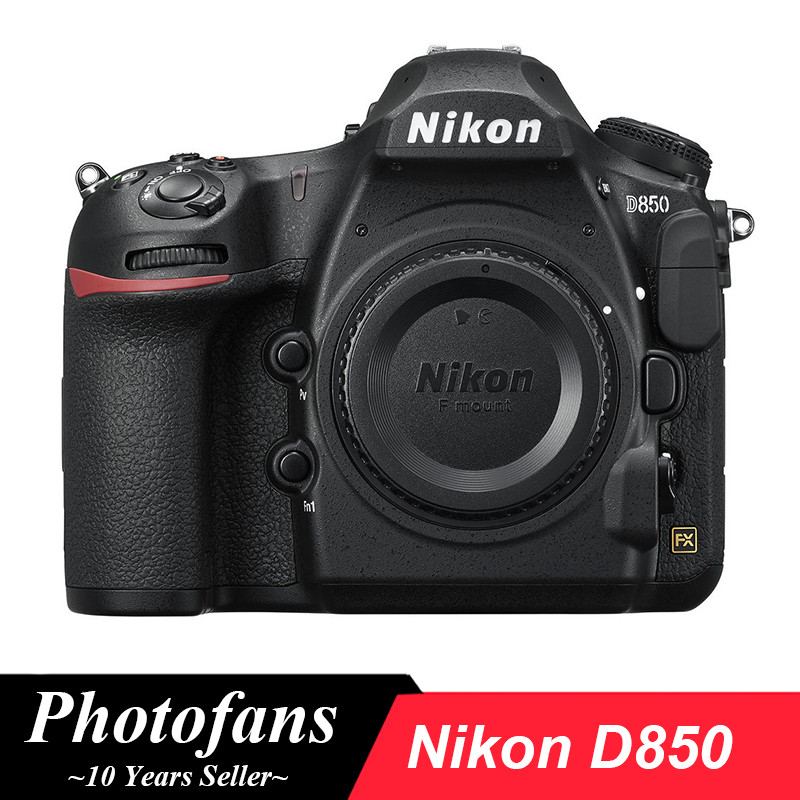
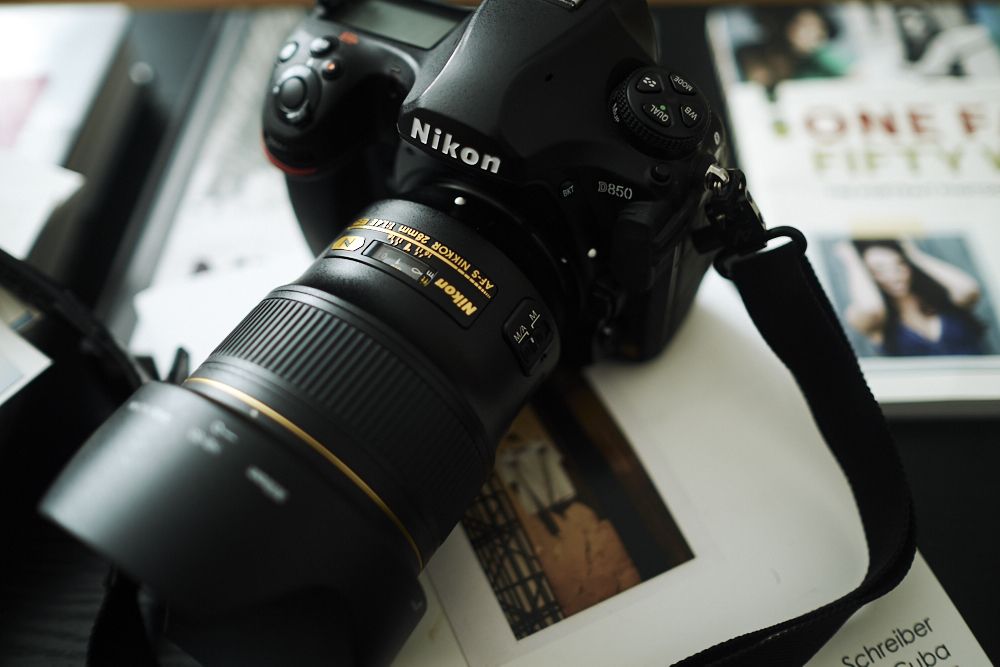
On the day a feature-packed Sony a7R VI launched, with its bigger viewfinder pitched to low‑vision photographers and AI-assisted autofocus systems, a seasoned photographer was busy proving a different point: he did not need it. Half a year earlier, he had bought a Nikon D850 because he was tired of feeling like modern cameras were doing all the work for him. That decision is emblematic of DSLR photography today. Despite being overshadowed, DSLRs remain nearly as capable as modern mirrorless bodies in real-world use. Sure, there are gains in megapixels, AI subject detection, and computational noise reduction, but the core photographic experience has barely changed. When you stop relying on exposure previews, face and animal detection, and blistering frame rates, you are forced to engage your eye and judgment again. That friction is not a bug; it is where craft lives.
The X-Pro 3 and the Joy of Legacy Mirrorless Cameras
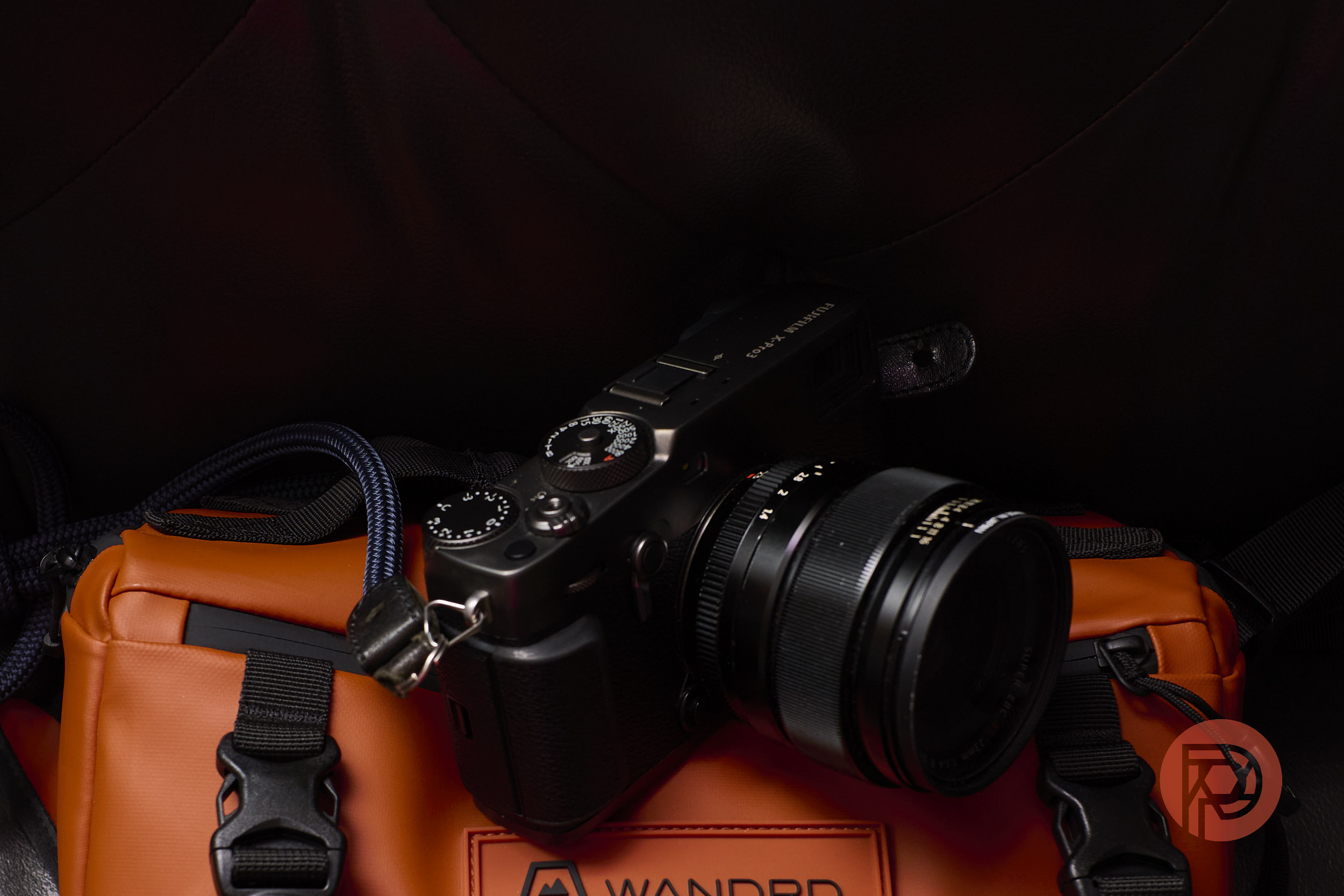
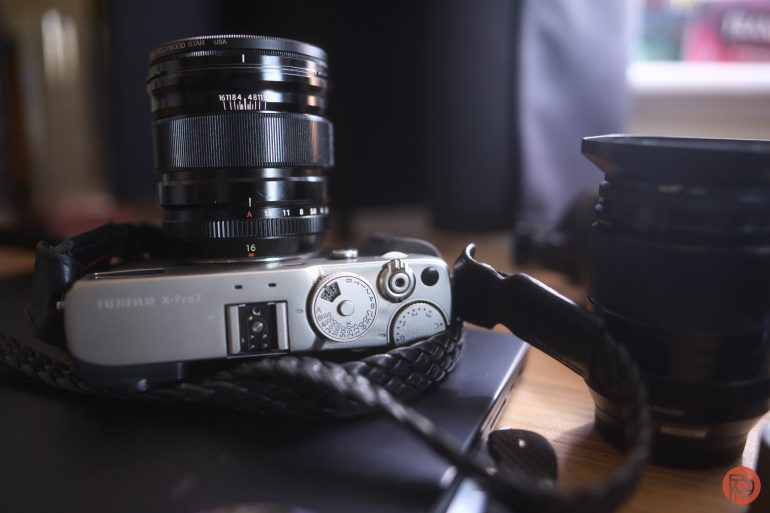
Legacy mirrorless cameras like the Fujifilm X-Pro 3 are thriving in this backlash against over‑automation. One photographer returned to using the X-Pro 3 as his only camera and was reminded how much joy it brings him. The fold‑away rear LCD that so many influencers criticized becomes, in use, a philosophy: hide distractions, shoot like you would with film, and stay in the moment. He even uses the screen as a waist‑level finder to blend into events and focus on telling the story in front of him rather than managing settings or drawing attention. Autofocus is, by modern standards, archaic; compared with cameras like the a7R VI, GFX100 II, and a7III, the X-Pro 3’s AF feels dated, especially without advanced subject detection. But by switching to single‑point focus, locking, and recomposing, the photographer finds accuracy and intentionality again. The camera becomes a process tool, not a performance spec sheet.
Older Camera Gear as an Antidote to Tech Overwhelm
Returning to older camera gear is often less about nostalgia and more about mental health for your creativity. One photographer openly admits he bought a Nikon D850 because he was sick of modern cameras doing the work for him. Another picked up the X-Pro 3 again after using bleeding‑edge bodies and discovered that the so‑called limitations—slow AF, a hidden screen—helped him focus on the process of making an image with no distractions before or after pressing the shutter. If you prefer to get your images as close to finished as possible in‑camera, the X-Pro 3 can produce flexible film simulations that often need no editing. At a community event, he documented scenes with the X-Pro 3 and could simply send a batch of JPEGs, no post‑production needed. In a world where software and hardware compete to automate every choice, those constraints feel liberating.

Familiar Tools, Stronger Stories
The bigger lesson behind this return to older systems is that the person behind the camera still matters more than the camera’s spec sheet. Established photographers are learning that proven, familiar gear lets them concentrate on storytelling and composition instead of chasing incremental innovations in shutter mechanisms, AF algorithms, or IP ratings. One writer bluntly notes that, over the last decade, manufacturers have mainly added computational features—AI autofocus, faster electronic shutters, live composite modes—rather than anything that fundamentally reshapes the craft. Another admits that the Fujifilm X-Pro 3 represents poor financial value today, having paid close to its USD 1,300 (approx. ₱73,000) MSRP in 2021 and then USD 1,500 (approx. ₱84,000) for a used body later, yet he is still happy with his decision because the camera keeps his attention on the story. That is the point: when gear stops shouting for attention, your images finally can.