
CXMT DDR5: High Speeds On Paper, Disappointing In Practice
CXMT DDR5 overclocking refers to attempts by PC builders to push CXMT-made DDR5 memory modules beyond their rated specifications through higher frequencies, voltage adjustments, and tighter timings, and current DDR5 performance testing shows that these modules not only resist typical overclocking techniques but also deliver worse results than competing DRAM at the same advertised speeds, raising concerns for enthusiasts who care about predictable tuning, efficiency, and silicon quality. CXMT began producing DDR5 in late 2025 without cutting-edge EUV lithography tools, and its chips now appear in kits from brands such as Kingbank, Lexar, Netac, Asgard, Gloaway and even well-known module vendors. Motherboard makers have updated BIOS support so CXMT DDR5 can run beyond 8,000 MT/s, with demonstrations up to around 8,600 MT/s on high-end boards. On the surface, that sounds impressive, but early testing shows the story for overclockers is far less flattering.
Voltage Walls And Weak Timing Tuning: Why CXMT DDR5 Feels Hostile To Overclockers
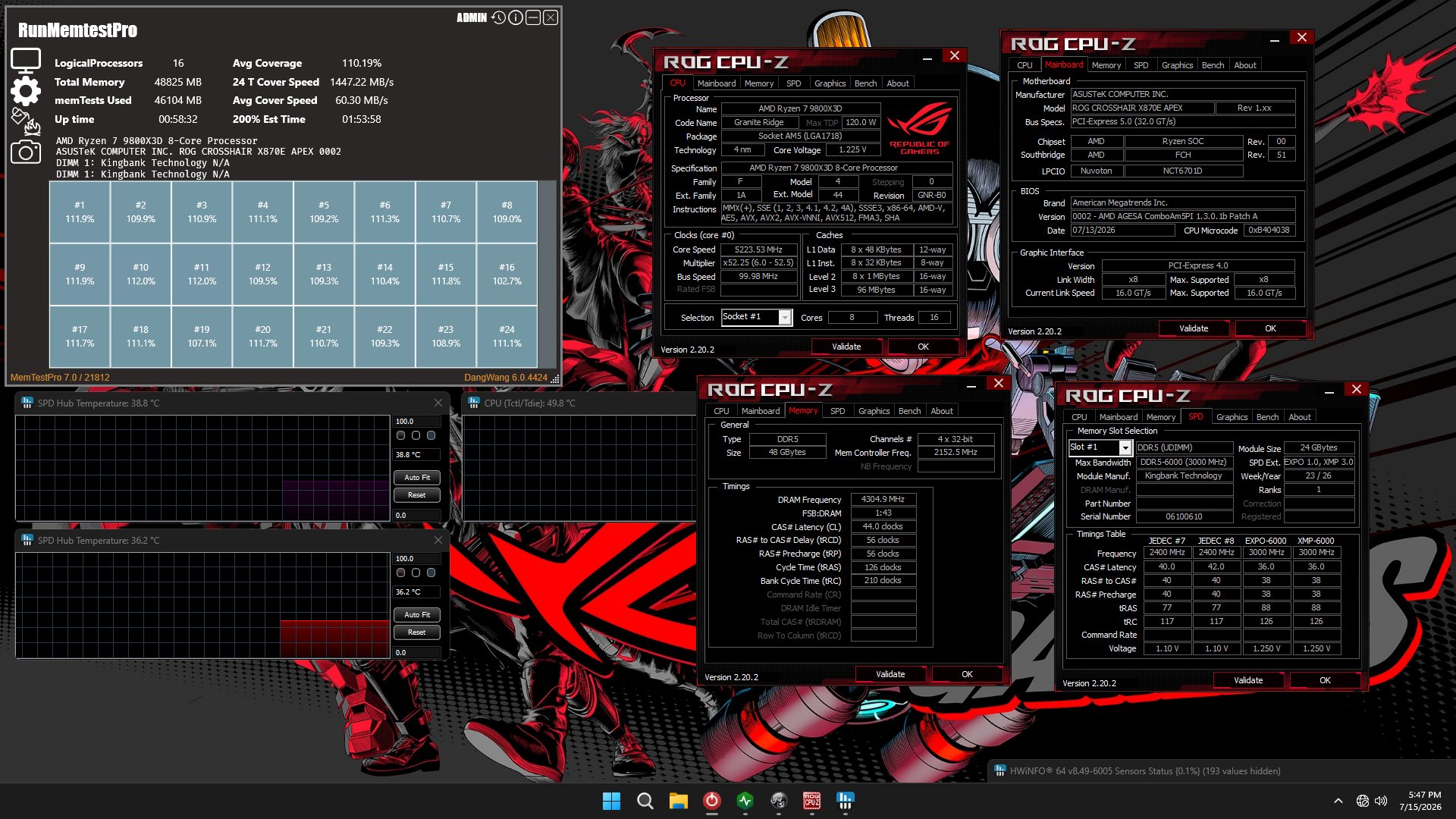
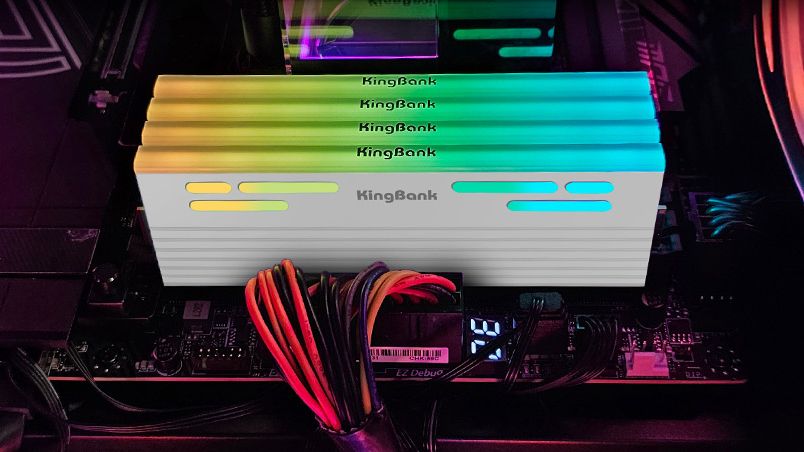
The key frustration with CXMT DDR5 overclocking is that the usual rules do not apply. Overclockers report that CXMT modules do not scale with voltage, so raising DRAM volts fails to unlock higher clocks or extra stability, unlike kits based on SK Hynix or other tier‑one dies. In a widely discussed test, a Kingbank 48 GB (2x24) DDR5‑6000 CL36 kit using CXMT 3 Gb dies on an ASUS high-end board reached 8,600 MT/s at CL44, but pushing more voltage offered no meaningful headroom. This is the opposite of what enthusiasts expect from performance memory, where incremental voltage often buys tighter timings or modest speed bumps. Worse, CXMT DDR5 does not respond well to tuning sub‑timings, leaving users stuck at baseline CAS latencies like CL34–CL36 rather than the aggressively optimized profiles common with SK Hynix-based kits. For anyone who enjoys dialing in efficiency, this behavior feels like hitting a hard wall.
Silicon Variance And Trailings At Equal Speeds
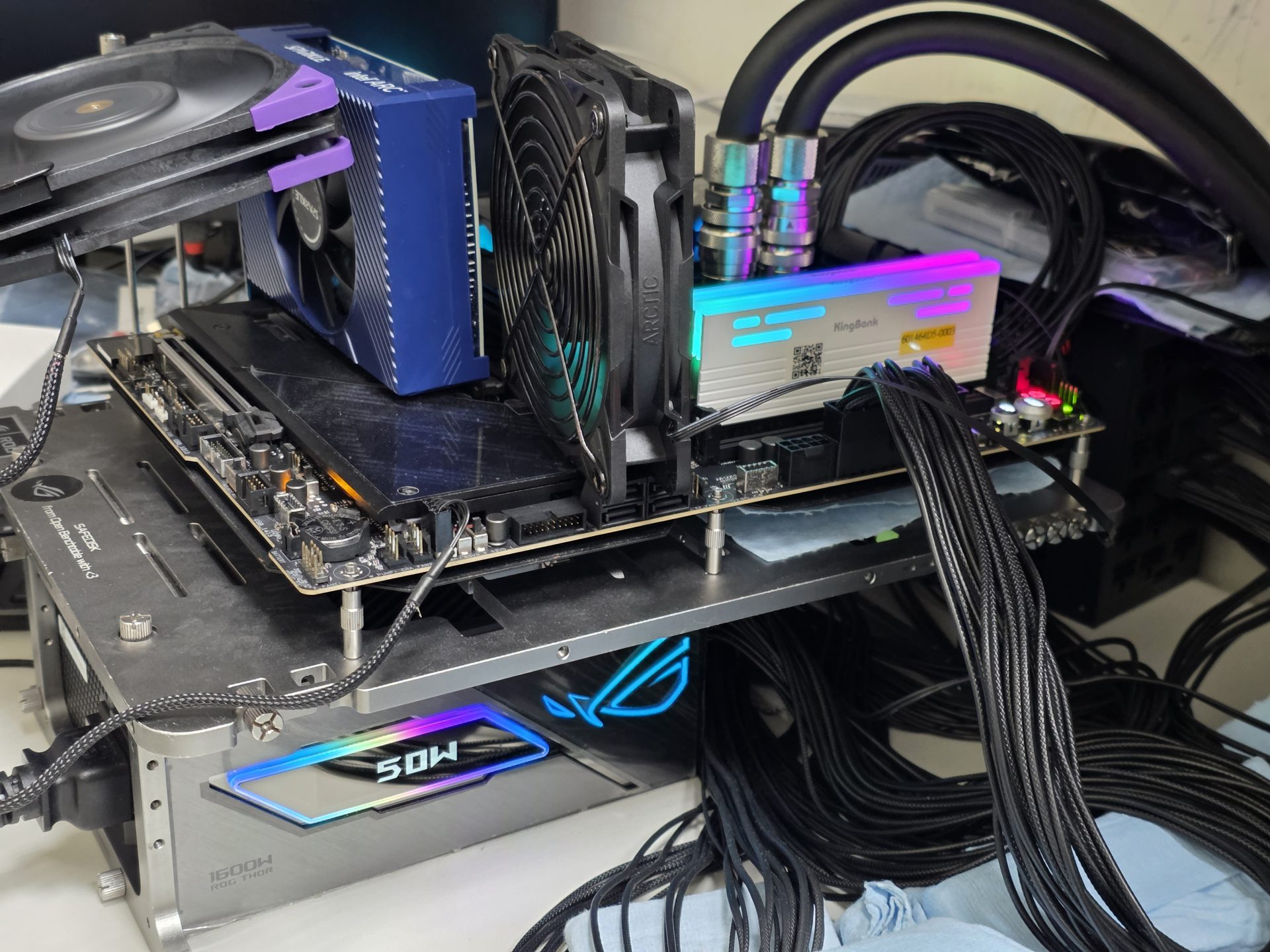
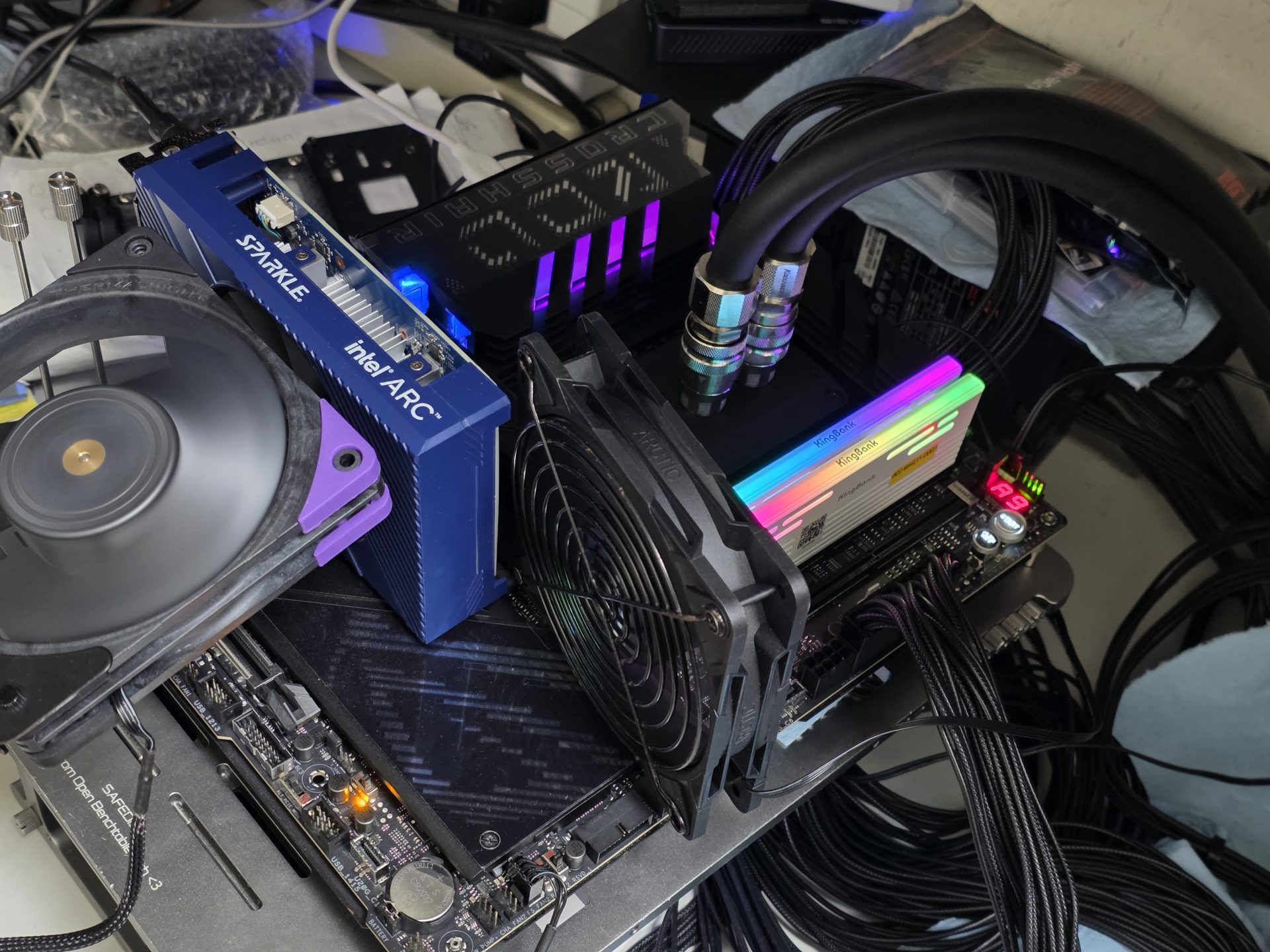
Even if you accept the voltage and timing limitations, the silicon story is unsettling. Early DDR5 performance testing from overclocker Safedisk, shared by Uniko’s Hardware, shows significant variance between CXMT batches. Different CXMT-equipped kits perform differently enough that the silicon lottery looms larger than with competitors, and overclockers describe the performance of individual dies as varying massively between DRAM batches. At the same nominal clock speeds, CXMT DDR5 modules deliver worse performance than similarly spec’d SK Hynix-based kits, despite sharing frequency and headline timings. That points toward deeper issues in die quality or manufacturing consistency, especially considering CXMT’s production ramp without state-of-the-art EUV tools. One quotable takeaway from enthusiasts is clear: “At identical speeds, CXMT DDR5 trails SK Hynix DDR5 DRAM, and batch-to-batch behavior makes manual tuning a gamble.”
Where CXMT DDR5 Fits Today: Mainstream Filler, Not Enthusiast Gear
To be fair, CXMT DDR5 is not useless—it is simply misaligned with enthusiast expectations. As SK Hynix, Samsung and Micron focus heavily on AI segments, CXMT’s advantage lies in supplying commodity DRAM to client markets during shortages, not in matching the overclocking prowess of overseas makers. Motherboard vendors have verified CXMT DDR5 with BIOS optimizations, letting OEMs such as Dell and HP deploy it in region-bound systems and enabling well-known module brands to ship large volumes of mainstream kits. According to Uniko’s Hardware, current CXMT DDR5 is “good for mainstream use, not so good for overclocking,” a summary that matches real-world tuning results. For everyday users running stock speeds, CXMT can fill a gap when other memory is hard to find. For builders chasing tight timings, voltage-assisted headroom and predictable silicon, CXMT is the wrong tool for the job—and feels like a step back in the DDR5 era.
What Enthusiasts Should Do Next
For performance-focused PC builders, the takeaway is blunt: treat CXMT DDR5 as volume filler, not as a platform for ambitious overclocks. If your priority is stable daily-use at XMP or EXPO speeds and you care more about having memory available than about squeezing every last nanosecond from timings, CXMT modules can be acceptable, especially as BIOS support matures above 8,000 MT/s. But if you build around SK Hynix or other established dies specifically to tune frequencies, tighten subtimings, and win the silicon lottery, CXMT DDR5 overclocking will disappoint you. The resistance to voltage scaling, inability to tighten timings, and large RAM silicon variance turn manual tuning into a gamble with weaker rewards. Until DDR5 memory comparison tests show CXMT closing the gap at identical speeds, enthusiasts should keep CXMT off their short list for performance builds and treat it as a stopgap, not a destination.