
The new $200 question: can a pocket cube replace your rig?
Ultra-compact pocket cameras are tiny, sensor-based video and photo devices that slip into a pocket, aim at vloggers and travelers, and promise stabilized 4K or HD capture without the bulk, weight, or complexity of traditional mirrorless setups. This new class of cameras tries to deliver a lightweight camera setup and usable travel filmmaking gear for creators who care more about convenience and spontaneity than about owning a full-size system. The real debate is not whether they are fun; it is whether a compact pocket camera undercuts the need to carry a larger body, lenses, and support gear for mobile and travel content workflows.
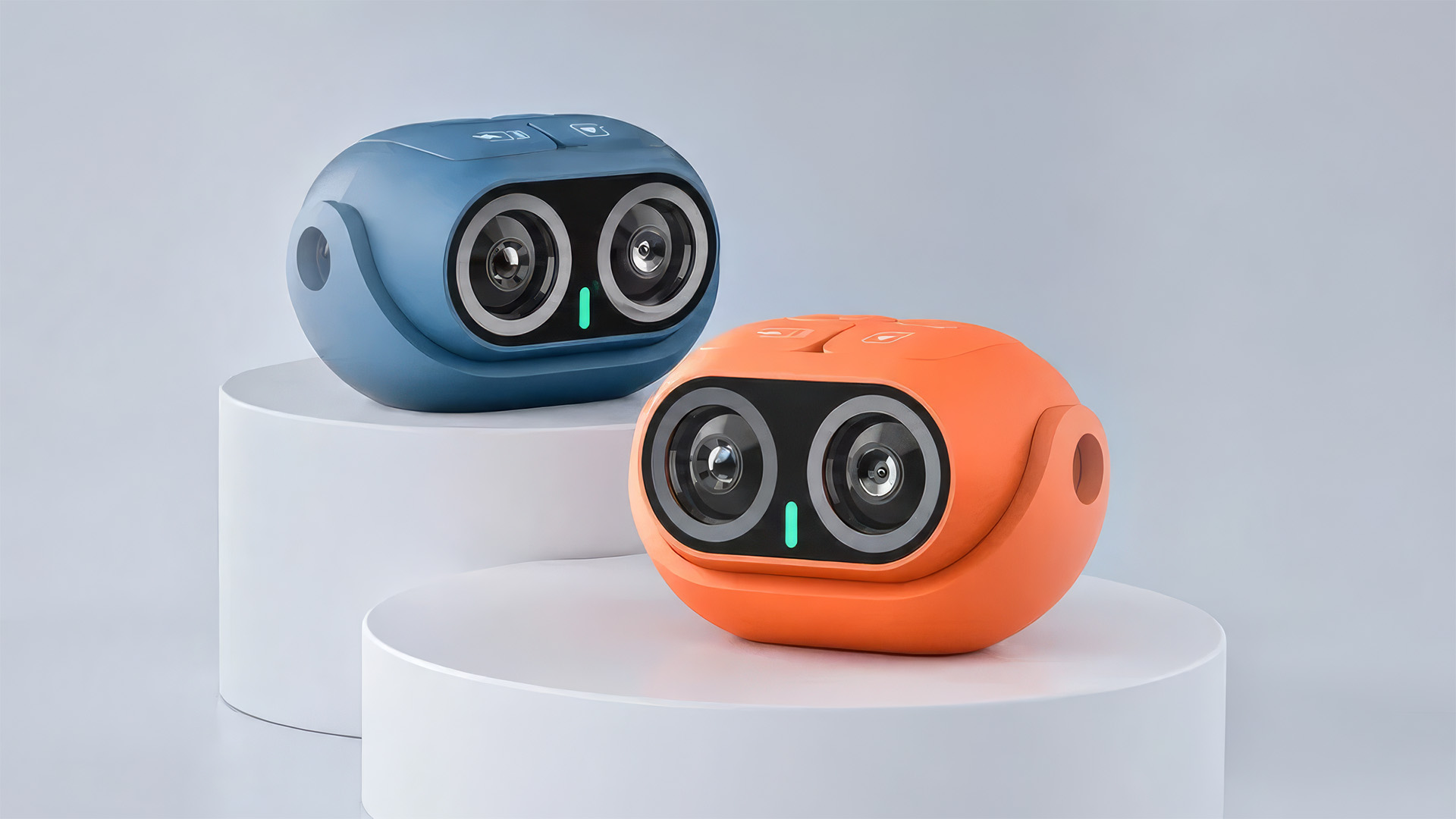
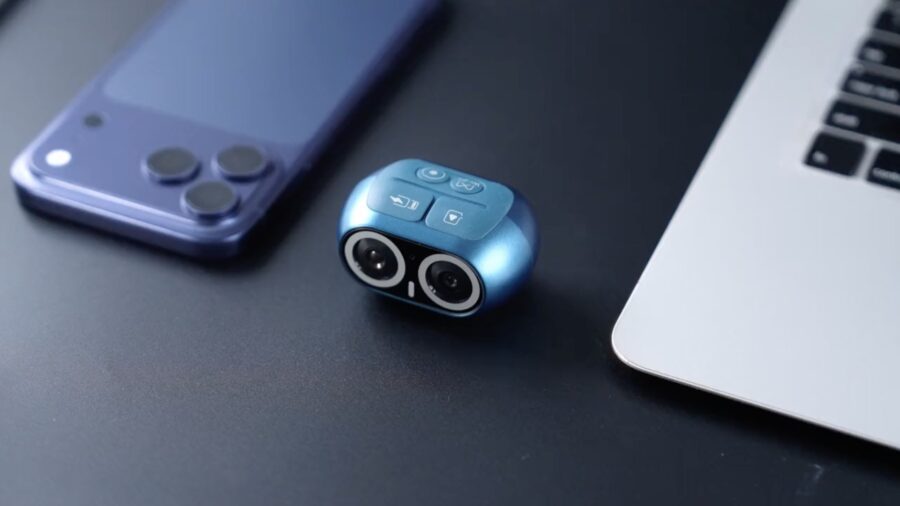
TriLife’s AulGo pocket camera is the sharpest example of this shift: it launched on Kickstarter promising 4K capture from a Sony IMX486 sensor, 6-axis electronic image stabilization, and five recording modes in a 56g body that costs a fraction of a gimbal-based pocket system. The campaign, which runs until July 15, 2026, blew past its funding goal and now sits many times above its original target. Early backers could secure the camera at USD 179 (approx. ₱10,000), with a Super Early Bird at USD 199 (approx. ₱11,100) and an Early Bird at USD 219 (approx. ₱12,200), all pitched against a claimed USD 358 (approx. ₱20,000) retail price for single units.
What AulGo and its peers actually change for filmmakers
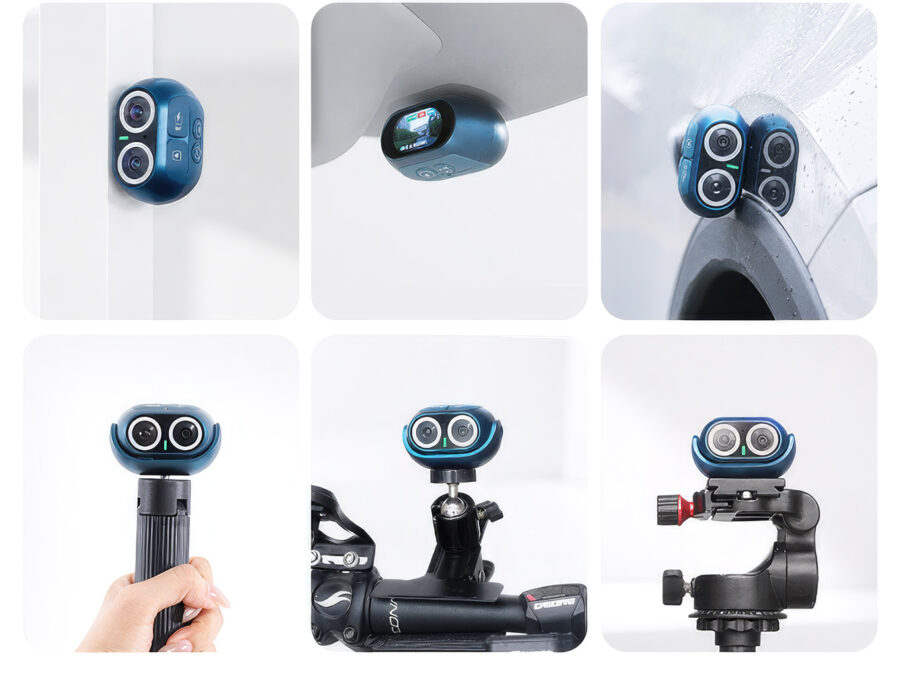
On paper, AulGo looks like the dream “B‑cam in your coin pocket” for budget-conscious filmmakers. TriLife sells it as an all‑in‑one recorder for vloggers, travelers, cyclists, and drivers who want a lightweight backup or loop‑recording dashcam. This kind of lightweight camera setup is the opposite of the traditional mirrorless rig with cage, handle, and tripod: you clip it, tap record, and stop worrying about balance or counterweights. The 6‑axis gyro-based EIS aims to smooth walking, cycling, or first‑person shots without a mechanical gimbal, cutting the cord to extra stabilizers and simplifying travel filmmaking gear.
The trade is that this convenience is tightly coupled to resolution and runtime. AulGo records 4K at 30fps only with stabilization off, dropping to 2K or 1080p at 60fps once EIS is enabled. That means you must choose: highest resolution for locked-off shots or stabilized but lower‑resolution footage when moving. Loop recording, which overwrites older clips as the card fills, supports car use and long surveillance-style capture, and the camera can record while connected to a charger. For road‑trip filmmakers, that turns a cheap pocket cube into a permanent witness camera that feeds B‑roll and safety footage without extra effort.
The hard ceiling: sensor size, optics and control
The real limitation for these under‑USD‑200 (approx. ₱11,100) devices is physics, not marketing. AulGo is built around a Sony IMX486, a 1/2.9‑inch class sensor with up to 12MP still capture. That chip is far smaller than the 1‑inch sensors in some pocket gimbal cameras or the 1/1.28‑inch chips in certain tiny action cameras. TriLife claims cleaner visuals, richer detail, and strong low‑light performance, but those are untested manufacturer promises; small sensors of this type usually struggle when the sun goes down, and the promotional clips do not yet count as independent proof. Anyone expecting full‑frame‑like latitude from a key‑fob‑sized block is setting themselves up for disappointment.
Lens quality and manual control are the other pain points. AulGo is a fixed‑lens box camera with no mechanical gimbal, which pushes it into wearable action‑cam territory rather than traditional interchangeable‑lens systems. You are locked into one field of view, one basic look, and minimal direct control over exposure. For many travel vloggers, that is acceptable: point, talk, and move on. For filmmakers who live on careful depth‑of‑field control, matched primes, and manual exposure, these compact pocket cameras are not replacements; they are supplements that cover the shots where rigging a larger camera would cost time, attention, or social comfort.
From tools to toys: what Godox C100 reveals about the trend
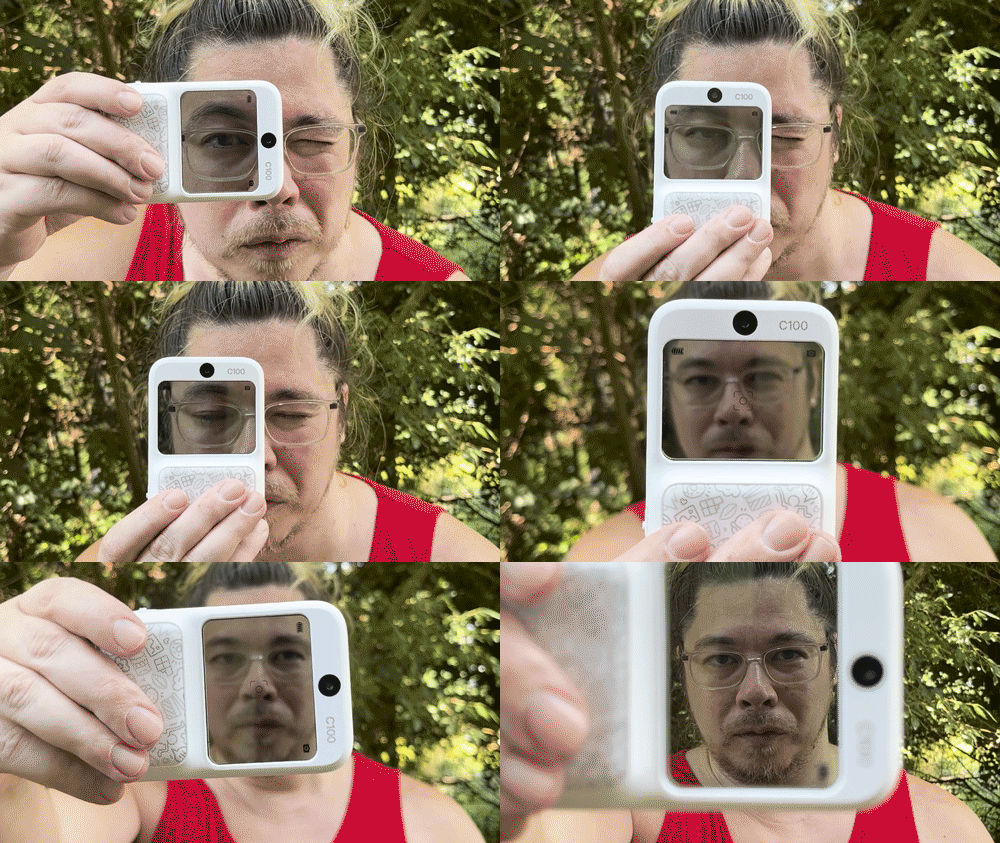
The Godox C100 “transparent viewfinder camera” shows the playful end of this mini‑camera boom. Launched as the brand’s first camera last month, over half of its tiny 104 x 71.7 x 19.1mm frame is devoted to an intelligent transparent display that frames your shot like looking through a credit card with a hole in it. It shoots 2MP stills from a small sensor and 1080p video, with aspect ratios from 16:9 to 1:1 that crop the base 1920 x 1080 image. Reviewers noted that its image quality, while far from professional, is surprisingly decent compared to other sub‑USD‑50 (approx. ₱2,800) screen‑free cameras and becomes “perfectly acceptable” with a bit of editing.
What matters for filmmakers is not that this specific device will end up in a kit bag, but what it signals. Tiny cameras that feel like toys are now competent enough to double as casual recorders. One reviewer called it a brilliant camera for kids because it is tiny, entertaining, and forces them to wait until they get home to see what they shot. That patience is also a creative asset for travel shooters: you can focus on the moment and review later. Importantly, the C100 borrows heavily from earlier transparent‑finder designs and will receive a more complete review soon, underscoring how fast this category is iterating and how quickly ideas move from novelty to commodity.
So, should filmmakers bet on sub-$200 pocket cameras?
The pocket‑camera wave is happening because tiny devices that clip on a shirt or drop into a coin pocket have become one of the most competitive corners of imaging, with major action‑cam and gimbal makers chasing the same grab‑and‑go creators. AulGo’s rapid funding and aggressive tiers—Super Early Bird at USD 199 (approx. ₱11,100) and Early Bird at USD 219 (approx. ₱12,200), framed as up to 45% off a USD 358 (approx. ₱20,000) retail price—prove there is real demand for 4K under 200 devices that promise simplicity over full control. The catch is that AulGo is not yet in mass production; the company still has tooling and pre‑production to complete before a planned run, with shipping estimated for November 2026. Crowdfunded hardware always carries risk.
For working filmmakers, the takeaway is clear. Sub‑USD‑200 (approx. ₱11,100) pocket cameras are becoming credible B‑cams for travel, vlogs, POV and safety footage, thanks to built‑in stabilization, tiny form factors, and app‑based modes like timelapse, hyperlapse, slow motion, and loop recording. They reduce the need for external rigs and tripods in many run‑and‑gun situations. But sensor size, lens limitations, and lack of manual control mean they do not replace a main camera; they narrow the list of times you need to pull one out. The smart move is not to wait for them to “catch up” to mirrorless bodies, but to decide where a pocket cube can free you to shoot more often, in more places, with less friction.