
A Smart Ring Built Around One Vital Number
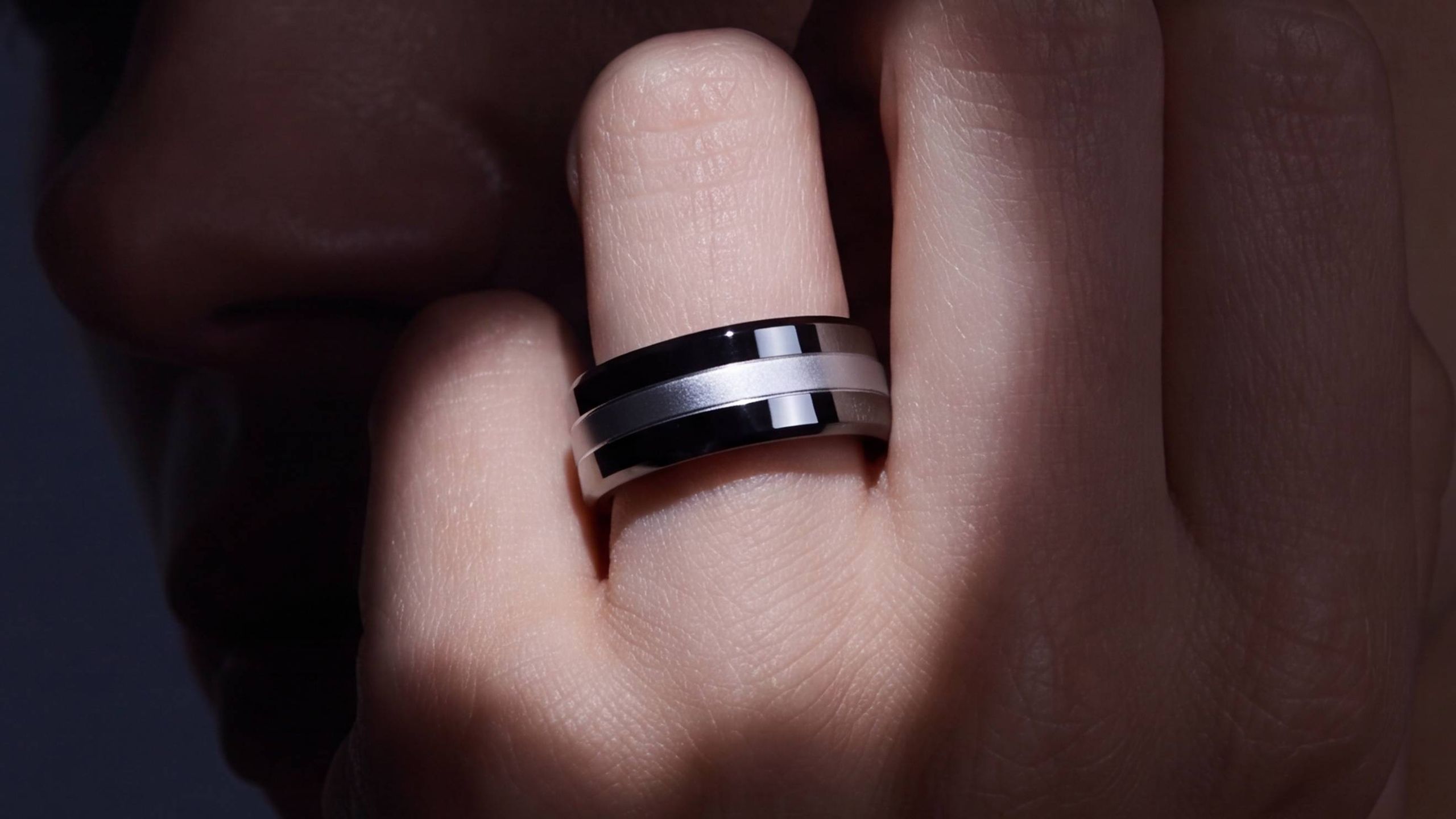
Signal Ring is a new smart ring that focuses on cuffless blood pressure monitoring using LED-based sensing and mean arterial pressure tracking, aiming to give on-the-spot and continuous insights into cardiovascular health instead of the usual mix of steps, sleep scores, and general wellness metrics. This is not another lifestyle gadget chasing vaguely useful data; it is an attempt to tackle the "holy grail" of PPG-powered wearable blood pressure technology, a metric that has been stuck behind inflatable cuffs and clinic visits for decades. By narrowing its mission to blood pressure alone, Signal Ring positions itself as a radical counterpoint to mainstream wearables that skim over the metric that most often decides whether your health trends are a curiosity or a crisis.
Why Cuffless Blood Pressure Monitoring Has Been So Hard
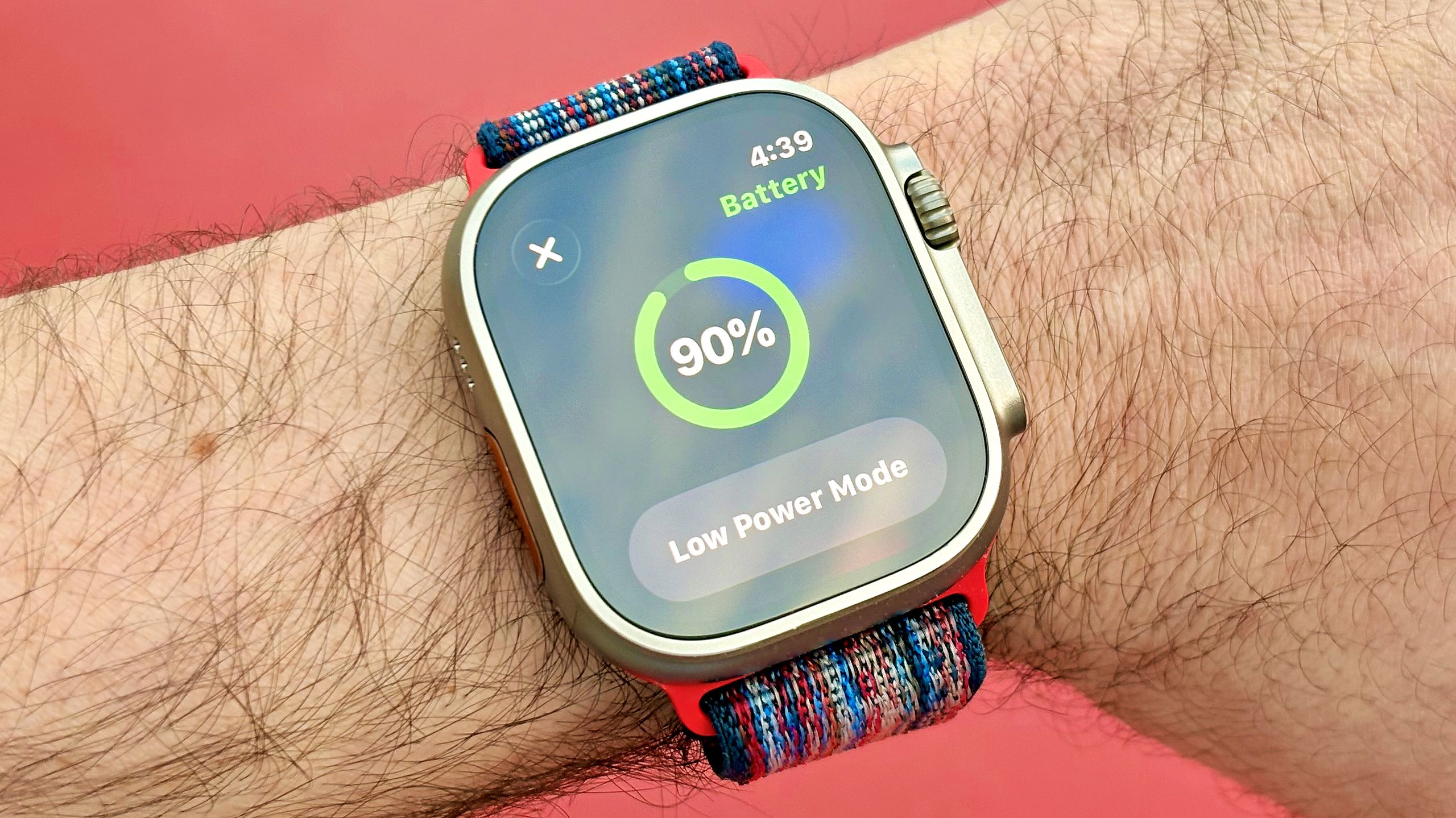
Blood pressure has long been treated as the unsolved puzzle in smart ring health sensors and wearables built on photoplethysmography LEDs. Until now, users have essentially needed an inflatable cuff either to take readings or at least to calibrate any estimates, which is why smartwatch-based solutions have stayed clumsy and limited. One watch line even built a cuff into the device, while another major platform offers only a Hypertension Detection feature that flags possible high blood pressure after 30 days instead of producing direct readings. These approaches underline the core problem: they depend on sporadic measurements, coarse trend-spotting, and confusing calibration rather than continuous, reliable LED blood pressure sensing. If you care about hypertension risk, these half-steps are not enough; you need something that measures, not guesses.
Signal Ring’s LED Strategy and Mean Arterial Pressure
Signal Ring’s answer is to put LED blood pressure sensing at the center of the device and use mean arterial pressure as the anchor metric for passive tracking throughout the day. The ring can deliver on-the-spot blood pressure readings and then broadcast continuous mean arterial pressure data via Bluetooth to its companion app, like other wearables but with a far narrower clinical focus. The product is the outcome of three years of work by Tom Moss, an ex-head of Android at a major tech firm, together with scientists and engineers from Masimo, which previously sued another giant over LED-based heart rate sensing technology. That mix of long-standing sensor expertise and startup specialization matters: it suggests this is not a flashy AI trick, but a heavy investment in signal processing and PPG physics, built to handle blood pressure as a first-class data point.
How It Breaks From Apple, Samsung and the Wellness Crowd
Previous wearable blood pressure technology attempts by big platforms have fallen into a familiar trap: bolt blood pressure estimation onto a general-purpose smartwatch or ring and rely on calibration plus indirect vital signs. One popular watch series, for example, needs an initial cuff reading, then estimates blood pressure between recalibrations based on other metrics—a method Moss found both frustrating and inaccurate. Another ecosystem leans on broad hypertension detection over weeks rather than giving concrete numbers. Signal Ring goes the opposite way. It ignores step counting, sleep scoring and onboard AI assistants, dropping accelerometers and other sensors that dominate mainstream designs so it can focus on Signal Ring blood pressure readings alone. This is a bold bet: most wearables sell by promising “more metrics.” Signal Ring argues we need fewer metrics and better ones, starting with blood pressure.
Promise, Price, and the Road to Proof
Moss’s own hypertensive emergency, where his blood pressure hit 250 instead of the typical healthy 120 over 80, is the human story behind this ring. It is also a reminder that smart ring health sensors are pointless if they cannot capture the numbers that matter when life goes sideways. Signal Ring is now available for pre-order at USD 399 (approx. ₱23,000), with shipping likely in October and no ongoing subscription fees. That pricing plants it squarely alongside high-end wellness wearables, but its value will depend entirely on whether its cuffless blood pressure monitoring holds up against conventional devices. Even its creators admit that only real-world testing will confirm accuracy compared to standard blood pressure measurements. If independent data backs the claims, this could mark a turning point where consumer rings stop acting like wellness toys and start acting like practical cardiovascular tools.