
A Micro ATX Motherboard That Stops Treating Small as Second-Class
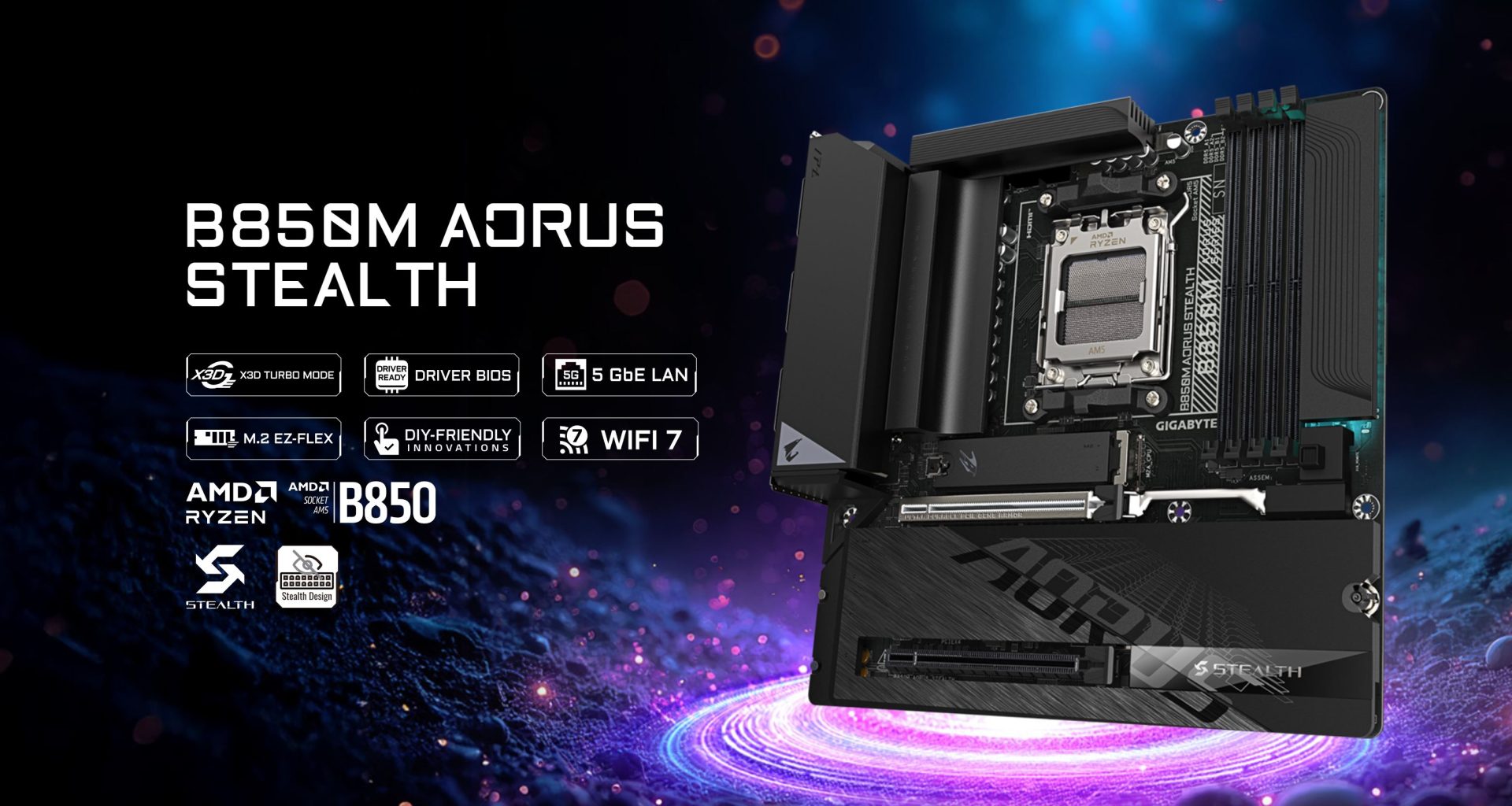
GIGABYTE’s B850M AORUS Stealth is a micro ATX motherboard that moves most connectors to the rear of the PCB and combines a 12-phase VRM with compact dimensions to target clean, small form factor PC builds without giving up enthusiast-class power delivery.
GIGABYTE’s latest Stealth entry matters because it attacks a long-standing bias in PC building: that serious power and clean design belong on large, expensive ATX boards. The B850M AORUS Stealth brings a 12 power phase VRM, four DIMM slots, and dual PCIe x16 slots into a micro-ATX layout while moving the bulk of connectors to the back of the PCB. That means fewer visible cables and a build that looks closer to a modded showpiece than a budget rig. Crucially, GIGABYTE positions this as part of its broader Project Stealth family, which has been adding 600- and 800-series models since 2022, instead of a niche one-off experiment. The message is clear: smaller and cheaper no longer has to mean compromised.
Rear Connectors and Clean Builds Without the Luxury Tax
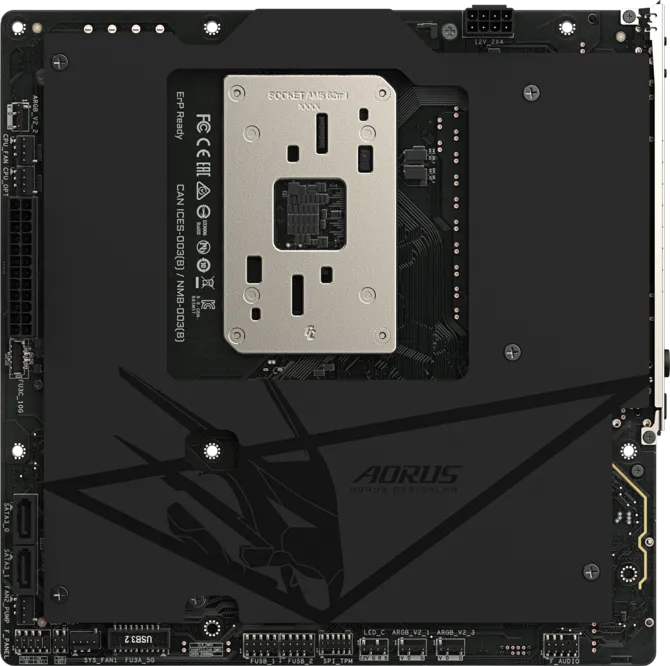
The B850M AORUS Stealth’s most disruptive move is its rear connector layout. Most consumer boards still treat tidy cable management as an afterthought or a premium feature locked behind flagship pricing. Here, GIGABYTE transfers the 24-pin ATX, 8-pin EPS, SATA ports, front USB Type‑C, RGB and ARGB headers, and many fan headers to the back of the PCB, leaving the front side dominated by slots and heatsinks for a cleaner view through a side window.
This is not about vanity; tucked‑away connectors make routing cables simpler, reduce visual clutter, and improve airflow paths in cramped cases. The front gets a sleek look with heatsinks over most of the PCB, including a brushed aluminum piece covering the M.2 slots and chipset for better heat dissipation. On typical midrange ATX boards, you still wrestle front‑edge power plugs and front‑panel headers into submission. GIGABYTE’s approach hints at a future where organized cable layouts are standard, not a luxury you have to pay oversized‑ATX money for.
Enthusiast-Grade Power in a Compact SFF-Friendly Layout
Power delivery is where micro‑ATX often concedes the field to full‑size ATX, but GIGABYTE clearly refused to do that here. The B850M AORUS Stealth is described as featuring a 12 power phase VRM, paired with a thermal armor advanced heatsink and a 5 W/mK thermal pad to keep temperatures under control. That is enthusiast‑grade territory for a board aimed at compact builds. In parallel, an 8+2+2‑phase VRM description appears for this model, underlining that GIGABYTE is serious about splitting power delivery across CPU and auxiliary rails while still emphasizing thermal management.
For small form factor PC builders, this matters more than decorative features. Higher phase counts spread load, reduce component stress, and help sustain boost clocks under prolonged workloads. Combined with four DIMM slots and dual PCIe x16 slots, the board can support serious multi‑drive and expansion card setups in a chassis that would normally force painful trade‑offs. It directly appeals to compact builds and neat systems, targeting users who want quality and thermal headroom rather than sheer size.
Project Stealth vs. Mainstream: What Budget Builders Should Expect Now
Context matters here. GIGABYTE’s Project Stealth has been rolling out connector‑back designs since 2022, spanning multiple 600‑ and 800‑series boards. The B850M AORUS Stealth is the logical extension of that idea into the micro‑ATX space, where builders care about every centimeter of cable and clearance. Its DIY‑friendly touches, such as the M.2 EZ‑Flex design for tool‑less SSD installation, a Rear EZ button with troubleshooting features, and a WiFi EZ‑Plug for the adapter, show that the company understands that convenience can matter as much as raw specs.
Contrast that with how some mainstream ATX refreshes are treating value. One recent budget‑oriented Z890 board revision keeps nearly identical power delivery and core features but trims connectivity, dropping from two Thunderbolt 4 ports to one and lowering Wi‑Fi 7 speeds, yet still sells for around USD 229.99 (approx. ₱13,000) — a “feature‑reduction refresh” that feels more like cost cutting than value creation. In that light, the B850M AORUS Stealth’s approach looks more ambitious: instead of shaving features, it rethinks layout and build experience for the same audience.
Why the B850M AORUS Stealth Redefines Budget Enthusiast Builds
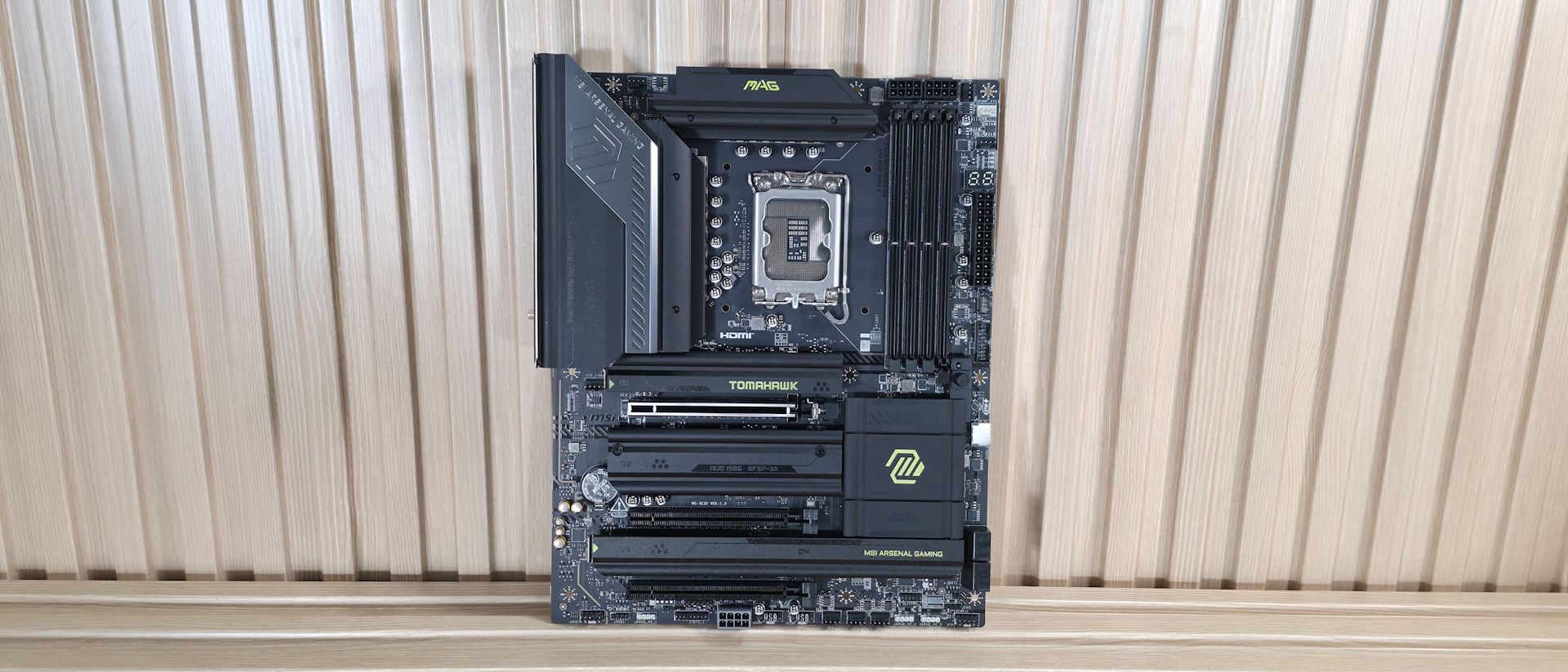
The practical impact for ordinary builders is straightforward. A micro ATX motherboard with rear connectors and strong VRM means you can build a compact, visually clean system without stepping up to oversized cases or flagship boards. The Stealth design caters to those who want a neat and clean PC build, while still having enough power delivery and expansion to handle gaming, creative work, and everyday tasks without bottlenecks. Meanwhile, the example of the Z890 Tomahawk Wi‑Fi II shows that many budget boards remain competent across gaming, rendering, encoding, and office work, but often tweak features and connectivity rather than reinvent layout.
If you care about a small form factor PC that looks intentional rather than improvised, GIGABYTE’s B850M AORUS Stealth signals a welcome shift. It argues that budget enthusiast builds should no longer be forced to choose between tidy cable management, serious power delivery, and compact dimensions. The conclusion is simple: micro‑ATX is no longer the consolation prize; it is an increasingly smart default for builders who value design and capability over sheer size.